Attachment Styles and the Cycle of Relationship Patterns
15 August 2026
Ever wondered why you keep running into the same problems in your relationships? Like you're stuck in a loop, hitting replay on the same arguments, the same heartbreak, the same emotional rollercoaster? It's not just bad luck or poor choice in partners. The roots go deeper—into something called your attachment style.
This psychology-backed concept can feel like a relationship cheat code. Once you understand it, you start seeing how your past and present connect. And better yet? You can change the cycle.
In this article, we’re going to unpack attachment styles, see how they play out in our romantic lives, and understand how they shape the cycle of relationship patterns many of us find frustrating and repetitive. Ready for some eye-opening stuff? Let’s dive in.
What Are Attachment Styles?
Attachment styles are basically the emotional blueprint for how we connect with others—especially in close relationships. It's the "relationship software" we install in early childhood, and whether we realize it or not, we keep running on that same system deep into adulthood.They stem from the seminal work of British psychologist John Bowlby and were later expanded by Mary Ainsworth through her famous “Strange Situation” study. Turns out, the way we bonded with our caregivers as kids massively impacts how we interact with our romantic partners today.
There are four main attachment styles:
1. Secure
2. Anxious (a.k.a. Preoccupied)
3. Avoidant (Dismissive)
4. Fearful-Avoidant (Disorganized)
Let’s break each one down.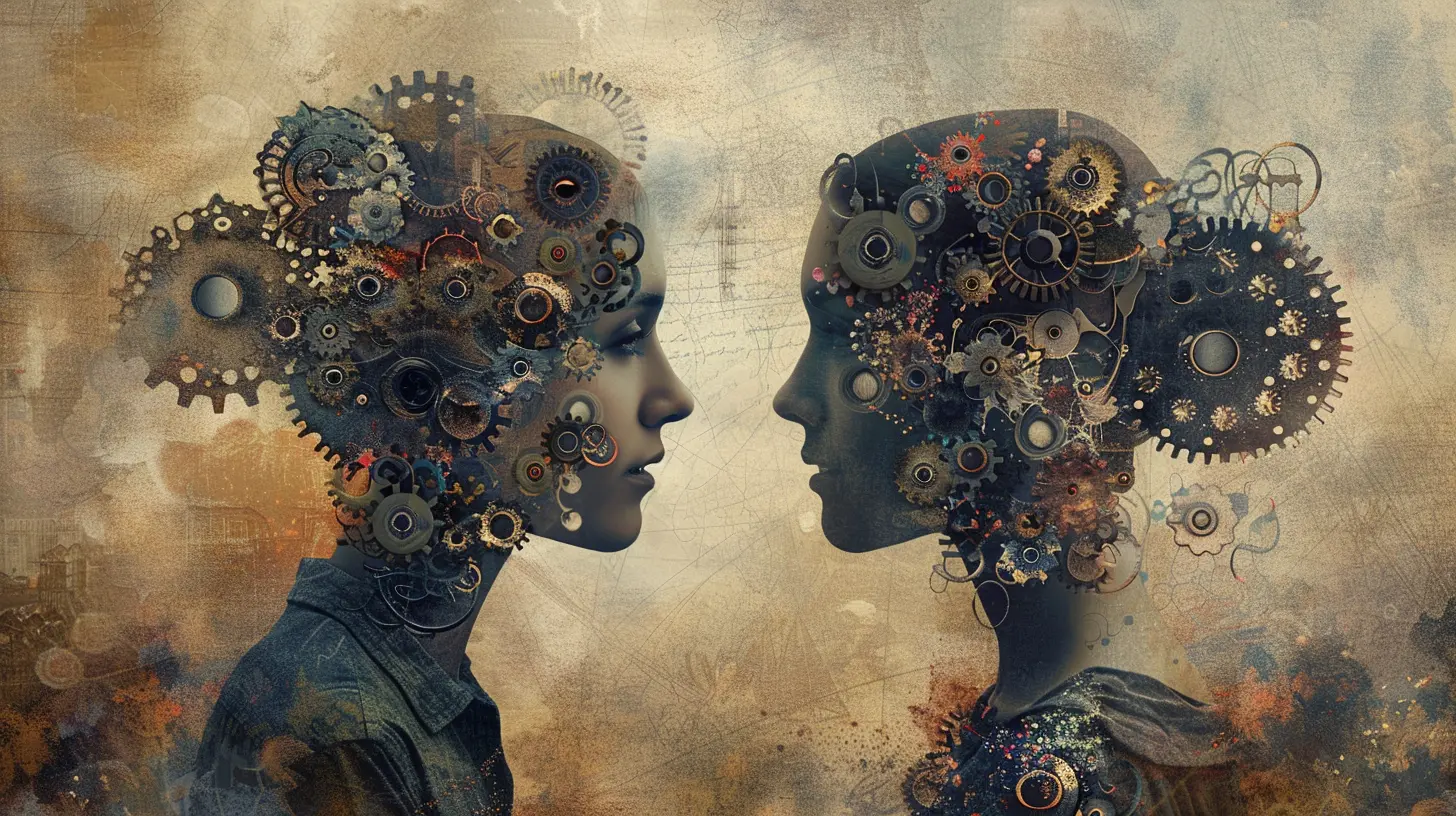
Secure Attachment: The Emotional Gold Standard
If you’ve got a secure attachment style, congrats. You probably make relationships look easy—because, for you, they are.- You’re comfortable with intimacy and independence.
- Conflict doesn’t throw you into a panic.
- You trust your partner and yourself.
- You’re not playing games or second-guessing constantly.
In short, you’re emotionally available, consistent, and balanced. Sounds boring? Actually, it’s the healthiest (and most underrated) way to love.
People with secure attachment often grew up with caregivers who were responsive, reliable, and emotionally attuned.
Anxious Attachment: Clingy but Caring
Ever been that person who texts five times and spirals when there's no reply? Anxious attachment folks feel emotions deeply and really care—but with a twist.- You crave closeness but worry you're too much.
- You overthink every interaction.
- You fear abandonment and often need constant reassurance.
- You might come off as needy or overly sensitive.
This style usually forms when caregivers are inconsistent—sometimes there, sometimes not. As a result, you’re always a little unsure if love is going to stick around.
Avoidant Attachment: The Emotionally Distant Type
Avoidant people like space. A lot of space.- You value independence almost to a fault.
- Emotional conversations make you uncomfortable.
- You pull away when things get too intimate.
- You might feel smothered in committed relationships.
Sound familiar? Avoidant attachment typically stems from childhood environments where emotions weren’t acknowledged or were even discouraged. So, the message became: “Don’t rely on anyone. Handle it yourself.”
Fearful-Avoidant Attachment: The Push-Pull Specialist
The wildcard of attachment—the fearful-avoidant (or disorganized) style—is a rollercoaster mix of anxious and avoidant traits.- You want love badly, but it terrifies you.
- You get close, then pull away.
- You can be both clingy and distant.
- Your inner dialogue is a tug-of-war between “Don’t leave!” and “Get away!”
This style often arises from trauma, abuse, or significant emotional neglect during childhood. It’s chaotic, confusing, and emotionally draining for both the person and their partner.
The Cycle of Relationship Patterns
Now here’s where things get juicy. Your attachment style doesn’t just affect you—it actively shapes who you’re attracted to, how you behave in relationships, and how those relationships play out.Here’s how the cycle tends to unfold:
1. The Attraction Phase
We often (subconsciously) gravitate toward people who match our attachment wounds. For example:- An anxious person might be drawn to an avoidant partner. Why? Because the avoidant’s aloofness triggers their need for validation.
- Avoidants may find anxious types attractive at first because they seem emotionally available—until it becomes “too much.”
Yep, it’s a match made in attachment hell.
2. The Trigger Phase
As the honeymoon phase fades, real patterns emerge:- The anxious partner seeks closeness.
- The avoidant partner craves space.
- Tension rises. One reaches out, the other pulls away.
This dance creates a repetitive loop—an anxious-avoidant trap, as psychologists call it. Ironically, each partner’s attempt to feel safe ends up triggering the other.
Sound familiar?
3. The Conflict or Breakdown Phase
Eventually, the emotional seesaw becomes unbearable:- Constant fights.
- Passive-aggressive behavior.
- Emotional shutdowns.
- Breakups that feel inevitable but never quite stick.
This isn’t just bad luck. It’s your attachment style in action, hitting repeat on familiar pain.
Breaking the Cycle: Can You Change Your Attachment Style?
Short answer? Yes. But like most deep inner work, it takes awareness, effort, and consistency.Here’s how to start:
1. Self-Awareness Is the First Step
You can’t change what you don’t recognize. Start by asking yourself:- How do I respond to emotional intimacy?
- Do I fear closeness or abandonment?
- What patterns keep showing up in my relationships?
Just naming your attachment style can be a game-changer.
2. Learn to Self-Soothe
Especially for anxious or fearful types, it’s crucial to develop emotional regulation tools. Journaling, mindfulness, therapy, or even simply taking a walk before reacting to a trigger can help.You train your nervous system to stay in the green zone instead of going red with panic or blue with shutdown.
3. Choose Secure Relationships
Securely attached partners can be healing. They’re consistent, honest, and emotionally safe—which can feel boring if you’re used to drama, but it’s what real love looks like.Remember: chemistry isn’t always a sign of compatibility. Sometimes, it’s your trauma bonding with theirs.
4. Communicate Authentically
The more open you are about your needs, the more clarity you bring into the relationship. Say what you feel, ask what you need, and don’t play games.It may feel scary at first—but the right partner won’t punish you for being real.
5. Get Professional Support
Therapists and relationship coaches can help you work through attachment wounds and rewire your patterns. You’re not broken—you just need new tools.Why Understanding This Stuff Matters
Attachment styles don’t just affect romantic relationships. They shape friendships, work dynamics, even how you parent your own kids.Understanding your attachment style is like switching the lights on in a dark room. Suddenly, you see what’s been tripping you up—and more importantly—you see the way forward.
It’s not about blaming your parents or exes. It’s about taking accountability for your emotional blueprint and deciding to upgrade it so you stop repeating cycles that hurt you.
Final Thoughts: You’re Not Doomed
Let’s be real—relationship struggles are tough. Especially when it feels like you’re doing everything “right” and still ending up hurt or exhausted.But you’re not broken, and you’re definitely not alone.
Attachment styles are powerful—but they’re not a life sentence.
By digging into your emotional patterns, getting curious instead of judgmental, and choosing healing over history, you can transform how you show up in relationships forever.
It’s not easy. But damn, it’s worth it.
all images in this post were generated using AI tools
Category:
Attachment TheoryAuthor:

Paulina Sanders
Discussion
rate this article
1 comments
Lucy McLaughlin
This article offers valuable insights into how attachment styles shape our relationships. Understanding these patterns can lead to healthier connections and personal growth. Thank you for sharing this important information.
August 21, 2026 at 2:36 AM