Autism and Bullying: How to Create Safer Spaces
10 August 2026
Let’s face it—bullying sucks. It hurts, it isolates, and it leaves scars that aren’t always visible. Now imagine how much more intense it feels when you're already navigating a world that doesn’t always "click." That’s the reality for many people on the autism spectrum. Autism and bullying often go hand in hand, and it’s time we talk about it openly and, more importantly, do something about it.
In this post, we’re diving deep into the connection between autism and bullying, why autistic individuals are more vulnerable, and what we can all do to create safer, more inclusive spaces. Whether you’re a parent, teacher, friend, or someone on the spectrum, this one’s for you.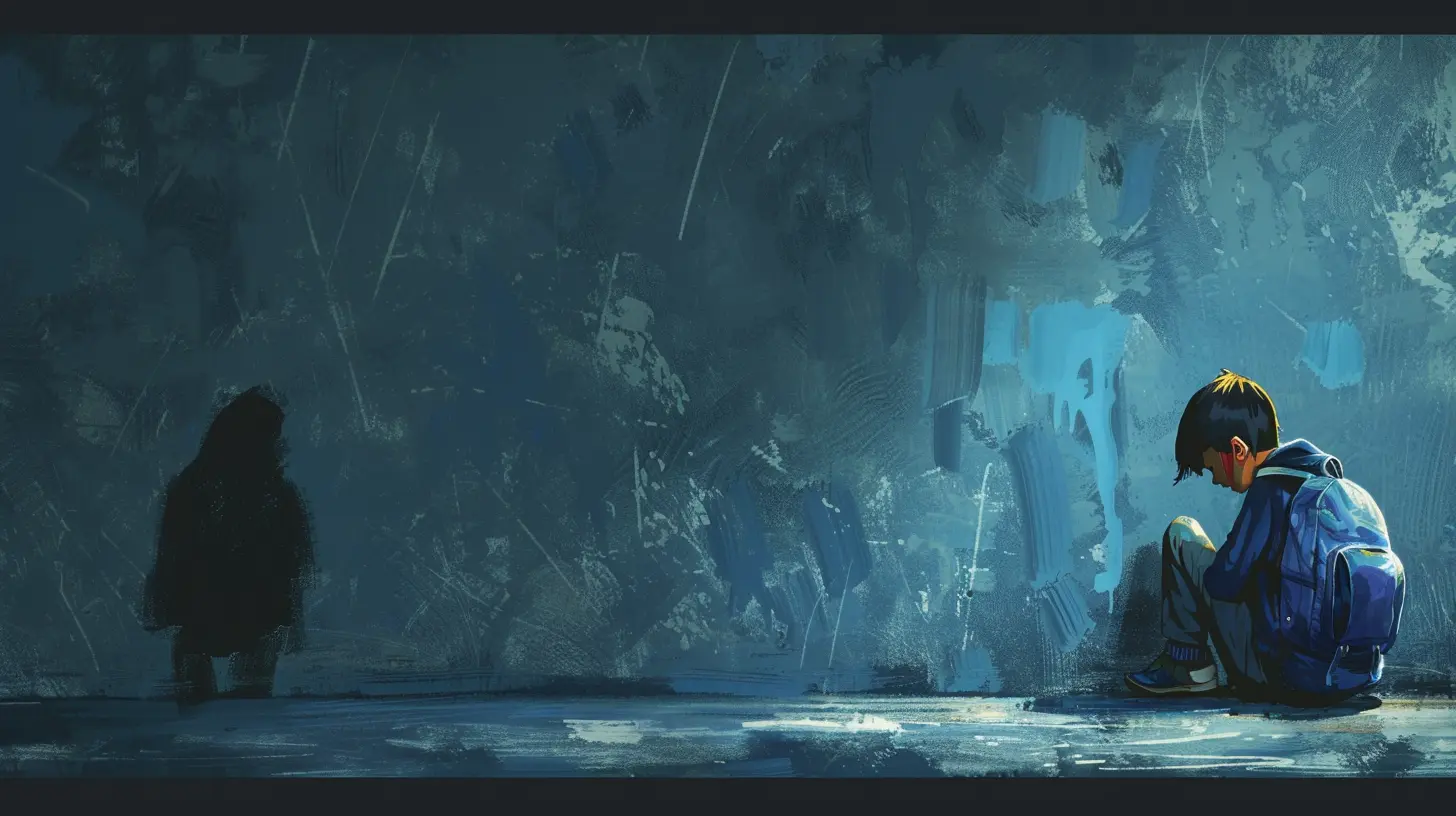
What’s the Link Between Autism and Bullying?
Let’s start with the big question: Why are autistic individuals often targets of bullying?Well, autism is a neurodevelopmental condition that affects how a person communicates, interacts socially, and processes information. And guess what? Kids (and even adults) can be brutal to anyone who’s "different." Autistic individuals might not pick up on social cues, may have unique ways of communicating, or may engage in behaviors others don’t understand.
These differences, instead of being appreciated, often make them stand out—and unfortunately, standing out can be a magnet for bullies.
Numbers That Tell the Story
Here’s the uncomfortable truth: Studies show that autistic children are up to three times more likely to be bullied than their non-autistic peers. That’s not just a statistic—it’s a wake-up call.And it doesn't stop in childhood. Teens and adults with autism report high levels of social exclusion and workplace bullying. This kind of repeated mistreatment chips away at confidence, mental health, and overall quality of life.
How Bullying Impacts Autistic People
Let’s talk about the ripple effects. Bullying doesn't just hurt in the moment—it can have long-term consequences, especially for someone with autism.Emotional and Mental Toll
Being bullied can lead to anxiety, depression, low self-esteem, and even suicidal thoughts. Many autistic individuals already struggle with managing emotions due to sensory overload or social misunderstandings. Add bullying to that mix? It’s a recipe for emotional exhaustion.Increased Social Withdrawal
It’s like touching a hot stove. Once it hurts, you’re hesitant to go near it again. That’s what happens socially—autistic individuals who’ve been bullied may avoid social settings altogether, shrinking away from opportunities to build friendships or grow personally.Academic and Career Setbacks
Bullying doesn’t just stay in the playground. It follows people into classrooms and workplaces. Autistic students might skip school to avoid bullies, and adults might switch jobs often due to toxic environments, limiting career growth.
Why Traditional Anti-Bullying Programs Often Fail
Here’s something you might not expect: Many anti-bullying programs just don’t work for autistic individuals. Why?Because they’re usually built with neurotypical kids in mind. These programs often rely on group discussions, role-playing, or reading subtle social cues—areas that can be challenging for someone with autism.
What works for one brain doesn’t always work for another. And that’s okay! But it means our approach has to shift.
What Does a “Safer Space” Actually Look Like?
Creating safer spaces for autistic individuals isn’t just about stopping the bullies. It’s about building environments where being different isn’t just allowed—it’s embraced.Let’s break down what that looks like.
1. Create a Culture of Inclusion
Inclusion is more than a buzzword—it’s a mindset. Instead of enforcing “sameness,” we need to value differences.At school? This means training teachers and students about neurodiversity. In the workplace? It means designing inclusive hiring processes and providing sensory-friendly workspaces.
2. Teach Empathy, Not Just Tolerance
Tolerance says, “I’ll put up with your differences.” Empathy says, “I see you, I hear you, and I respect your experience.”Kids (and adults!) need to be taught how to walk in someone else’s shoes. Use stories, media, or even first-person accounts from autistic individuals to build compassion.
3. Open Communication Channels
Autistic people might not always express distress in expected ways. They might shut down, lash out, or go silent. So, let’s not wait for them to "speak up" about bullying.Create regular check-ins. Use communication tools like visual charts, yes/no cards, or digital surveys to help individuals express how they’re feeling in non-verbal ways.
4. Empower Peer Allies
Nothing beats the power of peer support. Encourage classmates, coworkers, or teammates to stand up against bullying. These allies can bridge understanding and help diffuse tense situations before they spiral.5. Train Staff in Autism Sensitivity
Teachers, school staff, managers, coaches—anyone in a position of authority—should understand autism. This means training not just on what autism “is,” but how it might show up in real-life behaviors.When staff can recognize stimming, meltdowns, or sensory overload for what they are—not bad behavior, but signs of stress—they’re more likely to step in with compassion, not criticism.
Role of Parents and Caregivers
Parents, you’re the frontline soldiers here. If your child is autistic and being bullied, the first step is to validate their feelings. Don’t brush it off. They’re telling you something important.Keep Communication Open
Ask open-ended questions. Instead of “Did anyone bother you today?” try “What was the best and hardest part of your day?”Document Incidents
Keep a record of bullying events—what happened, where, who was involved. This can be helpful if you need to escalate things with the school or employer.Collaborate With Schools
Don’t be afraid to speak up. Request IEP meetings, advocate for support staff or aides, and make sure your child has a safe adult they can turn to during the day.Tech and Tools That Help
Thankfully, we live in a tech-savvy world where some tools can help monitor, manage, and mitigate bullying.Apps for Emotional Regulation
Tools like “Zones of Regulation” or “Mood Meter” help kids and adults identify and express emotions accurately, reducing confusion and miscommunication.Social Stories
These are short, custom-made stories that teach social skills in a simple, visual way. They’re perfect for preparing someone for new situations or dealing with past bullying experiences.Online Support Communities
Platforms like Reddit, Facebook groups, or Discord communities tailored to autism support offer safe spaces for sharing and healing.Building Resilience Without Blaming the Victim
Let’s be real—telling someone to "toughen up" isn't helpful. Building resilience isn’t about ignoring pain; it’s about giving someone the tools to heal from it.Teach Self-Advocacy
Help autistic individuals understand their rights and teach them how to assert boundaries. This might mean scripting phrases like, “Please don’t talk to me like that,” or knowing when to walk away.Celebrate Strengths
Whether it’s a deep interest in astronomy or an incredible memory for detail, make sure these strengths are recognized and valued. Confidence grows when people feel seen for who they truly are.The Power of Role Models
Representation matters. Seeing successful autistic adults—scientists, artists, advocates—provides hope and validation. Showcasing these role models can inspire younger individuals who might feel like they don't belong.A Final Word: Kindness Isn’t Optional
Here’s the deal: bullying isn’t just a “kid problem.” It’s a people problem. And creating safer spaces for autistic individuals isn’t just about one policy or program—it’s about shifting how we treat each other, every single day.So the next time you see someone acting a little differently, pause before judging. Ask yourself—what if that’s just their way of being in a world that doesn’t always make room for difference?
Let’s be the kind of people who make that room. Let’s be the reason someone feels safe.
all images in this post were generated using AI tools
Category:
AutismAuthor:

Paulina Sanders
Discussion
rate this article
1 comments
Emmett Gutierrez
Creating safer spaces for everyone is like making a pizza-add the right toppings and share!
August 25, 2026 at 2:51 AM