Autism and Emotional Intelligence: Exploring Inner Worlds
12 February 2026
Let’s talk about two things that don’t always get paired together in casual conversation but totally should: autism and emotional intelligence. Yep, these two are often misunderstood and misrepresented, especially when they show up in the same sentence. But here’s the tea — autism doesn’t mean someone lacks emotional intelligence. Shocking, right? Stick around and let’s unpack this beautifully complex topic like it’s the brain’s version of IKEA furniture. Buckle up, it's going to be a fascinating ride into the inner world of human emotion and neurodiversity.
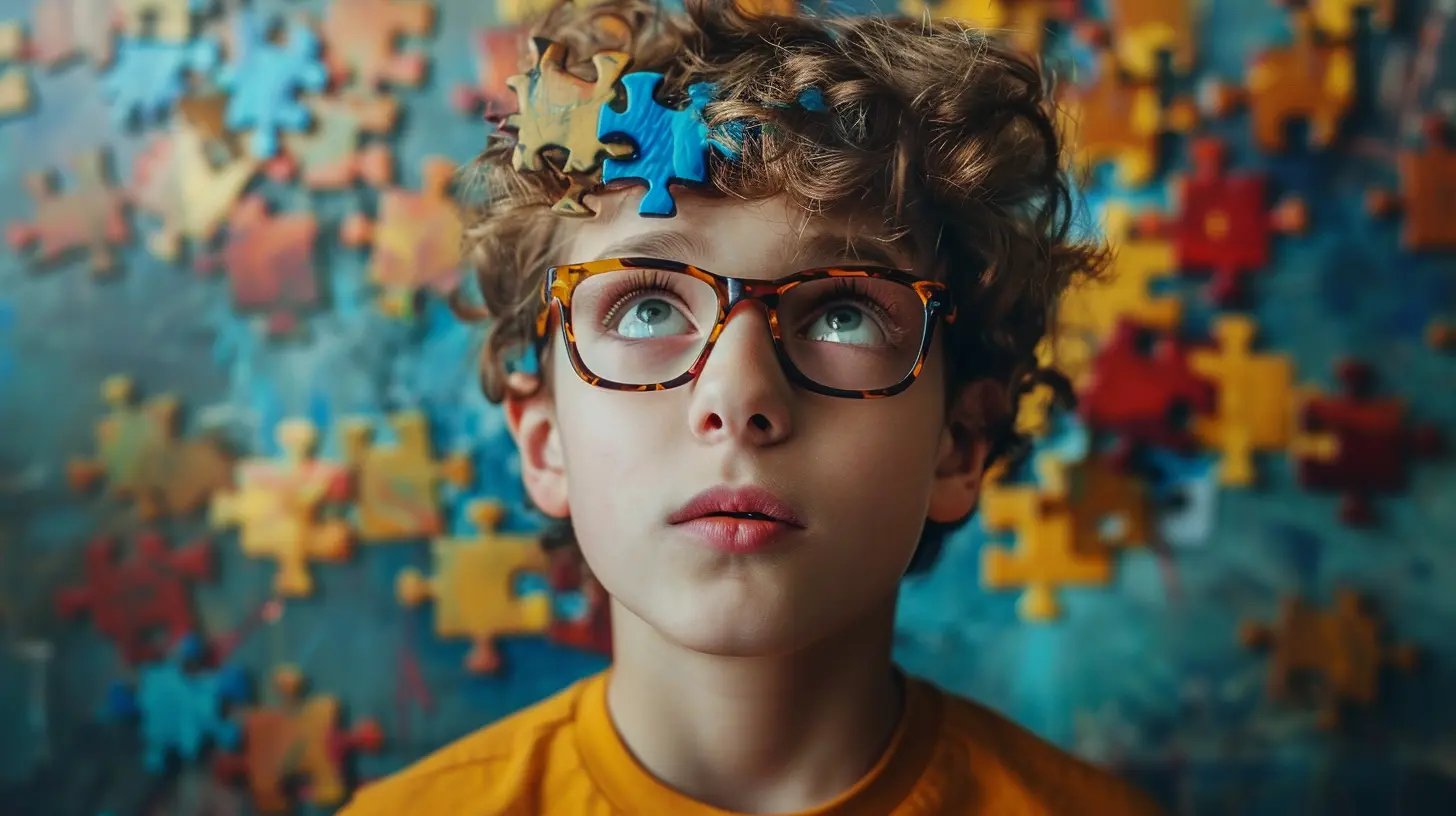
What Is Emotional Intelligence Anyway?
Before we dig into the juicy part, let’s clear up what emotional intelligence (EQ) actually is. Emotional intelligence is like the Swiss Army knife of feelings. It’s your ability to:- Understand your own emotions
- Manage those emotions (without turning into Godzilla)
- Recognize emotions in others
- Respond appropriately
- Use feelings to guide thinking and behavior
Basically, it's adulting on an emotional level. Some people are born with it, others build it like Lego blocks through life. But here’s the million-dollar question: how does EQ show up in people with autism?
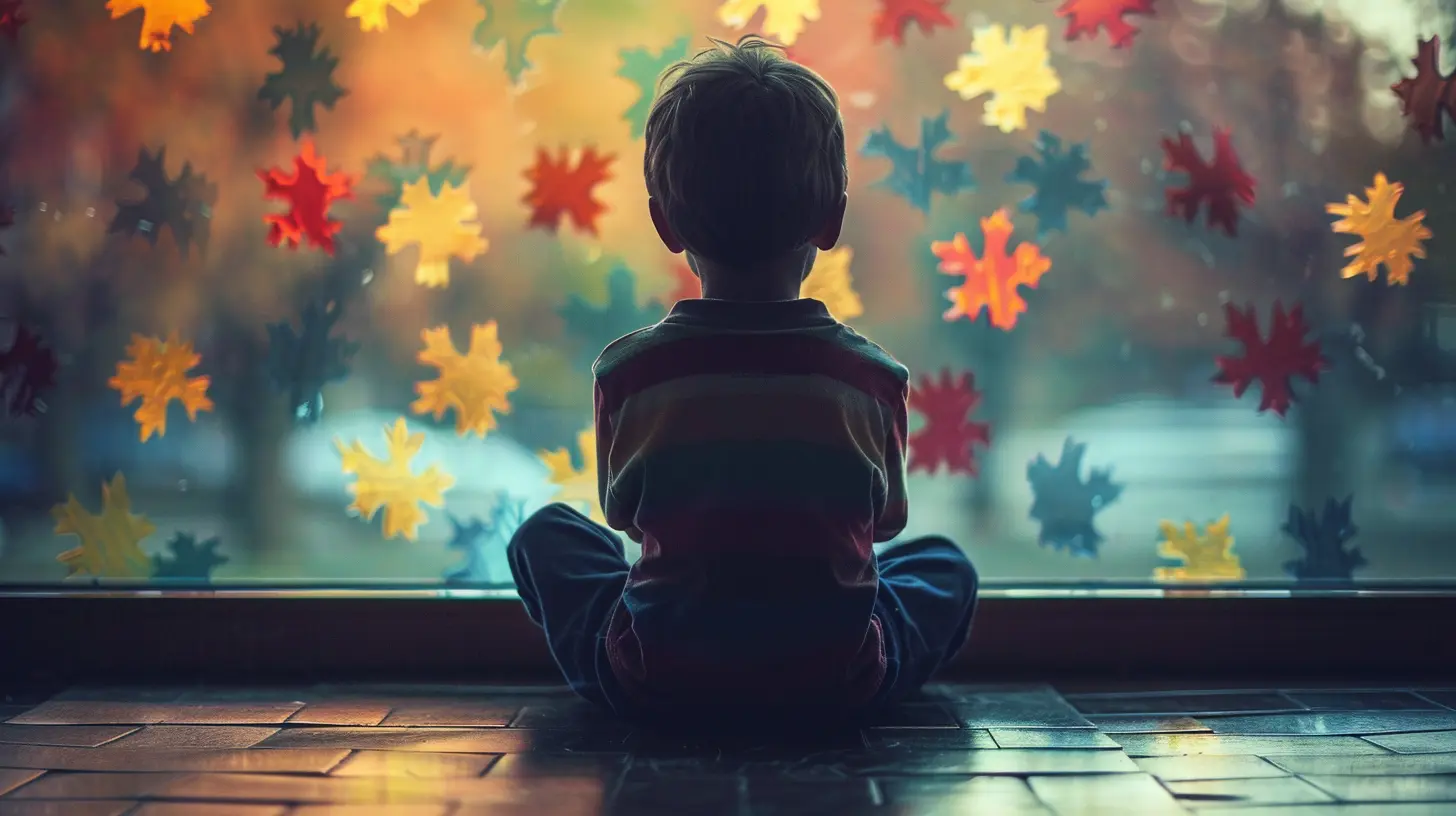
Autism 101: The Cliff Notes Version
Autism Spectrum Disorder (ASD) is a neurological and developmental condition. People with autism experience the world differently — and I mean differently, not defectively. Think of it like this: if social norms were a dance, most people are doing the cha-cha, and someone with autism might be breakdancing to the same beat. Same song, totally different (yet valid) vibe.Common aspects of autism include:
- Difficulty with social communication
- Sensory sensitivities (lights, sounds, textures – the whole sensory smorgasbord)
- Repetitive behaviors or “stimming”
- Deep interests in specific topics (hello, hyperfocus!)
But hold up – none of that means a person with autism doesn’t have emotions, or worse, can’t understand them. That’s a stereotype that needs to be kicked to the curb... hard.

Emotional Intelligence Isn't One-Size-Fits-All
Here's where it gets interesting. Emotional intelligence doesn’t mean being smiley and chatty at cocktail parties (though kudos if that’s your thing). It’s more nuanced. And guess what? Emotional intelligence shows up differently in autistic individuals. Not “less,” just… different.Picture this: neurotypical emotional intelligence is like Windows OS – straightforward, user-friendly (most of the time), and designed for mass compatibility. Autism is like Linux – less flashy, way more complex, and powerful in its own unique way. Just requires a different mindset to understand it.
Myth Buster: Autistic Folks Have No Empathy
Stop the presses. Let’s squash this myth once and for all. The idea that autistic individuals lack empathy is about as accurate as saying cats and dogs are the same because they both have four legs.There are two types of empathy:
1. Cognitive empathy – understanding how someone feels
2. Affective empathy – actually feeling someone else’s emotions
Autistic folks might struggle with cognitive empathy — they might not always read facial expressions or tone of voice accurately. But affective empathy? Oh honey, many autistic individuals feel emotions on overdrive. They just express it differently. Think of it like a superpower that comes with a unique instruction manual.

Decoding the Emotional Intelligence of Autistic People
Let’s break it down with some real-talk examples.1. They Feel Deeply, Even If They Don’t Show It
We’ve all met that stoic friend who looks like their emotional range is stuck on “mildly amused,” but inside they’re basically live-streaming a soap opera. Some autistic individuals process emotions internally. The poker face doesn’t mean they're not feeling – it’s just that expressing those emotions externally may be challenging.2. Logic and Emotion: Not Mutually Exclusive
Autistic individuals often get painted as overly logical, like Vulcans from Star Trek (minus the spaceship). But here's the kicker: they’re not logic instead of emotion, they just use logic to process emotions.Let’s say you tell your autistic friend your cat died. They might not say “I’m so sorry” right away. Instead, they might ask, “How old was your cat?” because they’re trying to understand the context before reacting. That’s not cold. That’s their way of connecting.
3. Overwhelm Is Real
Ever had a group chat blow up while your boss is talking to you, and your kid spills juice on your lap? That’s overstimulation. Now multiply that by 100, and you’ll get close to what an autistic person might feel during emotional interactions. It’s not that they don’t care — they might just be emotionally overwhelmed.Let’s Flip the Script: Autistic Strengths in Emotional Intelligence
Here’s what rarely gets said: autistic individuals often have emotional intelligence superpowers. Yeah, I said it.1. Honesty That Cuts Through the Noise
No sugarcoating, beating around the bush, or office-politics nonsense. If you want raw, unfiltered truth, autistic individuals are your people. And honestly, isn’t that refreshing?2. Loyalty and Integrity
Autistic folks tend to stick to values like glue on a toddler’s fingers. If they care about you, it’s not for show — it’s deep, genuine, and unwavering. That’s a type of emotional connection most of us could learn from.3. Hyperfocus on Emotional Experiences
You haven’t talked about emotions until you’ve had a conversation with an autistic person about their special interest in human behavior or psychology. Their attention to emotional details might blow your mind. They’ll notice patterns in emotional interactions most people miss entirely.
Bridging the Communication Gap
So, if autistic people experience and express emotion differently, how do we bridge the gap between neurotypical and neurodiverse emotional worlds? Good question, grasshopper.1. Stop Expecting “Normal” Behavior
“Normal” is a setting on a washing machine. People are people — and expecting everyone to communicate emotions the same way is like saying everyone should dance the Macarena. (Hard pass.)2. Ask, Don’t Assume
If your autistic friend seems distant or blunt, start a conversation instead of jumping to conclusions. Ask what they’re feeling. Give them the space to tell you in their own time and way.3. Create Safe Emotional Spaces
Autistic individuals may need extra time or a quiet space to process. Respecting their emotional boundaries is not just kind — it’s necessary.Emotional Intelligence Can Be Learned
Here’s the beautiful part — emotional intelligence isn’t set in stone. It’s as learnable as TikTok dances (although, arguably, less cringey). With support, therapy, and safe social learning environments, autistic individuals can absolutely grow in EQ — and so can you, by the way.Tools That Help
- Social stories and scripts – great for understanding emotional contexts- CBT (Cognitive Behavioral Therapy) – helps with identifying and managing feelings
- Mindfulness and meditation – yes, even if that sounds woo-woo to you, it works
- Emotion charts and apps – because sometimes visuals speak louder than words
Let’s Get Real for a Second
We all struggle with emotions now and again. Whether you're neurotypical, autistic, or somewhere in between, emotional intelligence is more about connection than perfection. It’s not about how many feelings you have — it’s about how you understand and manage them.So the next time someone tells you that people with autism “don’t get emotions,” go ahead and serve them a big ol’ slice of empathy pie. Maybe with a side of this article.
TL;DR: The Bottom Line
- Autism doesn’t equal emotionless — big myth!- Emotional intelligence shows up differently, not less.
- Empathy? Absolutely there, just filtered through a different lens.
- Autistic individuals often possess emotional strengths most people overlook.
- Creating understanding leads to better, deeper connections across the spectrum.
So yeah, autistic emotional intelligence might not always look like what we expect — but once we tune in, it might just be the melody this overly noisy world needs.
all images in this post were generated using AI tools
Category:
AutismAuthor:

Paulina Sanders
Discussion
rate this article
2 comments
Mika McElroy
Thank you for this insightful article! It beautifully highlights the unique perspectives of individuals with autism and their emotional experiences. Understanding these inner worlds not only fosters empathy but also enriches our collective knowledge of emotional intelligence. I'm grateful for the awareness this discussion brings to such an important topic.
March 17, 2026 at 5:31 PM
Paulina Sanders
Thank you for your thoughtful comment! I'm glad you found the article meaningful. Awareness is key in fostering understanding and compassion.
Daisy McGuffin
Understanding autism enhances emotional intelligence, fostering deeper connections and enriching the inner worlds we share.
February 18, 2026 at 5:29 AM
Paulina Sanders
Thank you for your insightful comment! Understanding autism indeed opens pathways to deeper emotional connections and enriches our shared experiences.