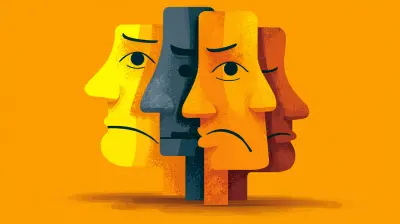
Autism and Mental Health: Addressing Co-Occurring Conditions
16 February 2026
Autism is a complex neurodevelopmental condition that affects how a person communicates, interacts, and experiences the world. While autism itself isn’t a mental health disorder, individuals on the spectrum often face co-occurring mental health conditions. These can range from anxiety and depression to obsessive-compulsive disorder (OCD) and attention-deficit/hyperactivity disorder (ADHD).
But why is this the case? And more importantly, how can we support individuals dealing with both autism and mental health challenges? Let’s dive in and unpack this crucial topic. 
Understanding Autism and Mental Health
Autism spectrum disorder (ASD) is characterized by differences in social interaction, communication, and repetitive behaviors. However, what’s often overlooked is the emotional and psychological well-being of autistic individuals. Many struggle with mental health conditions that can significantly impact their daily lives.It’s not just about autism itself; it’s about the way the world responds to it. Imagine trying to navigate a world that wasn’t designed for the way you think, feel, or experience emotions. That alone can be overwhelming—leading to high levels of stress and emotional distress.
Why Are Mental Health Issues Common in Autism?
There isn’t a single reason why mental health conditions frequently occur alongside autism. Instead, multiple factors contribute to this challenge, including:- Neurological Differences – The brain structures and functions of autistic individuals differ from neurotypical individuals, which may increase vulnerability to anxiety, depression, and other mental health concerns.
- Sensory Overload – Many autistic individuals experience heightened sensitivity to sounds, lights, and other stimuli. This can lead to chronic stress and emotional exhaustion.
- Social Challenges – Difficulty in social interactions can cause feelings of loneliness, rejection, and frustration, all of which can contribute to mental health struggles.
- Unmet Support Needs – A lack of proper accommodations, misunderstood behaviors, and inadequate mental health care can worsen emotional well-being.
Now that we understand the connection, let’s take a closer look at some of the most common co-occurring mental health conditions in individuals with autism. 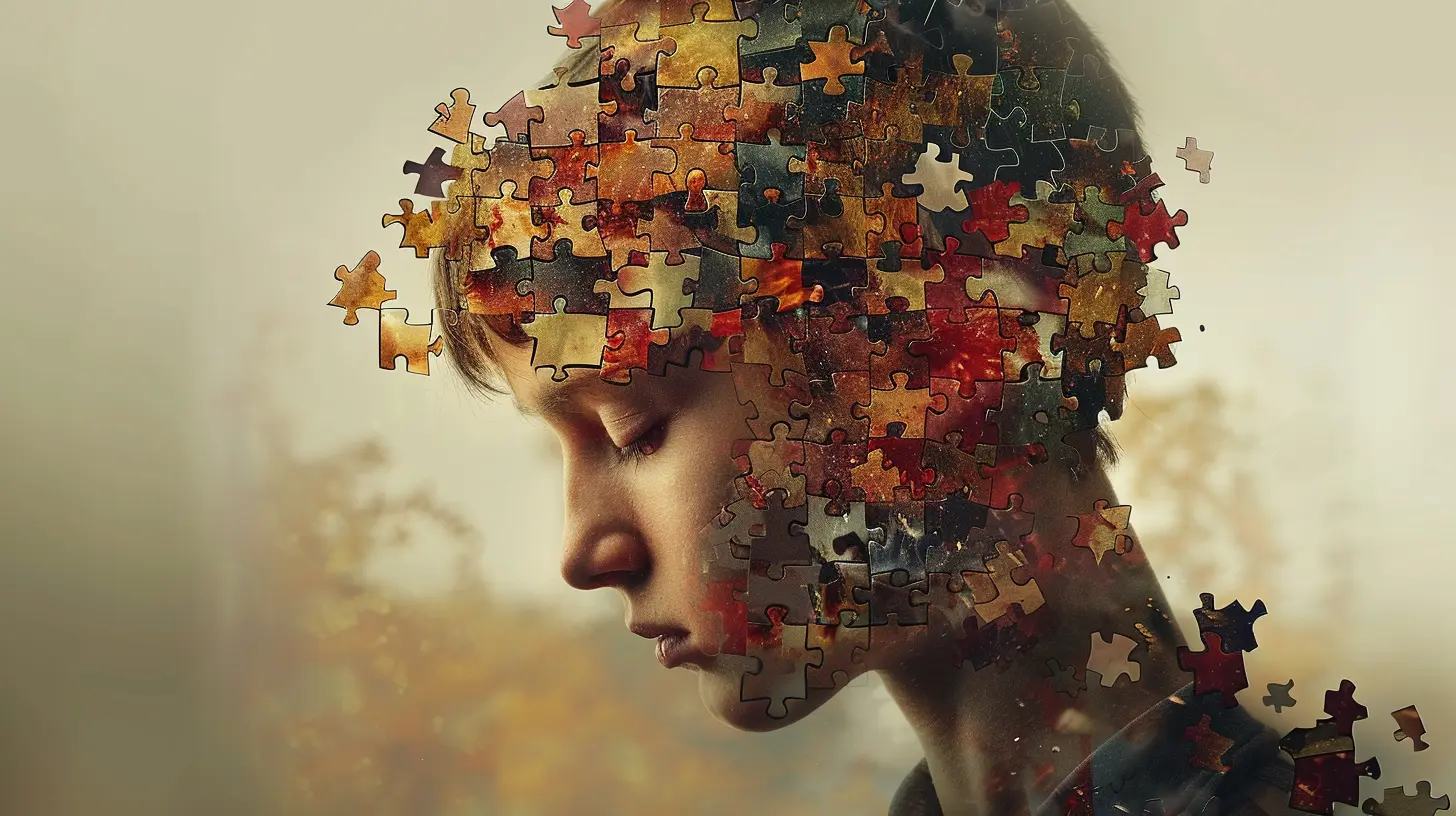
Common Co-Occurring Mental Health Conditions in Autism
1. Anxiety Disorders
Anxiety is one of the most prevalent mental health conditions in individuals with autism. From social anxiety to generalized anxiety disorder (GAD), many autistic people experience persistent worry, fear, and discomfort in various situations.Common Triggers for Anxiety in Autism:
- Unpredictable changes in routine
- Sensory overload
- Social situations
- Fear of failure or making mistakes
Managing anxiety in autism requires a tailored approach, focusing on structure, coping strategies, and, in some cases, professional support.
2. Depression
Depression can be particularly challenging in autism because some autistic individuals struggle to express their emotions. This can lead to internalized feelings of sadness, hopelessness, and isolation.Signs of Depression in Autism:
- Withdrawal from activities or people
- Increased irritability or meltdowns
- Decline in motivation or energy
- Changes in sleep or appetite
Addressing depression in autistic individuals requires a compassionate and individualized approach, ensuring their emotions are validated and understood.
3. Obsessive-Compulsive Disorder (OCD)
OCD involves repetitive thoughts and compulsive behaviors. While autistic individuals may engage in repetitive behaviors due to autism itself, OCD-related compulsions are often driven by anxiety rather than routine or enjoyment.For example, an autistic person might line up their toys because it feels soothing, while someone with OCD might do it to prevent something bad from happening. The key difference? One is a comfort-driven habit, while the other is anxiety-fueled compulsion.
4. Attention-Deficit/Hyperactivity Disorder (ADHD)
Autism and ADHD frequently overlap, as both conditions involve differences in executive functioning, attention regulation, and impulse control. Individuals with both autism and ADHD can struggle with focus, organization, and managing emotions.Supporting someone with both autism and ADHD often means helping them develop personalized strategies for time management, focus, and emotional regulation. 
The Challenges of Diagnosing Mental Health Conditions in Autism
One of the biggest hurdles autistic individuals face is getting an accurate mental health diagnosis. Why? Because many symptoms of autism and mental health conditions overlap. For example:- Is it autism-related social withdrawal or depression?
- Is it a sensory overload meltdown or an anxiety attack?
- Is it repetitive autistic behavior or an OCD compulsion?
Doctors and therapists must take a deep dive into a person’s history and experiences to distinguish between autism traits and separate mental health conditions. Unfortunately, mental health professionals who lack experience with autism might misdiagnose or overlook critical symptoms.
This is why having an autism-informed therapist can make a world of difference. 
Supporting Mental Health in Autism
So, how can we better support autistic individuals who also struggle with mental health conditions? Here are some key strategies:1. Understanding and Validation
Autistic individuals often hear phrases like, “You’re overreacting” or “That’s not a big deal.” But their experiences and emotions are valid. Instead of minimizing their struggles, listening and offering reassurance can be incredibly powerful.2. Structured Routines and Predictability
A predictable environment can reduce anxiety and stress. Whether it’s a visual schedule, daily routines, or gradual transitions, providing structure can be a game-changer.3. Sensory-Friendly Spaces
Since sensory overload is a major trigger for distress, creating a calming environment is crucial. This could include noise-canceling headphones, dim lighting, or a sensory-friendly corner at home.4. Cognitive Behavioral Therapy (CBT) Adapted for Autism
Traditional therapy strategies don’t always work for autistic individuals. However, modified approaches—such as visual aids, direct language, and step-by-step strategies—can make therapy more effective.5. Medication (When Necessary)
In some cases, medication can help manage severe anxiety, depression, or ADHD symptoms. However, it’s essential to work with a healthcare provider who understands autism to ensure appropriate prescriptions.6. Community and Social Support
Feeling understood and accepted is invaluable. Support groups, autism-friendly spaces, and online communities can help autistic individuals feel less alone in their struggles.Breaking the Stigma Around Autism and Mental Health
Sadly, there’s still a lot of stigma around both autism and mental health. Some believe autistic people “don’t have emotions” (which couldn’t be further from the truth), while others think mental health struggles are simply “bad behavior.”It’s time we change the narrative. Mental health is just as important as physical health, and autistic individuals deserve the same level of support and understanding.
Instead of forcing autistic individuals to “fit in” with a neurotypical world, we should be creating a world that embraces their differences and meets their unique needs.
Final Thoughts
Autism and mental health are deeply connected, and addressing co-occurring conditions is essential for overall well-being. Anxiety, depression, OCD, and ADHD are just some of the mental health struggles autistic individuals may face, but with the right support, they can lead fulfilling and happy lives.The key? Understanding, acceptance, and personalized approaches. Whether it’s a structured environment, therapy tailored for autism, or simply a listening ear, small steps can make a huge difference.
Let’s build a world where autistic individuals feel supported—not just for their autism, but for their mental health as well.
all images in this post were generated using AI tools
Category:
AutismAuthor:

Paulina Sanders
Discussion
rate this article
2 comments
Indigo McLain
Who knew the brain could throw such a quirky party? Autism and mental health might co-occur, but with the right tools, we can dance through the chaos!
March 12, 2026 at 5:38 AM
Paulina Sanders
Glad you enjoyed the article! Embracing the quirks is definitely key to navigating these challenges. Keep dancing through the chaos!
Zayn Kirk
Important insights! Understanding is the first step.
February 16, 2026 at 4:59 AM
Paulina Sanders
Thank you! I'm glad you found the insights valuable. Understanding is indeed crucial for supporting those with autism and co-occurring conditions.