Autism and Social Skills: Managing Expectations
18 May 2026
When we talk about autism, social skills often become the elephant in the room. Let’s be honest—interacting with others isn’t easy for most people, and for those on the autism spectrum, it can feel like stepping onto an alien planet. There's a lot of confusion, assumptions, and unrealistic expectations around what social interaction “should” look like for those with autism. So, how do we manage expectations—ours and theirs—and create a more compassionate, realistic, and empowering approach?
Buckle up, because we’re diving deep into how autism affects social skills, what those skills really mean, and how we can shift our perspective to better support autistic individuals.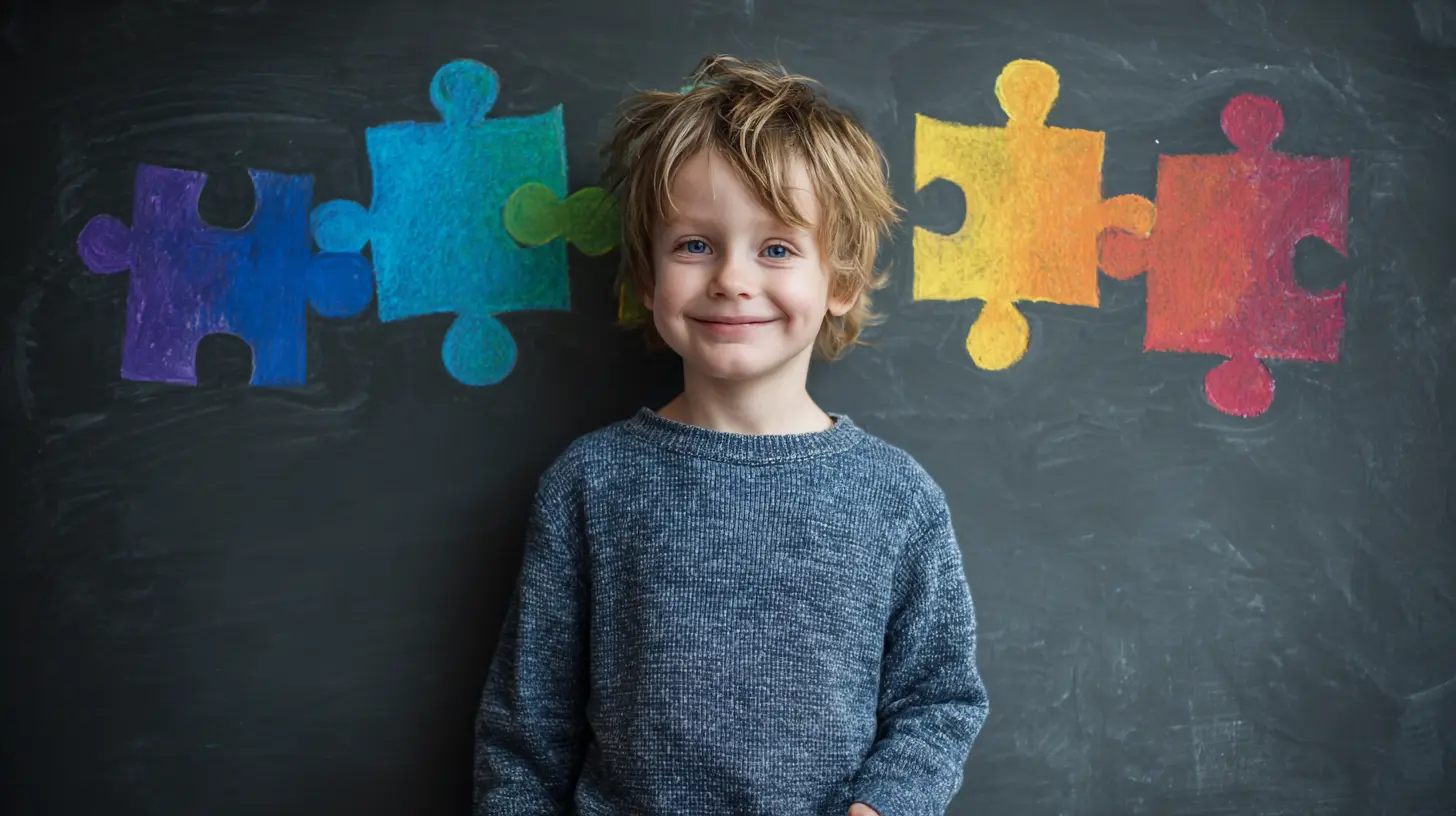
What Do We Mean By "Social Skills"?
Before we go any further, let's clear up the buzzword: social skills.Social skills are the ways we communicate and interact with others. That includes everything from saying “hi,” maintaining eye contact (or not), understanding personal space, to knowing when to speak or listen. Society tends to measure these skills by neurotypical standards. But here's the thing—those standards aren’t universal.
For someone on the autism spectrum, the “rules” of socializing can feel more like a foreign language than a natural instinct.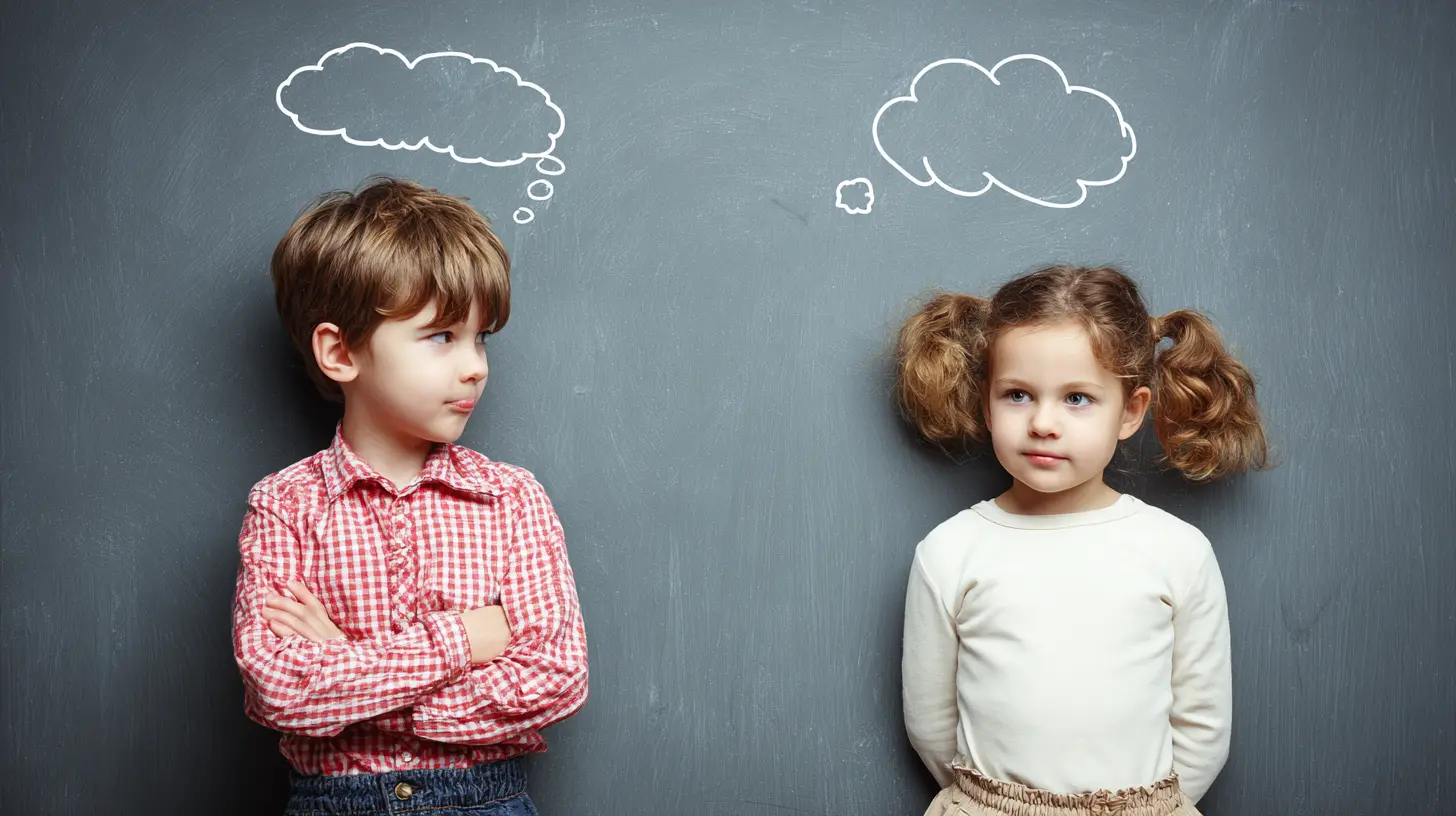
Why Social Skills Are So Tricky for Autistic Individuals
Alright, let’s get real for a second. Imagine if every time you spoke to someone, you had to decode what they meant, filter their tone, remember to look them in the eye, interpret facial expressions, and respond appropriately—all while managing your own anxiety. Exhausting, right?That’s what many autistic individuals face daily. Challenges with social interaction don’t come from a place of rudeness or disinterest—they often stem from sensory sensitivities, communication differences, or social anxiety. Here's a breakdown of why these challenges exist:
1. Different Communication Styles
Autistic people often communicate in a more direct way. They may say exactly what they mean and expect you to do the same. This can clash with the more nuanced and layered communication style of neurotypicals, which often includes sarcasm, innuendo, or hidden meaning.💬 _“I didn’t know you were joking.”_—A common and completely valid response from someone on the spectrum.
2. Processing Delays
It's not that autistic folks don’t understand—sometimes they just need more time to process social information. Think of it like your brain buffering during a video call. It doesn’t mean the connection’s broken; it’s just catching up.3. Sensory Overload
Crowded rooms, background noise, or even the flicker of fluorescent lights can make social situations overwhelming. When someone is consumed with managing their sensory experience, engaging in conversation moves way down the priority list.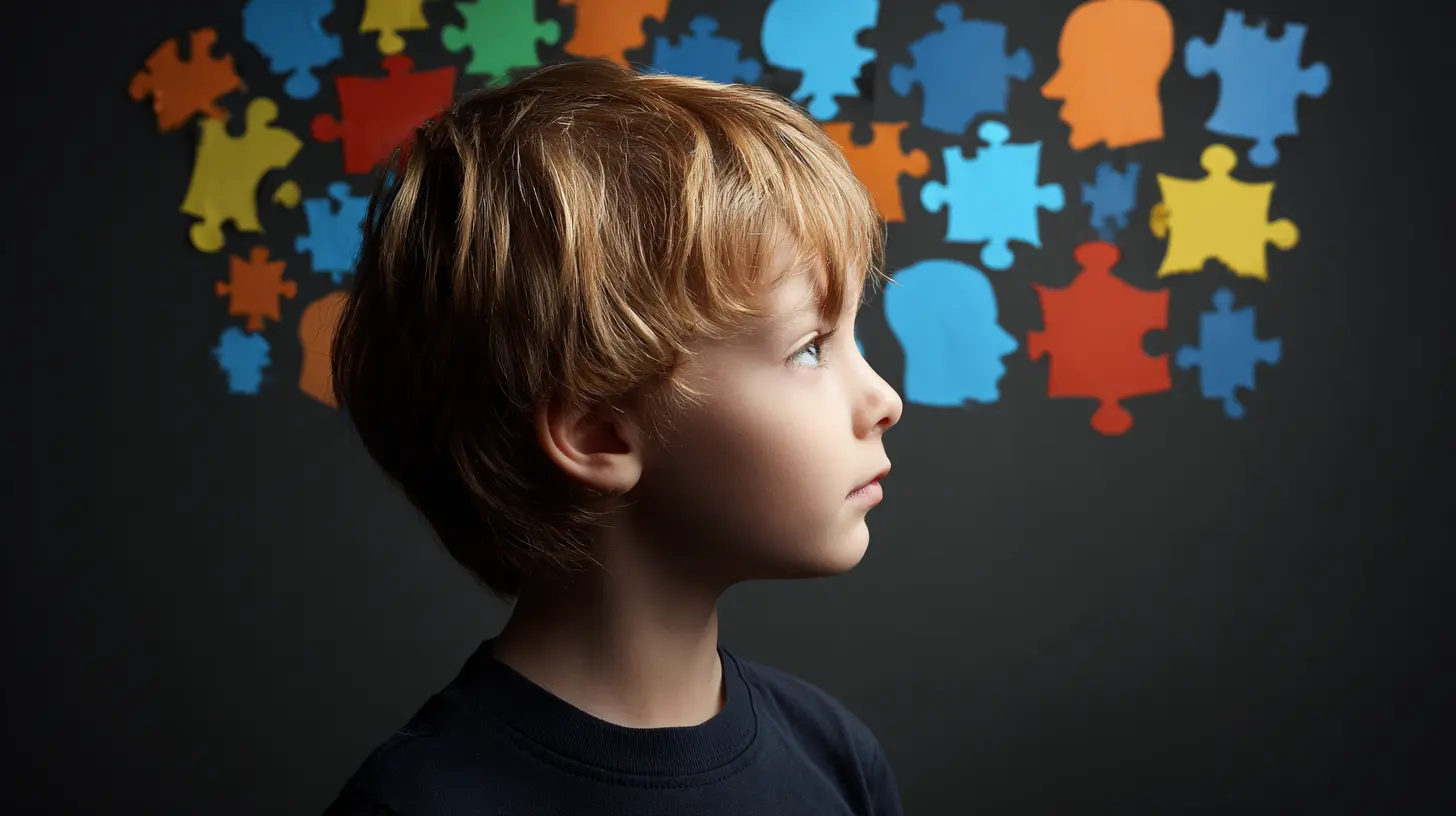
The Problem with Expecting "Normal"
Now this part’s important: when we expect autistic individuals to act neurotypical, we’re not helping them—we're exhausting them.The pressure to “fit in” often leads to something called masking. That’s when someone on the spectrum mimics neurotypical behavior—forcing eye contact, rehearsing small talk, or copying body language. Sounds useful, right? Not quite.
Masking can lead to burnout, depression, and even identity confusion. It's like wearing a costume all day long—eventually, it weighs you down.
So let’s ask the real question. Should we be teaching autistic people to “fit in,” or should we be learning how to meet them halfway?
Rethinking What “Success” Looks Like
We need to redefine what successful social interaction means. For too long, we’ve seen it as something that looks, sounds, and feels neurotypical. But success can take many forms, like:- Feeling safe and understood in a conversation.
- Being able to express a need clearly.
- Having one authentic friendship instead of five superficial ones.
Let’s be clear—autistic individuals aren’t broken versions of neurotypical people. They’re complete in their own right, just wired differently.
Managing Expectations: For Parents, Teachers, and Friends
If you’re someone who cares for or works with an autistic person, you probably want to help them “do better” socially. That’s totally understandable. But the goal shouldn't be to change who they are—it should be to support their growth in a way that respects their identity.Here’s how you can manage your expectations and create a more inclusive environment:
1. Recognize Progress Over Perfection
Don’t expect instant mastery. Social growth may be slow, subtle, and non-linear. Celebrate small wins—like initiating a conversation or asking a question—because they matter.2. Ditch the “Eye Contact” Obsession
Eye contact is not the holy grail of communication. In fact, for many autistic people, it’s uncomfortable or even painful. Communication is more than just eye contact—let them show you how they connect.3. Honor Preferred Communication Styles
Some autistic individuals may prefer texting over phone calls, or written instructions instead of verbal ones. This isn’t laziness—it's strategy. Respect their methods.4. Be Patient, Not Pitying
Patience shows respect. Give them the space and time needed to respond without jumping in to "save" them. But don’t confuse this with pity—autistic people don’t need rescuing, they need understanding.5. Encourage Authentic Relationships
Push for quality, not quantity. One deep, genuine connection can be worth more than a thousand casual acquaintances. Help them find their tribe, not force them into the crowd.Tips for Autistic Individuals Navigating Social Life
If you’re on the spectrum and reading this—first, you’re awesome. Second, you’re not alone. Social interaction can be a challenge, but it’s not a test you have to ace. Here are some practical, no-nonsense tips:1. Know Your Limits
You don’t have to say “yes” to every invitation. Give yourself permission to leave early, take breaks, or decline altogether.2. Create Scripts—but Keep Them Flexible
It’s okay to prepare what you’ll say in new situations. Think of them as mental note cards. Just don’t stress if the conversation doesn’t go as planned. You’re human, not a robot.3. Use Social Stories or Visual Aids
These tools can help you understand what to expect in various scenarios—from job interviews to dinner parties. They aren’t childish—they’re practical.4. Ask for Feedback from Someone You Trust
A family member, therapist, or friend can help you understand how you come across in social settings—without judging you. Use that insight to grow, not to shame yourself.5. Practice Self-Compassion
You don’t have to be “on” all the time. Sometimes you’ll make mistakes. That’s okay. Everyone does. The goal is growth, not perfection.The Role of Therapy and Support Networks
Therapies like Speech and Language Therapy or Social Skills Groups can be helpful—but only if they respect autism as a difference, not a defect.Group sessions can provide a safe space to practice real-life scenarios. But beware of programs that push assimilation over authenticity. The best therapies help autistic individuals express themselves more effectively, not more neurotypically.
Family and community support also play a huge role. When friends and family understand and accept the unique way someone communicates or socializes, it creates a much more inclusive vibe.
The Takeaway: Embrace, Don’t Erase
Let’s be brutally honest—there's no magic switch for social skills. And trying to “normalize” autistic behavior for the sake of comfort isn’t just unfair, it’s harmful.Instead, let’s:
- Acknowledge the unique social challenges autistic people face.
- Accept that communication and connection look different for everyone.
- Adjust our expectations to be more inclusive and less demanding.
Managing expectations doesn’t mean lowering them. It means fine-tuning them to support realistic, respectful, and affirming interactions.
Autistic people don’t need to be changed—they need to be actually seen, heard, and valued for who they truly are.
So next time you’re in a conversation and something feels a little “off” by neurotypical standards, pause. Check in with your biases. And remember—the goal isn’t to fix the person in front of you, it’s to build a bridge between different ways of being human.
all images in this post were generated using AI tools
Category:
AutismAuthor:

Paulina Sanders
Discussion
rate this article
1 comments
Yolanda Green
This article offers valuable insights on supporting individuals with autism. Understanding their unique journey can truly make a difference... Thank you!
June 1, 2026 at 3:03 AM
Paulina Sanders
Thank you for your kind words! I'm glad you found the insights helpful. Supporting individuals with autism is so important.