Depression and the Digital Age: What to Expect in 2026
20 April 2026
Depression. It's a word that seems to hang in the air, heavy and often misinterpreted. In a world where "likes" and "shares" are the currency of connection, the digital landscape can feel like a double-edged sword. On one hand, it offers a platform for support and community; on the other, it can deepen our sense of isolation and despair. So, as we gaze into the crystal ball and think about what 2026 might hold for those grappling with depression, let's unpack the intricate relationship between mental health and our increasingly digital lives.
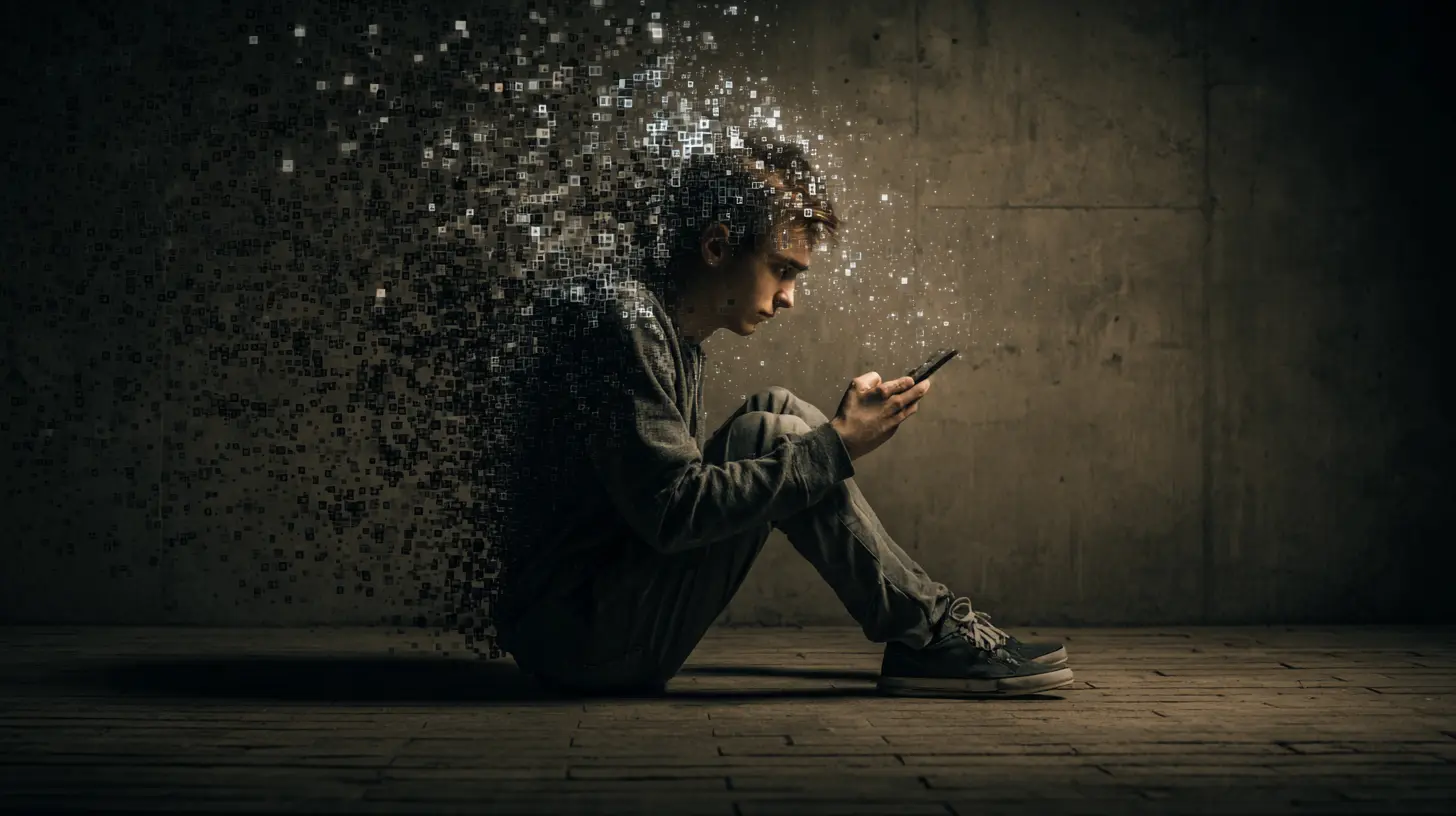
The Current State of Depression in the Digital Age
Before we dive into the future, it’s essential to understand where we stand today. According to the World Health Organization, over 264 million people globally suffer from depression. The rise of social media has exacerbated this issue in many ways. Platforms designed to connect us can also amplify feelings of inadequacy, loneliness, and anxiety. Have you ever found yourself scrolling through Instagram, feeling like everyone else is living a picture-perfect life? That’s not just you—it's a widespread phenomenon.Social Media: A Double-Edged Sword
Social media can be a powerful tool for connection, allowing people to share their stories and struggles, thus creating a sense of community. However, the constant barrage of curated images and highlight reels can lead to unhealthy comparisons. It’s like sitting at a feast while only being served crumbs. You see everyone else’s success, but it only magnifies your own feelings of inadequacy.The Rise of Online Therapy
On a brighter note, the digital age has ushered in new avenues for support. Online therapy platforms, like BetterHelp and Talkspace, have made mental health services more accessible than ever. Imagine being able to connect with a therapist from the comfort of your couch, in your pajamas, sipping on your favorite tea. Sounds cozy, right? In 2026, we can expect these services to become even more prevalent, likely incorporating AI technology to provide personalized support.
Expectations for 2026: The Digital Landscape
As we look ahead, the intersection of depression and technology will undoubtedly evolve. Here are a few predictions that might shape our mental health landscape come 2026.Increased Use of AI in Mental Health
Artificial Intelligence is making waves in various sectors, and mental health is no exception. By 2026, we can expect AI to play a more prominent role in diagnosing and treating depression. Imagine being able to chat with a virtual therapist who learns your patterns and preferences, providing tailored advice based on your specific needs. It may sound like sci-fi, but we're inching closer to that reality.Virtual Reality Therapy
Picture this: you put on a VR headset and are transported to a serene beach. The waves are crashing, the sun is shining, and you can feel your stress melting away. Research is already showing that virtual reality can be an effective tool for treating anxiety and phobias. By 2026, we might see VR therapy become a mainstream treatment option for depression, providing immersive environments that help improve mood and alter perceptions.Digital Support Communities
Online communities for mental health support are already thriving, but in 2026, these spaces will likely become even more robust. Imagine forums where people can connect over shared experiences, participate in guided discussions, or even attend virtual workshops on coping strategies. The digital age will continue to foster a sense of belonging for those struggling with depression, transforming the old stigma into a supportive community.
The Role of Social Media in Mental Health
Social media isn't going anywhere; in fact, it's likely to become even more integrated into our daily lives. So, what does this mean for mental health, especially for those experiencing depression?A Platform for Authenticity
In recent years, there’s been a movement towards authenticity on social media. People are starting to share the raw and unfiltered aspects of their lives, including their mental health struggles. In 2026, this trend will likely gain traction, paving the way for a culture where vulnerability is welcomed and celebrated. Imagine scrolling through your feed and seeing real stories of struggle alongside triumph. It could foster a healthier conversation around mental health and encourage others to share their experiences, making it a norm rather than an exception.The Dangers of Misinformation
While social media can be a source of support, it can also be a breeding ground for misinformation. In 2026, as mental health awareness continues to grow, we may see more initiatives aimed at combating false narratives and promoting accurate representation of mental health issues. It’s crucial to discern fact from fiction; think of it as navigating through a thick fog—sometimes it takes time to see clearly.
The Importance of Digital Detox
In a world that's always “on,” taking a step back from technology may become more important than ever. A digital detox isn’t just a trendy term; it’s a vital practice for maintaining mental health. In 2026, we might witness a shift towards prioritizing offline time, with more people recognizing the benefits of unplugging.Reconnecting with Reality
Imagine waking up and not reaching for your phone first thing. Instead, you might choose to meditate, go for a walk, or read a book. By disconnecting from the digital noise, you allow yourself to reconnect with your thoughts, feelings, and the world around you. This practice can be incredibly grounding and may help alleviate feelings of depression.Mindfulness Apps Taking Center Stage
In the coming years, mindfulness and meditation apps are likely to become even more sophisticated. Picture an app that not only guides you through meditation but also adapts to your mood based on your daily check-ins. By 2026, these tools could play a critical role in helping individuals manage their mental health, making mindfulness more accessible.The Future of Treatment Approaches
As we look at potential advancements in treatment approaches for depression, several innovative concepts could reshape how we understand and treat this mental health challenge.Personalized Medicine
The future of mental health treatment may hinge on the concept of personalized medicine. By 2026, it’s plausible that genetic testing and biomarker analysis will help professionals tailor treatments to the individual. Imagine a world where medication and therapy techniques are chosen based on your unique genetic makeup—similar to ordering a custom-made suit that fits you perfectly.Holistic Approaches
The mental health conversation is gradually shifting towards a more holistic approach. By 2026, we may see a greater emphasis on integrating physical health, nutrition, and mental well-being. Think of it as a three-legged stool; if one leg is weak, the entire structure is unstable. Proper nutrition, physical activity, and mental health support will be seen as interconnected.
The Role of Education and Awareness
Education is key in combating stigma and fostering understanding. In 2026, increased awareness about mental health—especially depression—will likely lead to more comprehensive educational programs.Mental Health Curriculum in Schools
Imagine kids in schools learning about mental health just as they do about math or science. By 2026, we could see mental health education becoming a standard part of the curriculum, helping to normalize conversations around feelings and emotions. This proactive approach could empower future generations to seek help sooner and develop healthier coping strategies.Public Awareness Campaigns
As mental health continues to gain attention, we can expect more public awareness campaigns aimed at reducing stigma. Picture billboards, social media campaigns, and community events that spark conversations about mental health. These initiatives can create a culture of openness, making it easier for individuals to seek help without fear of judgment.Conclusion: Navigating the Future of Depression in a Digital World
As we anticipate 2026, the interplay between depression and the digital age is complex and multifaceted. While technology can enhance treatment and foster connections, it also presents challenges that we must navigate carefully. By embracing authenticity, prioritizing mental health education, and leveraging the benefits of technology mindfully, we can work towards a future where mental health is treated with the importance it deserves.Remember, it’s okay not to be okay. Your feelings are valid, and as we move forward, let’s continue to advocate for a world where mental health is prioritized and understood.
all images in this post were generated using AI tools
Category:
Depression AwarenessAuthor:

Paulina Sanders
Discussion
rate this article
1 comments
Robert McAdams
This article astutely highlights the paradox of digital connectivity in relation to depression. While technology may foster community, it often exacerbates feelings of isolation and inadequacy. As we approach 2026, understanding the nuanced relationship between digital interactions and mental health will be crucial for developing effective interventions.
April 23, 2026 at 4:08 AM