Emotional Expression in Children: How to Encourage Healthy Communication
31 December 2025
Let’s be honest—raising kids can be an emotional rollercoaster. One minute they’re laughing like they’ve just heard the world’s funniest joke, and the next, they’re melting down over a broken crayon. Sound familiar?
Emotional expression in children is a big, important deal. The way kids learn to talk about and manage their feelings has a lasting impact on their mental health, relationships, and even how they handle stress later in life. And the big question for us adults—parents, teachers, caregivers—is this: how do we help kids express their emotions in a healthy way?
In this article, we’re diving deep into emotional communication in kids—why it matters, what gets in the way, and how you can help your child become more expressive, emotionally intelligent, and resilient.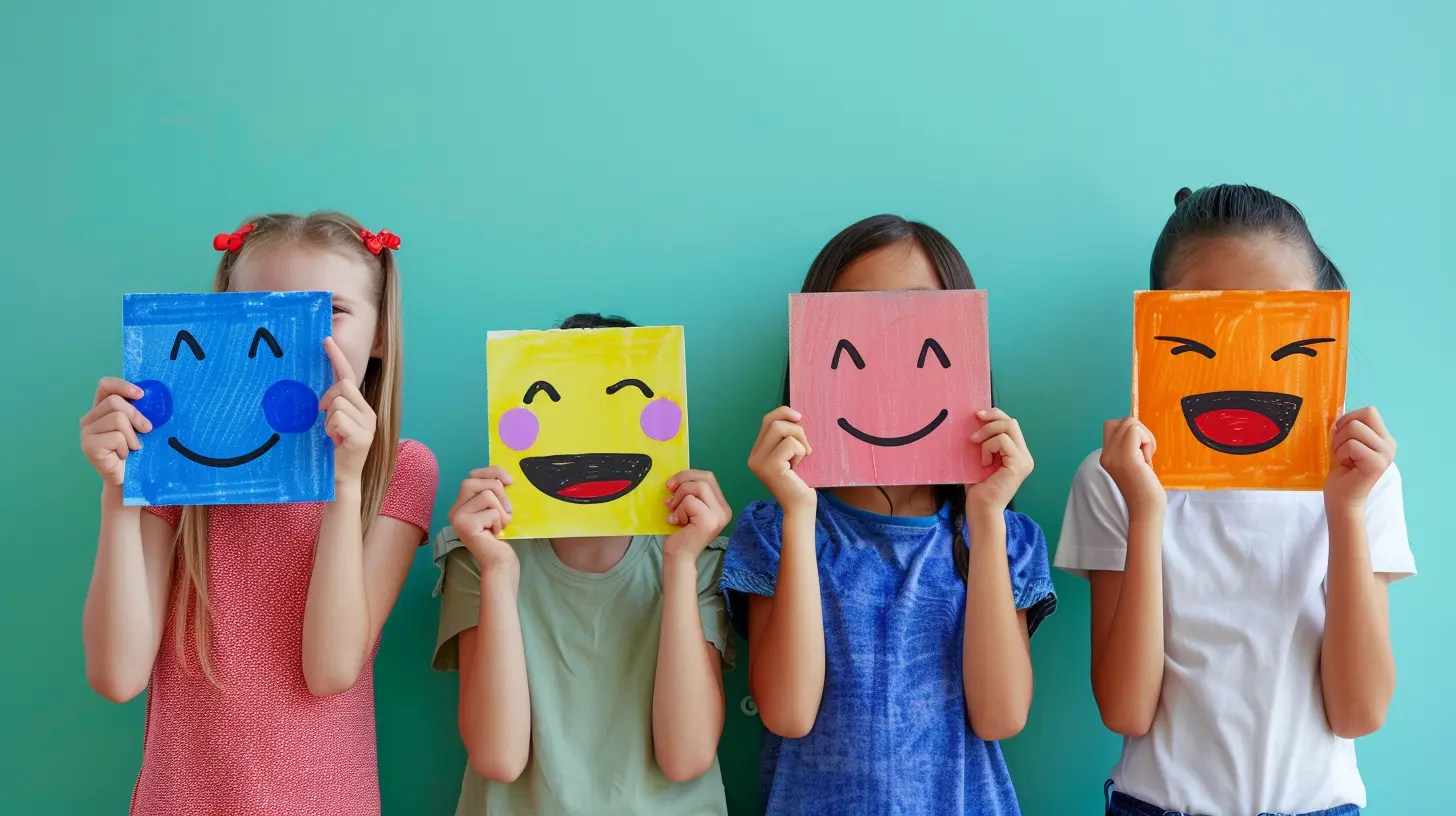
Why Emotional Expression Matters in Childhood
Think about it like this—emotions are like pressure cookers. If kids don’t know how to release that steam safely, things are going to explode. Helping kids talk about what they’re feeling prevents those big breakdowns and teaches them that their emotions are valid and manageable.The Building Blocks of Emotional Health
Healthy emotional expression helps children:- Build strong relationships with others
- Problem-solve more effectively
- Cope with stress and frustration
- Develop empathy
- Enhance self-awareness and self-control
In short, kids who understand and express their emotions tend to thrive emotionally and socially. It’s like giving them an emotional toolkit that they can carry into their teen and adult years.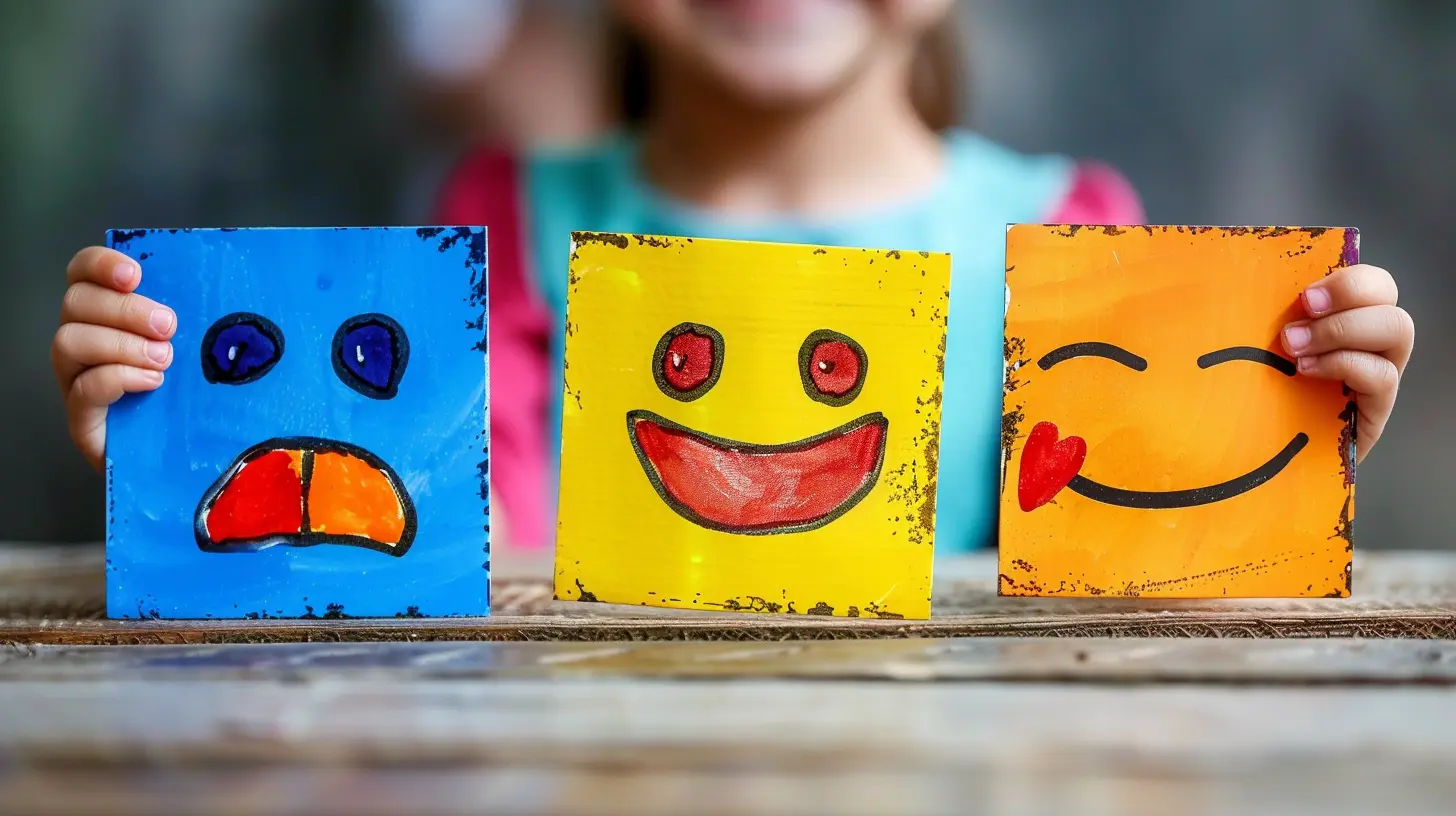
What Stops Kids from Expressing Their Emotions?
Believe it or not, most kids don’t wake up thinking, “How can I stuff all my feelings deep down inside today?” So, what gets in the way?1. Mixed Messages from Adults
Ever caught yourself saying, “Don’t cry,” or “You’re fine,” when your child is upset? Been there. But what kids often hear is: “My feelings aren’t okay.”When adults dismiss or minimize emotions, children start to believe that expressing feelings is wrong or that they’ll be judged for it.
2. Limited Emotional Vocabulary
Imagine trying to explain you’re feeling anxious, but you don’t know the word "anxious." You might say you're “mad” or “weird” or not say anything at all. Kids often fall into this trap because their emotional vocabulary is still developing.3. Overwhelming Feelings
When emotions are big and intense, kids can feel totally flooded. They may act out, shut down, or struggle to explain what’s going on inside.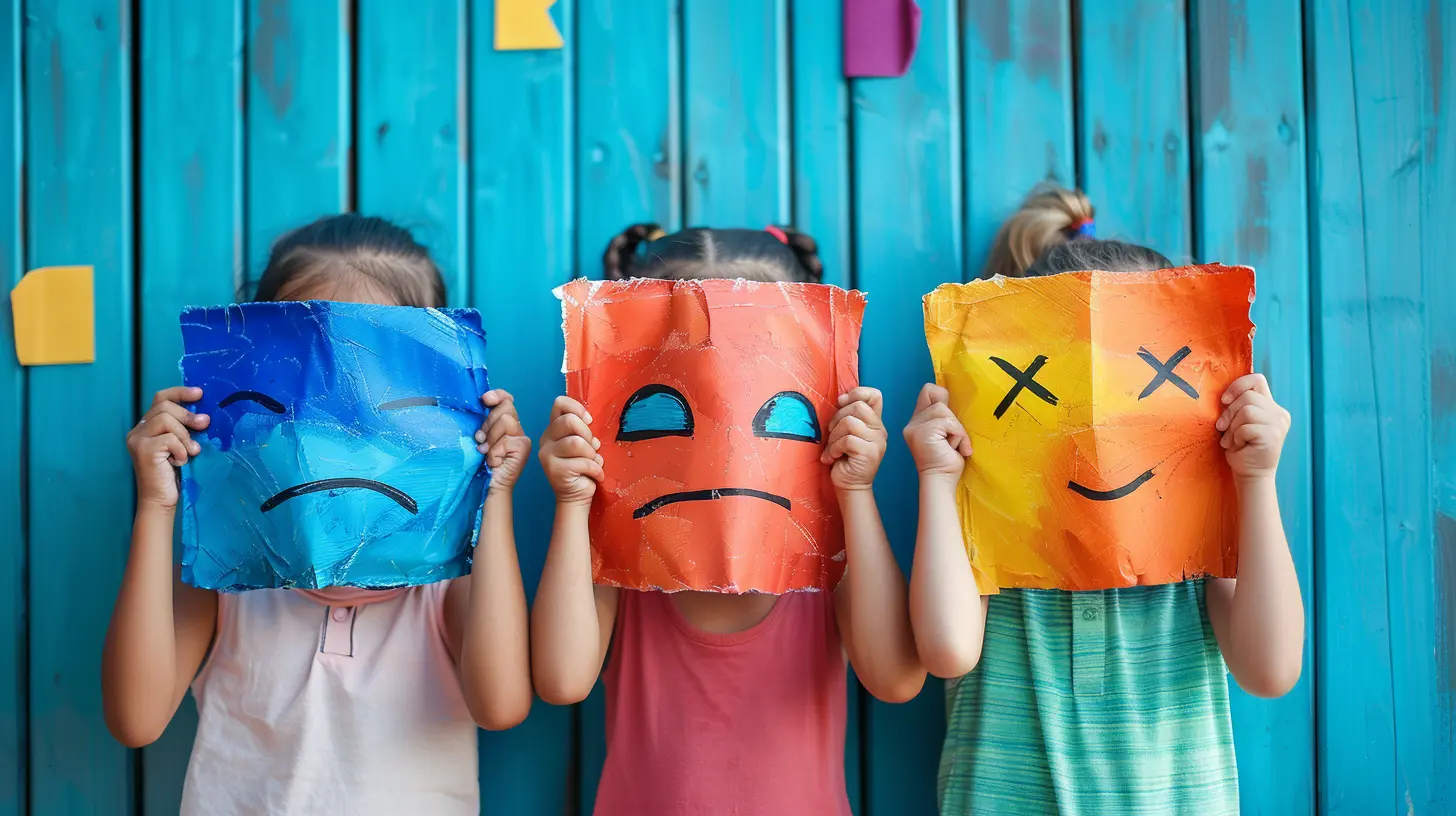
How to Encourage Healthy Emotional Expression in Kids
Here's the good news—you play a HUGE role in helping your child learn to express emotions in a healthy, confident way. Think of yourself as their emotional coach. Let’s break down some strategies that work.
1. Model the Behavior You Want to See
Kids are always watching (even when you wish they weren’t). If you want them to talk about their feelings, they need to see you doing it too.Try saying things like:
- “I’m feeling really frustrated right now because we’re running late.”
- “I was proud of myself for staying calm in that situation.”
- “I felt sad when I didn’t get to talk to my friend today.”
Using real-life moments to model emotional expression makes it feel normal and safe.
2. Teach the Language of Emotions
Think of emotions like colors. If all your child knows is red and blue, it’s going to be tough to paint a full picture. Help them expand their emotional vocabulary with words like:- Confused
- Disappointed
- Nervous
- Excited
- Embarrassed
- Grateful
Use books, games, or even emotional flashcards if that's your thing. Talk about how characters feel in stories you read together. Ask, “How do you think she felt when that happened?”
3. Validate Their Feelings—Even the Tough Ones
Kids need to know their emotions are valid, even when their behavior isn’t ideal. Instead of saying, “There’s no reason to be upset,” try:- “It’s okay to feel disappointed.”
- “You’re feeling really mad right now.”
- “I can see that made you sad.”
Validation doesn’t mean you agree with their reaction—it just means you get where they’re coming from.
4. Create a Safe Emotional Environment
Kids are WAY more likely to open up when they feel safe and not judged. That starts with creating a home or classroom environment where feelings aren’t seen as “bad” or “inconvenient.”Tips for a safe space:
- Listen without interrupting or correcting
- Avoid punishment for emotional outbursts (focus on guiding instead)
- Be present—not just physically, but emotionally
You don’t have to have all the answers. Just being there matters more than you think.
5. Use Play as a Gateway to Emotions
Play is how kids process the world. It’s also your secret weapon for emotional expression.Role-playing with dolls, drawing pictures of feelings, or creating a “feelings journal” can help children express themselves when words feel too hard.
You can also play simple games like:
- Feelings charades
- “Mad, sad, glad” storytelling
- Matching facial expressions to emotion words
Engaging their imagination makes it easier—and a lot more fun—for them to open up.
6. Encourage Emotion Regulation, Not Suppression
It’s natural to want to stop a screaming toddler or a sulky preteen, but the goal isn’t to make the emotions go away—it’s to help kids handle them better.Teach calming strategies like:
- Deep breathing (blow out the candles or smell the flowers!)
- Using words instead of yelling
- Taking a break to cool down
The earlier they start learning these techniques, the more second-nature they become.
7. Help Them Connect Emotions to Triggers
Sometimes kids feel things and have no clue why. You can help by gently connecting the dots.Try saying:
- “You were excited all day, and now you’re really tired.”
- “That movie was kind of scary—you might still be feeling a bit uneasy.”
- “You seemed frustrated after your team lost. Want to talk about it?”
Over time, they’ll get better at identifying what causes their feelings—and figuring out what to do about them.
8. Lift the Shame Around Big Emotions
Anger, jealousy, sadness—sometimes these get labeled as "bad emotions." But there’s no such thing.Help your child understand that all feelings are normal. What matters is how we respond.
Normalize it by saying things like:
- “Everyone feels jealous sometimes.”
- “It’s okay to feel angry—we just need to find a way to express it safely.”
- “Even grown-ups cry. It’s how we let the feelings out.”
When shame exits the room, expression walks in.
9. Be Patient—It’s a Journey, Not a Sprint
Emotional growth doesn’t happen overnight. There will be setbacks. Tantrums. Silent treatments. All part of the package.But with every conversation, every listening ear, every moment of connection—you’re building something powerful.
Keep showing up. Keep modeling. Keep creating space.
Your child is learning more than you know.
Final Thoughts
Helping children express their emotions is one of the most important things we can do to set them up for a healthier, happier future. It’s not about fixing their feelings or making them act like little adults. It’s about giving them the tools to understand, communicate, and manage their inner world.So next time your child is stomping their feet or crying over spilled milk, take a deep breath and remember—you’re helping them build emotional muscles. And like any good workout, it’s going to take some practice.
But trust me—it’s worth it.
Bonus Tips for Everyday Life
- Create a "feelings chart" for younger kids—let them point to how they're feeling- Build routines that allow time for check-ins (“How was your day? What was the best/worst part?”)
- Watch emotionally rich movies and discuss character feelings
- Celebrate emotional wins! (“You stayed calm even though your toy broke—that’s awesome!”)
When to Seek Help
If your child consistently has trouble expressing emotions or shows signs of intense mood swings, withdrawal, or aggression, it might be time to check in with a pediatrician or child psychologist. There's no shame in asking for help—it's just another way of supporting your child’s emotional journey.all images in this post were generated using AI tools
Category:
Emotional ExpressionAuthor:

Paulina Sanders
Discussion
rate this article
2 comments
Aria Wolfe
Great insights on fostering emotional expression in kids! Encouraging open communication not only strengthens their emotional intelligence but also builds stronger relationships. Let's empower our little ones to share their feelings confidently!
January 30, 2026 at 5:47 PM
Paulina Sanders
Thank you! I'm glad you found the insights valuable. Empowering kids to express their emotions is crucial for their development and relationships.
Niko Morgan
Great insights! Encouraging open emotional expression is vital for children's healthy development and relationships.
January 14, 2026 at 5:26 AM
Paulina Sanders
Thank you! I appreciate your support and agree that fostering emotional expression is crucial for children's development.