Exploring the Connection Between Emotional Expression and Creativity
16 August 2026
Creativity is like a wildfire—sometimes it sparks unexpectedly, and other times it smolders beneath the surface, waiting for the right moment to blaze into something extraordinary. But what fuels this fire? Could our deepest emotions, the ones we often suppress or struggle to express, be the secret behind our most profound creative breakthroughs?
Artists, writers, musicians, and creators of all kinds have long been known for their emotional intensity. Some of history’s greatest masterpieces were born from pain, love, despair, or euphoria. But what is the true relationship between emotional expression and creativity? Does expressing emotions make us more innovative? Let’s dive deep into this fascinating connection.
The Science Behind Emotion and Creativity
Emotions are powerful. They shape our thoughts, influence our decisions, and dictate our actions. But how exactly do they affect creativity?The Emotional Brain and Creative Thinking
Our brain plays a crucial role in this connection. The limbic system, particularly the amygdala, processes emotions, while the prefrontal cortex is responsible for complex problem-solving and innovation. When these two areas communicate effectively, creativity flourishes.Studies have shown that strong emotional experiences can activate neural pathways that enhance divergent thinking—the ability to generate multiple ideas or solutions. This is one of the core components of creative thought.
Emotional Arousal: The Key to Innovation
Ever noticed how some of your most creative ideas come when you're feeling overwhelmed by emotion? That’s because emotional arousal (whether positive or negative) can push the brain into a heightened state of alertness.When we experience intense emotions, neurotransmitters like dopamine and norepinephrine flood the brain, increasing motivation and cognitive flexibility. This allows us to make unexpected connections between ideas, leading to innovative insights.
How Different Emotions Shape Creativity
Not all emotions fuel creativity in the same way. Some emotions inspire imagination, while others act as barriers. Let’s break it down.1. Sadness and Melancholy: The Artist’s Muse
Throughout history, some of the most emotionally moving works of art, literature, and music have stemmed from pain and sorrow. Why? Because sadness encourages deep introspection.When people experience sadness, they often turn inward, examining their thoughts and feelings more closely. This inward focus can enhance creative problem-solving, leading to profound artistic expression.
Think about Vincent van Gogh’s paintings or Sylvia Plath’s poetry—both were deeply influenced by emotional suffering, yet their works continue to inspire generations.
2. Happiness and Joy: The Catalyst for Playfulness
While sadness fosters introspection, happiness fuels playfulness and experimentation. People in a joyful state tend to take more risks, try new approaches, and engage in free-flowing creativity.Happy emotions boost dopamine levels, which encourages curiosity and exploration. This is why children, who often experience pure joy, are some of the most imaginative beings on the planet.
3. Anger and Frustration: The Power of Rebellion
Anger might seem like a destructive force, but in the realm of creativity, it can be incredibly powerful. Frustration often leads to disruption—questioning the status quo and seeking new solutions.Many social movements, revolutionary art pieces, and groundbreaking inventions were fueled by anger. When channeled constructively, this intense emotion can spark change and innovation.
4. Fear and Anxiety: The Unexpected Boost
Fear is usually seen as an obstacle, but in moderate doses, it can enhance creativity. When faced with uncertainty or fear, the brain goes into problem-solving mode, scanning for new ways to adapt and overcome obstacles.Some of the best horror stories, suspenseful films, and dramatic performances come from creators who tap into their deepest fears and translate them into powerful narratives.
Emotional Expression as a Creative Outlet
Bottling up emotions can stifle creativity. When we suppress our feelings, we also suppress the thoughts, ideas, and inspirations that come with them. That’s why emotional expression is such a crucial part of the creative process.Journaling: The Unfiltered Flow of Ideas
Writing down emotions in a journal can serve as a creative release. Many famous writers, such as Virginia Woolf and Anne Frank, kept detailed journals that later inspired their most memorable works.By putting emotions into words, we externalize them, making space for creative insights and storytelling.
Art and Music: Speaking Without Words
For those who struggle to verbalize their emotions, visual arts and music provide a powerful medium. Abstract paintings, soulful melodies, and expressive dance movements allow individuals to communicate feelings in ways that words cannot.Have you ever listened to a song that perfectly captured an emotion you couldn’t explain? That’s the magic of creative emotional expression.
Acting and Role-Playing: Stepping Into Another’s Shoes
Acting is another way to channel emotions into creativity. By stepping into a character’s shoes, actors experience and express profound emotions, crafting performances that feel raw and authentic.Similarly, role-playing—whether in theater, storytelling, or even brainstorming sessions—encourages creative thinking by allowing individuals to explore different perspectives.
Overcoming Emotional Blocks to Creativity
While emotions can fuel creativity, they can also hinder it. Anxiety, self-doubt, and emotional exhaustion often lead to creative blocks. How can we overcome these barriers?1. Practice Emotional Awareness
Understanding and acknowledging emotions is key. Instead of avoiding difficult feelings, embrace them. Ask yourself: What is this emotion trying to tell me? How can I use it creatively?2. Create Without Judgment
Fear of failure often kills creativity. Allow yourself to create freely without worrying about perfection. Some of the greatest works of art started as messy, unpolished ideas.3. Engage in Mindfulness and Meditation
Mindfulness practices help regulate emotions, reducing stress and increasing self-awareness. Many artists and writers use meditation to clear mental clutter and make way for creative inspiration.4. Use Movement to Release Emotions
Physical activities like dancing, running, or even gesturing expressively while brainstorming can help release pent-up emotions, refreshing the mind for new ideas.Final Thoughts
Emotional expression and creativity are deeply intertwined. Whether through sadness, joy, anger, or fear, our emotions shape the way we create and innovate. Suppressing emotions can stifle artistic flow, while embracing them can unlock limitless inspiration.The next time you feel overwhelmed by emotion, instead of pushing it away, try channeling it into something creative. Write a poem, paint a picture, compose a song, or simply let your mind wander freely. You might be surprised at the beauty that emerges from your feelings.
After all, isn’t creativity just another way of speaking the language of the soul?
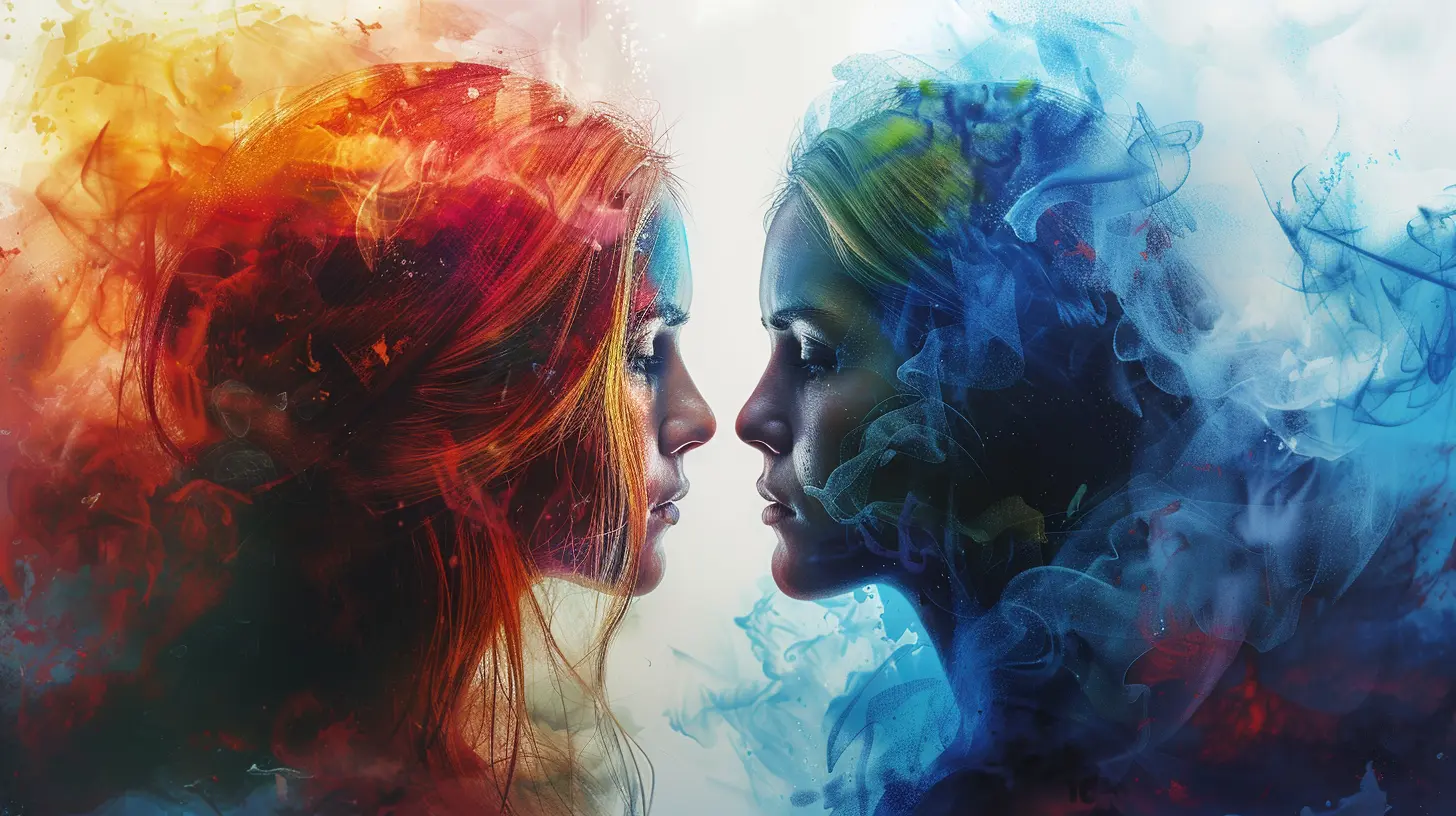
all images in this post were generated using AI tools
Category:
Emotional ExpressionAuthor:

Paulina Sanders
Discussion
rate this article
1 comments
Oliver Spencer
Great insights! Emotional expression truly fuels creativity.
September 6, 2026 at 4:55 PM
Paulina Sanders
Thank you! I'm glad you found it insightful. Emotional expression really is at the heart of creative work.