Exploring the Role of Art Therapy in Healing Emotional Wounds
4 September 2026
Let’s be honest — we've all been through something. A heartbreak, trauma, depression, anxiety — you name it. Emotional wounds are part of being human. But here's the kicker: most of us walk around carrying these wounds like invisible luggage, pretending they're not there.
That's where art therapy steps in. You know how doodling in the corner of your notebook or splashing paint on a canvas can sometimes feel… oddly satisfying? Turns out, that feeling's not just in your head. It’s deeply rooted in psychology. Art therapy taps into our creative side — the non-verbal, emotional part of us — to bring healing.
So, let’s talk about it. What is art therapy really? How does it help us heal? Can coloring actually help process trauma? Let's dive into the colorful world of healing emotions through art.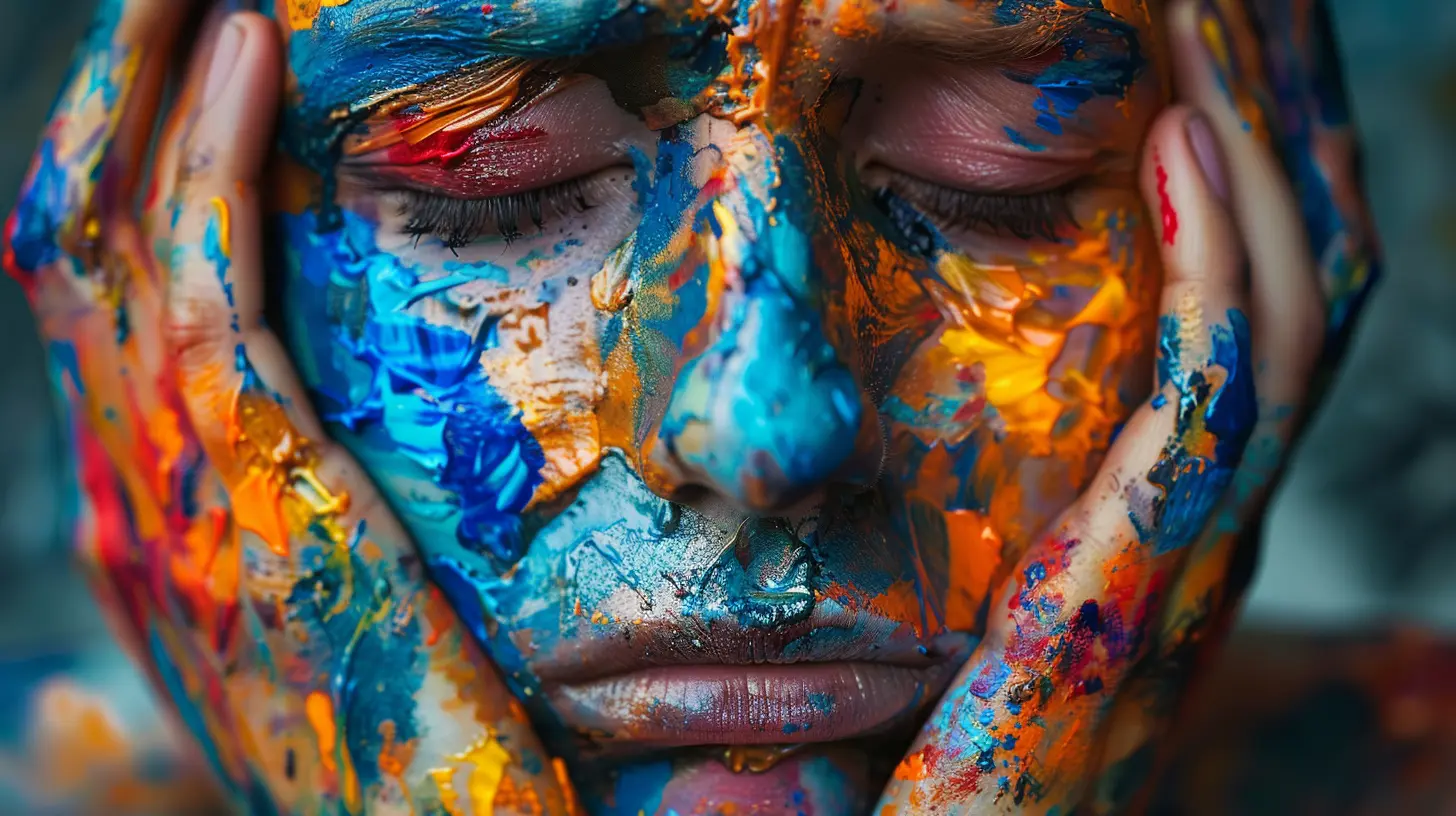
What Is Art Therapy, Exactly?
Art therapy is a form of psychotherapy that uses creative processes like painting, drawing, sculpting, or even collage to help people express and understand their emotions. It's not about creating a masterpiece for your living room. Nope — it’s about using art as a mirror to your inner world.Picture this: instead of trying to describe your trauma in words (which can feel impossible, honestly), you paint how it feels. Maybe it turns into a swirling mess of colors, or dark shadows looming over a small figure. That’s the magic — emotions expressed without a single sentence spoken.
Licensed art therapists guide individuals through this creative process. They’re trained in both psychological theory and various art techniques. So don’t worry, you don’t have to be Picasso to benefit.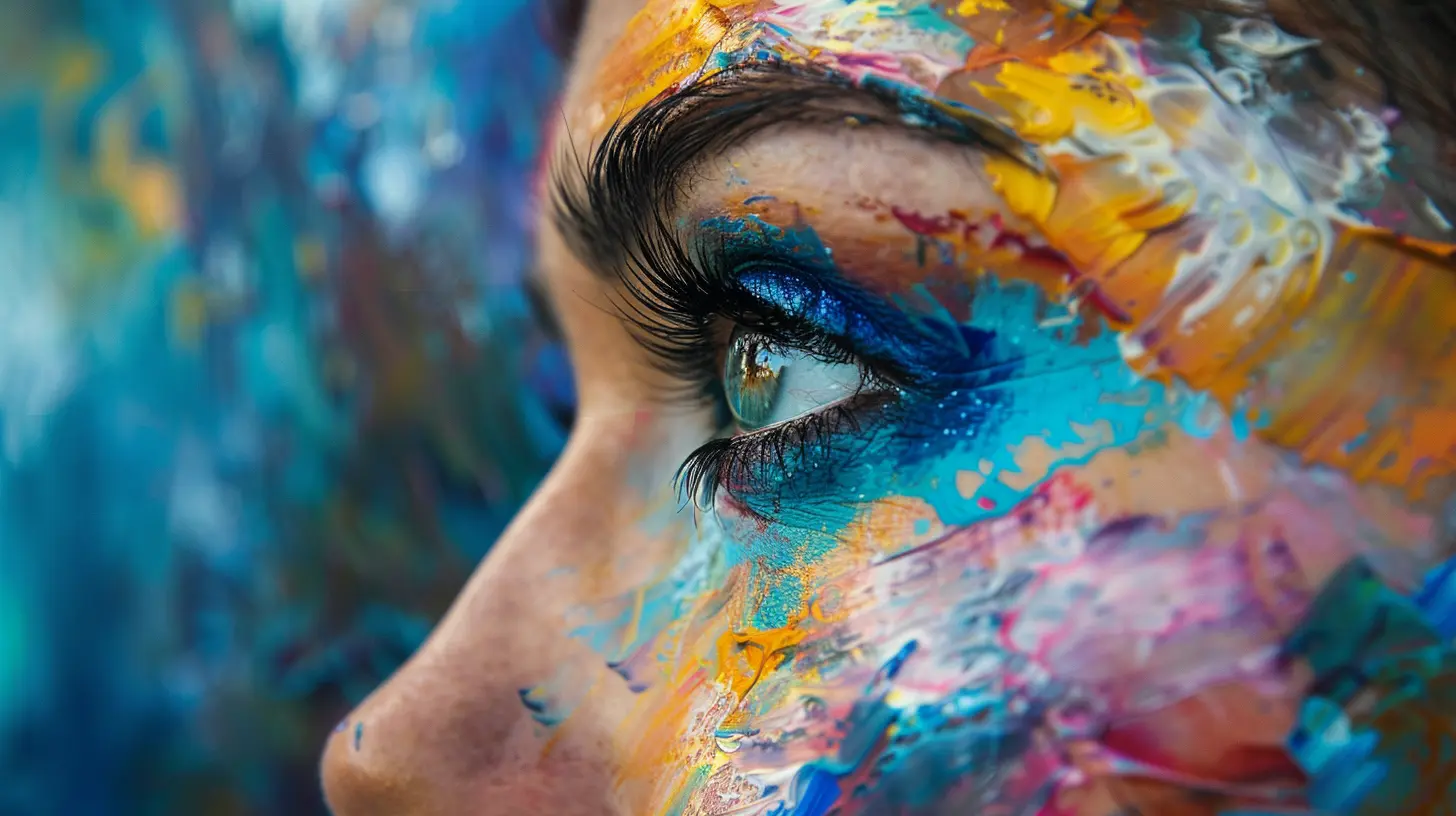
The Psychology Behind Art Therapy
Emotionally speaking, our brains are kinda like a tangled ball of yarn. While traditional therapy aims to untangle it with conversation, art therapy heads for a different route — through the subconscious.Here’s the nerdy part (but hang in there): Creative expression activates the right hemisphere of the brain, which handles emotions, intuition, and imagination. This is the same part that stores traumatic memories and produces strong emotional responses.
When we create something — even a scribble — we tap into these areas. We're not just thinking. We're feeling. And most importantly, we’re processing.
Studies in neuroscience show that creating art increases levels of dopamine and decreases cortisol (aka the stress hormone). So in simple terms: art makes you feel good, safer, and more open.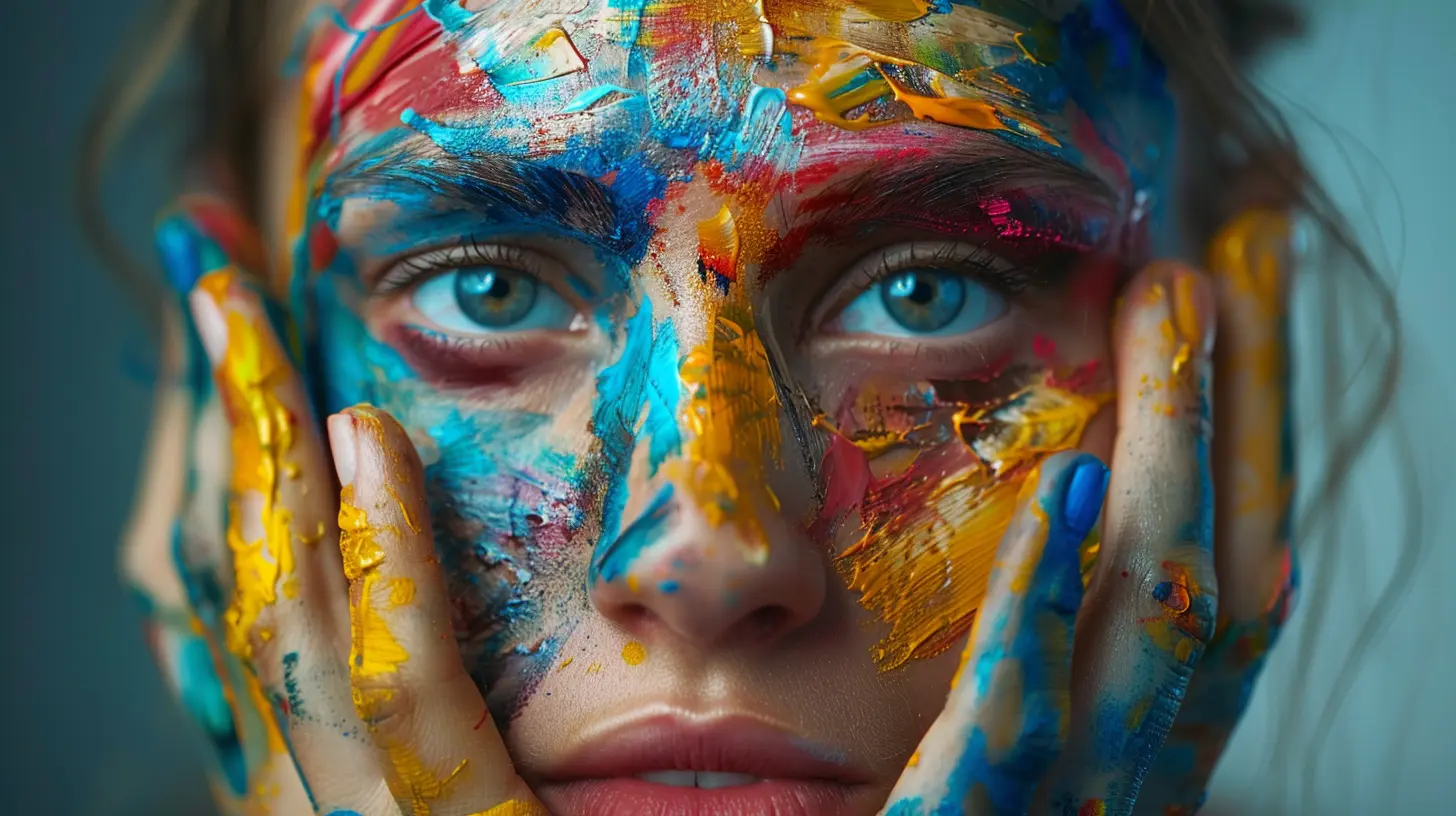
How Art Therapy Helps Heal Emotional Wounds
Now, let's unpack how making art can actually help with emotional healing. Spoiler alert: It goes deeper than you might think.1. Gives Form to the Abstract
Emotions can feel vague and overwhelming. Ever said, "I don’t even know what I’m feeling"? Art gives shape to those chaotic inner storms.Instead of trying to define your sadness, you can draw it. That big, heavy, blue figure you painted? That might just be your depression speaking through color.
It’s like giving your feelings a face and a name. And once something has shape, it becomes easier to understand… and eventually, to heal.
2. Unlocks the Subconscious
Most emotional wounds — PTSD, childhood trauma, repressed grief — are buried deep in our subconscious. Talking about them doesn’t always cut it. But art? It sneaks in the back door.Creating art allows your subconscious to “speak.” You could be drawing waves without realizing you’re expressing the panic attacks you've been having. Or sketching cages without knowing it's your mental health struggle trying to break free.
Therapists can look at your art and gently ask the right questions to help those hidden emotions rise to the surface — safely.
3. Encourages Emotional Release
You ever feel like you just need to scream into a pillow? Art allows for that kind of emotional release, just in a more creative (and less ear-shattering) way.Throwing paint on a canvas, ripping up paper to make a collage, or even molding clay with intense pressure — all these activities offer safe ways to vent feelings like anger, fear, or sadness.
Think of it like a pressure valve. Rather than exploding, you release all that built-up emotion through your hands.
4. Builds Self-Esteem and Control
Trauma often leaves people feeling powerless and broken. One underrated benefit of making art? You feel in control. You choose the colors, shapes, and images. You decide what the final piece looks like.This autonomy is empowering. It reminds you — maybe even for the first time in a while — that you can make choices, create beauty, and take back control, one brushstroke at a time.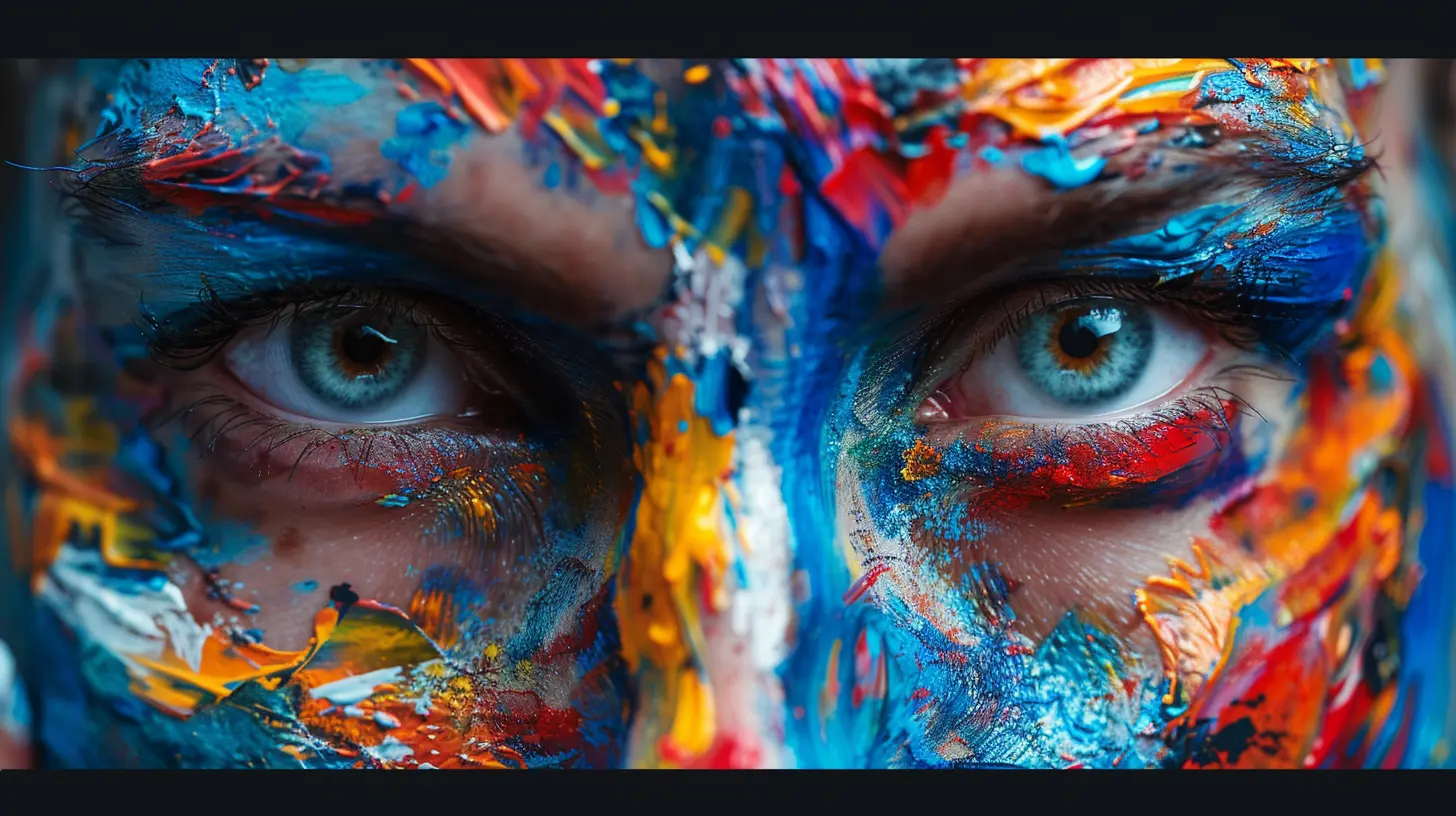
Real-Life Applications of Art Therapy
So, who’s it for? Short answer: everyone. From children to seniors, people facing all kinds of challenges have benefitted from art therapy.Children and Adolescents
Kids often struggle to articulate their feelings. Art gives them a way to express what's going on inside without needing the perfect vocabulary. Therapists might use drawing games or puppet-making to help them process issues like bullying or family problems.Trauma Survivors
Veterans, abuse survivors, or individuals recovering from disasters often find verbal therapy re-traumatizing. Art serves as a gentle, non-verbal bridge to healing.Individuals with Mental Health Disorders
For people dealing with anxiety, depression, bipolar disorder, or schizophrenia, art therapy offers grounding. It’s a way to focus their mind, channel their emotions, and quiet the mental noise.Elderly Adults with Dementia
Even when verbal skills fade, elder patients can still create. Painting or crafting helps stimulate memory, improve motor skills, and bring emotional comfort.Common Art Therapy Techniques You Can Try
You don’t have to be in a therapist's office to experience the benefits of art therapy. Here are some methods you can try yourself:1. Visual Journaling
Instead of a diary full of words, fill it with sketches, colors, or doodles that represent your day or emotions. No rules. Just expression.2. Mandala Drawing
Mandalas are circular designs that promote calm and focus. They’re used in many spiritual practices and are weirdly meditative.3. Collage Creation
Rip up old magazines and create a mood board or visual story. It’s like your emotions turned into a vision board.4. Sculpting with Clay
There’s something deeply satisfying (and kind of primal) about molding clay. It’s hands-on and grounding.5. Color Psychology Paint Sessions
Choose colors that match your mood and paint abstractly — no expectations or judgment. Just color and emotion.The Role of the Therapist in Art Therapy
Of course, while DIY art activities can be healing, a certified art therapist takes it to the next level. They don't just interpret your art like a modern-day Freud with a paintbrush. They collaborate with you.A good art therapist helps you understand the symbolism in your work, guides you through emotional breakthroughs, and supports you when painful memories surface. They create a safe space where you can explore your art — and yourself — without fear or shame.
Common Misconceptions About Art Therapy
Let’s clear up a few myths that might be floating around:- "I can’t draw, so art therapy's not for me." Wrong. Talent doesn’t matter. The goal isn’t to make ‘good’ art. It’s to make honest art.
- "It’s only for kids." Nope. Adults have emotional wounds too. Art therapy is just as useful for grown-ups.
- "Therapists will judge my art." Not at all. Trained therapists look for emotional content, not artistic skill.
- "It’s not real therapy." Actually, it's evidence-based and used in hospitals, mental health clinics, schools, and prisons worldwide.
Final Thoughts: Healing From the Inside Out
Art therapy isn’t a magic cure, but it’s darn powerful. It reaches places traditional therapy might miss. It gives voice to the voiceless parts of our experience and creates a canvas for healing.At the end of the day, healing emotional wounds isn’t about forgetting or pretending everything’s fine. It’s about facing the pain, processing it, and transforming it into something beautiful — even if that beauty is messy, abstract, or full of scribbles.
So grab some colors. Tear up some paper. Don’t overthink it. Let your heart speak through your hands.
Because sometimes, the answer isn’t in the words — it’s in the art.
all images in this post were generated using AI tools
Category:
Mental HealthAuthor:

Paulina Sanders
Discussion
rate this article
1 comments
Taylor McSweeney
This article on art therapy beautifully highlights its potential in healing emotional wounds. The connection between creativity and emotional well-being is profound. It's inspiring to see how art can serve as a powerful tool for expression and healing. Thank you for shedding light on this important topic.
September 9, 2026 at 3:08 AM