Exploring the Theory of Social Comparison: How We Measure Ourselves Against Others
11 February 2026
Have you ever looked at someone’s social media feed and thought, “Wow, they’ve really got it all together”? Don’t worry, you're not alone. We all do it. We compare our lives, our bodies, our jobs, and even our happiness to those around us. It’s a natural part of being human. But why do we do it? And more importantly, how does it affect our mental and emotional well-being?
Welcome to the fascinating world of the Theory of Social Comparison — a psychological concept that explains this all-too-human tendency to measure ourselves against others. In this article, we’re going to break it down, discuss how it impacts our lives, and most importantly, how we can use this understanding to grow positively, rather than letting it weigh us down.
What Is the Theory of Social Comparison?
The theory of social comparison was first introduced by Leon Festinger in 1954. In a nutshell, it suggests that we determine our own social and personal worth based on how we measure up to others. Like holding a mirror up to someone else and seeing ourselves through it.Basically, it’s how you’d know if you're “smart enough,” “successful enough,” or even “fit enough” — not by some universal standard, but by comparing yourself to others in similar situations.
Think of it like this: You're climbing a mountain (life goals), and instead of focusing on your path, you're constantly looking left and right to see how fast others are climbing. Sound familiar?
The Two Main Types of Social Comparison
Festinger’s theory highlights two major ways we compare ourselves:1. Upward Social Comparison
This is when we compare ourselves to people who we think are “better off” than us. Maybe someone has a higher-paying job, a slimmer figure, or more Instagram followers.Pros? This can motivate us. Seeing others succeed can light a fire under us to work harder, do better, and aim higher.
Cons? It can also lead to feelings of inadequacy or low self-worth. The danger starts when we shift from inspiration to jealousy or defeat.
2. Downward Social Comparison
This is when we look at someone who we perceive as “worse off” than us. It might sound a bit harsh, but it often boosts our self-esteem.Pros? It can remind us to be grateful, and realize that our situation isn’t as bad as it could be.
Cons? It might lead to complacency or arrogance. If we always look down, we stop striving to grow.
The key here isn’t to stop comparing—because let’s be real, that’s nearly impossible. It’s about being mindful of how and why we compare.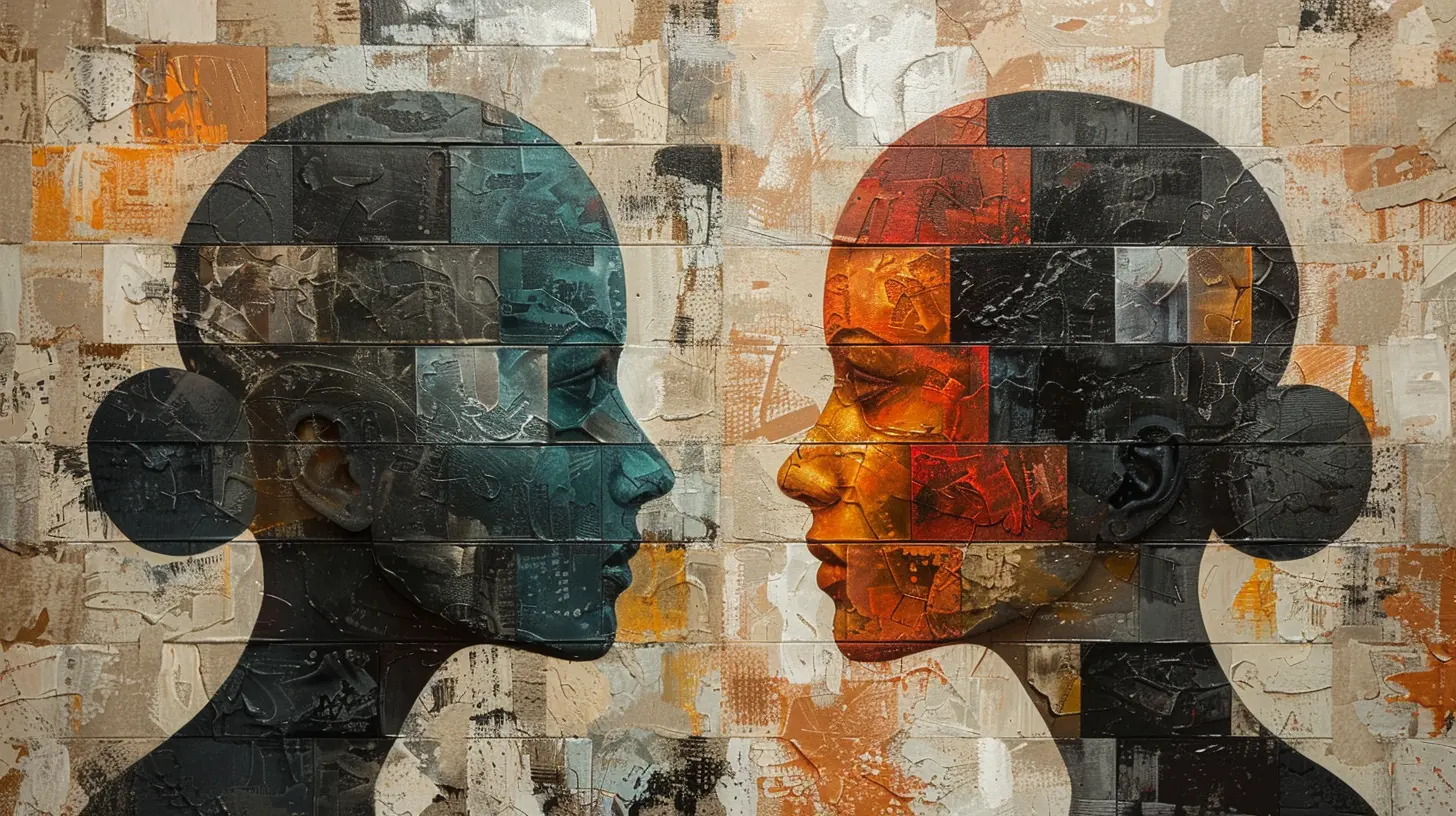
Why Do We Compare Ourselves to Others?
At our core, humans are social creatures. From birth, we look at others to learn — how to speak, how to behave, and how to survive. Social comparison is deeply wired into our psychology.But beyond survival, we also crave belonging and self-evaluation. We want to know where we stand in the social food chain. Are we doing okay? Are we on the right path? Are we accepted?
That’s where comparison sneaks in — not out of spite or jealousy, but from a genuine desire to understand ourselves and our place in the world.
It’s kinda like using others as yardsticks to measure our own progress. The trick is realizing that everyone’s yardstick looks different.
The Social Media Effect: A Comparison Trap
You knew this was coming, right?Let’s be honest — social media is like a highlight reel of everyone’s best moments. Vacations, promotions, flawless selfies, #relationshipgoals... It’s a nonstop stream of everyone's highs, with none of the lows.
So what happens? We start comparing our behind-the-scenes to someone else’s front stage. And that’s not fair — not to them, and definitely not to us.
Psychologists have found links between social media use and increased rates of anxiety, depression, and low self-esteem, especially among teens and young adults. And social comparison plays a huge role in this.
But here’s the good news — once you're aware of this, you can start to take control. You can choose who to follow, what to consume, and how to respond to those comparisons when they arise.
How Social Comparison Affects Mental Health
Let’s dig a little deeper.The Good Side
When used positively, social comparison can:- Motivate us to push our limits
- Help us learn from others
- Give us role models to look up to
- Strengthen social bonds (e.g., “I’m not alone in this”)
The Not-So-Good Side
But when it spirals out of control, it can:- Trigger self-doubt and insecurity
- Lead to jealousy and resentment
- Cause stress and burnout
- Create unrealistic expectations
And here’s the kicker — most of our comparisons aren’t even accurate. We compare our whole lives to tiny curated snippets of someone else’s, often forgetting the full picture.
Breaking Free from Toxic Comparison
Okay, so we can’t stop comparing altogether — but we can change how we react to it. Here are seven super practical ways to shift your mindset:1. Become Aware of Your Triggers
Start paying attention to when and where you compare the most. Is it after scrolling through social media? Talking to a certain friend? Reading too many self-help blogs?Awareness is the first step to breaking any habit.
2. Audit Your Social Media Feed
Your mental health is more important than staying “in the loop.” Unfollow or mute accounts that make you feel inferior. Follow people who inspire you without making you feel “less than.”3. Celebrate Your Own Wins
Big or small — your progress is still progress. Comparing your chapter 3 to someone else’s chapter 20 doesn’t help anyone. You’ve come a long way, even if it doesn’t always feel like it.4. Practice Gratitude
Daily gratitude can shift your focus from what you lack to what you have. Write down three things you’re thankful for each day. It rewires your brain to seek positivity over comparison.5. Use Comparison as a Learning Tool
Instead of thinking, “They’re better than me,” ask yourself, “What can I learn from them?” Flip envy into curiosity. Let others inspire, not intimidate.6. Set Your Own Standards
What does success mean to you? Not your parents, not your boss, not social media. YOU. Define it. Own it. Live it.7. Be Kind to Yourself
No one’s perfect. We’re all works-in-progress, trying to figure life out. And that’s beautiful. Give yourself the same grace you’d give a friend.Finding Self-Worth Outside of Comparison
Here’s the truth bomb: Your worth is not determined by how you measure up to others.It’s in who you are, how you love, how you grow, and how you treat people. You bring something to the table that no one else can — your experiences, your perspective, your energy.
So instead of looking sideways all the time, try looking inward. That’s where real value lies.
And remember, everyone’s journey is different. Some bloom early, some bloom late — but we all bloom in our own time. 🌻
Rewriting the Narrative
Let’s flip the script.Instead of constantly asking, “Am I as good as them?” try asking:
- “Am I better than I was yesterday?”
- “What am I proud of today?”
- “How can I grow from this?”
Because true comparison isn’t with others — it’s with the past version of yourself. And if you’re moving forward, no matter how slowly, you’re already winning.
Final Thoughts: Embrace the Good, Let Go of the Rest
Social comparison isn’t evil. It’s a tool — and like any tool, it can either build you up or break you down depending on how you use it.The goal isn’t to eliminate comparison altogether, but to understand it, control it, and transform it into something that fuels personal growth and joy.
So the next time you catch yourself thinking, “I wish my life looked like theirs,” pause. Breathe. Remind yourself that you're on your own path and it's just as valid, meaningful, and beautiful.
And if no one told you this today — you're doing just fine.
Keep climbing your mountain. One step at a time.
all images in this post were generated using AI tools
Category:
Psychological TheoriesAuthor:

Paulina Sanders
Discussion
rate this article
2 comments
Joel Strickland
This article provides valuable insights into the theory of social comparison, highlighting its impact on self-esteem and behavior. Understanding these dynamics is crucial for personal growth and developing healthier self-perceptions. A must-read for anyone interested in social psychology!
March 11, 2026 at 3:35 AM
Paulina Sanders
Thank you for your thoughtful comment! I'm glad you found the insights valuable. It's important to recognize how social comparison shapes our self-perception.
Shelby Whitley
This article insightfully highlights the nuances of social comparison, illustrating how it shapes our self-perception and influences mental well-being in today's interconnected world.
February 17, 2026 at 5:20 PM
Paulina Sanders
Thank you for your insightful comment! I'm glad you found the discussion on social comparison and its effects on self-perception and mental well-being valuable.