Fostering Secure Attachment in Adopted Children
14 June 2026
When it comes to parenting, nothing tugs at the heartstrings quite like creating a deep, lasting bond with your child. For adoptive parents, that connection may come with a few extra detours and speedbumps. But don’t worry—fostering secure attachment in adopted children isn’t about perfection. It’s about consistency, love, and a whole lot of patience (plus a sprinkle of humor along the way).
Let’s dive into what “secure attachment” really means and how you can become your child’s emotional rock—even if you didn’t get those early baby snuggles from day one.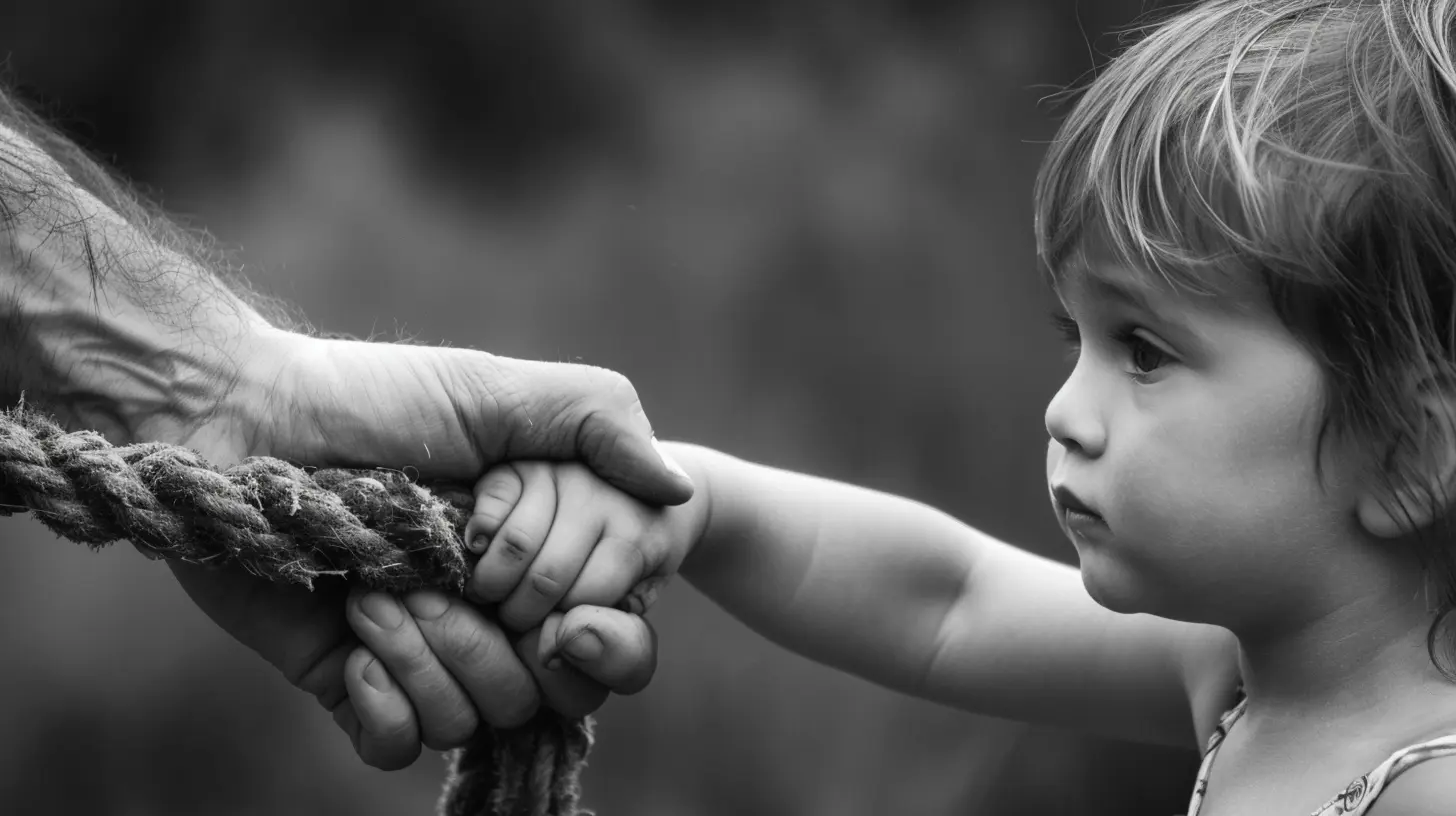
What Is Secure Attachment Anyway?
Think of secure attachment like the seatbelt of emotional development. When it’s fastened properly, your child feels safe and supported, even when life gets bumpy.It’s that invisible bond that says, “Hey, I’ve got your back.” Children with secure attachment trust that their caregiver will meet their emotional and physical needs. This trust sets the stage for healthy relationships, better self-esteem, and increased resilience later in life.
Adopted children, especially those adopted at older ages or from foster care or institutional settings, may not have had consistent caregivers early on. That lack of early stability can make it harder for them to form trust. But—here’s the good news—it’s never too late to build that connection.
Understanding the Unique Attachment Needs of Adopted Children
Before we talk about how to foster attachment, let’s understand why it might be tricky in the first place.1. Early Trauma or Loss
Even if a child was adopted at birth, there’s often a deep sense of loss. For older children, early neglect, abuse, or multiple placements can leave invisible emotional scars.2. Identity and Belonging
Adopted children sometimes struggle with questions like, “Where do I fit in?” or “Why didn’t my birth parents keep me?” Big feelings like these can make trusting anyone a tall order.3. Previous Caregiving Experiences
A child who’s used to inconsistent care may have developed survival behaviors: withdrawing emotionally, pushing people away, or being overly clingy. These aren’t ‘bad behaviors’—they’re survival instincts.So, how do you respond? With grace. With patience. And yeah, with a few deep breaths now and then.
Building Secure Attachment: Step-by-Step
Let’s break this down into a game plan that works in the real world—spit-up, tantrums, and all.Step 1: Be Predictable… Like a Sunrise
Consistency is comforting. You don’t have to be a rigid robot, but children thrive when they know what’s next. Routines around meals, bedtime, and even how you say goodnight send the message: “You can count on me.”Step 2: Respond to Emotional Needs… Even the Whacky Ones
Does your child melt down because they asked for a banana and then got a banana? Yeah, that’s confusing. But instead of correcting them, try connecting.Say something like, “Sounds like you’re having a rough moment. I’m here.” You don’t have to fix the banana debacle—just let them know their feelings are okay and that you’re not going anywhere.
Step 3: Eye Contact, Touch, and Play
Non-verbal cues are a big deal. Gentle eye contact, hugs (when welcomed), and playing together do more for attachment than a mountain of words ever could. Laughter is glue for relationships—don’t overlook the power of silly jokes and goofy moments.Step 4: Empower Their Voice
Adopted kids often feel like life just happens to them. Give them some age-appropriate choices: “Do you want to wear the red shirt or the blue one?” Choices = control, and control = safety.Step 5: Be the Calm in Their Storm
Sometimes your child’s behavior might scream, “I don’t trust you!” even if they’re not aware of it. Your job? Don’t take it personally. Be the anchor in their emotional hurricane.When you stay calm (even if you're seething inside), you send a powerful message: “I’m safe, even when you’re not.”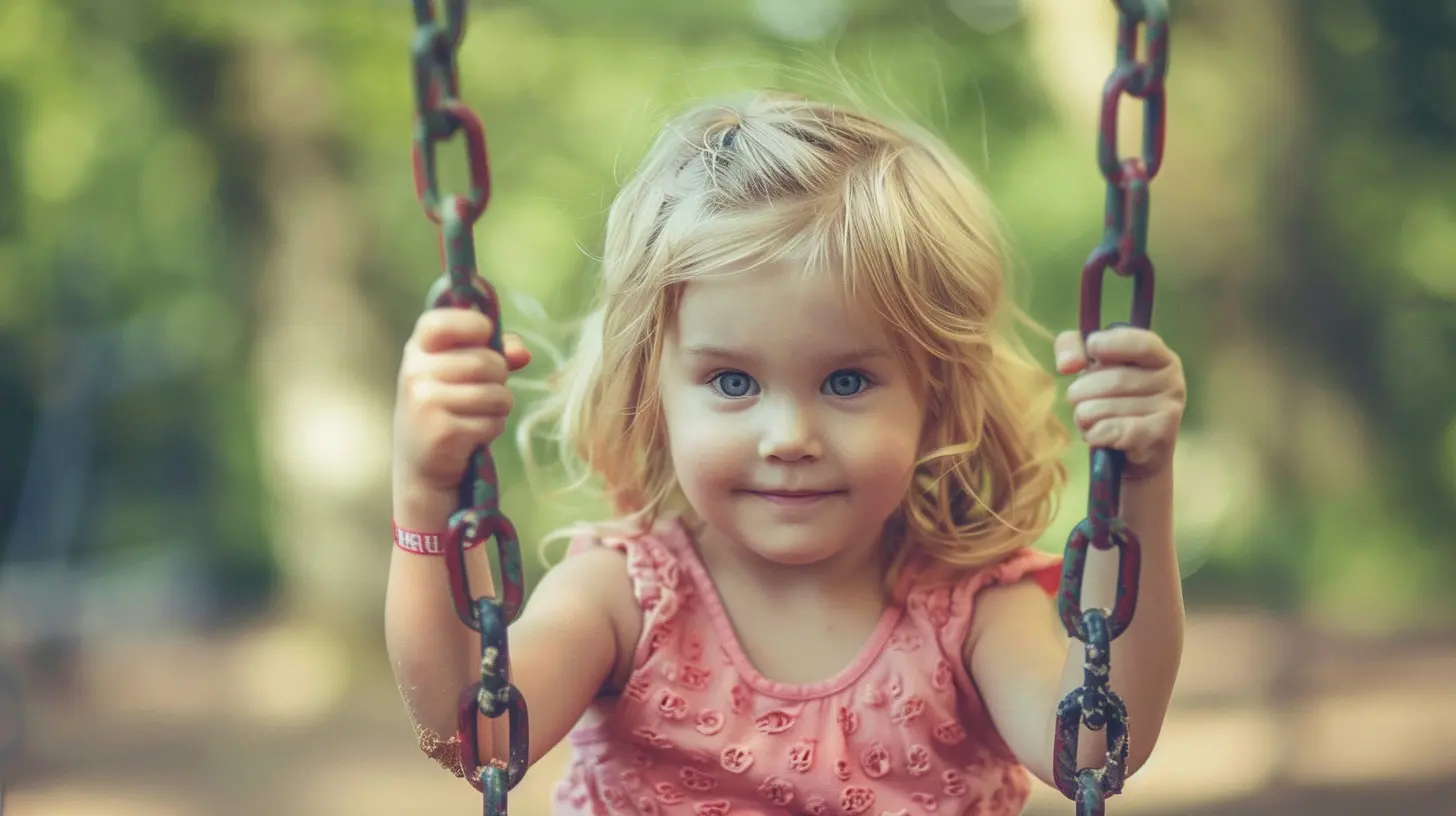
Attachment Is a Marathon, Not a Sprint
One of the hardest things for adoptive parents is not seeing instant results. You might be pouring out love and feel like it’s just bouncing off a brick wall.Here’s the thing: Your child may be testing you to see if you’re going to leave like others have. That might look like rejecting affection, acting out, or pretending not to care.
It’s not about you. It’s self-protection.
Keep showing up. Day after day. Love them when they’re loveable—and especially when they’re not.
The Power of Play in Building Trust
Want a secret weapon in your attachment-building tool kit? Playtime.Free play, board games, role-play—it all counts. Play is how children explore emotions, test boundaries, and build connections.
Try activities that require cooperation, like building something together or playing a two-player game. It sends the message, “We’re a team.”
Got a younger child? Go for physical play—peekaboo, tickling, bouncing. These shared giggles wire the brain for joy, trust, and connection.
Reframing “Bad Behavior”
Your adopted child throws a tantrum or breaks a favorite vase. Before you react, ask yourself: What need is this behavior trying to express?Chances are, it’s not about disobedience—it’s about fear, frustration, or unmet emotional needs.
Instead of consequences, think about connection. Reframe discipline as teaching, not punishing.
You could say: “When you’re upset, your job is to use your words. Let’s try it together.” Boom—teachable moment.
Creating a “Safe Base”
In attachment theory, a caregiver acts like a safe base. That means your child knows they can venture out into the world, and you’ll be right there when they return.So how do you become that safe base?
- Be emotionally available.
- Show empathy.
- Follow through on promises.
- Apologize when you mess up.
Yes, that last one is huge. Saying, “I’m sorry I yelled earlier” models accountability and shows your child that everyone makes mistakes—even grownups.
Attachment Takes a Village
You don’t have to do this alone. Therapy (especially attachment-based therapy) can work wonders for both you and your child.Support groups for adoptive parents also offer a safe space to share struggles, swap ideas, and realize—hey, you’re not the only one who feels overwhelmed.
Things to Avoid When Fostering Attachment
Let’s switch gears for a sec and touch on some no-nos. These are things that can accidentally block connection, despite good intentions.❌ Ignoring Emotions
Brushing off a child’s feelings with “You’re fine” or “Stop crying” can shut down emotional expression.❌ Time-Outs as Isolation
For kids with attachment issues, time-outs might feel like abandonment. Instead, try a calm-down corner that you sit in together.❌ Overwhelming With Affection
Some adopted kids may find too much physical affection overwhelming. Take cues from your child, and respect their boundaries.Celebrating Small Wins
Did your child make eye contact today? Accept a hug? Say “I love you” for the first time?Celebrate it. Seriously.
Attachment isn’t made in grand gestures—it’s made in the tiny, daily moments of trust being built and rebuilt.
Final Thoughts: You’re Doing Better Than You Think
If you’re reading this, it means you care deeply about your adopted child’s emotional well-being. And that’s already half the battle won.The road to secure attachment is rarely smooth, but it's filled with opportunities for growth—for both of you.
So don’t worry if you don’t have all the answers (who does?). Just keep showing up, loving fiercely, and embracing the messy beauty of building a bond that lasts a lifetime.
Your child doesn’t need a perfect parent. They need a present one.
all images in this post were generated using AI tools
Category:
Attachment TheoryAuthor:

Paulina Sanders
Discussion
rate this article
1 comments
Arlo Jones
What a heartwarming read! Nurturing secure attachments in adopted kids sounds like a beautiful journey. It's like planting seeds of love that grow into strong, healthy connections. Keep shining!
June 23, 2026 at 4:51 AM
Paulina Sanders
Thank you! Nurturing those connections is truly rewarding, and I'm glad you found it heartwarming!