Holidays and Autism: How to Make Celebrations More Inclusive
29 January 2026
The holiday season is often synonymous with joy, laughter, and get-togethers. But let’s be real—it can also be loud, overwhelming, and, let’s be honest, a bit chaotic. Now, imagine navigating the sensory overload, constant change in routine, and social expectations through the lens of someone with autism. Yeah, it’s not exactly a winter wonderland for everyone.
So how do we make holidays actually inclusive for neurodiverse individuals, especially those on the autism spectrum? That’s what we’re diving into today. Whether you're a parent, friend, teacher, or just a compassionate human, this guide is your go-to for celebrating without excluding.
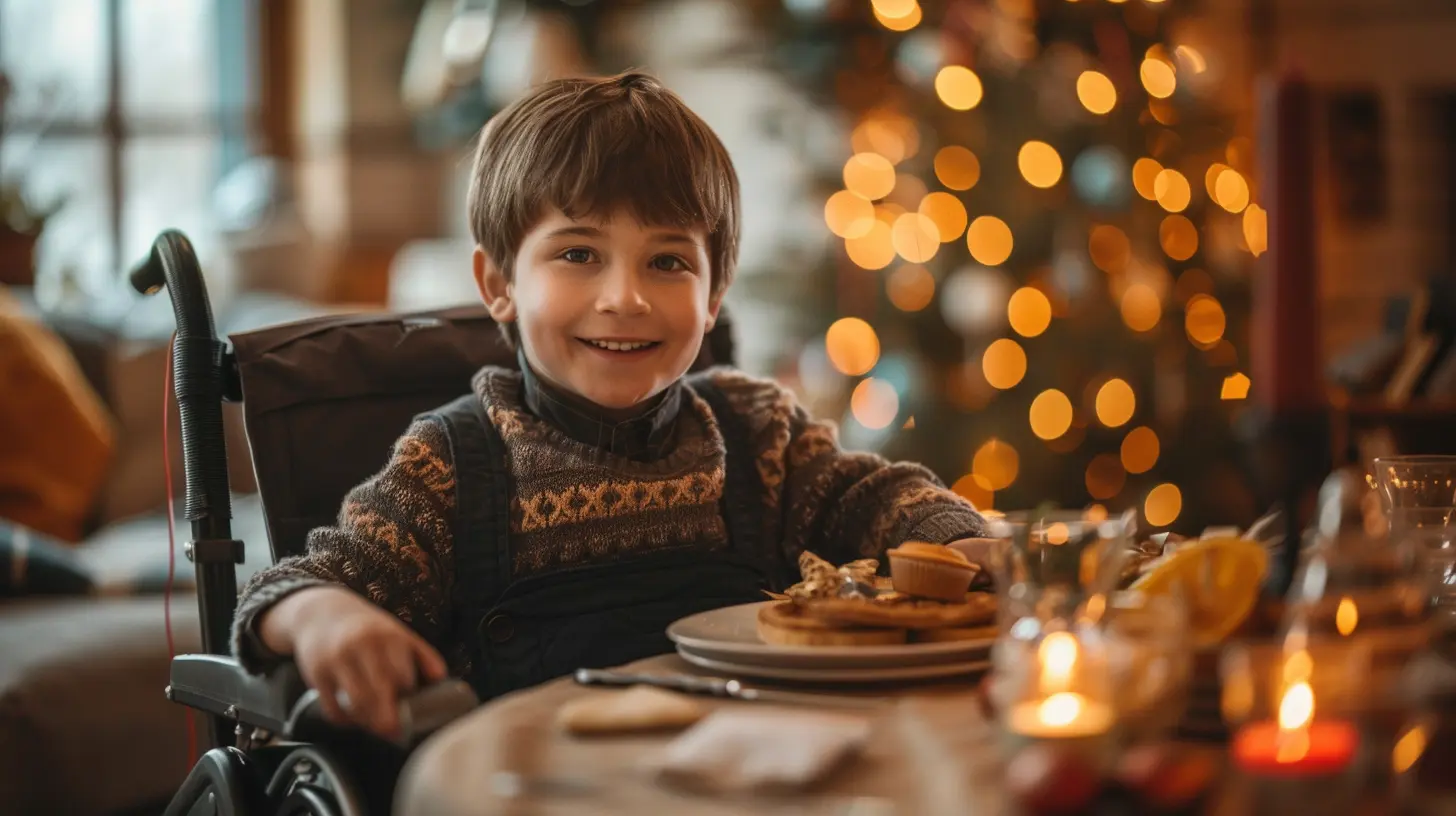
What Autism Really Means During the Holidays
Autism Spectrum Disorder (ASD) is a developmental condition that affects how people communicate, process information, and interact with the world. Every autistic person is unique—some find bright lights and loud noises torturous, others might have strict routines that get totally derailed during holiday chaos.Imagine trying to enjoy a holiday dinner while someone’s running a blender, candles are flickering, and surprise guests keep walking in. For some autistic people, that’s a sensory nightmare.
Now add in the pressure to make eye contact, engage in small talk, or hug everyone at the party. That’s a whole other level of stress.

Why Inclusion Matters More Than Ever
Here's the thing—holidays are meant to bring people together, not leave someone feeling like an outsider in their own home or community. Inclusion isn't just a buzzword; it’s about making sure everyone, no matter their neurological makeup, can feel safe, seen, and valued.If we ignore the needs of autistic individuals during these special times, we’re missing out on meaningful connections, shared joy, and yes, some pretty amazing perspectives.
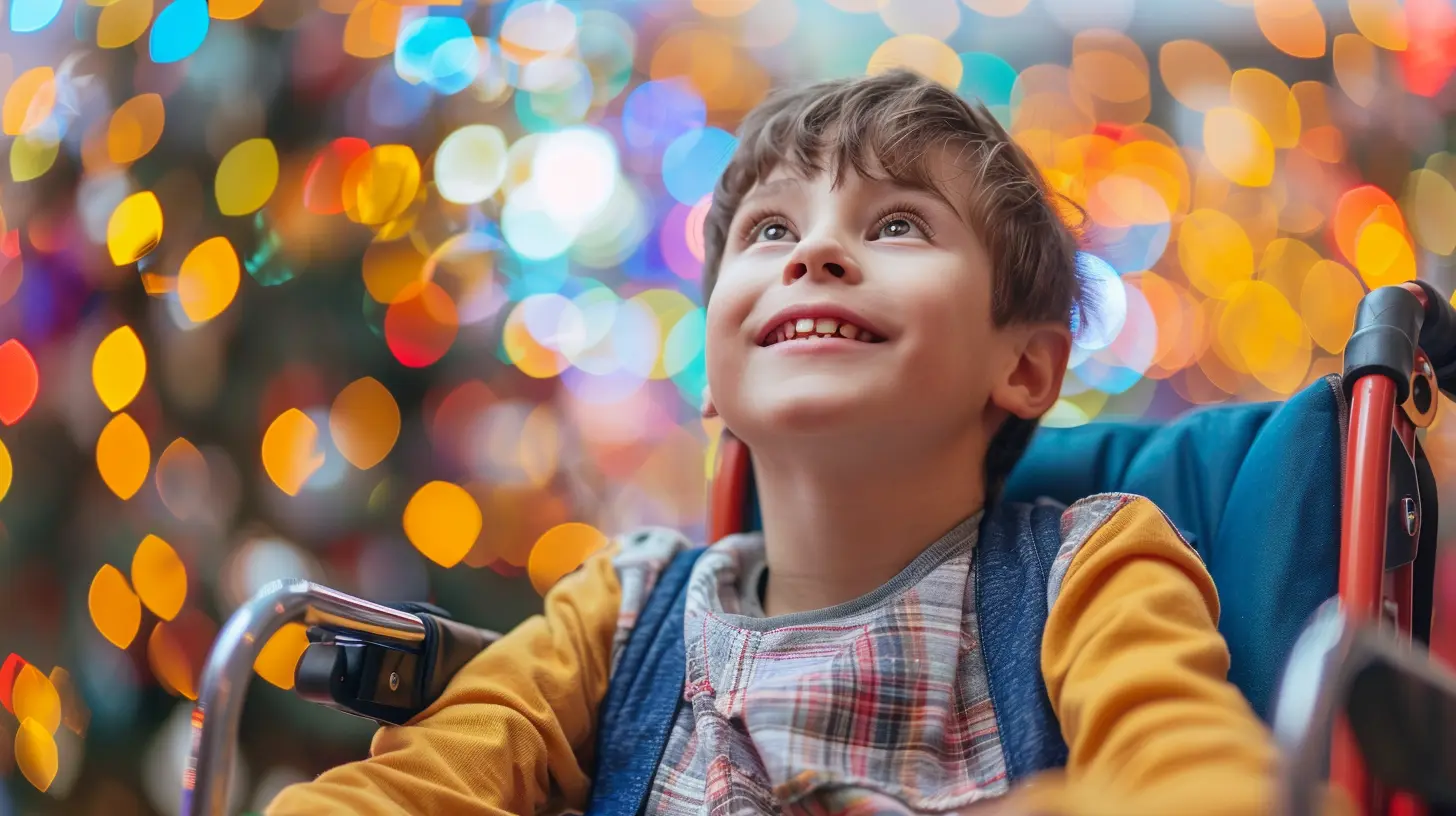
1. Understanding Sensory Sensitivities
Let’s start with the biggie: sensory overload.Autistic people often experience the world in high-definition. While most of us might barely notice the hum of Christmas lights or the smell of pine candles, these details can feel like an attack on the senses to someone with autism.
Simple Sensory-Friendly Adjustments
- Dim the lights: Soft lighting reduces stress and makes a space feel calming.- Lower the volume: Keep music and noise levels at a reasonable volume.
- Offer quiet zones: Create a safe space in your home where someone can retreat if they feel overwhelmed.
- Use unscented or mild-scent products: Artificial scents can be intense.
These changes may seem small, but they can turn a stressful event into a manageable—and even enjoyable—experience.

2. Routines and Predictability: The Secret Sauce
Routines are like the comfy sweatpants of life for many autistic people—they fit just right and help make sense of the world. But holidays? They come in like a wrecking ball and shatter every routine in sight.Suddenly, the usual schedule is gone, meals are at weird hours, and people are constantly coming and going. It’s a lot.
How to Keep Things Predictable
- Use visual schedules: A simple schedule with pictures or words can help set expectations for the day.- Give advance notice of changes: Let them know who’s coming over, what time things happen, and what to expect.
- Stick to familiar foods and routines where possible: Trust us, no one will mind if chicken nuggets are part of Christmas dinner.
3. Rethinking Social Norms
Not everyone wants to hug Aunt Carol or sit at a crowded dinner table for two hours straight. And that’s okay.Many autistic individuals prefer limited direct interaction or may communicate differently—through gestures, devices, or not at all. Pushing social norms can make them feel uncomfortable or even attacked.
Let’s Get Real About Respect
- No forced interactions: Don’t make them say hi or hug anyone if they don’t want to.- Allow alternate forms of communication: Nods, hand waves, or assistive devices count as communication too.
- Educate family and guests: Sometimes a quick heads-up to your guests can make a huge difference in fostering understanding.
Inclusion means letting people show up as themselves, not who we think they should be.
4. Gift-Giving With Thoughtfulness
Shopping for someone on the spectrum? Forget the one-size-fits-all approach. Autistic people often have unique interests or sensory needs, so thoughtful gift-giving is key.Ever heard of “deep interests” or “special interests”? These are intense fascinations or hobbies many autistic individuals have. Tapping into those can make for the most appreciated presents.
What Makes a Great Gift?
- Focus on interests: Dinosaurs, trains, space, insects—whatever they love, go all in!- Consider sensory toys: Fidget toys, weighted blankets, or tactile items can be calming and fun.
- Ask, don’t assume: If you’re unsure, it’s better to ask caregivers or the person themselves (if they’re comfortable sharing).
5. Inclusive Holiday Activities
Let’s face it—some holiday traditions just aren’t made with sensory sensitivity or neurodiversity in mind. But that doesn’t mean we can’t tweak them to be more inclusive.Adapted Activities That Still Bring Joy
- Cookie decorating: Keep the setup calm and offer noise-canceling headphones if needed.- Holiday movies: Watch in a quiet, dim room with the volume down.
- Crafting: Provide a variety of textures and let them take the lead in creating.
And remember, not everyone enjoys or celebrates holidays the same way. Sometimes just being present and included is the best gift you can offer.
6. Communication Is Everything
Wanna know the most powerful tool for creating inclusive celebrations? Talking. Not loud or fast or filled with assumptions—but honest, kind, and open conversations.Don’t be afraid to ask questions. Want to know what's helpful, what could be stressful, or what they need? Just ask. Respectfully, of course.
A Few Good Conversation Starters
- “Is there anything that might make today easier for you?”- “Would you like to join us for dinner, or would you prefer a quieter space?”
- “How can we help you feel more comfortable today?”
These aren't just questions—they're bridges to more inclusive and understanding relationships.
7. Celebrating in Small Doses
Not every celebration needs to be a big, flashy event. Sometimes, less is way more.Keep It Chill
- Shorter gatherings: Limit the length of parties or events.- Smaller guest lists: A quieter, more intimate setting can be more manageable.
- Flexible participation: Let people dip in and out as needed. If someone wants to sit and observe instead of taking part, that’s perfectly fine.
It’s not about doing everything—it’s about doing what feels good and right and enjoyable.
8. Involve Autistic Voices in Planning
Here’s a radical thought: involve autistic individuals in planning their own holidays. Who knew, right?Ask what they’d like to do, how they want things to go, and what matters to them. You might be surprised at how insightful and creative their ideas are.
Inclusive doesn’t mean speaking for someone—it means making sure their voice is part of the chorus.
9. Reframing Expectations
We have this cultural picture-perfect idea of what holidays “should” look like. But honestly? That ideal often leaves people out.So toss the rulebook. If celebrating inclusively means unwrapping gifts quietly on December 26th with no decorations in sight, that’s still a celebration.
Holidays are about connection, not perfection.
10. Keep the Spirit Alive All Year
Inclusion isn’t seasonal. If you’re making an effort to include autistic individuals during the holidays, why not carry that energy into the rest of the year?It’s not about grand gestures—it’s about ongoing empathy, flexibility, and respect.
Final Thoughts
Making holidays more inclusive doesn’t require a total reinvention. It just takes a shift in mindset and a willingness to meet people where they are. And honestly? That makes celebrations better for everyone—more real, more heart-centered, and way more meaningful.So this year, light the menorah, hang the stockings, spin the dreidel, or toast the New Year—but do it with inclusion at the heart of your celebration.
Because holidays should feel like home—for everyone.
all images in this post were generated using AI tools
Category:
AutismAuthor:

Paulina Sanders
Discussion
rate this article
2 comments
Skylar McAdams
Empathy fosters meaningful connections.
February 27, 2026 at 5:56 PM
Paulina Sanders
Absolutely! Empathy is key to understanding and embracing diverse needs during celebrations, ensuring everyone feels included and valued.
Zevin Chapman
This article highlights essential strategies to create inclusive holiday experiences for individuals with autism. By prioritizing sensory-friendly environments and clear communication, we can foster joy and connection for everyone during festive celebrations.
January 30, 2026 at 3:43 AM
Paulina Sanders
Thank you for your insightful comment! I'm glad you found the strategies on creating inclusive holiday experiences for individuals with autism valuable. Your emphasis on sensory-friendly environments and clear communication is crucial for fostering connection during celebrations.