How Childhood Experiences Shape Adult Resilience
5 June 2026
Childhood is often described as the foundation of a person's emotional, psychological, and social development. But have you ever wondered how much of your ability to handle stress, setbacks, and failures stems from what you experienced as a child?
Resilience—the ability to bounce back from adversity—doesn’t just magically appear in adulthood. It’s deeply rooted in the experiences, emotions, and lessons learned during childhood. Some people develop an uncanny ability to thrive despite hardships, while others struggle with even minor setbacks. The key difference? The experiences, relationships, and emotional security (or lack thereof) that shaped them early in life.
Let’s unravel this psychological puzzle and understand how those seemingly small childhood moments create the blueprint for resilience in adulthood. 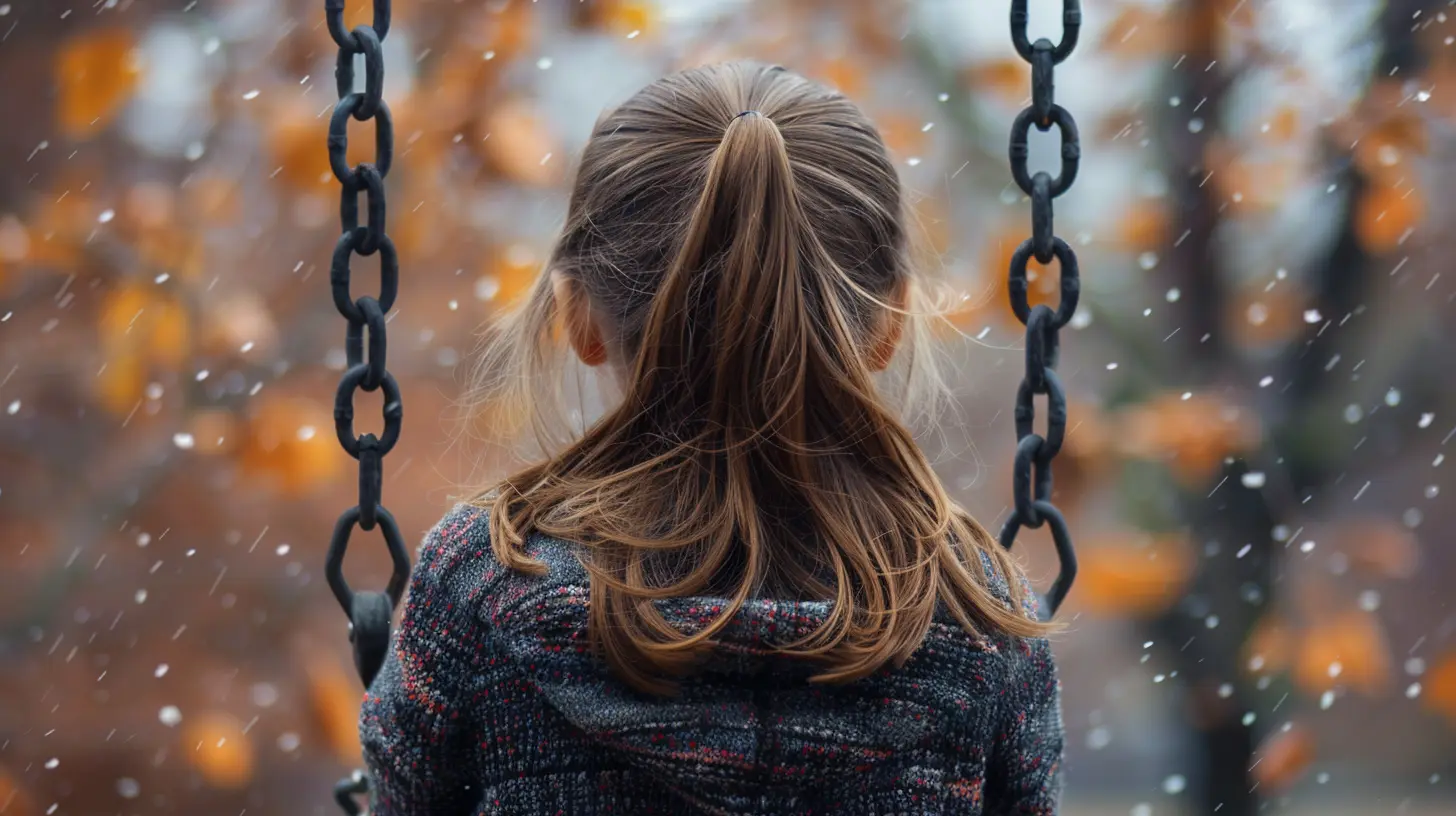
The Building Blocks of Resilience: Childhood Experiences That Matter
If resilience in adulthood is like a tree standing tall against the storm, then childhood experiences are its roots. Some roots grow strong and deep, enabling the tree to withstand any weather. Others remain weak and fragile, making the tree susceptible to breaking under pressure.So, what childhood experiences are most crucial in shaping resilience?
1. A Secure Attachment: The First Safety Net
During infancy and early childhood, the relationship with caregivers is a child’s first introduction to the world. A secure attachment—formed when a child feels consistently cared for, comforted, and protected—lays the foundation for emotional strength.Children who grow up with attentive and responsive caregivers develop a sense of safety. They learn to trust the world, believe in their own worth, and feel confident that they can handle challenges. On the flip side, children who experience neglect, emotional distance, or inconsistent love may struggle with self-doubt, anxiety, and fear of abandonment later in life.
Ever wondered why some people seem emotionally grounded while others battle deep insecurities? The answer may lie in how securely they were attached as children.
2. Facing (and Overcoming) Small Challenges
Resilience isn't just about enduring pain—it’s also about adaptability. Kids who are allowed to struggle a little, fail, and then figure things out on their own develop problem-solving skills and emotional endurance.Think about learning to ride a bike. If a child is never allowed to experience falling or wobbling, they may never fully develop confidence in their ability to ride. Similarly, when kids are protected from all adversity, they miss out on learning how to navigate difficulties.
Over time, small childhood challenges—such as dealing with a school bully, failing a test, or losing a competition—teach kids how to cope with disappointment and come back stronger.
3. Emotional Validation: The Power of Feeling Heard
Imagine a child comes home, crying after a bad day at school. A dismissive parent might say, “Stop crying. It’s not a big deal.” But an emotionally supportive parent might respond with, “I see you’re upset. Want to talk about it?”This difference in response may seem minor, but in reality, it shapes how a child processes emotions. Children who grow up feeling heard and validated learn that their emotions are normal and manageable. They don’t suppress feelings or see vulnerability as weakness—instead, they develop healthy coping mechanisms.
On the other hand, children raised in environments where emotions are ignored or dismissed may struggle with emotional regulation as adults. They either bottle up emotions (leading to anxiety or depression) or lash out in unhealthy ways. 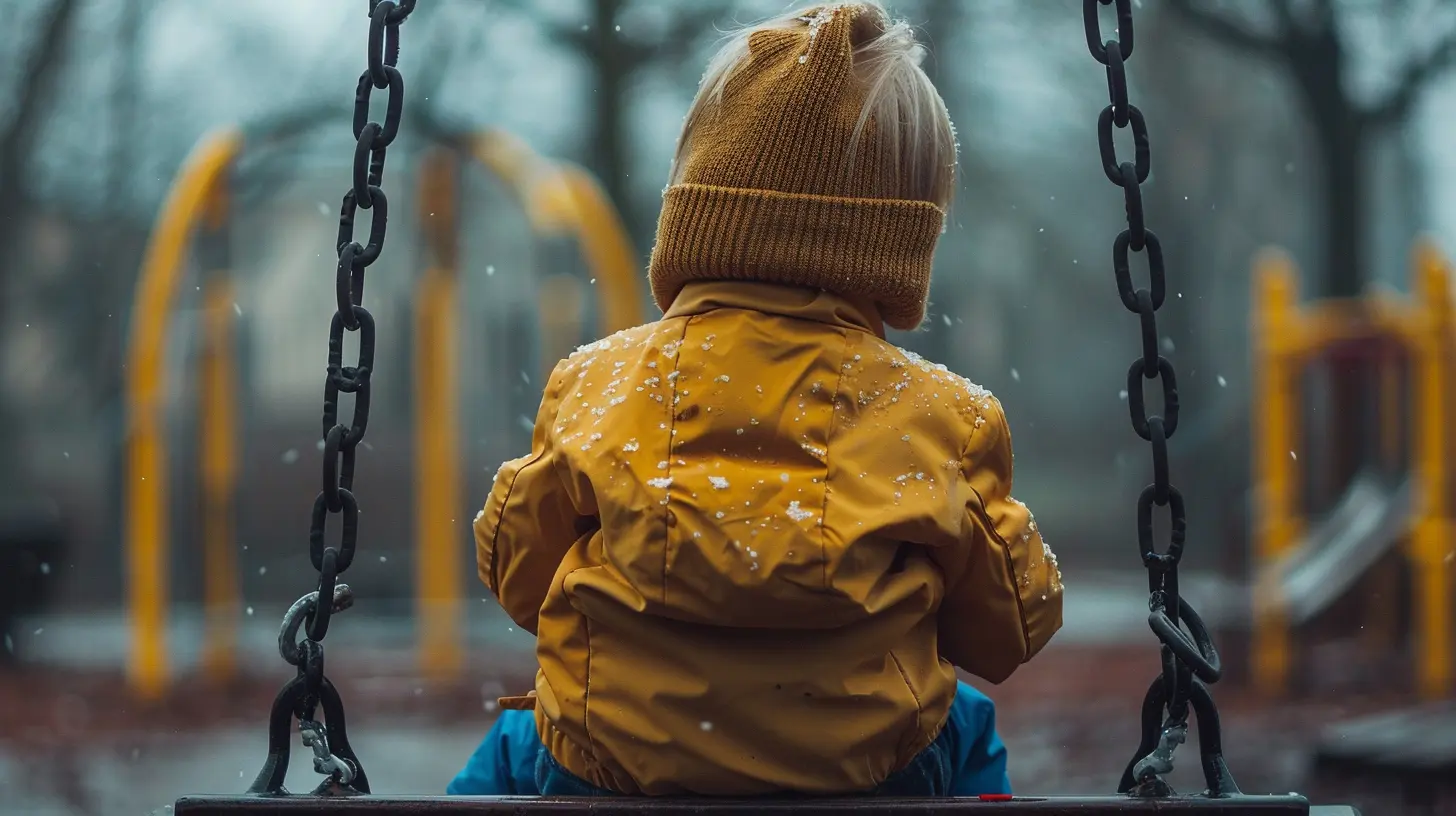
When Childhood Adversity Builds (or Breaks) Resilience
Not all childhood experiences are positive. Some people endure emotional neglect, abuse, or extreme hardships. So, does experiencing a tough childhood automatically mean a person will struggle as an adult? Not necessarily.1. Post-Traumatic Growth: Rising from the Ashes
Ever heard the saying, What doesn’t kill you makes you stronger? In psychology, this is known as post-traumatic growth. Some individuals who endure childhood adversity actually develop extraordinary resilience. They learn to survive, adapt, and even thrive under difficult circumstances.For example, children who grow up in financially unstable households often develop strong problem-solving skills, adaptability, and a heightened sense of responsibility. Similarly, kids who endure emotional hardships may develop deep empathy, making them highly emotionally intelligent as adults.
2. The Dark Side: When Trauma Erodes Resilience
Unfortunately, not everyone who experiences adversity grows stronger. For some, childhood trauma can leave lasting emotional scars that make resilience harder to build.Early exposure to extreme stress—such as abuse, neglect, or household instability—can rewire a child’s brain. This heightened stress response often carries into adulthood, making it harder for them to regulate emotions, trust others, or believe in their ability to handle hardships.
In these cases, resilience isn’t impossible, but it requires conscious effort, support systems, and sometimes professional intervention to rebuild emotional strength. 
Can Resilience Be Built Later in Life?
The good news? Even if childhood didn’t pave the way for strong resilience, it’s never too late.1. Rewriting the Narrative
One of the most powerful tools for building resilience later in life is reframing. This means looking at past experiences from a new perspective. Instead of seeing childhood hardships as proof of weakness, individuals can choose to see them as lessons in strength and endurance.2. Developing Healthy Coping Mechanisms
Replacing unhealthy coping mechanisms (such as avoidance, self-doubt, or negative self-talk) with positive ones—like mindfulness, problem-solving, and self-compassion—can significantly impact resilience.3. Building a Support System
Even if childhood lacked emotional support, building strong relationships in adulthood can change the game. Surrounding oneself with understanding and encouraging people creates an emotional safety net, making it easier to face life’s ups and downs.
Final Thoughts: Your Childhood Doesn’t Have to Define You
Childhood experiences play a significant role in shaping resilience, but they don’t have to be a life sentence. Whether you were raised in a nurturing or challenging environment, you have the power to reshape your resilience.While a strong foundation makes life easier, personal growth, self-awareness, and a willingness to adapt can still pave the way for emotional strength. The past may influence you, but it doesn’t have to control you.
Resilience isn’t about never falling—it’s about rising every time you do.
all images in this post were generated using AI tools
Category:
ResilienceAuthor:

Paulina Sanders
Discussion
rate this article
1 comments
Selene Turner
Childhood experiences are the building blocks of resilience. Nurtured well, they empower adults to navigate life's storms with strength.
June 21, 2026 at 2:22 AM
Paulina Sanders
Absolutely, childhood experiences lay the groundwork for how we handle challenges later in life. It's vital that we nurture those early years.