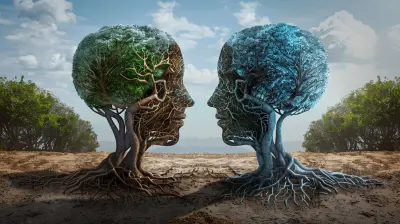
How Cultural Differences Influence Psychiatric Diagnoses
11 May 2026
Mental health is a universal concern, but how we understand and diagnose mental illnesses can vary significantly across cultures. What one culture considers acceptable or normal behavior might be seen as a psychiatric disorder in another. This cultural lens affects how symptoms are perceived, reported, and even treated.
In this article, we'll dive into the fascinating ways cultural differences shape psychiatric diagnoses, why mental health professionals need to consider cultural context, and how misdiagnosis can occur due to cultural misunderstandings. Ready to uncover the connection between culture and mental health? Let’s get started.
The Role of Culture in Mental Health
Culture isn't just about traditions, food, or language—it’s a deep-rooted factor that influences how we think, feel, and behave. It shapes our values, beliefs, and even the way we interpret emotions and distress.When it comes to mental health, cultural background affects:
- How symptoms manifest – Some cultures emphasize physical symptoms over emotional ones.
- How individuals seek help – In some societies, mental health issues are stigmatized, leading to reluctance to seek professional support.
- How professionals diagnose and treat – Psychiatrists and psychologists may base their diagnoses on frameworks that don’t fully consider cultural variations in emotional expression or behavior.
Ignoring these cultural factors can lead to misdiagnosis or inappropriate treatments, making mental health care less effective.
Cultural Variations in Psychiatric Diagnoses
Let’s break down some of the key ways cultural differences influence psychiatric diagnoses:1. Expression of Symptoms Varies Across Cultures
Mental health symptoms don’t always present the same across all cultures. For example, depression in Western cultures often includes feelings of sadness, hopelessness, and a lack of motivation. But in some Asian cultures, depression is more likely to manifest as physical pain—such as headaches or stomach issues—rather than emotional distress.Schizophrenia also presents cultural variations. Research shows that in Western countries, auditory hallucinations are often distressing and negative, whereas in some non-Western cultures, individuals report hearing positive voices, sometimes interpreting them as spiritual guidance.
2. Cultural Beliefs Shape Mental Illness Perception
In many cultures, mental illness is attributed to spiritual or supernatural causes rather than psychological or biological factors. Some societies see mental distress as a sign of bad karma, possession, or divine punishment.For instance:
- In some African and South Asian cultures, symptoms of schizophrenia may be explained as spirit possession.
- In traditional Chinese medicine, mental illness may be linked to an imbalance in energy (Qi).
- Some Native American and Indigenous cultures might interpret psychotic episodes as visions or spiritual experiences rather than disorders.
Such interpretations impact whether individuals seek medical treatment, visit a spiritual healer, or simply endure the condition in silence.
3. Stigma and Social Consequences Influence Diagnosis
Not all cultures have the same level of acceptance toward mental health conditions. Mental illness remains highly stigmatized in many communities, making people hesitant to admit they have a problem or seek professional help.- In many Asian cultures, mental illness carries a stigma that can bring shame to the entire family, discouraging individuals from discussing it.
- In some Middle Eastern and Hispanic communities, emotional struggles might be dismissed as a weakness rather than a legitimate health concern.
This can lead to underreporting of symptoms, delayed diagnoses, and increased suffering due to a lack of early intervention.
4. Western Diagnostic Systems May Not Fit All Cultures
Western psychiatric diagnoses rely heavily on systems like the DSM-5 (Diagnostic and Statistical Manual of Mental Disorders) and the ICD (International Classification of Diseases). However, these are primarily developed based on research in Western populations and may not fully capture culturally specific expressions of mental illness.For example, "ataque de nervios," a condition recognized in Latin American cultures, involves intense emotional distress, trembling, and outbursts, but it does not have a direct equivalent in the DSM-5. Similarly, "kufungisisa" in Zimbabwe, which translates to "thinking too much," is seen as a cause of anxiety and depression but may not be formally recognized in Western diagnostic criteria.
This lack of cultural consideration can lead to misdiagnosis or the dismissal of culturally unique mental health experiences.
The Risk of Misdiagnosis Due to Cultural Bias
Given these cultural variations, misdiagnosis is a real risk. A therapist or psychiatrist unfamiliar with a patient’s cultural background might interpret culturally specific behaviors as symptoms of a disorder.For instance:
- A clinician might diagnose a deeply spiritual individual experiencing visions as schizophrenic, while in their culture, such experiences are considered normal and even revered.
- A highly emotional person from a collectivist culture might be labeled as borderline personality disorder, even though their emotional expression is standard in their society.
- A person suppressing emotions due to cultural norms may not meet the criteria for depression despite suffering inside.
To avoid such pitfalls, mental health professionals must adopt a culturally competent approach, considering a patient’s background before making decisions.
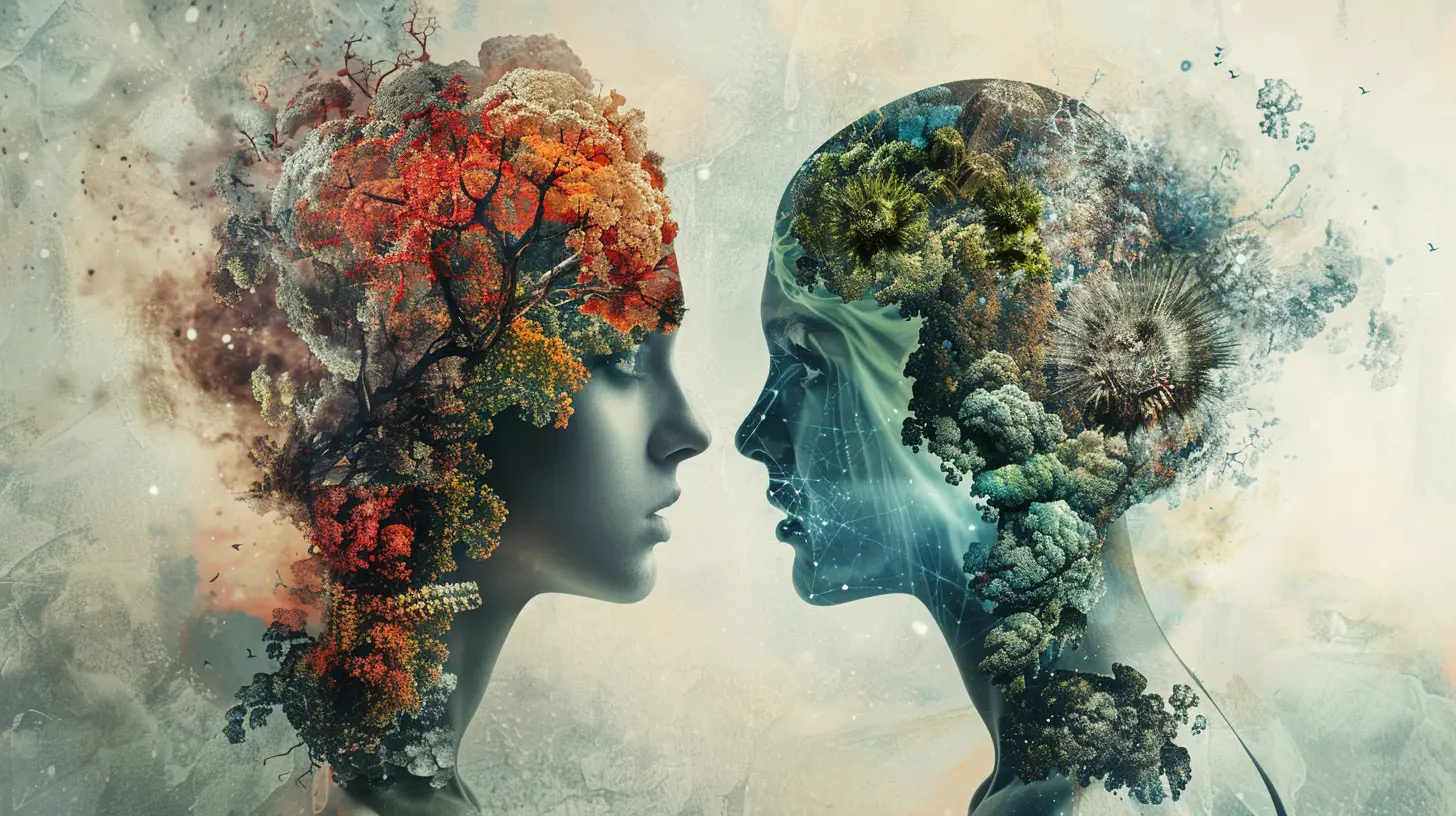
The Importance of Cultural Competence in Mental Health Care
Cultural competence in psychiatry means understanding and respecting the diverse ways different cultures experience, express, and cope with mental health challenges. This involves:1. Educating Mental Health Professionals
Psychiatrists, psychologists, and counselors should receive training on cultural factors that influence mental illnesses and learn to ask culturally sensitive questions. This can help them:- Avoid misdiagnosing culturally influenced behaviors as psychiatric disorders.
- Refrain from imposing Western concepts of mental health on non-Western patients.
- Recognize alternative cultural explanations for mental distress and integrate culturally appropriate interventions.
2. Incorporating Culture into Assessment and Diagnosis
Instead of relying solely on standardized Western tools, clinicians should use a cultural formulation interview (CFI), which considers personal beliefs, cultural influences, and social contexts. This ensures a more accurate understanding of the patient’s experiences.3. Encouraging Open Conversations About Mental Health
Communities should be encouraged to discuss mental health openly, making it easier for individuals to seek help without fear of judgment. Mental health awareness campaigns tailored to different cultural backgrounds can help normalize discussions and reduce stigma.4. Combining Traditional and Modern Treatments
In some cases, integrating traditional healing practices with modern psychiatric approaches can be beneficial. While medication and therapy are vital, acknowledging and respecting cultural healing methods—such as meditation, herbal medicine, and spiritual counseling—can improve patient outcomes.Final Thoughts
Cultural differences play a massive role in how psychiatric disorders are diagnosed and treated. What’s considered a symptom in one culture may be seen as completely normal in another. Without cultural awareness, misdiagnoses and inappropriate treatments can occur, doing more harm than good.To improve the accuracy of psychiatric diagnoses, mental health professionals need to develop cultural competence, listen to patients without bias, and respect diverse perspectives on mental well-being. After all, mental health is not just about biological or psychological factors—it’s also deeply intertwined with cultural identity and beliefs.
all images in this post were generated using AI tools
Category:
Psychiatric DisordersAuthor:

Paulina Sanders
Discussion
rate this article
1 comments
Astra Curry
This article offers valuable insights into the impact of culture on mental health and diagnoses. Great read!
May 31, 2026 at 4:39 AM
Paulina Sanders
Thank you! I'm glad you found it insightful. Culture plays a crucial role in mental health.