How Different Personality Types Approach Emotional Expression
21 July 2026
Have you ever wondered why some people seem like open books when it comes to emotions, while others act like Fort Knox—silent, sealed, and impossible to read? Well, it’s not random. Our emotional expression is deeply tied to our personality type. The way we feel, process, and show emotions is wired into who we are.
Let’s dive into how different personality types handle their emotions. Whether you're the over-sharer, the peacekeeper, the thinker, or somewhere in between, this article will help you understand your own emotional style—and maybe decode the people around you too.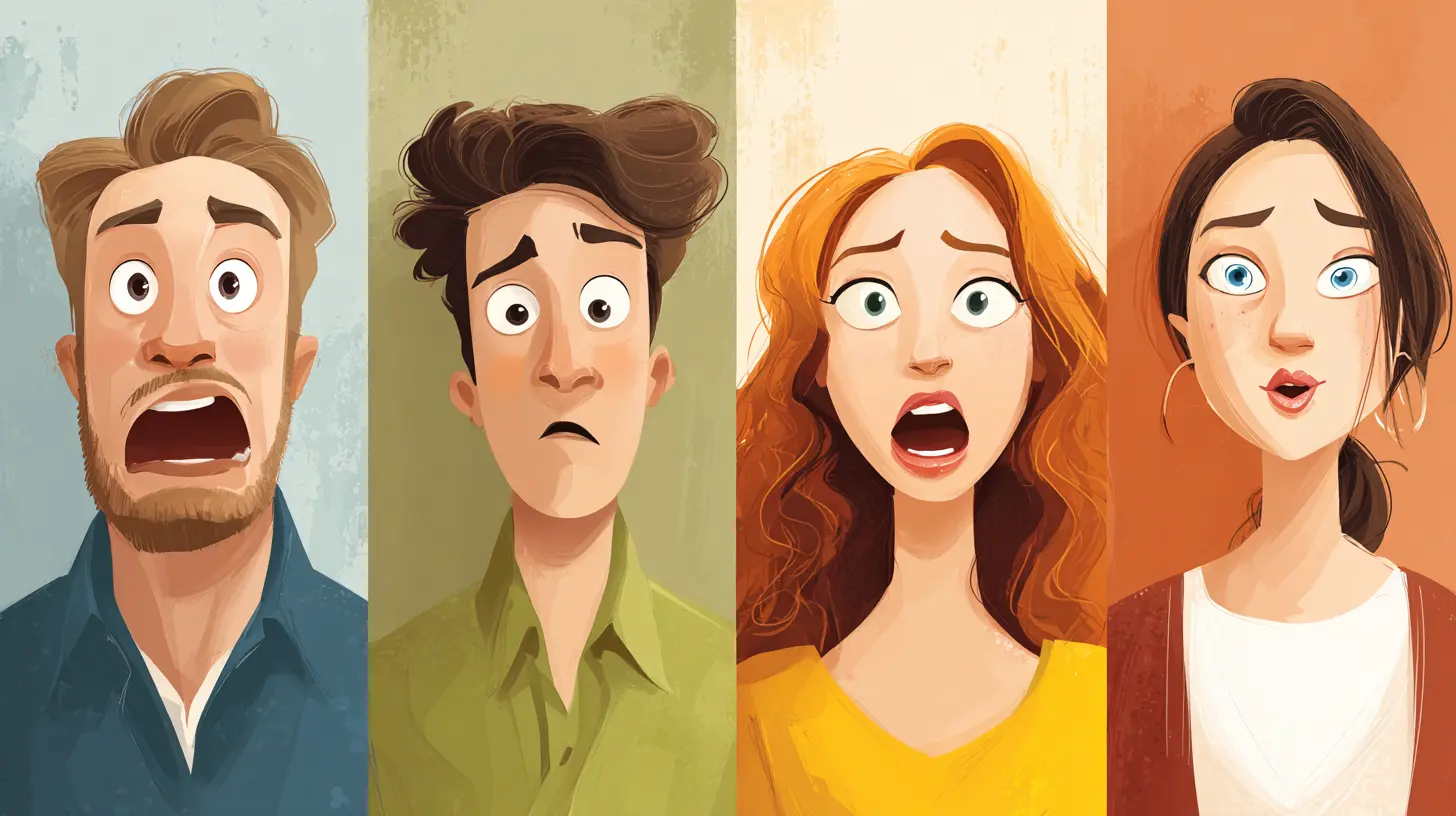
Why Emotional Expression Is So Dang Important
Before we get into the different personality types, let’s talk about emotional expression itself. Why does it matter?Emotions are like signals. They tell us what we need, what we fear, and what we love. But they’re not just internal experiences—they're also a bridge between us and others. How we express our feelings can strengthen relationships, lower stress, and even help us solve problems more creatively.
But here’s the catch: not everyone uses the same emotional “language.” Some shout it from the rooftops. Some whisper. Some keep it all bottled up.

Personality and Emotions: The Connection
Personality isn't just about whether you’re outgoing or shy. It shapes the very way you move through the world—including how you handle your emotions.In psychology, one of the most popular personality frameworks is the Myers-Briggs Type Indicator (MBTI). It’s not perfect, but it does help paint a picture. MBTI breaks personalities into 16 types based on four traits:
- Introversion (I) vs. Extraversion (E)
- Sensing (S) vs. Intuition (N)
- Thinking (T) vs. Feeling (F)
- Judging (J) vs. Perceiving (P)
Let’s look at how these traits influence our emotional expressions.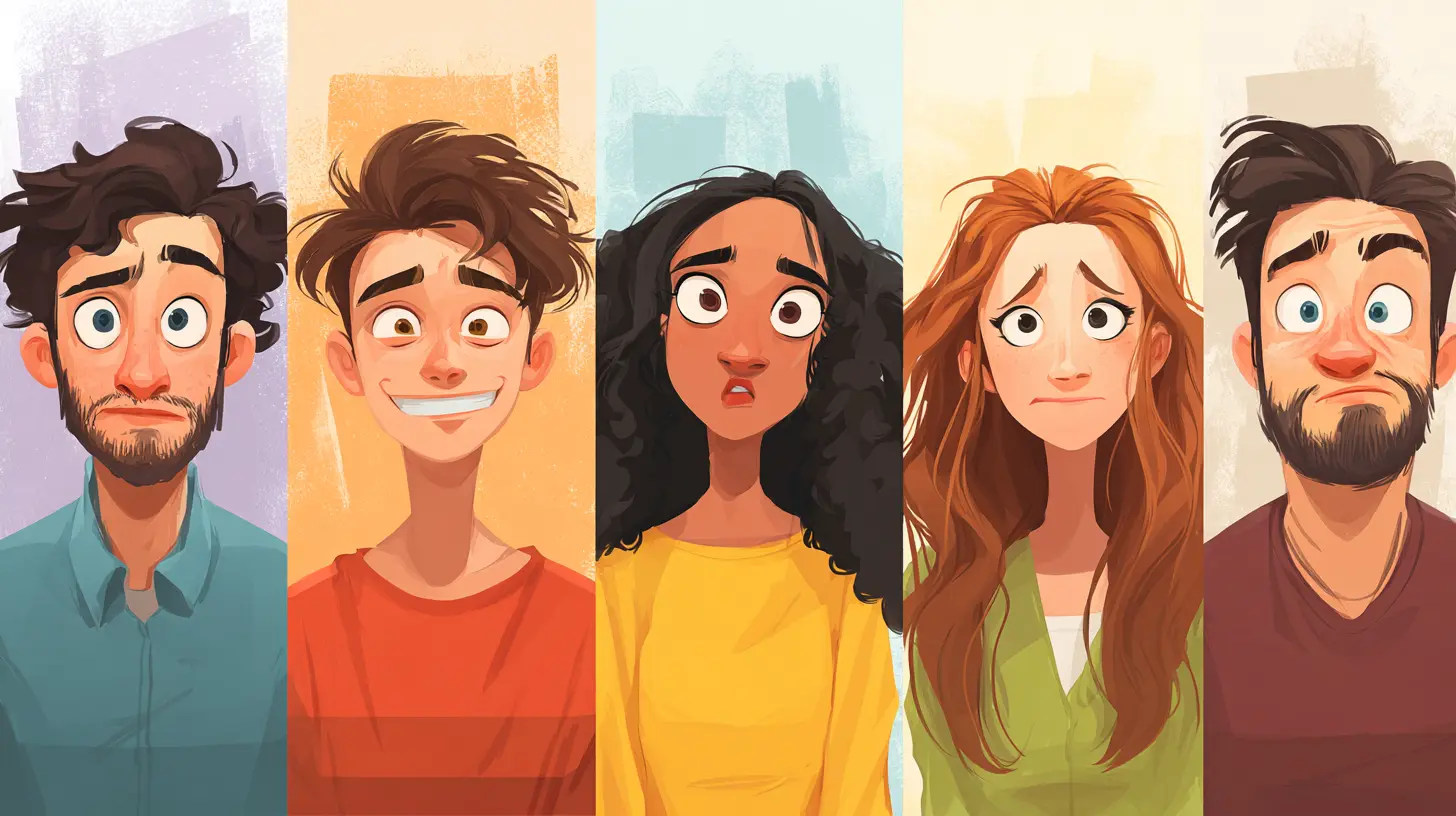
Extraverts (E) vs. Introverts (I): Who Shows It More?
Extraverts don’t usually hold back. If they’re excited, you’re gonna know. Sad? You’ll see the tears or hear about it over coffee. They process emotions externally. Talking it out or being around people helps them cope.Now, Introverts are a different story. They tend to process emotions internally. You might not know they’re hurting because they’re not broadcasting it. That doesn’t mean they don’t feel deeply. In fact, they often feel more deeply—they just keep it inside.
👉 Think of extraverts like a lively jazz band. Emotions pour out loud and fast. Introverts? They’re more like a deep lake—still on the surface, but profound underneath.
Thinkers (T) vs. Feelers (F): Head vs. Heart
This one’s kind of self-explanatory, right? Thinkers rely on logic, analysis, and rationality. When dealing with emotions, they ask, “What makes sense here?” Don’t expect them to burst into tears easily. They like to solve, not sob.Feelers, on the other hand, lead with the heart. They’re deeply attuned to both their own emotions and yours. They value connection and harmony, and they’re not afraid to show how they feel. If a thinker is a chess player, the feeler is a poet.
👉 Thinkers use emotions like a map—guiding decisions logically. Feelers see emotions as music—meant to be felt, shared, and understood.
Judgers (J) vs. Perceivers (P): Control vs. Flow
When it comes to emotional expression, Judgers like structure—even in feelings. They prefer predictability and might try to manage or schedule emotional responses (yes, it sounds odd, but it's real). They're more likely to say, “Let’s talk about this later.”Perceivers go with the emotional flow. If they’re feeling something, you’ll probably know it right away. They’re spontaneous and expressive, not afraid of messiness—they actually see value in it.
👉 Judgers are like a tidy garden—emotions are cultivated and controlled. Perceivers are more like a wild forest—chaotic, beautiful, and alive.
Breaking It Down by MBTI Personality Types
Let’s get up close and personal with how some of the most common personality types deal with emotional expression.1. INFJ – The Advocate
INFJs are introverted feelers, which means emotions run deep—but they rarely show them on the surface. They’re often the quiet supporter, the one who gets how everyone feels but rarely opens up themselves. Emotional expression for them is slow, thoughtful, and usually reserved for people they trust deeply.Emotional Style: Thoughtful, private, empathetic
2. ENFP – The Campaigner
Oh boy, ENFPs wear their hearts on their sleeves! Passionate, spontaneous, and full of life, they express everything with color and drama. They’re not afraid to cry in public or laugh until they snort. Processing emotions through talking is second nature.Emotional Style: Expressive, energetic, open
3. ISTJ – The Logistician
This type tends to keep emotions in a tightly sealed box. ISTJs trust structure, routine, and facts. Crying over spilled milk? Not their style. They might seem cold, but really, they just process emotions logically and privately.Emotional Style: Reserved, analytical, composed
4. ESFP – The Entertainer
ESFPs thrive on emotion. They live in the moment and feel everything intensely. Emotions come out in bold colors—tears, laughter, hugs, you name it. They often express without filtering, which can be both charming and chaotic.Emotional Style: Unfiltered, passionate, vibrant
5. INTJ – The Architect
INTJs often appear stoic—they analyze emotions like scientists. Rather than feel overwhelmed, they dissect what they're feeling and why. It's not that they don’t have emotions—they just believe in mastering them.Emotional Style: Controlled, introspective, sophisticated
6. ISFP – The Adventurer
Sensitive, artistic, and gentle, ISFPs feel emotions deeply and express through creativity. They may not always use words—instead, they show how they feel through actions, art, or music. Emotion is their muse.Emotional Style: Quiet, expressive through art, deeply feeling
Why Understanding Emotional Expression Matters
Look, here’s the truth: there’s no “right” way to feel. How you express your emotions isn’t a flaw—it’s a reflection of your inner wiring. Knowing your emotional style (and others') can help you build better relationships, be kinder to yourself, and communicate more effectively.Ever had a friend who shuts down when they’re sad? Maybe they’re an ISTJ or an INTJ. It’s not that they don’t care—it’s just not natural for them to talk it out. Or maybe your partner cries at commercials—hello, ENFP!
Understanding how different personalities express emotions takes the guesswork out of relationships, both personal and professional. It’s empathy turned into a superpower.
Tips for Navigating Emotional Differences
Let’s face it—sometimes different emotional styles can clash. But don’t worry. Here are a few ways to bridge the gap:1. Communicate Openly
Ask questions like, “How do you usually deal with stress?” or “Do you prefer talking or taking space when you’re upset?” This removes assumptions and builds trust.2. Don’t Take It Personally
Some people need space, others need hugs. Just because someone expresses emotions differently doesn't mean they're unfeeling—or overreacting.3. Know Your Own Style
Self-awareness helps you regulate your emotional expression and understand how others might perceive you. It’s like emotional Google Translate!4. Practice Compassion
Everybody has emotional baggage. Be gentle with each other. A little compassion goes a long way in navigating emotional differences.Final Thoughts: Emotions Are Universal—But Expression Is Personal
At the end of the day, we all feel. Joy, pain, excitement, fear—they’re part of what makes us human. But how we express those emotions? That’s where our personalities really shine.Whether you’re the quiet lake, the vibrant jazz band, the poet or the strategist—your emotional style is valid. The key is learning to honor your own way of feeling while respecting others’ ways too.
So next time you feel misunderstood or wonder why someone reacts differently, remember: it's not about right or wrong. It's about different. And different is beautiful.
all images in this post were generated using AI tools
Category:
Emotional ExpressionAuthor:

Paulina Sanders
Discussion
rate this article
1 comments
Grey Hines
Understanding how different personality types express emotions can transform our relationships. Each approach offers unique insights and strengths. Embracing these differences fosters empathy and deepens connections. Remember, it's okay to be yourself while also appreciating others' ways of sharing feelings. Let this knowledge empower your interactions and enrich your life.
July 21, 2026 at 4:52 AM
Paulina Sanders
I completely agree. Recognizing diverse emotional expressions can really enhance our relationships and promote deeper understanding. Embracing these differences is key to fostering genuine connections.