How Early Childhood Development Influences Mental Health
21 March 2026
When it comes to mental health, a lot of us tend to focus on what’s happening in the here and now. But—have you ever stopped to think about how your early childhood experiences helped shape the way you think, feel, and behave today? It's kind of wild when you realize that even things from as early as infancy can have long-lasting ripples throughout our lives.
In this post, we're diving deep into the fascinating connection between early childhood development and mental health. Trust me, it’s way more than just a parenting or psychology topic—it’s about understanding ourselves and others better.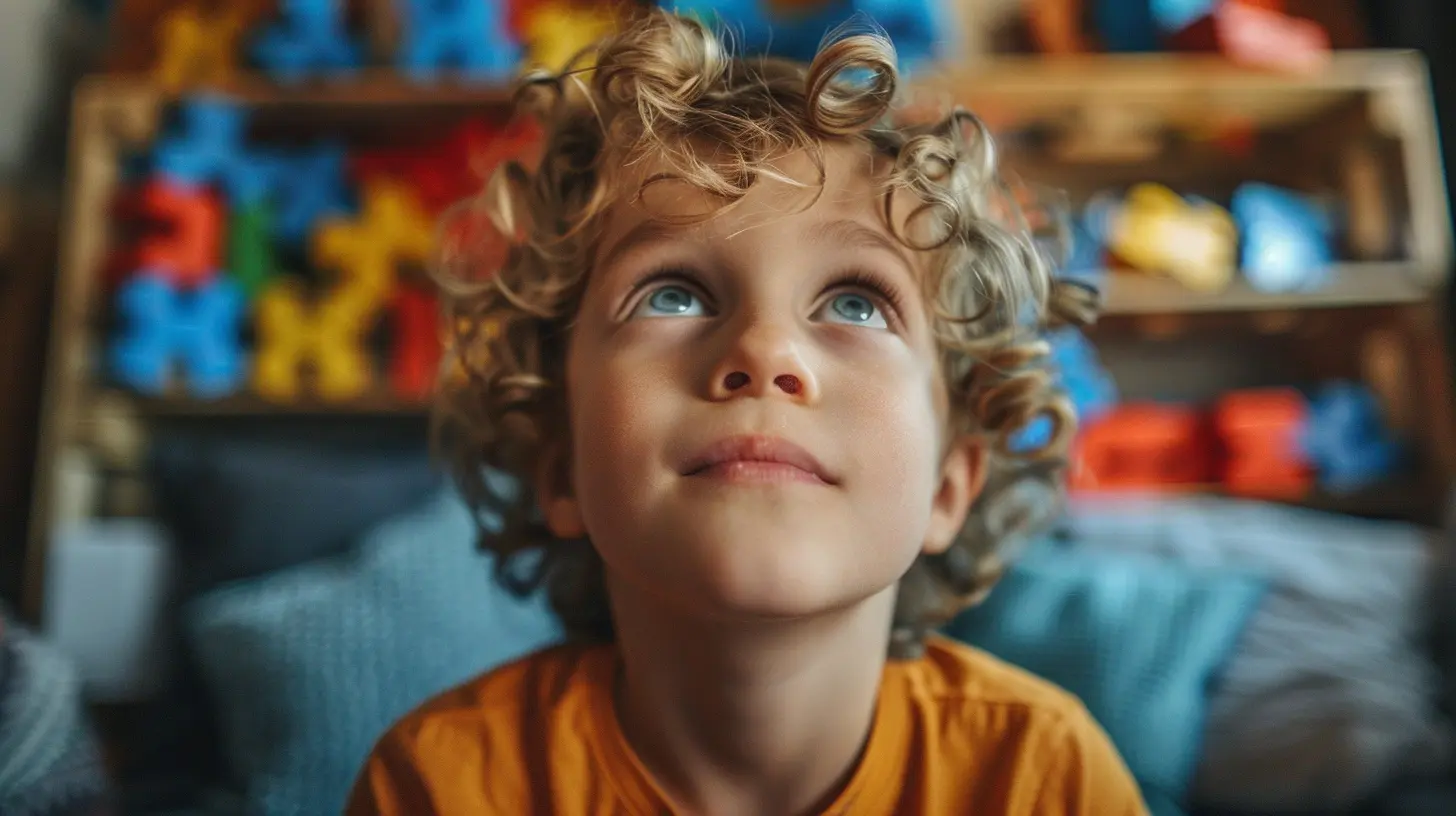
Why Early Childhood Is So Important
Let’s start with the basics. Early childhood refers to the period from birth to around age 8. This is when our brains are developing at lightning speed. Kids are learning how to walk, talk, think, and even how to form relationships.Now think about this: during this same period, the brain is forming the very circuits that govern emotions, behaviors, self-regulation, and resilience. Crazy, right?
Brain Development: The Blueprint of Mental Health
The brain is like a sponge in those early years, soaking up every experience—good or bad. By the age of three, a child’s brain has already formed about 80% of its adult size. And by age five, a child’s brain is about 90% developed. That’s huge!And here’s the kicker: those early experiences actually wire the brain's architecture. This wiring influences how we handle stress, how we build relationships, and ultimately, how we navigate mental health challenges.
The Link Between Early Experiences and Emotional Wellbeing
So what exactly happens in childhood that leaves such a strong imprint?Attachment: Our First Relationship Matters
Remember being a kid and running to mom or dad when you were scared? That’s attachment in action. Secure attachment helps kids feel safe, loved, and confident to explore the world. When kids have caregivers who respond to their needs, they learn that the world is a safe place.But when attachment is inconsistent or absent—say from neglect or abuse—kids may grow up feeling anxious, mistrustful, or emotionally distant. These feelings don’t just fade away; they often stick around and manifest in adulthood as depression, anxiety, or even difficulty forming healthy relationships.
Think of it like trying to build a house on a shaky foundation—it might look okay on the outside, but every storm takes a toll.
The Role of Nurturing Environments
It’s not just about parents—it’s about the overall environment. Warm, supportive, and stimulating environments help children develop self-esteem and emotional resilience.On the flip side, kids living in chaotic, violent, or overly stressful environments are more likely to face mental health challenges later. Chronic stress in childhood changes the brain’s chemical balance, making it harder to manage emotions and stress as adults.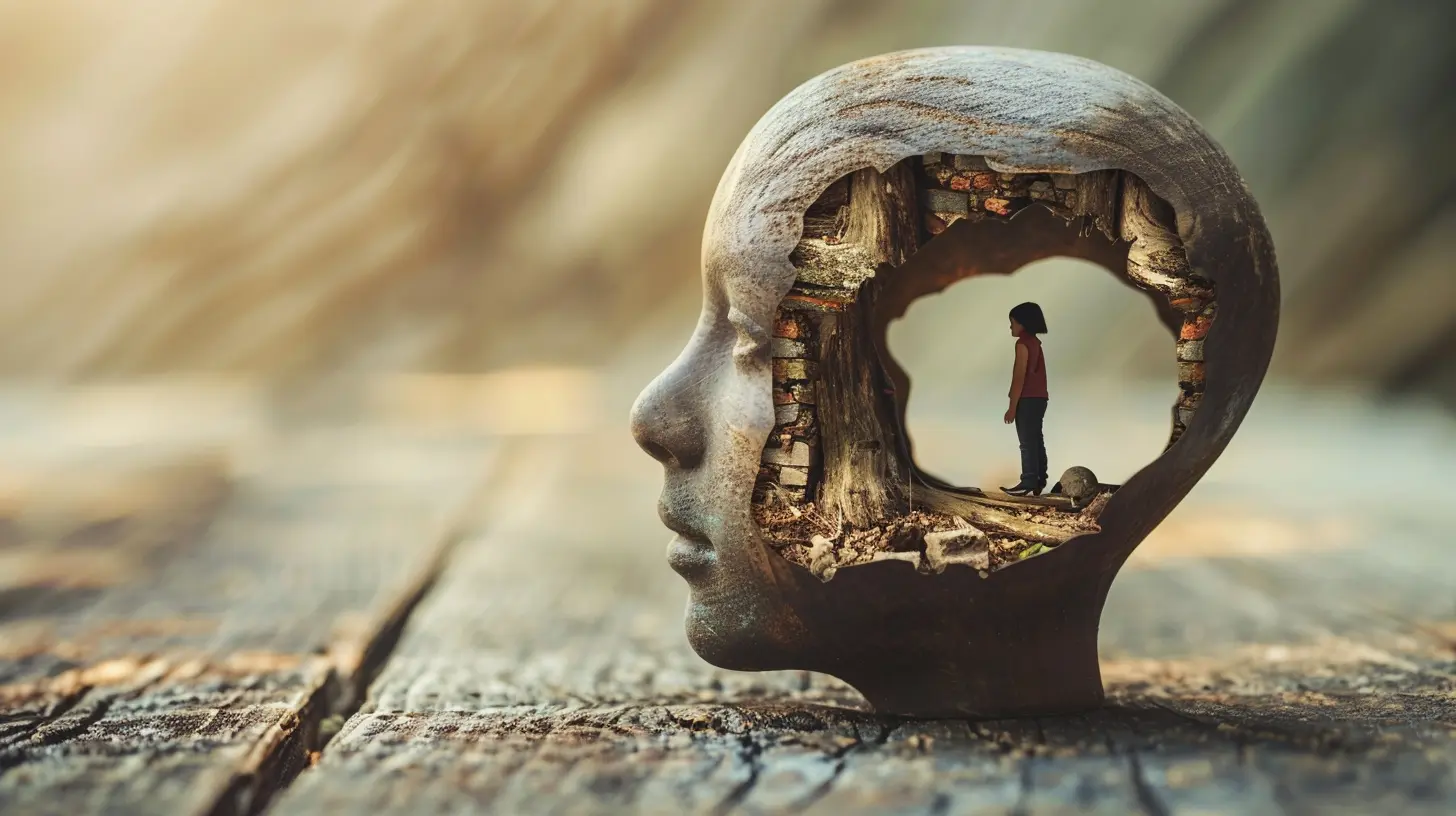
How Childhood Trauma Impacts Mental Health
There’s no easy way to say this—childhood trauma can cause deep mental and emotional wounds. This includes physical abuse, emotional neglect, parental substance abuse, or exposure to domestic violence.What Are Adverse Childhood Experiences (ACEs)?
You might’ve heard of the term ACEs before. It stands for Adverse Childhood Experiences, and it covers a wide range of traumatic events or situations a child might face.The more ACEs someone has, the higher their risk of developing mental health disorders like anxiety, depression, PTSD, and even suicidal thoughts. But it doesn't end there—ACEs have been linked to physical health issues too, like heart disease and obesity.
That’s how powerful early experiences are. They're not just chapters in your life story—they're the ink that writes it.
Cognitive Development and Mental Flexibility
Okay, let’s switch gears a bit and talk about thinking—the cognitive side of development. This includes stuff like memory, attention, problem-solving, and language.Early Learning Shapes Emotional Intelligence
When kids are encouraged to think critically, express themselves, and explore their world, they develop better emotional intelligence. They learn how to label their feelings, manage their impulses, and interact positively with others.Ever seen a toddler have a meltdown because they couldn’t get their toy? That’s normal. But when they’re constantly taught how to handle disappointment or frustration, they grow into adults who can manage emotions without blowing a fuse.
The Power of Play and Creativity
Play isn’t just about fun—it’s a vital part of emotional and mental development. Through imaginative play, storytelling, and games, kids learn to cope with fear, deal with change, and even handle failure with grace.It’s like giving emotional muscles a workout before they’re needed in real-life adult scenarios.
The Influence of Parenting Styles
No two parents are exactly the same. But how a child is raised has a major influence on their mental health. Psychologists typically talk about four main parenting styles:1. Authoritative – Warm but firm. Encourages independence while setting clear limits.
2. Authoritarian – Strict and demanding. Focused on obedience over warmth.
3. Permissive – Warm but lenient. Few rules are enforced.
4. Neglectful – Low responsiveness and low involvement.
Studies show that children raised by authoritative parents tend to have the best mental health outcomes. Why? Because this style balances freedom and structure, helping kids feel secure and capable.
Genetics vs. Environment: The Nature-Nurture Balance
You’ve probably heard the age-old debate: is it nature or nurture?To be real, it’s both. Genes play a role in determining our mental health risks, but early environment often decides whether those genes get “turned on” or stay quiet.
For instance, a child may have a genetic predisposition to anxiety. But with a supportive, stable upbringing, those anxious traits might never surface. On the flip side, a stressful early environment could trigger those same genes into action.
Epigenetics—the science of how environment affects gene expression—shows us that our genes aren’t destiny. There’s always wiggle room.
Signs That Early Childhood May Have Influenced Your Mental Health
Wondering if your own mental health challenges trace back to childhood? Here are some signs to think about:- Chronic anxiety or worry
- Difficulty trusting others
- Low self-worth or imposter syndrome
- Trouble regulating emotions
- Persistent feelings of guilt or shame
- Relationship struggles or attachment issues
Of course, these symptoms can come from many sources, but early childhood often plays a big role.
So, Can We Heal From a Tough Childhood?
Absolutely. The brain’s ability to adapt—called neuroplasticity—means healing is always possible. It may take time, support, and maybe a bit of therapy, but people can (and do!) overcome difficult beginnings.The Power of Therapy
Therapy, especially approaches like cognitive behavioral therapy (CBT), trauma-informed care, and even inner child work, can help process those deep-seated childhood wounds. It’s like going back to rebuild the foundation—brick by brick.Building Healthy Relationships
Sometimes, the right people can make all the difference. Forming strong, supportive relationships in adulthood can help rewrite some of those unhealthy patterns learned in childhood.What Parents and Caregivers Can Do
If you're a parent, caregiver, or even just someone who works with kids—your role is incredibly powerful. Here’s how you can help shape healthy mental frameworks:- Be consistent. Kids thrive on routine and stability.
- Listen. Let them express feelings without judgment.
- Validate emotions. Even if it seems silly, their feelings are real.
- Encourage problem-solving. Don’t just fix everything—guide them to solutions.
- Model healthy behaviors. Show calm responses to stress, talk about feelings, and practice self-care.
Remember, we’re not aiming for perfection here—just progress.
Wrapping It All Up
Early childhood development is like planting the seeds of mental health. With the right care, environment, and support, those seeds can grow into strong, resilient minds. And even if the early environment wasn’t ideal, it’s never too late to water the soil and give yourself the nurturing you deserved from the beginning.So whether you're a parent trying to do better, an adult healing from a rough start, or just someone curious about how we become who we are—this journey into early childhood and mental health reminds us of one powerful truth: the beginning doesn’t have to define the end.
all images in this post were generated using AI tools
Category:
Psychiatric DisordersAuthor:

Paulina Sanders
Discussion
rate this article
2 comments
Rachel McGuire
Great article! It's fascinating to see how our early years shape our mental health. Understanding this connection reminds us of the importance of nurturing environments for our kids. Thanks for sharing!
March 31, 2026 at 3:40 AM
Paulina Sanders
Thank you for your kind words! I'm glad you found the connection between early childhood development and mental health valuable. Nurturing environments truly make a difference!
Lira Hughes
Childhood experiences shape our emotional frameworks. Understanding this connection empowers us to nurture resilience, fostering healthier future generations and breaking cycles of mental distress.
March 23, 2026 at 3:26 PM
Paulina Sanders
Absolutely. Recognizing the impact of childhood experiences is crucial. It helps us build resilience and promote mental well-being in future generations.