How to Build Self-Esteem in Autistic Children
12 June 2026
Let’s be real for a second—building confidence is hard enough as it is. But when you're trying to help an autistic child develop self-esteem? That’s like learning to juggle flaming swords while riding a unicycle… on a tightrope. Over lava.
Okay, maybe not lava. But you get my point. It’s a challenge.
The good news? It's possible—and actually way more rewarding than most people expect. With patience, understanding, and the right mindset, you can help build up a child’s self-image into something strong, joyful, and unshakably authentic.
So, let’s dive into the wonderfully weird world of self-esteem, autistic minds, and how to nurture both.
☀️ What Is Self-Esteem, Really?
Before we grab our metaphorical toolboxes, let's quickly chat about what self-esteem even is. It’s basically how someone sees themselves—how much they value their own abilities, emotions, and existence.Think of it like a mirror. If you're only hearing negative comments or constantly feeling like “the odd one out,” that mirror gets all foggy and cracked. You can’t see yourself clearly, and after a while, you may not even want to look.
For autistic kids, that mirror gets foggy real quick, especially when the world constantly tells them to "fit in" rather than embrace who they are.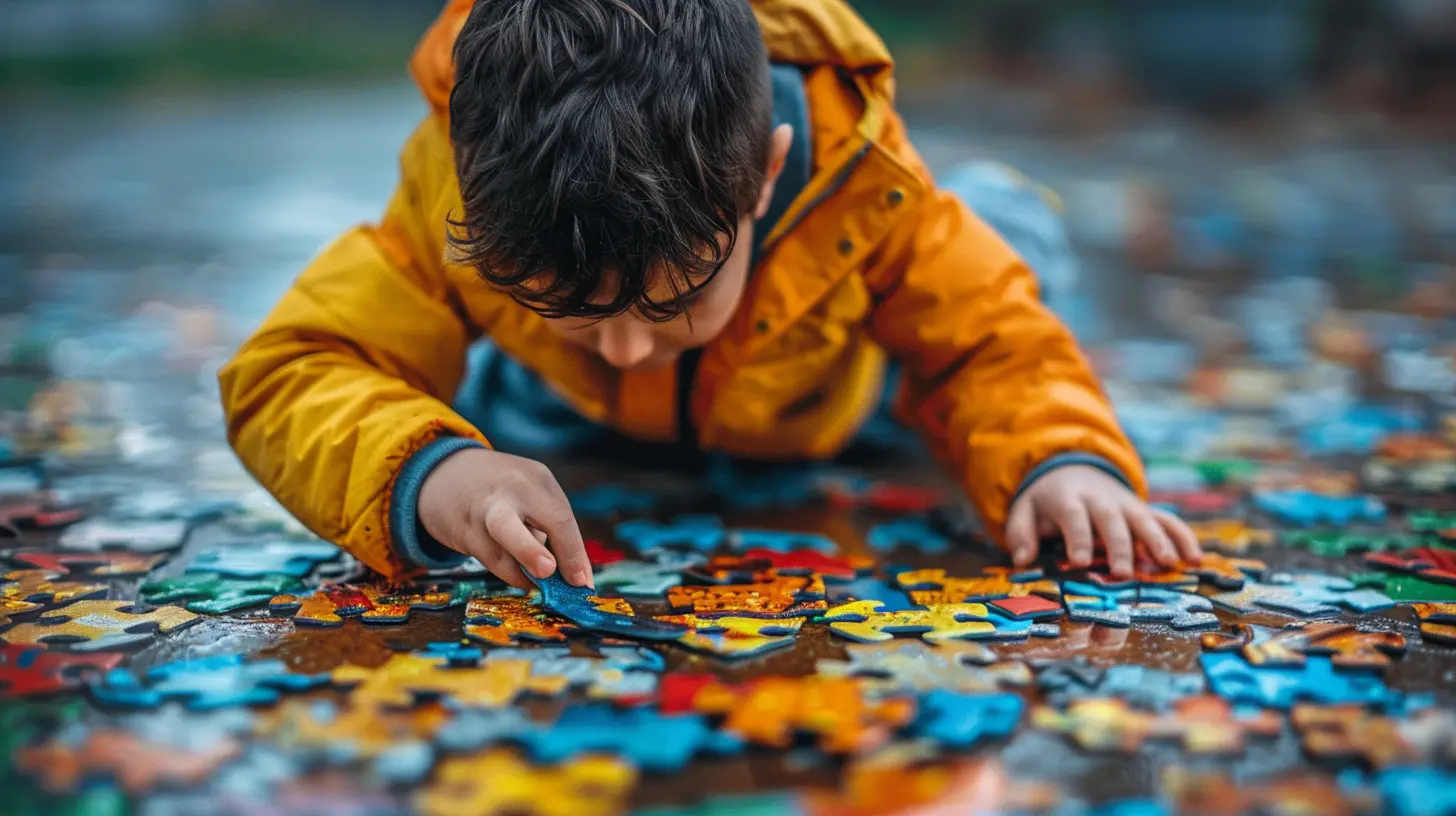
🚦 Why Self-Esteem Can Be Tricky for Autistic Children
Autistic children often march to the beat of their own drum—and that's awesome. But society? Yeah, not always so welcoming of different rhythms. When your child gets side-eyed for flapping their hands or obsessing over train schedules, it chips away at their internal mirror.Here are a few reasons why autistic kids might struggle with self-esteem:
- Social Challenges: Making friends can feel like solving a Rubik’s cube blindfolded.
- Sensory Overload: Crowded, noisy environments can be genuinely painful.
- Communication Differences: They might not express themselves the way others expect.
- Comparison: Constantly being told they’re “not like other kids” can be damaging.
So, how do we help them polish that mirror, smash the negativity, and start seeing themselves clearly and confidently? I’m so glad you asked.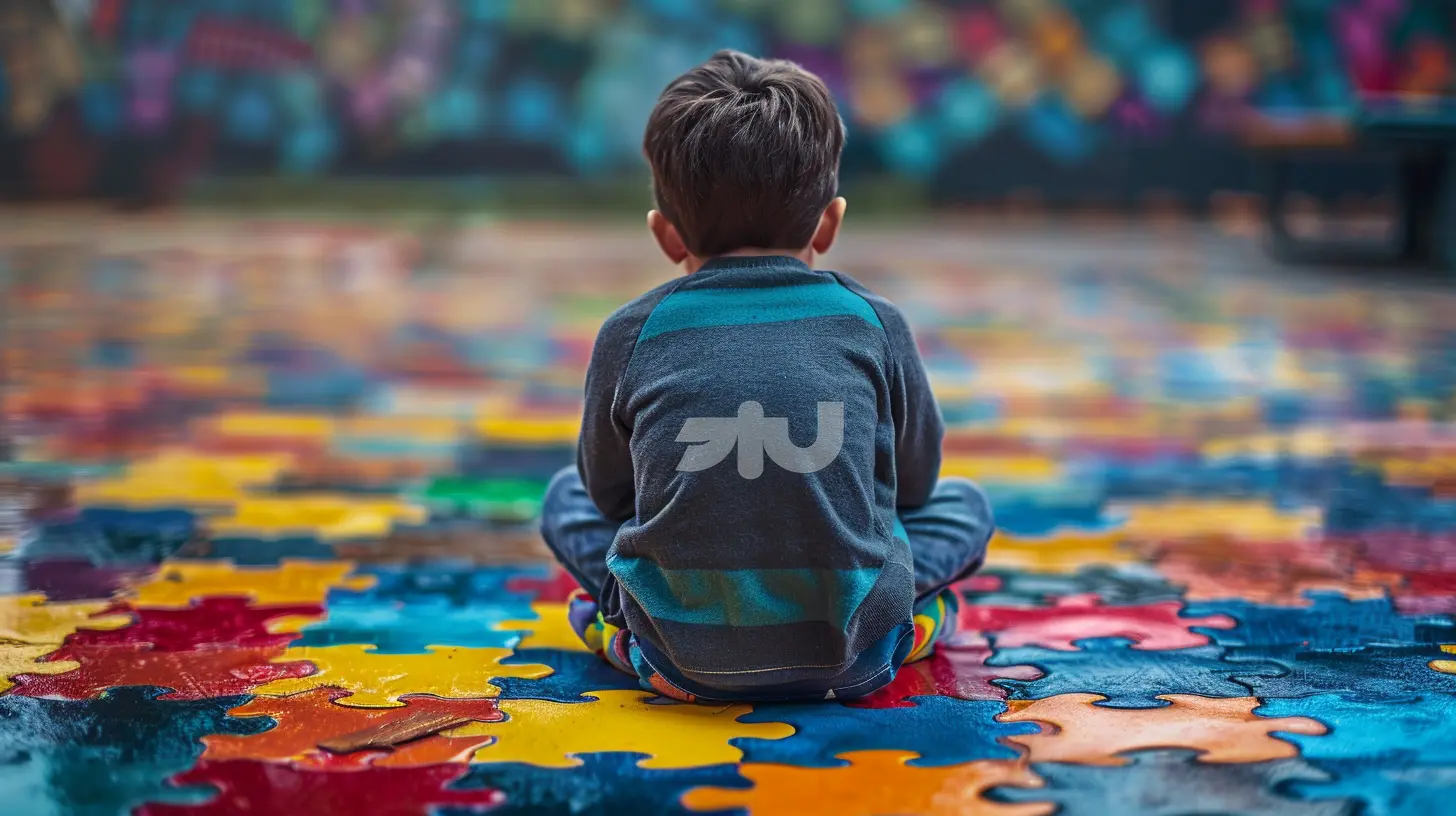
🧩 Embrace the Quirks (Yes, Even the Dinosaur Obsession)
Step one in boosting self-esteem in autistic children: embrace their uniqueness like it’s a superpower. Because, spoiler alert—it is.Does your kiddo talk about dinosaurs in painstaking detail for three straight hours? Cool. Channel that into a special interest blog, artwork, or even dino-themed science projects.
Instead of trying to reshape them, celebrate what makes them different. Validation—especially when they’re used to being misunderstood—is like gasoline for their confidence tank.
Try This:
- Let them “info dump” about their favorite subject. Listen like it’s the most fascinating thing you’ve ever heard.- Turn their interests into strengths—autistic kids often have laser-sharp focus when they’re passionate.
- Show pride in their uniqueness, both in private and in public.
You’re not trying to "normalize" them—you’re trying to help them feel seen and valued for who they are.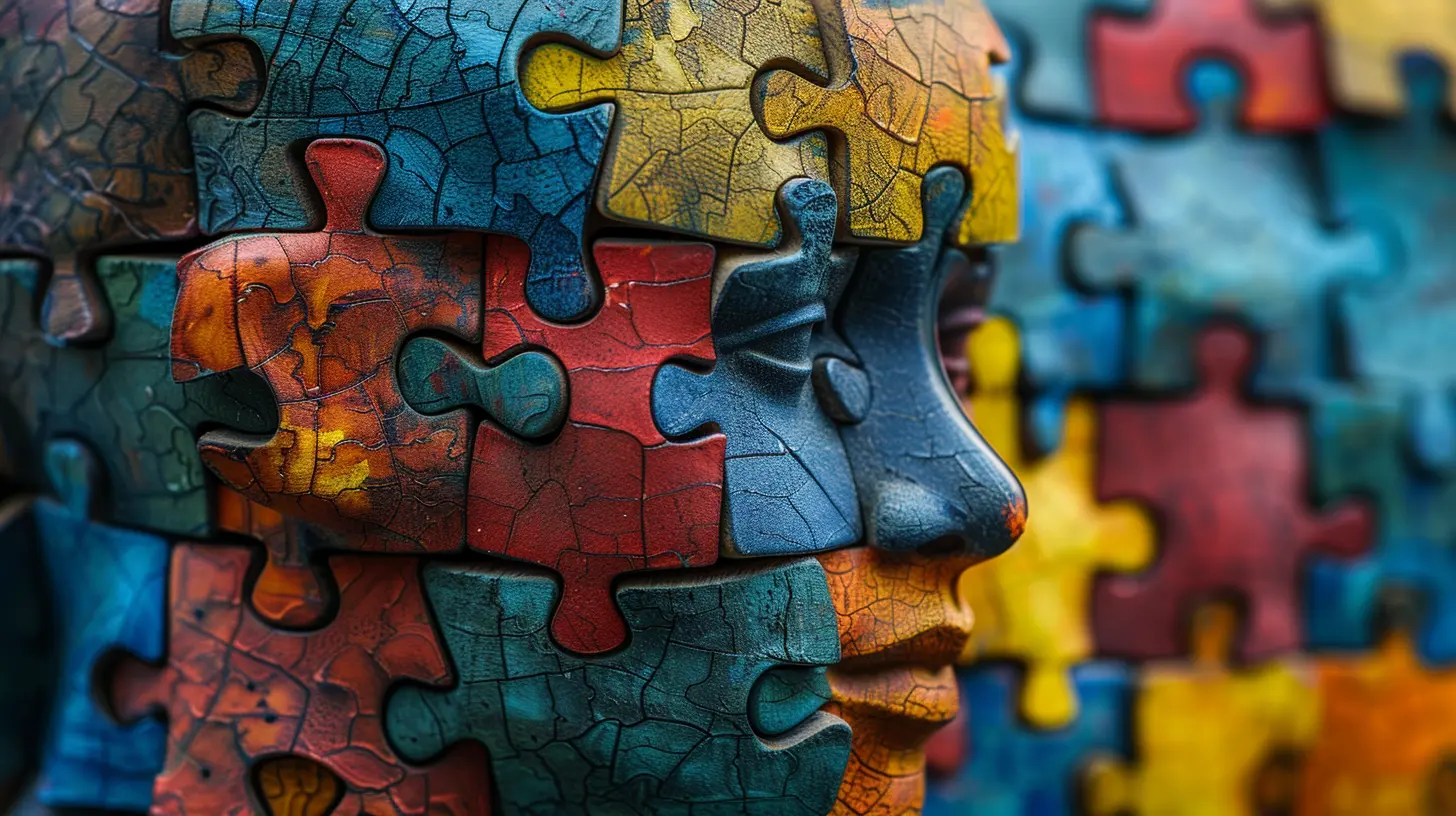
👂 Validate Their Feelings Without Judgment
“Don’t cry.”“Why are you getting so upset?”
“You’re overreacting.”
Sound familiar? These are phrases that chip away at self-worth. Autistic children often experience emotions more intensely than neurotypical kids, and dismissing those feelings can make them feel like their inner world is wrong.
Instead of shutting it down, try leaning in.
Say This Instead:
- “It’s totally okay to feel that way.”- “I see you’re upset. Do you want to talk about it or take a break?”
- “You can feel however you feel—your feelings are real and they matter.”
Emotional validation is like giving someone a cozy blanket. It tells them they’re safe to be themselves.
🎯 Set Achievable Goals (And Celebrate Every Little Win)
Confidence doesn’t come from big, flashy moments. It’s built slowly—brick by brick.Autistic kids often struggle with things like tying their shoes, making eye contact, or using the microwave. But instead of focusing on what they haven’t mastered yet, zoom in on what they can do—and what they’re improving on.
Action Steps:
- Break tasks into tiny, manageable steps.- Celebrate effort, not just results. (“You worked hard on this!” > “You got it right!”)
- Keep progress charts or sticker rewards—it helps visualize growth.
Every time they see that they’re capable of learning and succeeding, they start to believe it.
👪 Create a Safe and Supportive Environment
Home should feel like the emotional equivalent of a giant beanbag chair—soft, cushy, and safe. That’s especially true for kids who deal with sensory challenges, social confusion, and constant overstimulation.So how do you create that beanbag-of-safety vibe?
- Establish routines: Predictability helps autistic children feel in control.
- Use visual aids: Timetables, checklists, or even emojis can boost understanding.
- Minimize sensory overload: Noise-canceling headphones, soft lighting, quiet zones.
More than anything, your child should feel like they can be 100% themselves at home—unfiltered, unmasked, and unafraid of judgment.
🧍♀️ Encourage Independence (Yes, Even If It’s Messy)
It might be faster if you pick out their clothes. Or pour the milk. Or speak up for them in public.But if you always swoop in, they’ll never learn that they can do it—and their self-esteem depends on that belief.
Let them try. Let them fall. Let them wear polka dots with plaid if that’s what they picked. It’s all part of the confidence-building process.
Pro Tips:
- Give choices instead of commands. (“Do you want to brush your teeth now or after your song?”)- Let them lead where possible—whether it’s deciding the dinner menu or steering the grocery cart.
- Be their coach, not their fixer. Guide them, but don’t rescue immediately.
Confidence grows from competence. And yes, there might be spilled milk involved.
🤝 Model Self-Esteem in Action
Monkey see, monkey do. Kids pick up on our self-talk way more than we realize.If you’re constantly saying things like “I’m so stupid” or “I can’t do anything right,” guess what message your child absorbs?
Raise your self-esteem game, and watch how it rubs off on them.
Practice This:
- Talk positively about yourself in front of your child.- Share your own struggles—and how you’re working through them.
- Show how you recover from mistakes. (“Wow, I messed up that email. Oh well—I’ll fix it.”)
You're not only modelling real-world coping skills—you’re showing that self-worth isn't about being perfect. It’s about learning, trying, and staying kind to yourself along the way.
📚 Teach Social Scripts Without Demanding Neurotypical Behavior
Look, we get it. It’s tempting to push autistic children to “act normal” so they’ll be accepted more easily.But here’s the secret: pretending isn’t the same as belonging.
Instead of insisting on eye contact, polite small talk, and all the neurotypical bells and whistles, teach optional social scripts. Think of them like tools in a toolbox, not a uniform.
For example:
- “When someone says hello, you can wave or nod if you don’t want to talk.”
- “If you’re overwhelmed, you can say, ‘I need a break’.”
The goal is to empower—not police—their social experience.
🎭 Promote Creative Expression
Art, music, dance, poetry, Minecraft cities shaped like cats—whatever floats their boat.Creative outlets give autistic kids a way to express themselves outside of the rigid structure of language or social norms. It’s freeing, fun, and helps them feel successful in ways that school or daily life sometimes doesn’t.
And honestly, some of the most brilliant minds in the world were probably neurodivergent creatives anyway. So hand them those crayons, keyboards, or craft kits, and watch the magic unfold.
🛑 Avoid Comparing Your Child to Others
This one is simple but massive: Stop comparing.Your child doesn’t need to be like Jimmy from class or Sarah from soccer. They just need to be the best version of themselves.
Every time you highlight how someone else is “doing better,” it chips away at your child’s belief that they’re enough.
Instead, compare them to their past self. Show how far they’ve come. Reflect on their growth. Build from there.
🌈 Final Thought: Unconditional Love Wins Every Time
When it comes down to it, self-esteem boils down to this: “Do the people I care about think I’m good enough just the way I am?”If your child feels your love is tied to whether they behave a certain way, they’ll always be hustling for approval. But if your love is wide, loud, and unconditional? You’ve already laid the strongest foundation there is.
So love big. Celebrate weird. Encourage effort. And when they start to shine with quiet confidence?
That’s where the real magic happens.
all images in this post were generated using AI tools
Category:
AutismAuthor:

Paulina Sanders
Discussion
rate this article
1 comments
Solara Stone
Building self-esteem in autistic children is like assembling a LEGO set: it takes time, patience, and a dash of creativity. With the right pieces-support, understanding, and a sprinkle of fun-they can construct a strong foundation for confidence that lasts a lifetime. Keep those bricks handy!
June 21, 2026 at 3:56 PM
Paulina Sanders
Absolutely! Just like building with LEGO, fostering self-esteem in autistic children requires care and creativity. Each supportive moment adds to their foundation. Let's keep nurturing that confidence!