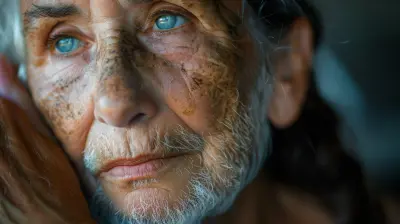
How to Know When You’re Ready to Heal from Emotional Trauma
28 May 2026
Let’s be real. Healing from emotional trauma isn’t just about deciding one day, “Okay, I’m over it now.” If only it were that easy, right? Trauma runs deep. It digs into your bones, hides in your thoughts, and quietly influences how you see the world and yourself. But here’s the thing—healing is possible. So how do you know when you’re actually ready to start that journey?
If you’re reading this, chances are you're already on the edge. Maybe you’ve been through something heavy—loss, betrayal, abuse, a breakup, childhood trauma—and you're wondering if it’s finally time to deal with it. The truth is, there are signs. Subtle ones. Loud ones. But they all point toward readiness. Let’s talk about what those look and feel like.
What Is Emotional Trauma, Really?
Before we dive into the signs, let's quickly unpack emotional trauma. It isn’t just about the dramatic, movie-scene breakdowns. It’s the silent suffering too—the emotional bruises you carry from events that overwhelmed your ability to cope.It could come from a single painful incident or years of emotional neglect. Trauma distorts your sense of safety and trust, often leading to anxiety, depression, emotional numbness, or self-sabotaging behaviors.
Still, trauma doesn’t define you. It’s something that happened to you—not who you are. That distinction? It matters. It's the first step in reclaiming your life.
Why Healing Isn’t Linear (And That’s Okay)
Picture healing like a spiral, not a straight line. You don’t just move forward and never look back. You circle around your pain, sometimes closer, sometimes farther away. Some days you feel powerful; other days, you’re drowning in old memories.That doesn’t mean you’re failing. It means you’re human.
The key is awareness. Being honest with yourself about where you are—and being willing to move forward, even if it's messy.
The Internal Nudge: When You Start Feeling "Done"
One big clue you might be ready to heal? You feel tired.Not just physically tired, but emotionally and mentally drained from carrying the weight of your trauma. That internal voice starts whispering, “This can’t be all there is. I want more.”
You may notice:
- You're exhausted from repeating the same pain cycles.
- You start questioning your coping mechanisms—maybe drinking, emotional eating, or avoiding relationships.
- You feel detached and want to reconnect with life again.
This isn’t weakness. It’s a signal—a cry from your soul that you’re ready for change.
Breaking the Silence: You Want to Talk About It (Maybe Just a Little)
People often avoid bringing up their trauma because it’s overwhelming, shameful, or painful. But one of the clearest signs you’re starting to heal is when you feel a tiny urge to talk.It could be with a friend, a journal, or a therapist.
You might say things like:
- “I don’t know why this still bothers me, but…”
- “I’ve never told anyone this before…”
That small desire to express your pain? It’s big. It’s vulnerability, and vulnerability is where healing starts.
You're Startled by How Others Trigger You
Ever snapped at someone and then thought, “Where did THAT come from?”Unresolved trauma often hides in your emotional responses. When you start noticing that your reactions feel disproportionate—or you find yourself triggered more easily—it could be your subconscious urging you to deal with the wound underneath.
This isn’t about blaming yourself. It’s about awareness. Being ready to heal often starts with recognizing the patterns you want to break.
You’ve Begun Seeking Tools and Resources
Maybe you’ve been down the rabbit hole of self-help books, YouTube videos, or trauma podcasts.That curiosity? That desire to “figure yourself out”? It's a sign that you're stepping into healing energy. Whether it’s mindfulness, meditation, therapy, or journaling—you’re starting to gather your tools.
You don’t have to know all the answers. You just need that willingness to explore.
You Want Deeper, Healthier Relationships
Another sign you’re ready to heal? You start craving real connections—the ones that don’t come with drama or emotional rollercoasters.After trauma, we sometimes attract (and accept) unhealthy people because it feels familiar. But suddenly, you might notice those patterns don’t sit right anymore. You want peace. You want boundaries. You want love without the chaos.
That desire shows you’re evolving. And healing is all about growth.
The Fear of Healing Is Still There—But You’re Willing to Face It
Let’s not romanticize it—healing is scary. Facing your trauma can feel like opening a door to a room you’ve kept locked for years. You might think, “What if I can’t handle what’s in there?”That fear is normal. But the difference between someone who’s not ready and someone who is? The latter is willing to walk through the door anyway—slowly, cautiously, maybe shaking—but still moving forward.
If you're feeling the fear and moving through it anyway, you're more ready than you think.
Your Pain No Longer Serves You
Sometimes, pain becomes part of our identity. We cling to it, even unconsciously, because it gives us a narrative. “I’m the person who was betrayed… who was abandoned… who was abused…”But eventually, you might feel like wearing that pain doesn’t fit anymore—it’s heavy, outdated. You might say things like:
- “I'm tired of being angry all the time.”
- “I don’t want this to define me anymore.”
- “There has to be more to my story.”
That’s your soul outgrowing your wounds. You’re ready to shed the old skin.
You’re Starting to Reconnect with Hope
Hope is quiet. Sometimes it slips in unnoticed, like a sunrise after a long night. If you’re starting to imagine a better future—or even just wondering if one is possible—you’re cracking open the door to healing.Maybe you catch yourself daydreaming about:
- Feeling emotionally safe
- Trusting again
- Loving again
- Feeling peace in your own mind
Hope is a healing agent. The moment you start believing—even just a little—that you deserve better? That’s everything.
You're Willing to Ask for Help
Let’s be real—asking for help isn’t easy, especially if your trauma taught you to rely only on yourself. But when you’re ready to heal, you begin to accept that you don’t have to do it alone.You might consider:
- Starting therapy
- Joining a support group
- Talking honestly with loved ones
Even Googling “how to heal from trauma” (maybe that’s how you landed here) means something. It’s a footstep on the path to healing.
You’re Ready to Forgive—Not Forget
Forgiveness doesn’t mean excusing someone who hurt you. And it doesn’t mean forgetting what happened. It means loosening the grip that pain has on your life.When you’re ready to heal, you might start feeling that forgiveness is more about freeing yourself than anything else.
It's less about them and more about letting yourself breathe again.
Baby Steps Are Still Steps
Let’s not pretend that healing is some grand, one-time decision. It's made up of thousands of tiny choices—some you’ll make willingly, others you’ll resist.You might:
- Start setting boundaries.
- Say “no” without guilt.
- Finally sleep through the night.
- Cry and not apologize for it.
- Reach for a better thought instead of an old belief.
These baby steps? They matter. They're the bricks that rebuild your foundation.
What Healing Can Feel Like Over Time
Still wondering how you'll know once you're “in” the healing process? Here's what starts to shift:- You react less. Reflect more.
- You judge yourself less harshly.
- You let go of needing to control everything.
- You begin to trust your intuition again.
- Peace becomes more familiar than chaos.
It’s not about being “cured.” It’s about becoming more you—beneath the trauma, beyond the pain.
Final Thoughts: Healing Is Hard, But So Are You
Look, healing won’t always feel magical. It’s messy, uncomfortable, and sometimes lonely. But here’s the truth no one tells you—you’re stronger than your pain. You’ve already survived so much. And if you’re thinking about healing, even if you’re scared, that means something inside you knows there’s more to life than your wounds.You don’t have to have it all figured out. You just have to be willing.
So let me ask you—are you?
all images in this post were generated using AI tools
Category:
Emotional TraumaAuthor:

Paulina Sanders
Discussion
rate this article
1 comments
Isaac Peterson
Healing starts within you.
June 17, 2026 at 3:13 PM
Paulina Sanders
Absolutely, true healing comes from within. It's a personal journey that requires honesty and courage.