Is There a Link Between Intelligence and Narcissistic Personality Disorder?
8 December 2025
Have you ever met someone who blew you away with their intelligence — sharp thinker, confident speaker, maybe even a bit of a genius — but something about them just didn’t sit right? Like they couldn’t stop talking about themselves or seemed to expect special treatment, no matter the situation? That may not just be arrogance. You could be brushing up against Narcissistic Personality Disorder (NPD).
But here's the big question: _is there a connection between high intelligence and narcissism?_ Is being smart a breeding ground for narcissistic tendencies, or do we just _think_ smart people are more narcissistic because of how they carry themselves?
Let’s dive into the psychology behind it — but in a way that makes sense, without the heavy textbook lingo.
What Is Narcissistic Personality Disorder (NPD), Exactly?
First off, let’s clear the air. Narcissism isn't just someone taking too many selfies or loving the sound of their own voice. Narcissistic Personality Disorder is a legitimate mental health condition. According to the DSM-5 — the diagnostic handbook for mental health professionals — NPD is defined by:- A grandiose sense of self-importance
- A need for excessive admiration
- A lack of empathy for others
- Fantasies about power, success, brilliance, or beauty
- A tendency to exploit relationships
Sound familiar? Maybe you’re thinking of a celebrity, a past boss, or even someone you've dated. But it’s more than just annoying behavior — it’s a deep-rooted personality pattern that affects how a person lives, works, and loves.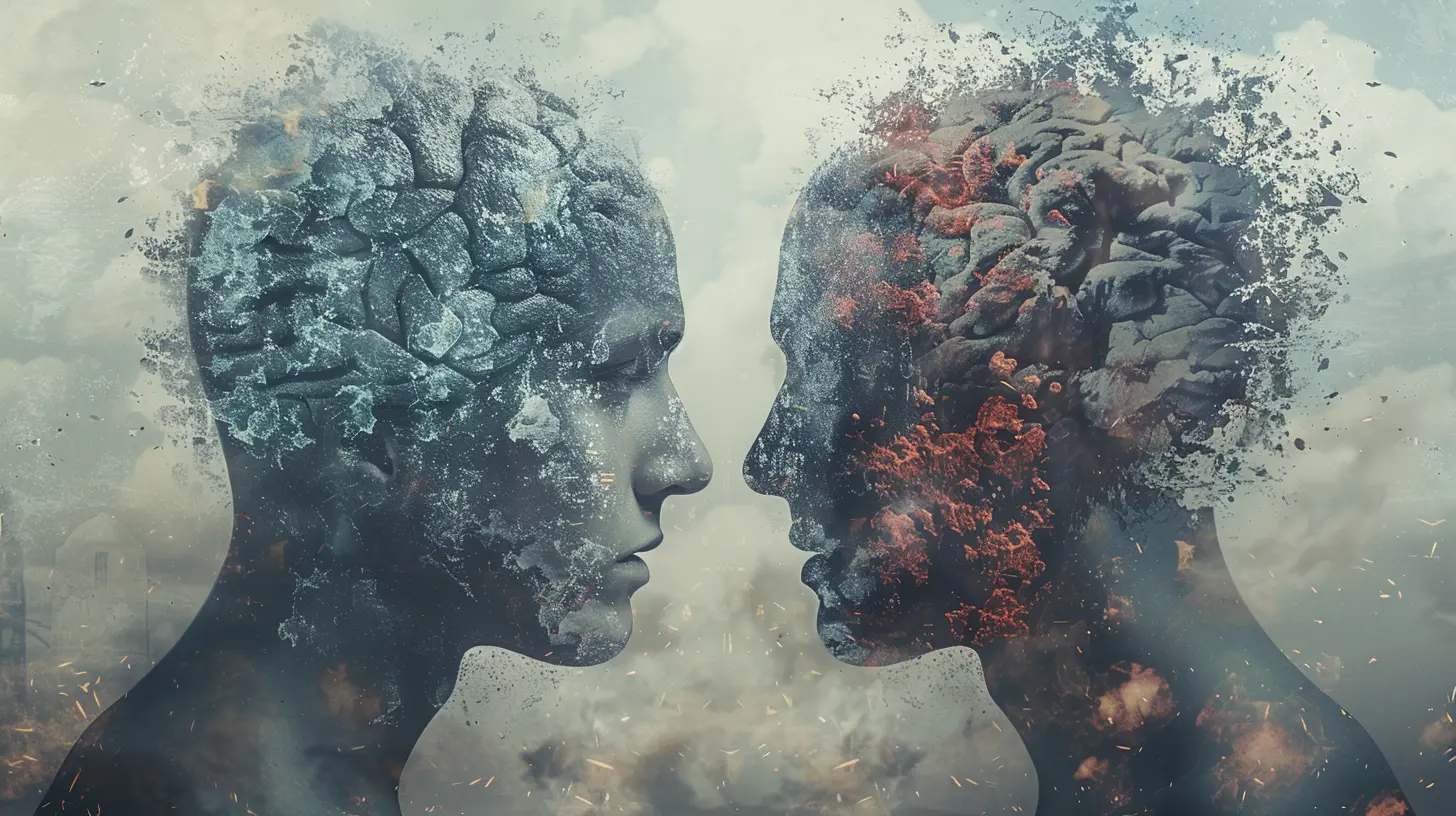
Understanding Intelligence: Not Just Book Smarts
Next up: intelligence. It's not just about acing tests or solving math problems in your head. Psychologists break down intelligence into a few major types:- IQ (Intelligence Quotient): raw cognitive horsepower — logic, reasoning, memory, etc.
- EQ (Emotional Intelligence): your ability to understand and manage emotions, both yours and others’.
- Creative Intelligence: your ability to think outside the box.
- Practical Intelligence: street smarts or the ability to handle real-life situations.
When we talk about intelligence in this context, most research focuses on IQ — but it’s helpful to remember that people can be brilliant in some ways and clueless in others.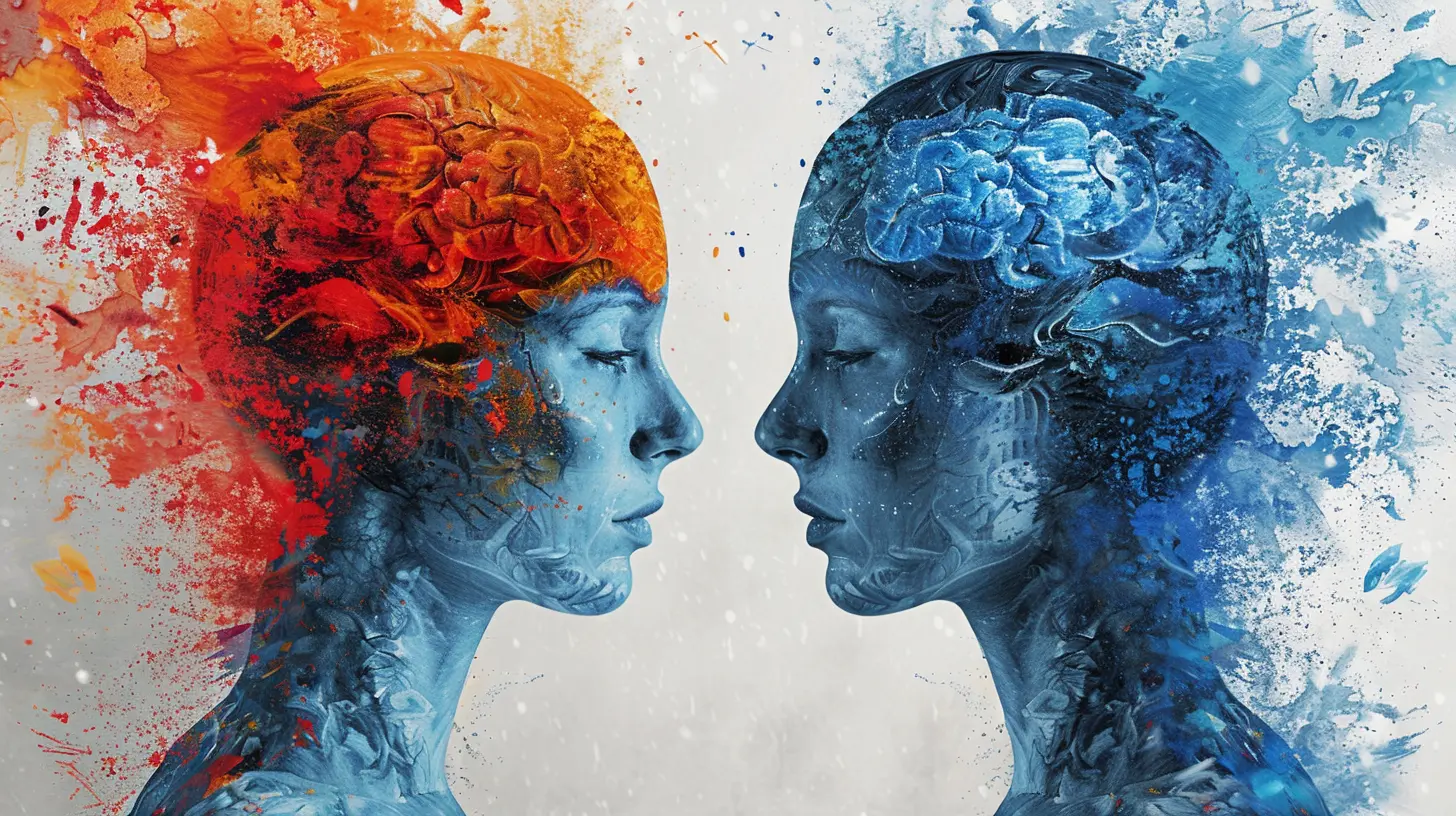
So, Is There a Link Between Intelligence and NPD?
Here’s where things get juicy. The short answer? Yes… and no. (Frustrating, right?)Let’s break it down.
1. Smart People Can Be More Confident — and It Can Look Like Narcissism
Ever notice how really intelligent folks tend to be more self-assured in discussions? They know their stuff, and they’re not shy about it. That confidence can sometimes come off as arrogance — but not all confident people are narcissists.In fact, confidence based on real ability is generally healthy. Narcissism, on the other hand, is often a _mask_ for deep insecurity. Narcissists need constant validation; confident people? Not so much. They’re secure in their worth without external praise.
So, while it can look similar on the surface, confidence and narcissism are apples and oranges.
2. High IQ May Fuel Narcissistic Traits — But Correlation Doesn’t Equal Causation
Some studies suggest a mild correlation between higher IQ and narcissistic traits, especially in leadership positions or high-achieving environments. But here’s the kicker: just because two things are connected doesn’t mean one causes the other.Being smart might help someone climb the ladder, dominate conversations, or gain influence — and those perks _can_ feed narcissistic tendencies. But a high IQ alone doesn't _cause_ narcissism.
Many brilliant people are humble, generous, and empathetic. And plenty of narcissists aren’t particularly intelligent.
3. The Role of “Vulnerable” vs “Grandiose” Narcissism
Not all narcissism is flashy. There are two main types:- Grandiose narcissism: The classic “I’m the greatest” type. These individuals are confident, dominant, and often found in leadership roles or the spotlight.
- Vulnerable narcissism: More hidden. These folks may seem shy or insecure, but underneath, they still feel superior — just resentful the world doesn’t recognize it.
Interestingly, some research shows that grandiose narcissists tend to score _higher_ in verbal intelligence and abstract reasoning, while vulnerable narcissists may not.
So yes, some forms of narcissism do tend to show up more in people with high IQs — especially when paired with ambition.
Why Smart Narcissists Can Thrive (At Least For a While)
Let’s be real. In today’s world, narcissists who are also intelligent often do really well, especially in business, politics, and entertainment. Why?- Charisma + high intelligence = persuasive power
- Confidence is often mistaken for competence
- They know how to manipulate systems and people
- They use their brainpower to justify behavior or twist facts
But here’s the dark side: over time, their behavior tends to backfire. Relationships suffer, teams break down, and reputations take hits. It’s a slow unraveling, like a beautiful car running on the wrong fuel — eventually, it sputters.
High EQ vs High IQ: The Narcissism Filter
Here’s a question for you: Would you rather hang out with someone who’s a genius but emotionally clueless, or someone who really _gets_ people, even if they’re not a rocket scientist?Truth is, emotional intelligence (EQ) is a big predictor of how someone interacts with others — and it may act as a buffer against narcissism.
High-IQ individuals with low EQ may struggle with empathy and self-awareness, both central issues in NPD. But those with both high IQ and high EQ are more likely to use their gifts _for_ people, not _against_ them.
It’s like having a superpower: you can choose to be a hero or a villain.
Nature, Nurture, and Narcissism
Let’s not forget the good ol' nature vs. nurture debate. Intelligence has a strong genetic component, sure. But so does personality.NPD typically develops in early adulthood, often shaped by:
- Childhood trauma or neglect
- Overvaluation by caregivers (“You’re perfect!”)
- Unrealistic praise paired with unrealistic expectations
- Lack of mirroring or emotional validation
So, a highly intelligent child raised in a household where they're treated like the second coming of Einstein _might_ grow into someone with narcissistic traits — not _because_ they’re smart, but because the environment fueled their need to feel superior.
Can Narcissism Be Masked by Intelligence?
Absolutely. Some narcissists are tricky to spot because they know how to “play the game.”They might say all the right things, feign empathy, and even quote psychology studies (ironically) — but underneath it all, it’s still about them. Their intelligence becomes a _tool_ to keep people impressed, compliant, or off-balance.
Scary, right? It’s like putting lipstick on a shark.
Spotting the Difference: A Few Telling Signs
How can you tell the difference between someone who’s just wicked smart and someone with narcissistic traits? Look for patterns, not just moments. Here’s a quick gut check:| Behavior | Just Smart? | Narcissistic Traits? |
|----------|-------------|----------------------|
| Shares knowledge openly | ✅ | ❌ or only when it benefits them |
| Listens and learns from others | ✅ | Rarely — dominates conversation |
| Accepts feedback | ✅ | Becomes defensive or blames others |
| Shows empathy | ✅ | Lacks genuine concern |
| Seeks constant admiration | ❌ | ✅ Always needs praise and validation |
The more checkmarks in the second column, the more you might be dealing with something beyond just high intelligence.
Can Narcissists Change?
Here’s some hope: yes, narcissists _can_ change — but it’s not easy.Awareness is the first step, but it’s tough because, well… narcissists don’t like admitting they’re flawed. Therapy can help, especially if they’re motivated (usually due to a life crisis). But change is slow and non-linear.
By contrast, intelligent people _with_ narcissistic tendencies might actually make good candidates for therapy — _if_ they’re willing to use their insight to grow.
So, smarts can be both a curse and a gift.
Final Thoughts: It's Not About Labels, It's About Balance
At the end of the day, the goal isn’t to slap the label “narcissist” on every brilliant jerk you meet. It's to understand the difference between healthy confidence and toxic self-obsession.Being intelligent doesn’t make someone a narcissist. But when high intelligence is mixed with insecurity, a need for superiority, and lack of empathy — well, that’s when things can tip into pathological territory.
If you ever find yourself dealing with someone who seems both brilliant and manipulative, trust your gut. Intelligence should inspire, not intimidate. And true greatness never needs to belittle others to shine.
all images in this post were generated using AI tools
Category:
Personality DisordersAuthor:

Paulina Sanders
Discussion
rate this article
1 comments
Nell Bell
Ah, the age-old debate: Is it intelligence or just a really fancy mirror? If narcissists are so smart, why do they still think selfies are an art form?
December 8, 2025 at 3:41 AM
Paulina Sanders
Great point! The relationship between intelligence and narcissism is complex, and while some narcissists may exhibit high intelligence, their self-absorption often limits their appreciation for true artistry.