Mindfulness for the Next Generation
10 November 2026
In today's fast-paced world, the ability to stay present and aware has become increasingly essential. As technology continues to evolve and our lives become busier, the importance of mindfulness is more relevant than ever, especially for the younger generation. Mindfulness is not simply a trend; it is a deeply rooted practice with profound implications for mental health, emotional regulation, and overall well-being. This article delves into what mindfulness is, its benefits, practical applications, and how to effectively integrate it into the lives of younger individuals.
Understanding Mindfulness
What is Mindfulness?
Mindfulness is the practice of being fully present in the moment, acknowledging one's thoughts, feelings, and bodily sensations without judgment. This awareness allows individuals to respond to situations thoughtfully rather than reactively. Mindfulness dates back to ancient contemplative practices, primarily rooted in Buddhism, but has been adapted in contemporary psychology and therapeutic practices.The Science Behind Mindfulness
Research has shown that mindfulness can have significant positive effects on mental health. Studies demonstrate its ability to reduce symptoms of anxiety and depression, enhance emotional regulation, and improve focus and concentration. The practice involves activating the brain's prefrontal cortex, which is responsible for decision-making and self-control, while reducing activity in the amygdala, the part of the brain associated with stress responses.
The Importance of Mindfulness for Younger Individuals
Mental Health Benefits
The younger generation faces unique mental health challenges, including academic pressure, social media influence, and a rapidly changing world. Mindfulness can serve as a protective factor against these stressors. For instance, a study found that adolescents who practiced mindfulness showed lower levels of anxiety and greater emotional resilience.Academic Performance
Mindfulness not only alleviates stress but also enhances cognitive functions. When students practice mindfulness, they often experience improved attention spans and better memory retention. This can lead to higher academic performance and a more fulfilling educational experience. For example, a school implementing mindfulness programs reported a notable increase in student engagement and academic outcomes.Emotional Regulation
Mindfulness fosters emotional intelligence, allowing younger individuals to recognize and manage their emotions more effectively. This skill is crucial in navigating relationships and social dynamics. For instance, a teenager who practices mindfulness may be better equipped to handle peer pressure or conflicts, opting for thoughtful responses rather than impulsive reactions.
Practical Applications of Mindfulness
Mindfulness Techniques for Young People
Incorporating mindfulness into daily life does not require extensive time or resources. Here are some practical techniques that can be easily implemented:1. Mindful Breathing
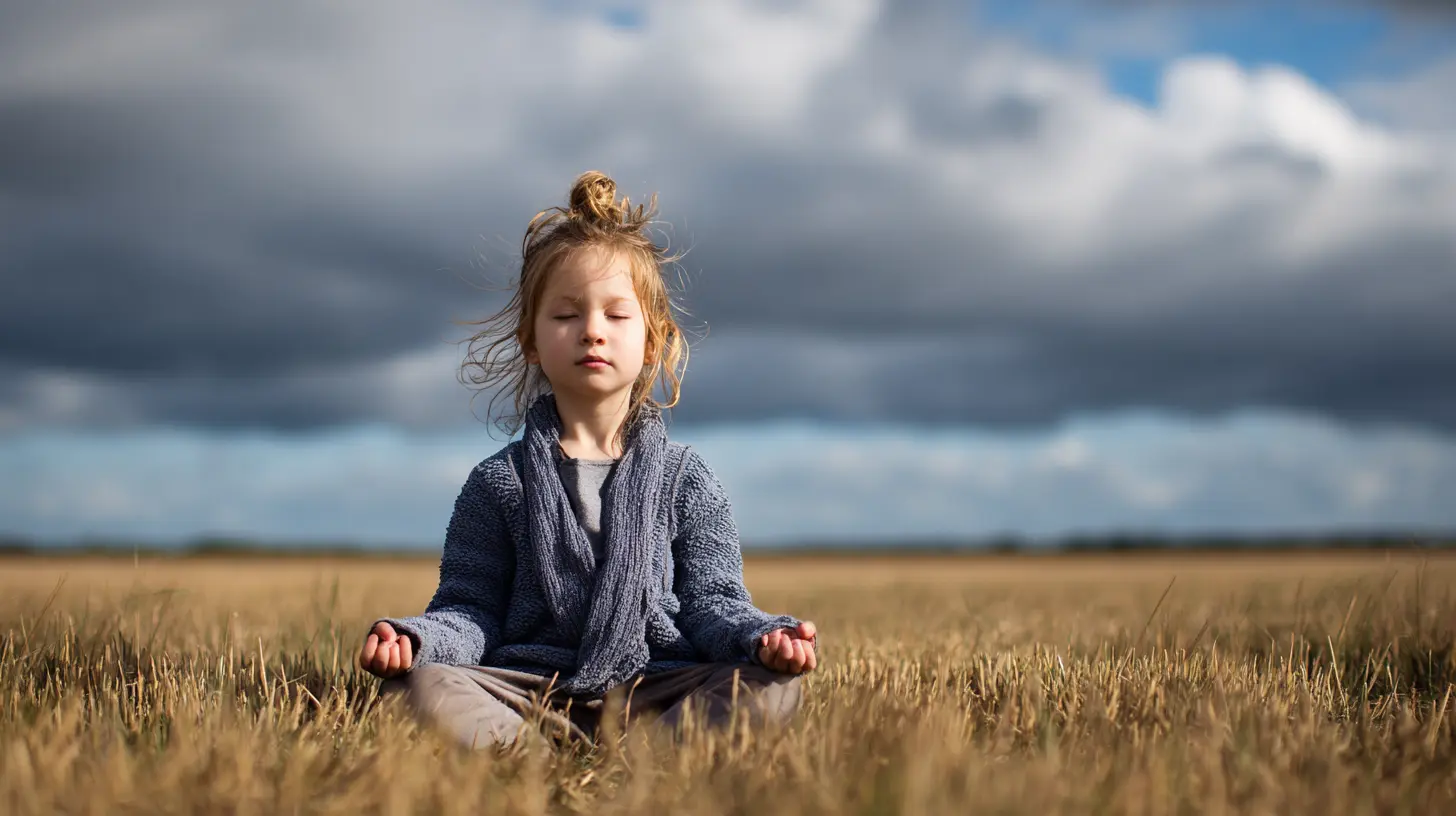
Mindful breathing is one of the simplest and most effective techniques. Encourage young individuals to take a few minutes each day to focus on their breath. They can sit comfortably, close their eyes, and concentrate on the sensation of the breath entering and leaving their body. This practice can help ground them during stressful moments.2. Body Scan
The body scan technique involves mentally checking in with different parts of the body, noticing any tension or discomfort. This practice can be particularly beneficial for students before exams or presentations, helping them release physical tension and enhance their focus.3. Mindful Walking
Mindful walking encourages individuals to pay attention to the experience of walking itself-feeling the ground beneath their feet, noticing the rhythm of their steps, and being aware of their surroundings. This is an excellent way to practice mindfulness while engaging in physical activity.4. Journaling
Encouraging younger individuals to keep a mindfulness journal can be powerful. They can write about their thoughts, feelings, and experiences, focusing on the present moment without judgment. This practice not only enhances self-awareness but also promotes clarity and reflection.Mindfulness in Education
Schools are increasingly recognizing the value of mindfulness in education. Implementing mindfulness programs can create a more supportive and focused learning environment. For example, a program that integrates mindfulness exercises into daily routines can help students transition between classes, reducing stress and promoting a calm atmosphere.Technology and Mindfulness
While technology often distracts, it can also facilitate mindfulness practices. Numerous apps are available that guide users through mindfulness exercises and meditations. For instance, some apps provide short guided meditations specifically designed for young people, making mindfulness accessible and engaging. However, it is essential to balance technology use, ensuring it does not become a source of stress or distraction.
Common Misconceptions About Mindfulness
Mindfulness is Not Just Meditation
Many people associate mindfulness solely with meditation, but it encompasses a broader range of practices. While meditation is a powerful tool for cultivating mindfulness, everyday activities can also be performed mindfully. Eating, walking, or even washing dishes can become mindfulness practices when approached with intention and awareness.Mindfulness Does Not Eliminate Stress
It is a misconception that mindfulness will completely eliminate stress. Rather, it teaches individuals how to manage stress more effectively. Mindfulness provides tools to recognize stressors and respond to them with clarity and calmness rather than being overwhelmed. It is about building resilience, not escaping challenges.Mindfulness is Not a Quick Fix
Mindfulness is a skill that develops over time with consistent practice. Expecting immediate results can lead to frustration and disappointment. Instead, individuals should approach mindfulness with patience and curiosity, allowing the benefits to unfold gradually.Best Practices for Teaching Mindfulness to Younger Individuals
Create a Supportive Environment
When introducing mindfulness practices, it is crucial to create a safe and supportive environment. Encourage open discussions about feelings and experiences without judgment. This fosters trust and allows younger individuals to engage fully with the practice.Start Small
Begin with short mindfulness exercises, gradually increasing duration as individuals become more comfortable. Starting small helps prevent overwhelm and encourages consistent practice.Model Mindfulness
Adults can model mindfulness behaviors by practicing themselves. Young people are more likely to engage in mindfulness if they see their parents, teachers, or mentors demonstrating these practices in their daily lives.Incorporate Mindfulness into Daily Routines
Integrating mindfulness into daily activities can make it more accessible. Encourage young individuals to practice mindful moments during regular routines, such as during meals or commute times. This can help them cultivate a habit of mindfulness without feeling like an additional chore.
Challenges and Considerations
Resistance to Mindfulness
Some young individuals may resist mindfulness practices, viewing them as boring or unnecessary. It is essential to approach the topic with enthusiasm and relatability. Highlight the benefits and adapt practices to their interests, such as incorporating music or art into mindfulness exercises.Individual Differences
Not all mindfulness practices work for everyone. Some techniques may resonate more with certain individuals. Encourage exploration of various methods to discover what feels most effective for each person.Cultural Sensitivity
Mindfulness has roots in various cultures, and it is important to approach its practice with respect and sensitivity. Recognizing and honoring the origins of mindfulness can deepen its significance and promote a more authentic connection to the practice.Real-World Examples of Successful Mindfulness Initiatives
Mindfulness in Schools
Several schools have successfully implemented mindfulness programs, yielding positive results. For example, a middle school in California introduced a mindfulness curriculum that included breathing exercises and guided meditations. Teachers reported improved student focus and a decrease in behavioral issues.Community Programs
Community organizations have also embraced mindfulness. A program in a local community center offered mindfulness workshops for teens, focusing on stress management and emotional resilience. Participants reported feeling more equipped to handle social pressures and academic stressors.
Conclusion
Mindfulness is a powerful tool that can serve the next generation well. As young individuals navigate an increasingly complex world, cultivating mindfulness can enhance their mental health, academic performance, and emotional well-being. By incorporating mindfulness into their daily lives, schools, families, and communities can foster resilience, awareness, and a sense of peace.It is essential to approach mindfulness with an open mind, recognizing that it is a journey rather than a destination. With patience and commitment, the practice of mindfulness can empower young people to thrive in their personal and academic lives, equipping them with the skills needed to face future challenges with confidence.
all images in this post were generated using AI tools
Category:
Mental WellbeingAuthor:

Paulina Sanders