Navigating PTSD: Signs, Symptoms, and Solutions
5 May 2026
We’ve all heard the term PTSD tossed around – whether in movies, on social media, or in the news. But what does it really mean? And more importantly, how does someone actually navigate life when they’re dealing with it?
If you're here, you might be wondering if you or someone you care about is struggling with PTSD. Maybe you’ve experienced something traumatic or you've watched someone close to you go through a drastic personality change after a distressing event. Either way, you’re not alone.
In this post, we’re going to dig deep into what PTSD actually is, the telltale signs and symptoms, and some honest, straight-up solutions that can make life a little more manageable (and maybe even joyful again). So grab a coffee, or tea if that’s your thing, and let’s talk about it – human to human.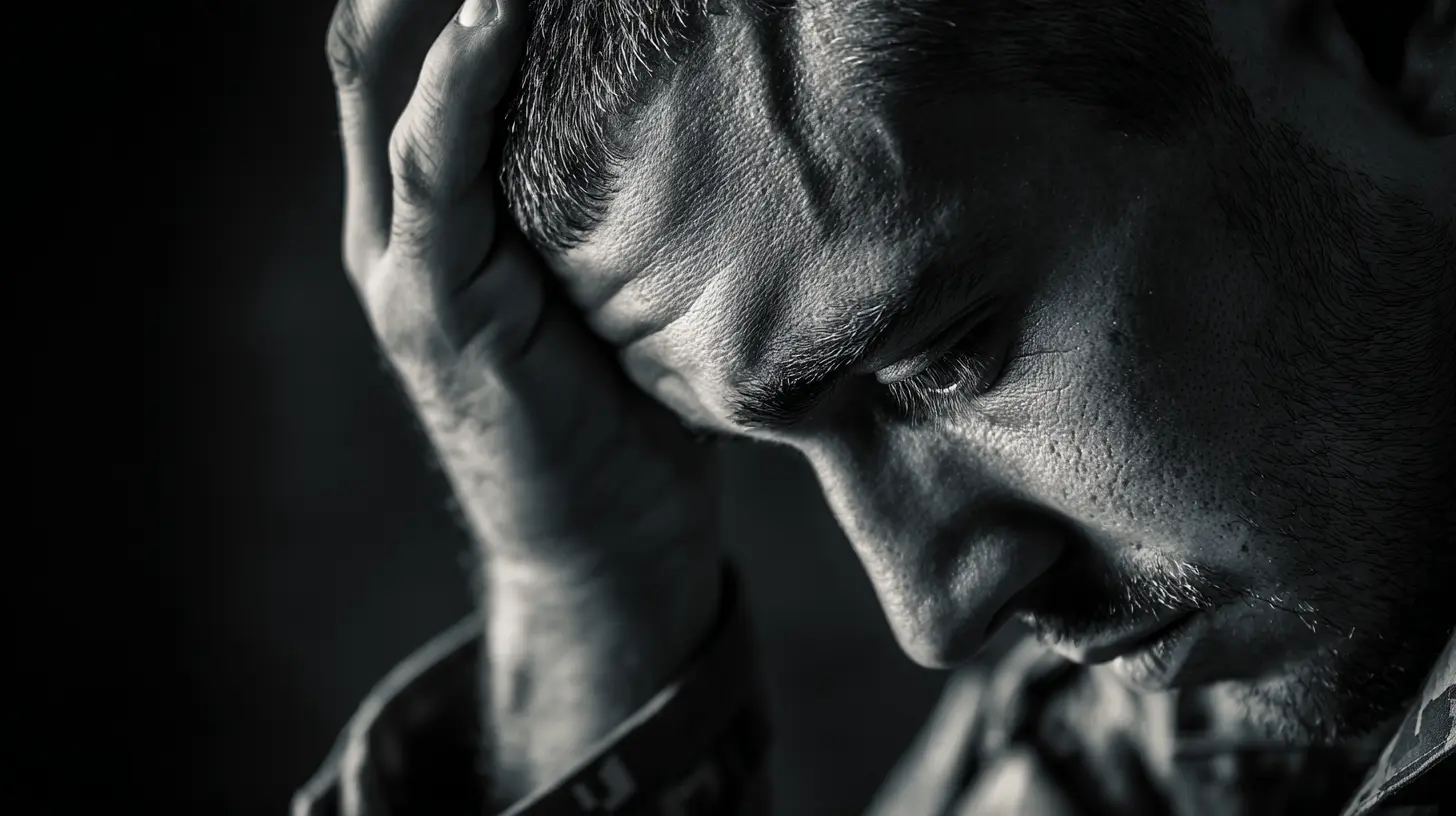
What Is PTSD, Really?
PTSD stands for Post-Traumatic Stress Disorder. It’s not just “being dramatic” or “having a bad week” — it’s a serious mental health condition that can develop after a person goes through or witnesses something terrifying or traumatic. Think combat, car accidents, abuse, natural disasters – the types of things that leave emotional scars, even if the physical ones heal.But PTSD isn’t a one-size-fits-all situation. Some people get it immediately after the trauma. Others might feel okay for weeks or even months before symptoms sneak up on them. And some never develop PTSD at all.
It’s like your brain hit the panic button and forgot how to turn it off.
The Root Cause: Trauma
Before we dive into symptoms and all that, we need to talk about trauma.Trauma can be a single event – like a sexual assault, a shooting, or losing a loved one suddenly. Or, it can be ongoing, like childhood neglect, living in an abusive relationship, or constant exposure to violence.
What counts as trauma? That depends on the person. What traumatizes one person might not faze another. It’s personal, and trying to compare someone's trauma to someone else’s is like comparing apples to oranges – pointless and unfair.
Spotting the Signs: Common Symptoms of PTSD
PTSD symptoms can be loud and impossible to ignore, or they can be subtle and sneaky. Let’s break it down into four main categories of symptoms.1. Intrusive Memories
Ever had a song stuck in your head that you didn’t ask for? Now imagine a traumatic memory playing on a loop instead. That’s what intrusive PTSD thoughts and flashbacks feel like.- Vivid flashbacks that feel like the trauma is happening all over again
- Nightmares that shake you awake and leave you rattled
- Unwanted, distressing thoughts that pop up randomly
These aren’t just “bad memories.” They can be so intense that your mind and body react like you’re back in the traumatic moment.
2. Avoidance
This one’s a biggie. When your brain links certain people, places, or situations to that trauma, it wants nothing to do with them.- Avoiding people, conversations, or activities that remind you of the trauma
- Refusing to think about or talk about what happened
- Shutting down emotionally to “dodge” the pain
Avoidance might feel like self-preservation at first, but it slowly shrinks your world down. Bit by bit, you stop living.
3. Negative Changes in Thinking and Mood
PTSD doesn’t only mess with your sleep or thoughts; it can really hijack how you see yourself and the world.- Persistent guilt, shame, or hopelessness
- Feeling detached from friends or loved ones
- Memory problems, especially about the trauma
- Feeling numb – like nothing matters anymore
If your internal monologue sounds like “I’m broken,” “I can’t trust anyone,” or “I’m always in danger,” PTSD could be pulling the strings.
4. Changes in Physical and Emotional Reactions (Arousal Symptoms)
The fight-or-flight response is your body's natural alarm system. But with PTSD, it’s like the alarm keeps going off… even when there’s no fire.- Being easily startled or constantly “on edge”
- Trouble sleeping or staying asleep
- Angry outbursts or irritability
- Reckless behavior or self-destructive habits
Living on high alert all the time is exhausting. Eventually, your body starts to wear down.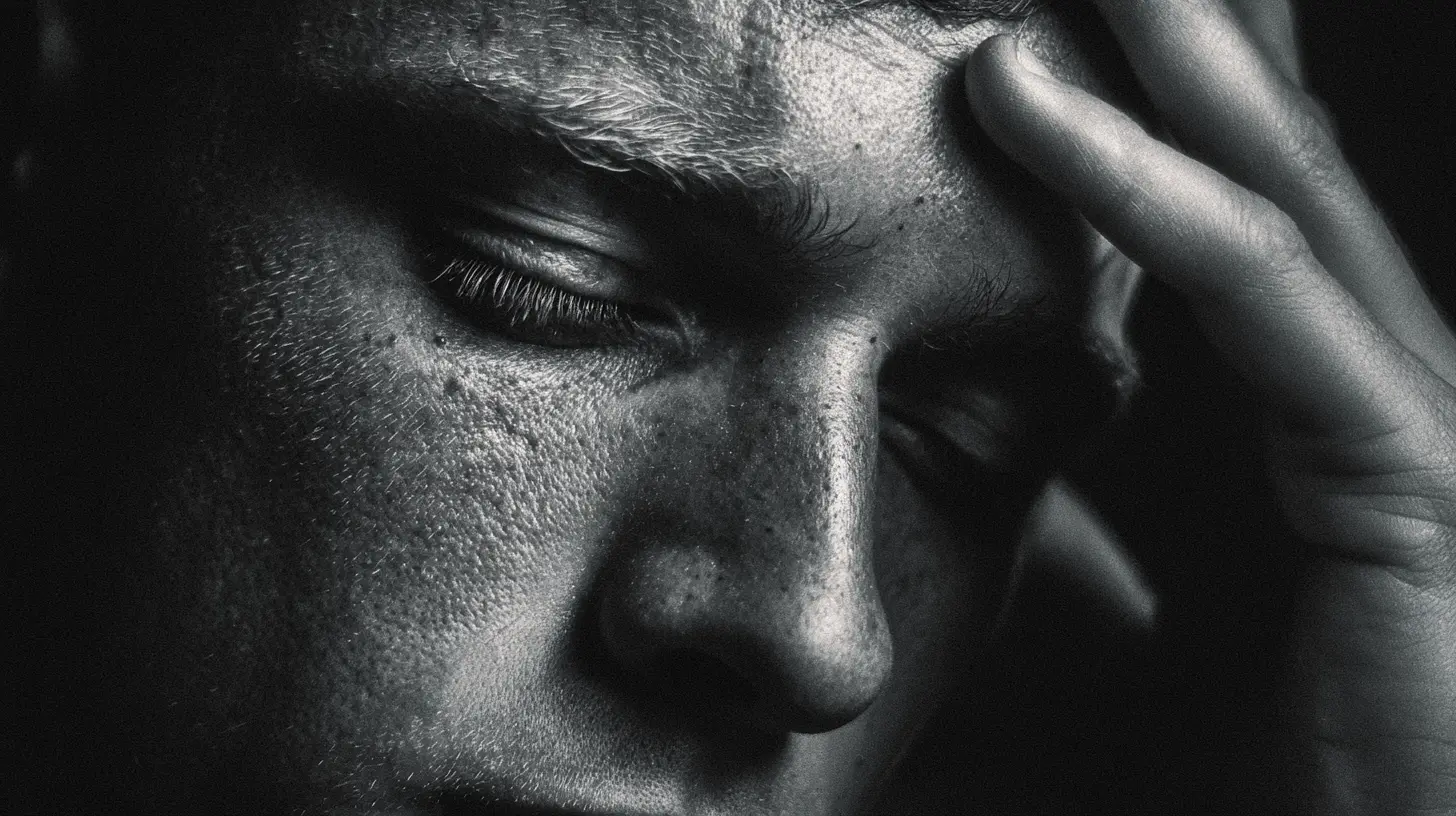
PTSD Isn’t Just for Veterans
Let’s clear up a big misconception right now: PTSD doesn’t only affect soldiers or first responders.Yes, many veterans live with PTSD, and they deserve all the support in the world. But PTSD can affect anyone — kids, teens, adults, men, women, non-binary folks — no matter where they're from or what they do.
It’s not about being “strong” or “weak.” PTSD is a response to overwhelming stress and fear. And nobody should be ashamed of that.
Co-Occurring Problems: When PTSD Drags Friends Along
PTSD often doesn’t travel alone. You might also notice:- Depression
- Anxiety
- Substance abuse
- Chronic pain
- Eating disorders
It’s like a domino effect. When one area of your mental health gets thrown off balance, others can wobble too.
How to Get Help (Because You Deserve It)
Okay, so we’ve talked about how PTSD shows up. Now let’s talk solutions. The good news? PTSD is treatable. Seriously.1. Talk Therapy (aka Psychotherapy)
Therapy can genuinely change your life. Here are a few types that work well for PTSD:- Cognitive Behavioral Therapy (CBT): Helps you identify and challenge negative thought patterns.
- EMDR (Eye Movement Desensitization and Reprocessing): Sounds weird but it has strong science behind it. Helps your brain reprocess the trauma.
- Exposure Therapy: A gradual process that helps you face triggers in a safe way, reducing fear and avoidance.
A good therapist won’t judge you. They’ll walk beside you and help you piece things together again.
2. Medication
Sometimes, meds can help – especially when symptoms are unmanageable. Antidepressants and anti-anxiety medications can take the edge off, giving you space to breathe and start healing.But medication isn’t a magic fix. It works best alongside therapy and other tools.
3. Support Systems
You don’t have to go it alone. Community matters. Whether it’s a trusted friend, a support group, or an online forum, having people who “get it” can be a game-changer.Even just texting a friend when you're struggling can be a powerful act of self-care.
4. Lifestyle Tweaks That Actually Help
No, we’re not about to tell you to “just do yoga” and everything will be fine. But hear us out – little changes can support your healing journey:- Exercise: Move your body. It boosts serotonin and burns off stress.
- Sleep hygiene: Go to bed and get up at the same time every day. Yes, even on weekends.
- Limit alcohol and caffeine: They can amplify anxiety and mess with sleep.
- Mindfulness: Meditation, breathing exercises, or just grounding yourself in the present can calm your racing thoughts.
None of these things are cures — but they help you build a stronger foundation for healing.
Helping a Loved One with PTSD
So, what if it’s not you but someone you love who is struggling?- Don’t push them to talk. Instead, let them know you're there when they're ready.
- Educate yourself. Understanding what they're going through helps you be more patient and compassionate.
- Don’t take it personally. If they lash out or shut down, it’s not about you. It’s their trauma talking.
- Encourage them to seek help, but don’t force it.
You can’t heal someone else. But being there, consistently and kindly, can make more difference than you realize.
When to Seek Urgent Help
If someone is experiencing suicidal thoughts, self-harming, or completely unable to care for themselves, don’t wait.Call a crisis hotline, reach out to a mental health professional, or take them to the ER if necessary. PTSD is serious, and there’s no shame in getting emergency help.
Final Thoughts on Navigating PTSD
Living with PTSD is like walking through life with a heavy backpack full of bricks. It slows you down. It messes with your balance. Sometimes, it feels impossible to move forward.But here’s the truth: You don’t have to carry it alone. You can unpack that backpack, one brick at a time, with the right support.
PTSD doesn’t define you. You are not broken. You are surviving – and that takes real strength.
So if you’re feeling overwhelmed, lost, or scared, take a deep breath. Help is out there. Healing is possible. And most importantly – you deserve to feel peace again.
all images in this post were generated using AI tools
Category:
Emotional TraumaAuthor:

Paulina Sanders
Discussion
rate this article
1 comments
Drake Fry
Thank you for this insightful article. It's comforting to learn about navigating PTSD effectively.
May 30, 2026 at 3:01 AM
Paulina Sanders
I'm glad you found it helpful. Wishing you all the best on your journey.