Post-Traumatic Stress Disorder: Symptoms and Treatment Options
28 June 2026
Let’s get real for a second. Life can be really weird, like, drop-your-ice-cream-on-the-sidewalk-and-watch-it-melt weird. But sometimes, it’s not just weird—it’s traumatic. And when traumatic events happen, they don’t always fade into the background like awkward high school memories. Sometimes, they stick. They haunt. They echo. That, my friend, is where Post-Traumatic Stress Disorder—aka PTSD—struts onto the stage, bringing all its emotional baggage.
In this post, we’re diving deep (but not drearily) into what PTSD actually is, the symptoms people face, and the treatment options that can actually help. So grab a cozy beverage, snuggle up if you want to, and let’s unpack this mental health suitcase together.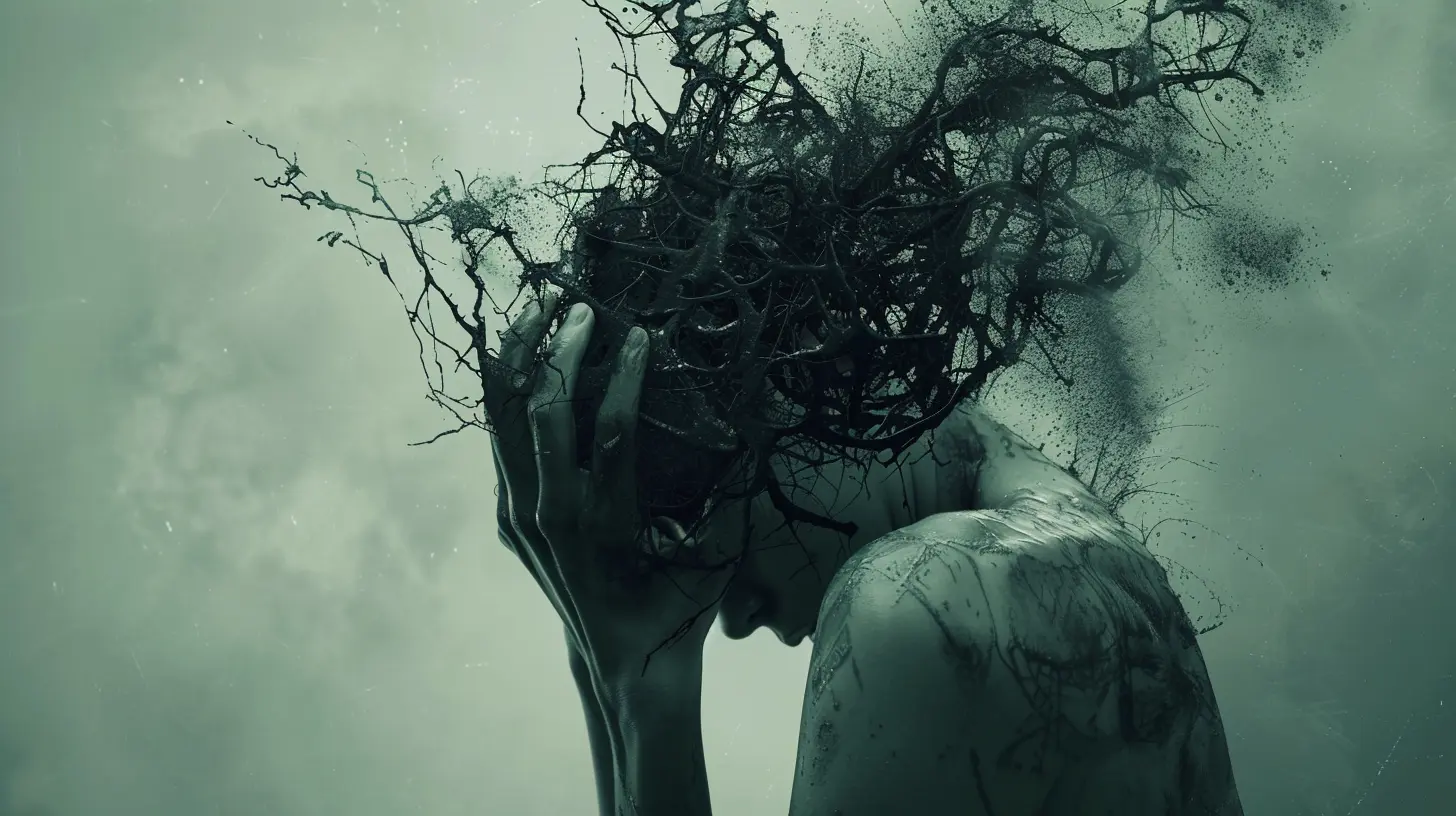
What Exactly Is PTSD Anyway?
Imagine your brain has its own security system—kinda like an alarm that goes off when you’re in danger. Now, let’s say you experience something truly traumatic: a car accident, military combat, assault, natural disaster—you name it. Normally, once you're safe, your brain hits the reset button. But with PTSD, that alarm system gets all glitchy and stuck in red alert mode.In plain human words? PTSD is like your brain constantly yelling, “Danger, Will Robinson!” even when you’re just trying to microwave leftover pizza.
PTSD isn’t just for war veterans or first responders (though they are at high risk). It can affect anyone, at any age, after any kind of trauma—emotional or physical. Yeah, even watching your goldfish die when you were six. Trauma is subjective, folks.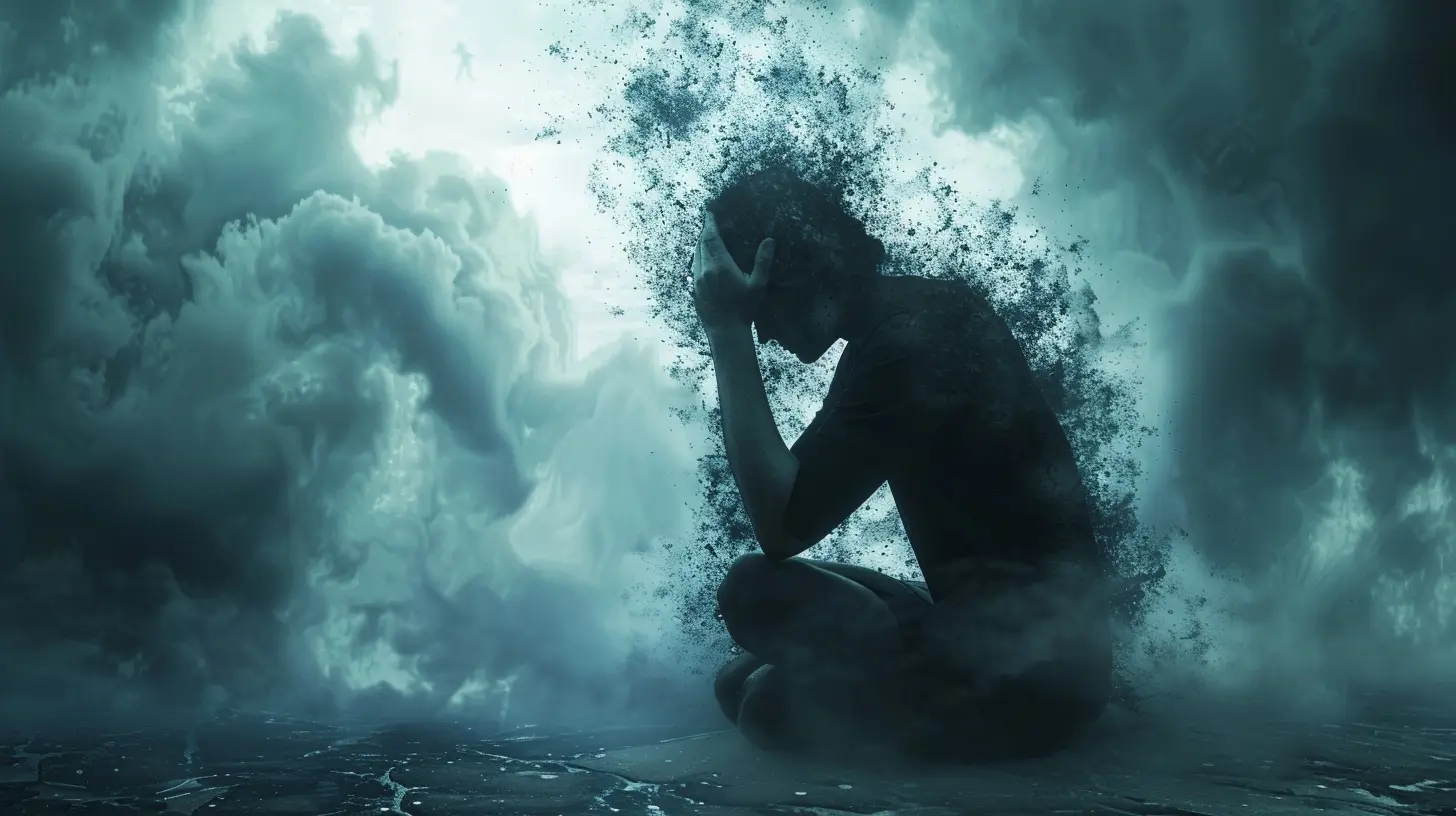
The Quirky Mix of PTSD Symptoms
Symptoms of PTSD are kind of like your ex’s texts—unpredictable, recurrent, and absolutely unwanted. But to make sense of the chaos, professionals usually group them into four categories. Let’s break it down:1. Intrusive Memories
You know those songs that get stuck in your head and you can’t shake them no matter how many Spotify playlists you switch through? Intrusive memories are like the evil twins of those. Only instead of catchy tunes, they’re filled with unwanted, distressing thoughts about the traumatic event.- Flashbacks (like mental time travel but the awful kind)
- Nightmares (hello, 3 a.m. wake-up calls)
- Distressing thoughts that won’t give you peace, even on taco night
2. Avoidance
This one’s like emotional hide-and-seek. You might:- Avoid places, people, or things that remind you of the trauma
- Dodge conversations like they’re dodgeballs on steroids
- Shut down emotionally or mentally when confronted with related topics
Avoidance feels safe, but it’s like putting duct tape over your check engine light. The problem’s still there.
3. Negative Changes in Mood and Thinking
Ever tried looking through sunglasses smeared with peanut butter? That’s kind of what PTSD can do to your mindset.- Feeling hopeless about the future
- Losing interest in life’s simple joys (remember when you used to love dog videos?)
- Emotionally numb or disconnected
- Guilt and shame that sticks harder than super glue
4. Changes in Physical and Emotional Reactions
This is the part where your body and emotions go all haywire.- Easily startled (jump scares are not your friend)
- Trouble sleeping (Netflix binges may or may not be related)
- Angry outbursts over ridiculously small things (“Why is this sock inside out AGAIN?!”)
- Feeling constantly on edge
Weird But True: PTSD Isn’t Always Immediate
You’d think PTSD would hit right after the trauma, like lightning after thunder. But nope. It can sneak in months or even years later—like that delayed Amazon package you forgot you ordered. This is why awareness and early intervention are so important.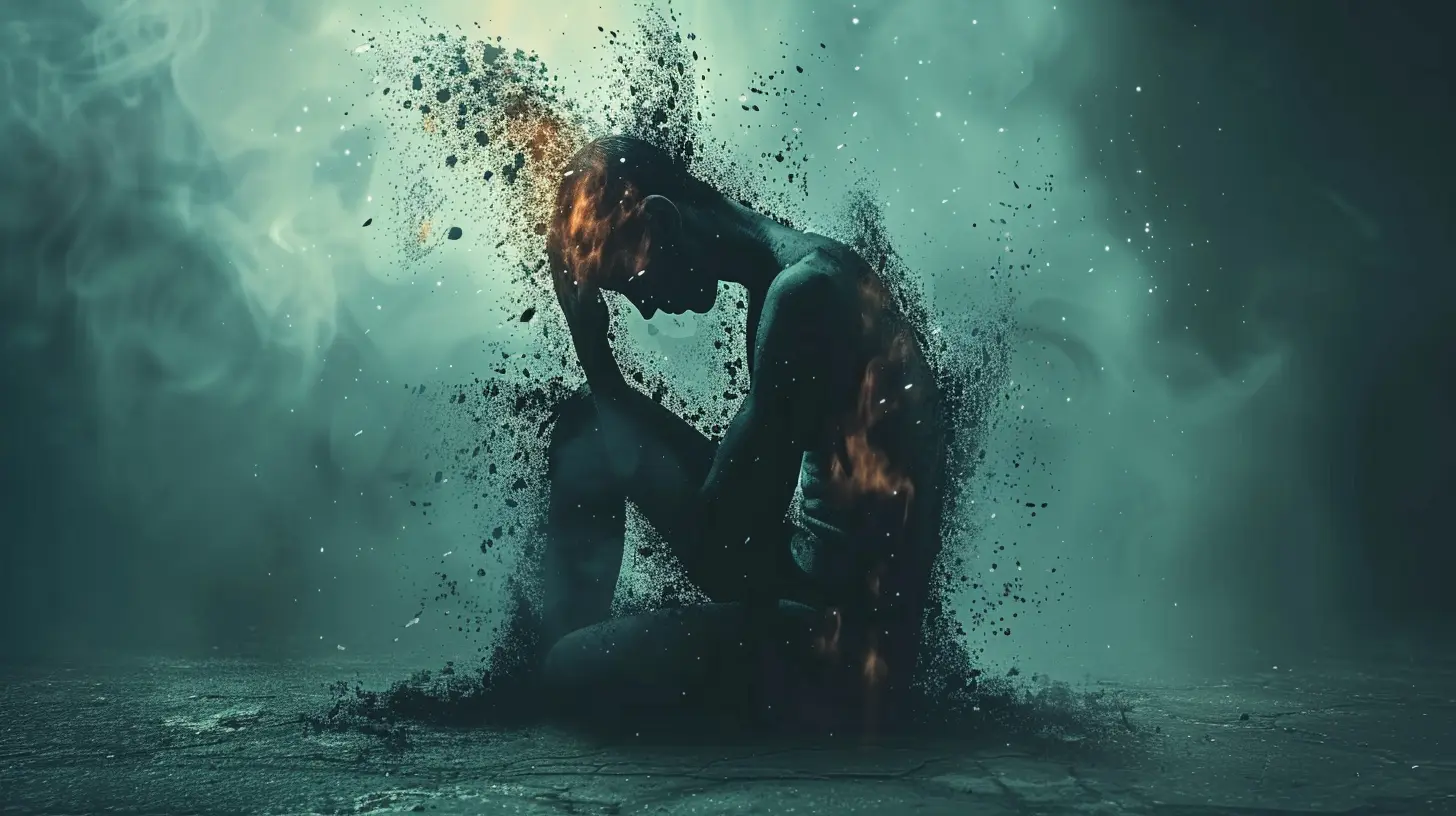
Who's Most at Risk?
Good question. While PTSD isn’t picky—it can affect anyone—some situations raise your likelihood of experiencing it:- Military personnel
- Survivors of sexual or physical assault
- First responders (police, firefighters, EMTs)
- Victims of accidents, abuse, or natural disasters
- People with a family history of mental health issues
Also, here’s a juicy tidbit: women are twice as likely to develop PTSD than men. Weirdly unfair, right?
How Do You Know If You Have PTSD?
Okay, here's the tricky part. Everyone experiences trauma differently. Feeling shaken or upset for a few weeks following a traumatic event is totally normal. But if those feelings stick around like glitter after a birthday party—messy, overwhelming, and impossible to ignore—you might want to consider talking to a professional.A formal diagnosis comes from a licensed mental health provider who will probably use the criteria listed in the DSM-5 (Diagnostic and Statistical Manual of Mental Disorders, Fifth Edition). But don’t worry, they’re not there to judge—only to help.
PTSD Treatment Options (a.k.a. The Light at the End of the Tunnel)
Here's the good news: PTSD is treatable. Let me say that louder for the people in the back: PTSD IS TREATABLE. 🎉Let’s walk through some of the most effective treatment options. You might be surprised how diverse and human-friendly they are.
1. Talk Therapy (a.k.a. Let It All Out)
Therapy might sound like something your overly zen aunt recommends, but trust me—it works. Not all therapy is created equal, though. Here are a few types that have been especially helpful for PTSD:Cognitive Behavioral Therapy (CBT)
The classic. CBT helps you recognize and change negative thought patterns that fuel your PTSD fire.Cognitive Processing Therapy (CPT)
This is a specific offshoot of CBT that focuses on reframing how you think about the trauma.Prolonged Exposure Therapy
You gradually face the trauma you’ve been avoiding (with professional support, of course) until it stops freaking you out so much.Eye Movement Desensitization and Reprocessing (EMDR)
This one sounds sci-fi, but it’s real. With the guidance of a therapist, you process traumatic memories while following a series of eye movements. It’s like clearing out mental cobwebs with a laser.2. Medication (Yes, It's Okay)
Sometimes, your brain’s chemical balance just needs a little nudge. Antidepressants like SSRIs (e.g., Zoloft, Paxil) are commonly used to help manage symptoms. Medication isn’t for everyone, but it can be a lifesaver for some.Bonus tip: Don't just pop a pill and peace out. Therapy and medication together? That’s the power combo.
3. Self-Care (It’s Not Just Baths and Candles)
Taking care of yourself isn’t selfish—it’s survival. And honestly, you’d be amazed at how much daily habits can affect your mental health.- Exercise (endorphins = natural mood boosters)
- Sleep (you can’t Netflix your way to healing)
- Mindfulness, meditation, or yoga (Yes, even if you’re as flexible as a brick)
- Journaling (because getting thoughts out of your head = mental decluttering)
- Art, music, or other creative outlets (paint your pain, write your rage)
4. Support Groups (You Are Not Alone)
Ever feel like you’re the only one on Earth who feels the way you do? Spoiler alert: You’re not. Support groups offer a safe space to connect with others who get it. Whether in person or online, sharing your story (or just listening) can be wildly healing.5. Service Animals (Fluffy Therapy)
Yep, emotional support animals are legit. Dogs in particular can be trained to help people with PTSD by providing comfort, reducing anxiety, and even interrupting flashbacks or panic attacks.Plus, dogs never ask awkward questions. They just snuggle and love you unconditionally. What's better than that?
When to Get Help (And Why You Totally Should)
Listen, we've all tried to tough things out on our own—we think it makes us strong. But reaching out for help? That’s next-level strength.If your symptoms are interfering with your day-to-day life, relationships, or self-worth, it’s time. You don’t have to wait until everything’s on fire. There are people (like therapists, doctors, and even friends with an open ear) who genuinely want to support you.
Seeking help isn’t waving a white flag—it’s building your battle gear.
Busting Some PTSD Myths (Because Misinformation is the Worst)
Let’s set the record straight, shall we?- Myth: PTSD only happens to soldiers.
Truth: Anyone can develop it.
- Myth: If you have PTSD, you’re broken.
Truth: You're not broken. You’re healing from something deeply painful.
- Myth: Talking about trauma makes it worse.
Truth: Facing it (in a safe setting) is part of healing.
- Myth: Time heals all wounds.
Truth: Time helps, but treatment heals.
Final Thoughts: Healing Is Not Linear (But It's Totally Possible)
PTSD can feel like walking through a fog with no flashlight. But remember, you’re not doomed to wander forever. There are flashlights—and people willing to walk with you.You’re not weak for feeling. You’re not overreacting. And you’re not alone. With the right support, tools, and maybe a few metaphorical band-aids, things can get better. Not perfect, but better.
So be kind to yourself, keep asking questions, and don’t give up—your mental health matters more than you know.
all images in this post were generated using AI tools
Category:
Psychiatric DisordersAuthor:

Paulina Sanders
Discussion
rate this article
1 comments
Simone Summers
This article provides crucial insights into PTSD, highlighting its complex symptoms and various treatment options. Understanding these factors is vital for those affected and their loved ones, offering hope for recovery and healing.
July 16, 2026 at 3:11 AM
Paulina Sanders
Thank you for your thoughtful comment. I'm glad you found the insights valuable. Understanding PTSD is key to fostering hope and recovery.