Schizoaffective Disorder: Bridging the Gap Between Schizophrenia and Mood Disorders
1 March 2026
Mental health can sometimes feel like a giant, messy puzzle with a few missing pieces. One of those puzzling conditions is schizoaffective disorder—a complex mix of schizophrenia and mood disorders. Imagine a seesaw constantly shifting between two extremes: psychotic symptoms like hallucinations and delusions on one side, and wild mood swings typical of bipolar disorder or depression on the other.
Sounds confusing, right? Don’t worry—you’re not alone! This article breaks it all down in a fun, easy-to-understand way while keeping things informative. So, let’s dive in and uncover what schizoaffective disorder really is, how it affects people, and what treatment options are out there.

What is Schizoaffective Disorder?
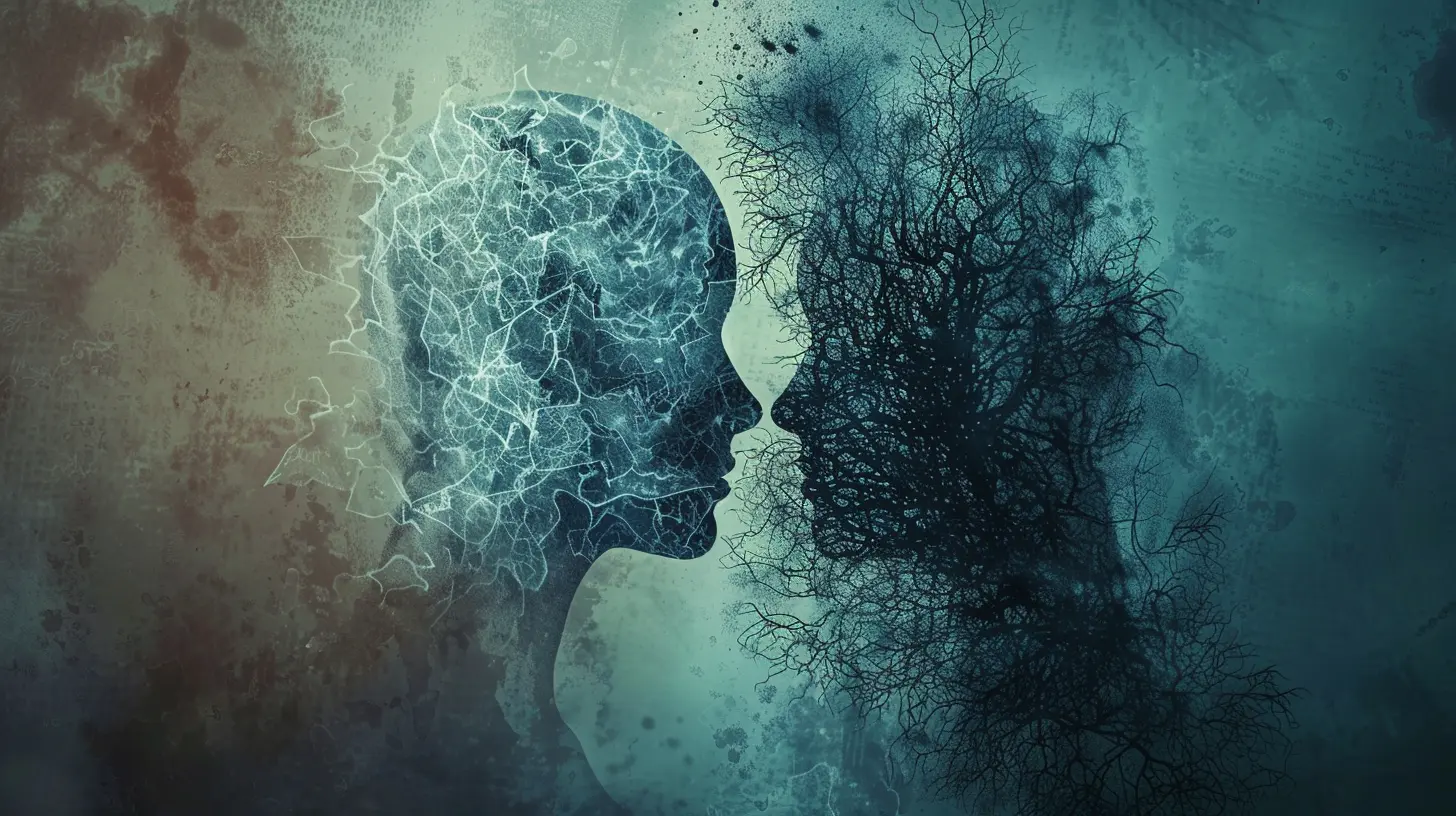
Think of schizoaffective disorder as a mashup of two major mental health conditions: schizophrenia and mood disorders. Unlike schizophrenia, which mainly affects thought processes and perception, schizoaffective disorder throws mood instability into the mix. This means that in addition to experiencing hallucinations or delusions, individuals with this condition also struggle with chronic depression or manic episodes.It’s like having two different radio stations playing in your head at the same time. One station broadcasts confusing and sometimes frightening messages (psychotic symptoms), while the other station flips between energetic music (mania) and sad, slow tunes (depression). Managing this condition means learning how to dial down both signals to create a more balanced listening experience.
Types of Schizoaffective Disorder
Just like mood disorders come in different flavors, schizoaffective disorder isn’t one-size-fits-all. There are two major types:1. Bipolar Type
This type includes episodes of mania and/or major depression, along with psychotic symptoms like hallucinations or delusions. People with this form may experience intense bursts of energy, impulsivity, and racing thoughts, followed by severe depressive crashes.2. Depressive Type
This type includes major depressive episodes, along with psychotic symptoms. There are no manic episodes involved—just persistent sadness, hopelessness, and an overall low mood combined with schizophrenia-like symptoms.Both types can make daily life challenging, especially when symptoms overlap or intensify unexpectedly.

What Causes Schizoaffective Disorder?
The exact cause of schizoaffective disorder remains a bit of a mystery, but experts believe it’s a combination of genetic, biochemical, and environmental factors. Here are some key players:- Genetics: If a close family member has schizophrenia, bipolar disorder, or depression, the chances of developing schizoaffective disorder increase.
- Brain chemistry and structure: Imbalances in neurotransmitters (like dopamine and serotonin) and structural abnormalities in specific brain regions may contribute to symptoms.
- Stress and trauma: High-stress situations, childhood trauma, or substance abuse may trigger or worsen the condition.
It’s like a recipe—each person’s experience is a unique blend of ingredients that shape their symptoms.

Symptoms: What Does Schizoaffective Disorder Look Like?
Schizoaffective disorder can be tricky to diagnose because symptoms overlap with both schizophrenia and mood disorders. Here’s a breakdown of the most common symptoms:Psychotic Symptoms (Similar to Schizophrenia)
- Hallucinations: Hearing voices or seeing things that aren’t there.- Delusions: Strong, false beliefs that don’t change even when proven wrong.
- Disorganized Thinking: Trouble organizing thoughts, speaking in a way that’s hard to follow.
- Paranoia: Feeling overly suspicious or believing others are out to get them.
Mood-Related Symptoms (Similar to Bipolar Disorder or Depression)
- Manic Episodes: High energy, reduced need for sleep, racing thoughts, impulsive decisions.- Depressive Episodes: Persistent sadness, loss of interest, fatigue, difficulty concentrating.
- Mood Swings: Rapid transitions between emotional highs and lows.
A key factor in diagnosing schizoaffective disorder is that psychotic symptoms must occur even when mood symptoms aren’t present. This sets it apart from mood disorders that may sometimes include psychosis.
How is Schizoaffective Disorder Diagnosed?
Because schizoaffective disorder shares symptoms with multiple conditions, diagnosis can be complicated. Mental health professionals typically follow these steps:1. Clinical Interviews: Doctors ask about symptom history, mood changes, and thought patterns.
2. Observation Over Time: Symptoms need to be present for at least two weeks without mood disturbances to confirm the diagnosis.
3. Ruling Out Other Conditions: Other psychiatric disorders and medical conditions must be ruled out.
Many people first receive a diagnosis of schizophrenia or bipolar disorder before doctors recognize the overlapping symptoms of schizoaffective disorder.
Treatment: Managing Schizoaffective Disorder
While there’s no cure for schizoaffective disorder, treatment can significantly improve quality of life. A combination of medication, therapy, and lifestyle changes is the key to managing symptoms effectively.1. Medication: The Cornerstone of Treatment
Since schizoaffective disorder involves both psychosis and mood instability, treatment often includes:- Antipsychotic medications (like paliperidone) to help with hallucinations and delusions.
- Mood stabilizers (such as lithium) to manage manic or depressive swings.
- Antidepressants to help with persistent low moods.
Finding the right medication balance can take time, but once it’s set, it makes a world of difference.
2. Psychotherapy: Talking It Out Helps!
Therapy provides essential coping strategies and emotional support. Some effective approaches include:- Cognitive Behavioral Therapy (CBT): Helps challenge negative thoughts and develop healthier patterns.
- Family Therapy: Educates loved ones about the disorder and improves communication.
- Support Groups: Connecting with others facing similar challenges can be incredibly validating.
3. Lifestyle Adjustments: Small Changes, Big Impact
Simple lifestyle changes can complement medical treatment and improve overall well-being:- Establishing a Routine: A consistent schedule helps reduce stress and unpredictability.
- Regular Exercise: Physical activity boosts mood and energy levels.
- Healthy Diet: A balanced diet supports brain function and stability.
- Stress Management Techniques: Meditation, deep breathing, and mindfulness can help regulate emotions.
Can People with Schizoaffective Disorder Lead Normal Lives?
Absolutely! With the right treatment and support, many individuals with schizoaffective disorder can work, maintain relationships, and live fulfilling lives. It may take time to find the right balance, but recovery is achievable.If you or someone you know is struggling with symptoms, reaching out for professional help is the first step toward stability. Mental health conditions are just like any other medical issue—treatment makes a difference!
Final Thoughts
Schizoaffective disorder is a complex but manageable condition that sits at the crossroads of schizophrenia and mood disorders. While it can be challenging, the right combination of medication, therapy, and lifestyle changes can bring relief and stability.If you’ve ever felt like mental health is a confusing maze, know that you’re not alone. There’s always a way forward, and support is available every step of the way. Stay informed, stay hopeful, and remember—you are not your diagnosis!
all images in this post were generated using AI tools
Category:
Psychiatric DisordersAuthor:

Paulina Sanders
Discussion
rate this article
2 comments
Trixie McClain
Understanding brings hope! 😊
March 27, 2026 at 4:45 AM
Paulina Sanders
Thank you! I'm glad you found it hopeful. Understanding is key to fostering compassion and support. 😊
Amy McLain
Great article! It’s inspiring to see awareness growing around schizoaffective disorder. Understanding the nuances can help bridge gaps and foster compassion. Together, we can support those on their unique journeys!
March 9, 2026 at 3:30 AM
Paulina Sanders
Thank you for your kind words! I'm glad you found it inspiring. Together, we can make a difference in understanding and supporting those affected by schizoaffective disorder.