Self-Care in Relationships: Balancing Your Needs with Others’
1 November 2025
Let’s be real for a second—relationships can be tough. Whether it’s a romantic partner, a best friend, or even a close family member, being deeply connected to another human being takes effort, compromise, and constant communication. But here’s the thing a lot of us forget: you can't pour from an empty cup. If you're constantly putting someone else's needs before your own, you're going to hit burnout… fast.
Self-care isn’t selfish—it’s survival. And in relationships, it’s not just a solo act. It's about figuring out how to prioritize your own wellbeing while still showing up for the people you care about. So, how do you strike that tricky balance?
Let’s unpack it together—no fluff, just real talk.
What Is Self-Care, Really?
Before we dive into the relationship side of things, let's get clear on what self-care actually means. Spoiler alert: it’s not just bubble baths and scented candles.Self-care is about taking responsibility for your physical, emotional, mental, and spiritual health. It’s setting boundaries, saying no without guilt, and giving yourself permission to rest. It’s hitting the gym, going to therapy, journaling your thoughts, or taking a break from social media when it gets toxic.
In short, self-care is everything you do to stay connected to yourself. And when you're in a relationship, that connection becomes even more important.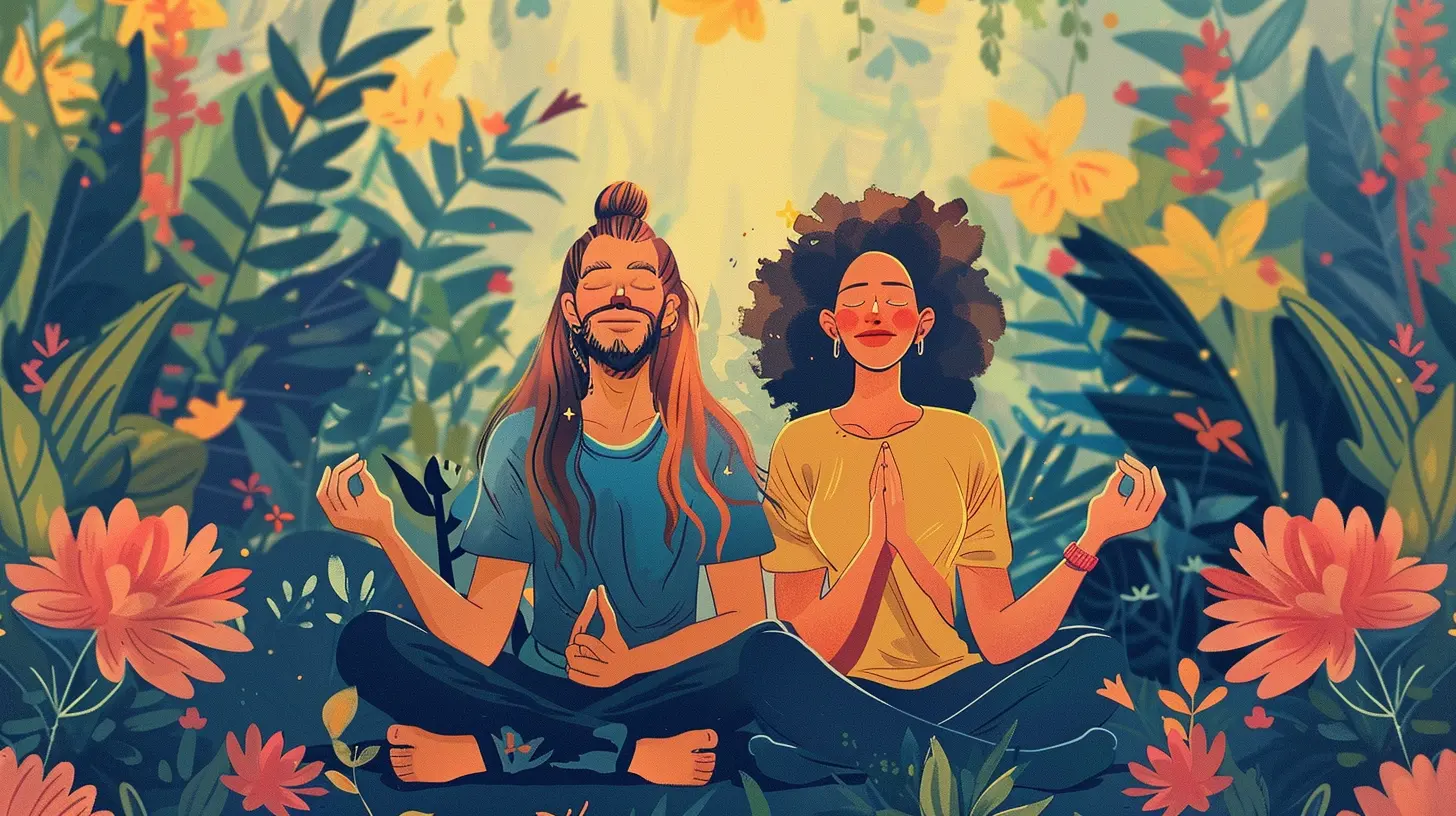
Why Self-Care in Relationships Is So Dang Hard
Let’s face it: when you're in love—or even just deeply invested in someone—it's easy to forget yourself. You want to make them happy, to be reliable, to show up no matter what. At first, that might feel great! But over time, if you’re constantly putting yourself on the back burner, resentment starts to creep in.Ever found yourself snapping at your partner over something tiny, only to realize you’re just exhausted? Yep, that’s what happens when you neglect your own needs for too long.
Here’s one powerful truth: You are not responsible for anyone else’s happiness. You can support and love them, but their well-being isn't yours to carry alone.
Warning Signs You’re Losing Yourself
Sometimes, you don’t even realize you're not prioritizing yourself until you’re knee-deep in burnout. Here are a few red flags to watch for:- You feel drained after spending time with your partner or friend.
- You say “yes” when you really want to scream “no.”
- You avoid conflict just to keep the peace.
- You’ve stopped doing things you love.
- You start feeling resentful or trapped.
Sound familiar? You’re not alone. Many people—especially empaths or people-pleasers—struggle with this. But awareness is the first step toward change.
How to Practice Self-Care Without Pushing People Away
Now for the million-dollar question: How do you take care of yourself without coming off as cold, distant, or uncaring?Let’s break it down.
1. Communicate, Communicate, Communicate
You can’t expect people to read your mind. They don’t know you need space or support unless you say something. Be honest and clear, but kind.Instead of saying, “I need alone time,” try:
>“Hey, I love spending time with you, but I also need a few hours to recharge. It helps me show up better in the relationship.”
That’s not rejection—it’s maturity.
2. Set (And Stick to) Boundaries
Boundaries are not walls. Think of them as fences with gates—you let people in, but only on your terms. They protect your energy, your mental health, and your peace.Examples of healthy relationship boundaries:
- No texting during work hours.
- One night a week dedicated to “me time.”
- No name-calling during arguments.
- Respecting each other’s alone time.
Stick to them, even when it’s uncomfortable. If someone respects you, they’ll respect your boundaries too.
3. Make Time for Things That Matter to YOU
Your hobbies, goals, and passions matter. You don’t need to be joined at the hip with your partner or bestie 24/7.Schedule time for solo activities:
- Read that book that’s been collecting dust.
- Go on solo walks.
- Take that art class you’ve been eyeing.
- Journal, meditate, or just chill in silence.
Your happiness can’t be outsourced—it starts with you.
4. Don’t Guilt Yourself for Needing a Break
This is a big one. So many of us walk around with guilt when we say no or take a step back. But self-care isn't selfish—it's necessary.You’re not a bad partner, friend, or sibling for asking for space. You’re human. And humans need rest, reflection, and boundaries to thrive.
Next time guilt shows up, ask yourself:
>“Would I be upset if someone I care about set this same boundary with me?”
If the answer is no, you’ve got your answer.
5. Prioritize Therapy or Self-Reflection
Relationships are mirrors—they reflect things in us, both good and bad. If you’re noticing patterns like co-dependency, people-pleasing, or fear of abandonment, it’s worth exploring those with a professional.Therapy isn’t just for “broken” people. It’s for curious, open-hearted people who want to do better—for themselves and their relationships.
What Healthy Balancing Actually Looks Like
Let’s talk examples, because theory is nice, but real life is where it counts.Scenario 1: Romantic Relationship
You love your partner, but they want to spend every waking minute together. You, on the other hand, need space to breathe and process.Instead of bottling it up, you say:
>“I love our time together, but I need a night or two each week to recharge alone. It helps me be a better partner.”
Boom. Clear, kind, and direct.
Scenario 2: Friendship
Your best friend calls you every night to vent. You want to be there, but it’s draining you emotionally.Try this:
>“I care about you so much, and I want to support you. But I’m feeling a bit overwhelmed lately. Can we maybe talk every other night instead so I have some time to reset?”
You’re still showing love—but without sacrificing yourself.
The Myth of “Loving Someone Enough”
So many of us have bought into this toxic idea that if we love someone “enough,” we’ll just keep giving and giving until they’re okay. That’s not love—that’s martyrdom.Real love honors both people. It’s not about saving someone. It’s about growing together, respectfully.
Balancing your needs with others' doesn't mean you’re pulling away—it means you’re stepping into a relationship with clarity, intention, and genuine care. And that’s the kind of love that lasts.
What Happens When You Don’t Practice Self-Care in Relationships?
Let’s paint the picture.- You feel constantly burnt out.
- You begin to lose your sense of identity.
- Conflict becomes more frequent and intense.
- Your resentment builds.
- Eventually, the relationship becomes toxic—or worse, collapses altogether.
Neglecting yourself will always show up, one way or another. And it's usually destructive. The better path? Make self-care a daily practice, not a panic button.
Final Thoughts: You’re Allowed to Take Up Space
So here’s your reminder: You are allowed to take up space in your own life, even in your relationships. Actually, especially in your relationships. Because when you’re grounded in who you are, what you need, and what you love—you show up more fully. More authentically. More lovingly.And that? That’s the magic sauce that makes relationships thrive.
So, give yourself permission. Build those boundaries. Prioritize your peace. Love fiercely—but don’t forget to love yourself first.
all images in this post were generated using AI tools
Category:
Self CareAuthor:

Paulina Sanders
Discussion
rate this article
1 comments
Lorelei McClendon
Juggling self-care and love: a circus act of the heart!
November 17, 2025 at 5:10 PM
Paulina Sanders
Absolutely! Finding that balance is key to nurturing both yourself and your relationships. It’s all about prioritizing your needs while also being there for others.