Strategies for Building Communication Skills in Autistic Children
22 May 2026
Communication isn’t just about talking. It’s about connecting. For children with autism, that connection can often feel like a steep mountain to climb. But with the right strategies—practical, patient, and personalized—we can help make that mountain a little less intimidating. Whether you're a parent, guardian, teacher, or therapist, understanding how to build communication skills in autistic children is not only essential—it's transformative.
Let’s dig deep into this topic and break it down into bite-sized, relatable chunks so you walk away not just informed, but empowered. Ready?
Why Do Communication Challenges Arise in Autism?
Before we dive into the strategies, let’s get a grip on the ‘why’. Autism Spectrum Disorder (ASD) affects how children perceive and interact with the world. That includes how they express themselves and understand others.Some autistic kids might not use words at all, while others might speak fluently but struggle with social cues like tone of voice, facial expressions, or knowing when to speak and when to listen.
💡 Quick Fact: Around 30% of children with autism are minimally verbal, meaning they speak few or no words by school age.
These challenges don’t mean they don’t want to connect—they absolutely do. But their way of connecting might just look and sound different.
The Foundation: Start With Individual Strengths
Think of communication like a house. You need a strong foundation to build anything solid. That foundation? The child’s strengths.Some autistic children are visual thinkers. Others might have strong auditory memory or musical talents. Some love routines. Some are tech-savvy from an early age.
So instead of forcing a "one-size-fits-all" approach, meet them where they're at. Use their natural interests and strengths as the starting point.
Pro Tip:
If your child is obsessed with trains, use train-themed games, books, or conversations to foster back-and-forth interaction.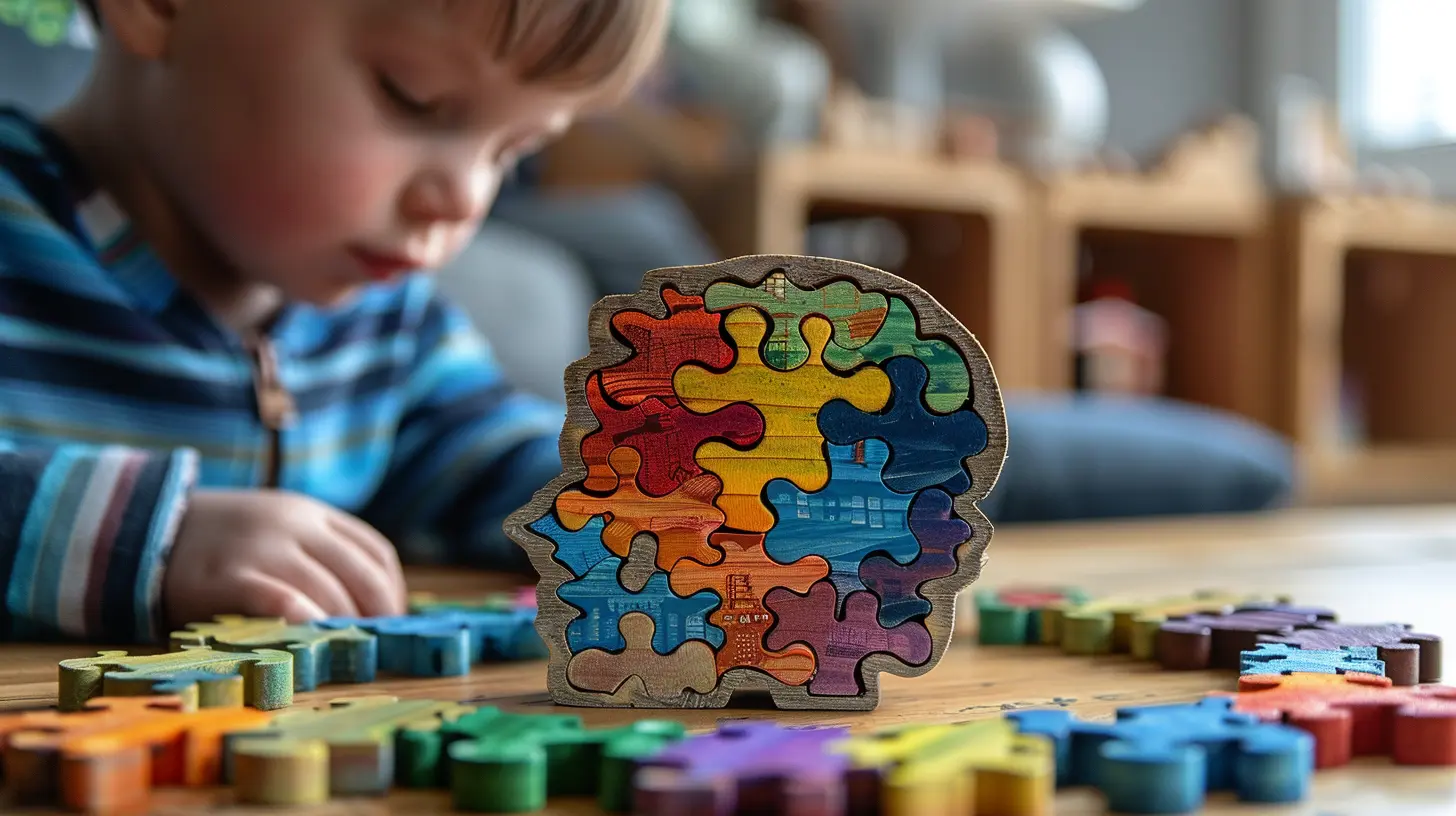
1. Use Visual Supports
Pictures speak louder than words—especially for many autistic kids. Visual aids offer structure, predictability, and clarity.Some Great Visual Tools:
- Picture Exchange Communication System (PECS): Kids hand over pictures to request things.- Visual Schedules: Helps with transitions and understanding what’s happening next.
- Storyboards and Comic Strip Conversations: Break down social interactions step-by-step using images.
Think of visuals like GPS for communication. They guide, show the way, and reduce the anxiety of the unknown.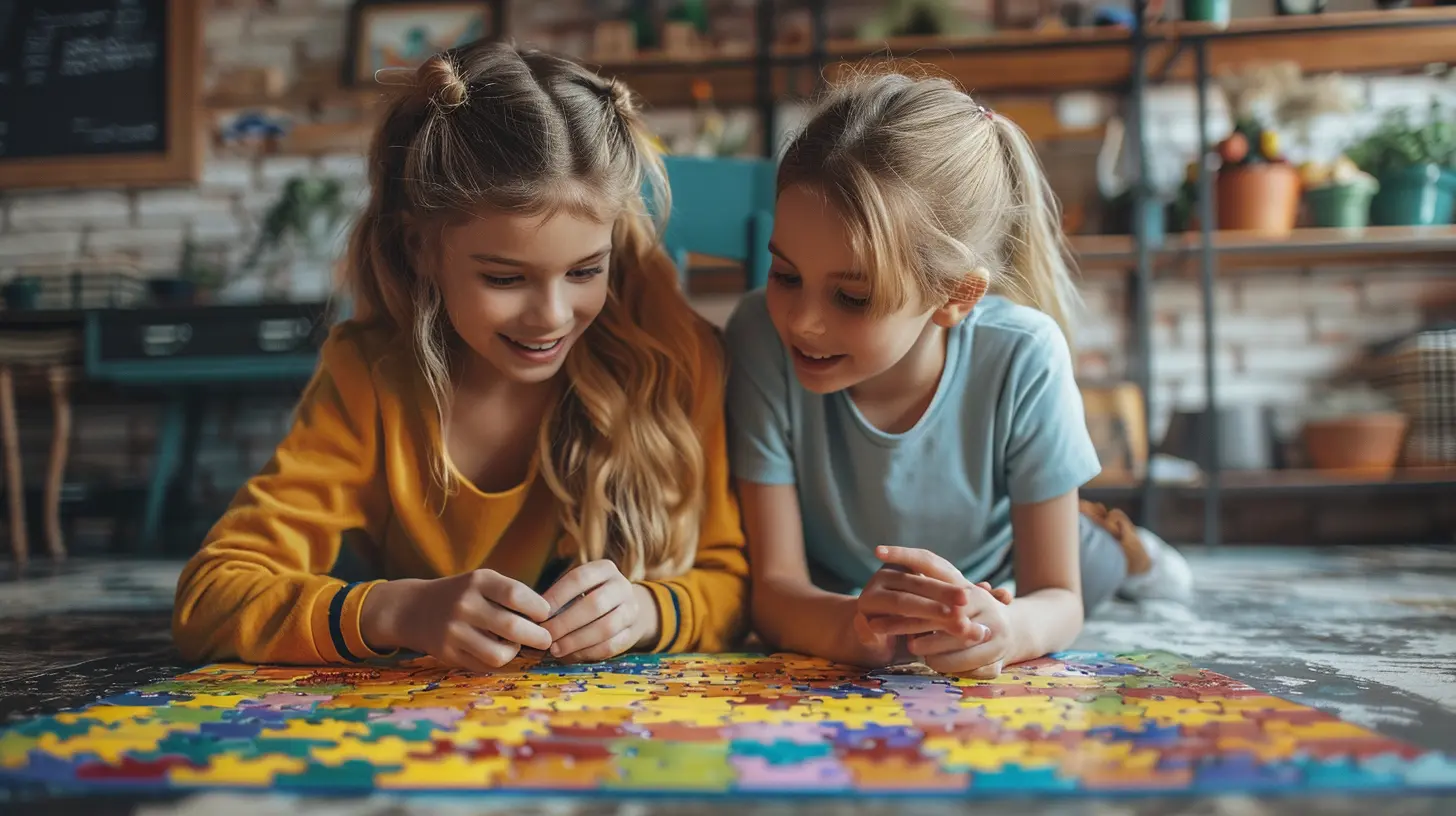
2. Encourage Play-Based Interaction
Play is a child’s language. It’s also a golden opportunity to build communication naturally and joyfully.But here's the catch: not all play is equal. Structured play (turn-taking games, pretend play, etc.) helps teach important skills like joint attention, imitation, and emotional expression.
Tips for Play-Based Strategies:
- Follow the child’s lead. Let them choose the toy or activity.- Imitate their actions or sounds—it builds connection.
- Use exaggerated facial expressions and vocalizations to grab their attention.
Don’t underestimate silly games like peek-a-boo or making animal sounds. They’re not just fun—they're building blocks of engagement.
3. Use Simple and Repetitive Language
You wouldn’t hand someone a novel if they’ve just started learning the alphabet, right? Same goes for communication.Speak in short, clear phrases. Repeat core words often. Emphasize keywords.
Instead of saying, “Do you want to come with me into the living room to watch some TV?”, just say, “Come watch TV.”
Over time, gradually build complexity as their understanding grows.
4. Incorporate Sign Language or Alternative Communication
Speech isn’t the only form of communication. Some children may benefit from Augmentative and Alternative Communication (AAC) systems. These include:- Sign Language
- Communication Boards
- Speech-Generating Devices (SGDs) or apps like Proloquo2Go
It might feel like you’re giving up on speech, but that’s a myth. AAC often supports and even enhances verbal speech by reducing frustration and giving children a voice.
5. Create Opportunities to Communicate
One of the easiest traps to fall into is doing too much for the child. If they never have to ask for juice because you hand it over at the first glance—they won’t feel the need to communicate.Try these tricks:
- Offer choices: “Do you want apple or banana?” (Hold both up visually.)- Pause before helping: Wait a moment for them to request assistance.
- Set up situations: Put a toy out of reach so they have to ask for help.
These little scenarios can spark big moments of interaction.
6. Model Desired Behaviors (Keep It Natural!)
Children learn a lot through observation—yes, even autistic children. The trick is to model communication in real-life, meaningful contexts.Instead of drilling flashcards, talk to your child about what’s happening in the moment.
Example: During bath time, you could say, “Water is warm,” or, “Wash your feet.” This keeps language tied to sensory input, which boosts comprehension.
Narrate your actions, describe their emotions ("You look happy!"), and celebrate every effort they make to communicate—even if it’s not perfect.
7. Foster Social Communication with Peers
Socializing doesn’t come easy to many children on the spectrum. But peer interactions are an important context for learning new communication skills.Create opportunities for social play, but keep it structured and supervised.
Great Ideas:
- Playdates with familiar, calm peers- Small group activities at school
- Circle time singing or dancing sessions
Don’t just throw them into chaotic social situations and hope they swim. Ease them into it. Think of it like dipping toes in a pool before diving in.
8. Work Closely with Therapists and Educators
You’re not in this alone. Speech-language pathologists (SLPs), occupational therapists, and special-ed teachers can be game-changers.Collaborate regularly. Share notes. Ask questions.
Most importantly, make sure there's consistency across environments—what’s being taught at school should be reinforced at home (and vice versa).
9. Be Patient and Celebrate Small Wins
Progress won’t always be linear. Some days will be tough. Some moments will be frustrating.But every time your child points instead of screams, utters a new word, makes a new sound, or even just makes eye contact—celebrate it.
Patience is more than a virtue here—it’s a necessity. Growth happens in small, consistent steps, not giant leaps.
Common Mistakes to Avoid
Knowing what not to do is just as important as what to do. Here are a few pitfalls to dodge:- Talking too fast or using long sentences
- Forcing eye contact
- Rushing responses (They might need more time!)
- Disregarding non-verbal communication (pointing, gestures, body movements count too!)
- Assuming silence means lack of understanding—many autistic kids understand far more than they express.
Real-Life Story: Meet Jake
Jake was 4 years old when his parents noticed he wasn’t talking like other kids his age. He loved puzzles, hated loud noises, and would rather line up his toy cars than play tag with other kids.His speech therapist started with visual cards using PECS. At first, Jake just handed over a picture of a juice box to get a drink. Weeks later, he started pairing words with the pictures—“Juice, please.”
Now at age 6, he’s using short sentences, independently requesting his favorite toys, and even cracking simple jokes.
It didn’t happen overnight. It took months of consistent, patient work. But it happened—and yours can too.
Final Thoughts
Building communication skills in autistic children isn’t a one-and-done task. It’s a journey filled with patience, creativity, trial and error, and tons of heart.Remember: every child is different. What works for one might not work for another. The key lies in tuning into their world, not forcing them into ours.
So keep it playful, be consistent, and celebrate every single win—big or small. Because communication is more than words. It’s connection, and every child deserves that.
all images in this post were generated using AI tools
Category:
AutismAuthor:

Paulina Sanders
Discussion
rate this article
1 comments
Ursula Larsen
Great insights! With patience and creativity, we can help our kids thrive in their communication journeys. Keep it up!
June 6, 2026 at 4:15 PM
Paulina Sanders
Thank you! I appreciate your support. Together, we can make a difference in their communication growth.