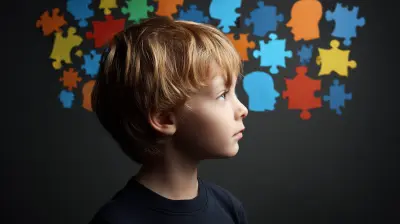
The Bystander Effect: Social Influence and Diffusion of Responsibility
23 January 2026
Have you ever witnessed an accident or someone in distress but assumed someone else would step in to help? You're not alone. This phenomenon is known as the bystander effect, and it’s a psychological puzzle that has fascinated researchers for decades. But why do we sometimes freeze in critical moments, relying on others to take action? Let’s break it down in simple terms.
What Is the Bystander Effect?
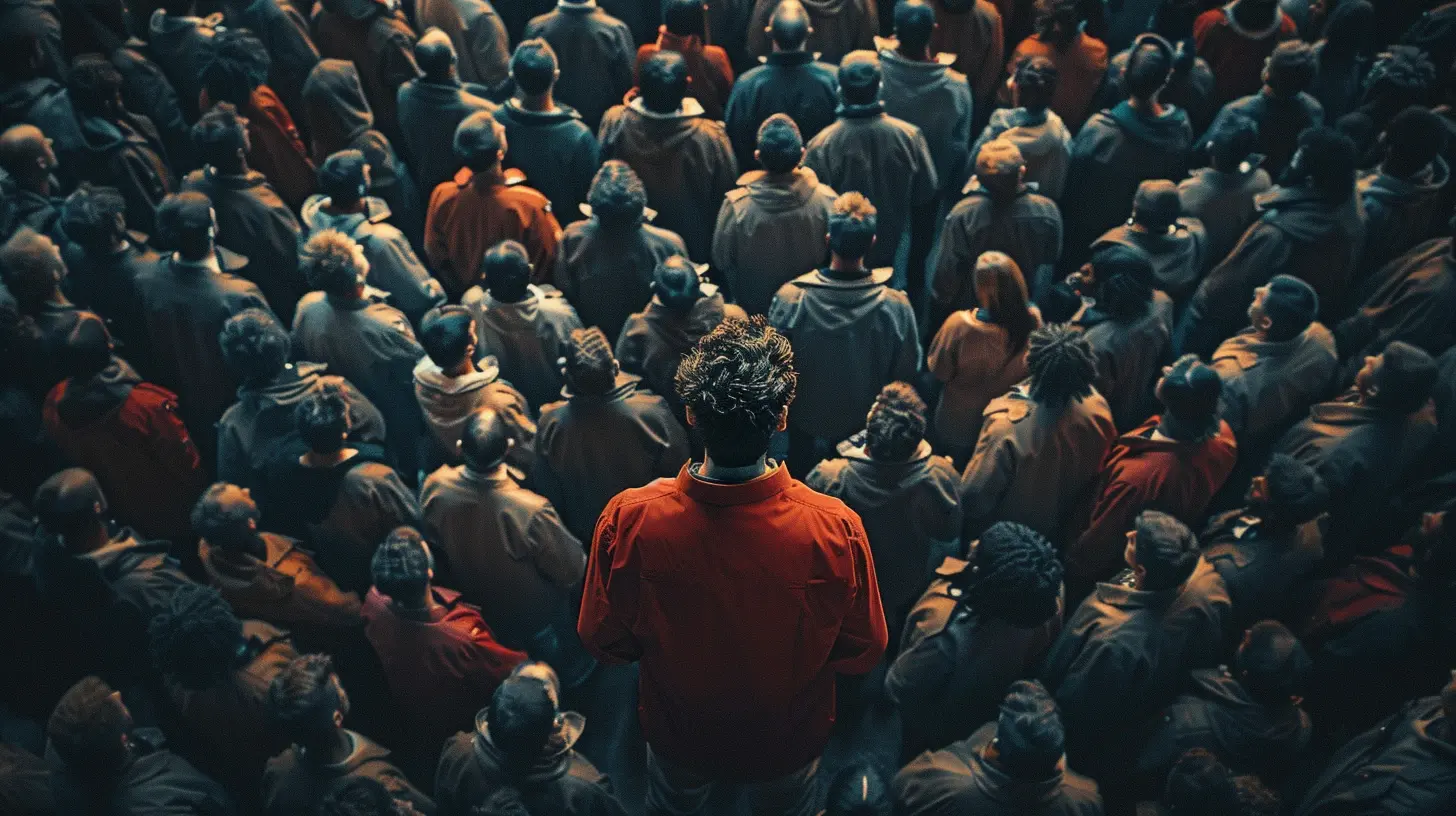
The bystander effect occurs when individuals are less likely to offer help in an emergency if other people are present. The more people around, the less responsible we feel. This is known as the diffusion of responsibility, where we assume someone else will step up.Imagine you’re in a crowded street, and you see someone faint. If you were the only person there, you’d probably rush to help. But in a crowd, you might hesitate, thinking, “Surely, someone else will take care of it.” That’s the bystander effect in action.

The Psychology Behind the Bystander Effect
Why does this happen? Psychologists have pinpointed a few key reasons:1. Diffusion of Responsibility
When we’re in a group, we assume others will take action, so we don’t feel as responsible. The larger the crowd, the stronger this effect.2. Social Influence (Pluralistic Ignorance)
We tend to look at others to gauge how to react. If no one else seems concerned, we assume there’s no real emergency—this is called pluralistic ignorance. Everyone is thinking the same thing, and as a result, no one acts.3. Fear of Judgment (Evaluation Apprehension)
Sometimes, we worry about how others will perceive us. “What if I misread the situation and make a fool of myself?” This fear can paralyze us, keeping us from stepping in.4. Lack of Knowledge or Skills
Sometimes, we genuinely don’t know what to do. If an emergency requires medical attention or specific help, we might hesitate because we feel unqualified.
Famous Studies on the Bystander Effect
The Murder of Kitty Genovese
The bystander effect gained widespread attention after the tragic 1964 murder of Kitty Genovese in New York. Reports claimed that over 30 people heard her screams but did nothing. While later investigations disputed some details, this case sparked interest in understanding why people failed to intervene.Latane and Darley’s Experiments
Psychologists John Darley and Bibb Latané conducted experiments to study this behavior. In one famous study, students were placed in separate rooms and communicated via intercom. When one fake participant pretended to have a seizure, researchers found that the more people involved, the less likely individuals were to act quickly.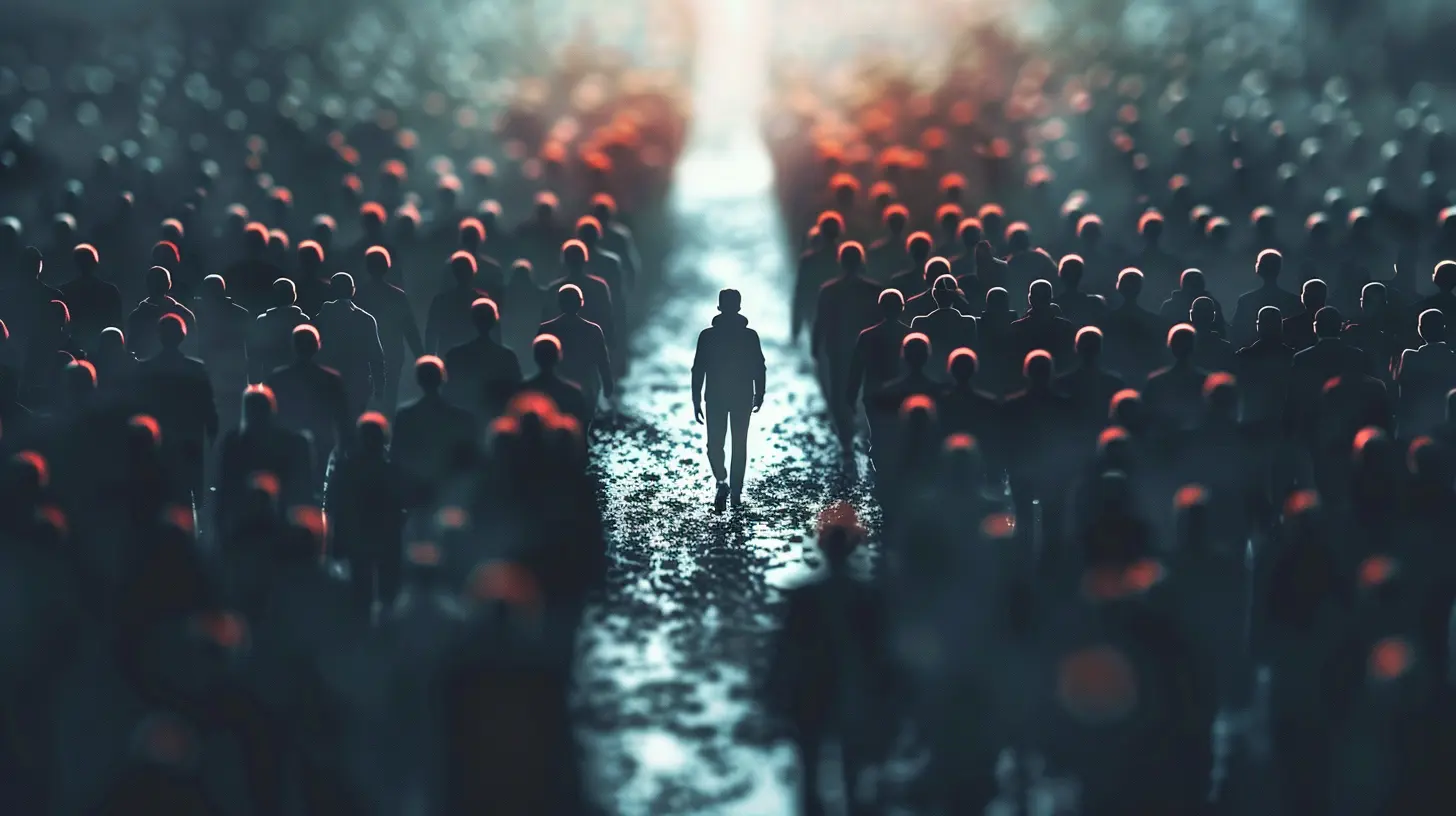
Real-Life Examples of the Bystander Effect
The bystander effect isn’t just confined to psychology labs—it plays out in real-world situations all the time.- Street Incidents: A person collapses on a busy sidewalk, and many walk past, assuming someone else will help.
- Online Bullying: People witness cyberbullying but don’t intervene, thinking someone else will report it.
- Workplace Issues: Employees notice unethical behavior but stay silent, believing it’s someone else’s responsibility.
Who Is More Likely to Help?
While the bystander effect is powerful, some people break the mold. Research suggests that certain factors make someone more likely to help:- Being alone: If you're the only witness, there's no one to pass responsibility to.
- Having specific training: People trained in first aid, law enforcement, or emergency response are more confident in stepping up.
- Feeling connected to the victim: If you relate to the person in need, you're more likely to intervene.
- Personality traits: Empathy and assertiveness increase the likelihood of taking action.
How to Overcome the Bystander Effect
Now that we understand why people hesitate, how can we fight this instinct?1. Be Aware of the Effect
Simply knowing about the bystander effect can help you catch yourself in the moment. Next time you see an emergency, remind yourself: "Everyone else is probably thinking the same thing—I should act."2. Take Personal Responsibility
Instead of assuming someone else will help, tell yourself, "It's up to me." This mental shift can push you to step in when needed.3. Call Out Specific People
If you need help, don’t just shout, “Someone call 911!” Instead, point at a specific person and say, “You, in the red shirt, call 911!” This eliminates diffusion of responsibility.4. Lead by Example
People are more likely to help if they see someone else taking action. Be that person. Your courage can create a ripple effect.5. Educate Others
Talk about the bystander effect with friends and family. The more people understand it, the more likely they are to break the cycle.6. Train Yourself in Emergency Response
Learning basic first aid, CPR, or crisis intervention can boost your confidence. When you know what to do, you're less likely to freeze in a real emergency.The Bystander Effect in the Digital Age
The bystander effect extends beyond physical spaces—it also thrives online. Social media has made it easier than ever to witness injustice, yet many stay silent. Whether it’s cyberbullying, misinformation, or a crisis, people often scroll past instead of intervening.How can we change this? Report harmful content, support victims, and be vocal when something is wrong. Just like in real life, one person speaking up can inspire others to act.
Final Thoughts
The bystander effect is a strange psychological phenomenon, but it doesn’t have to control us. By understanding why it happens and making a conscious effort to break the cycle, we can become the kind of people who step up when it matters most.Next time you see someone in need, ask yourself: “If not me, then who?” That small shift in mindset could make all the difference.
all images in this post were generated using AI tools
Category:
Psychological TheoriesAuthor:

Paulina Sanders
Discussion
rate this article
2 comments
Thorne Cannon
The Bystander Effect starkly illustrates how social dynamics can impede individual action in crisis situations. Recognizing our shared responsibility is crucial; we must challenge complacency and cultivate a culture of proactive intervention to foster a more compassionate society.
February 26, 2026 at 4:53 PM
Paulina Sanders
Thank you for highlighting the importance of collective responsibility in addressing the Bystander Effect. Your insights on fostering proactive intervention are vital for creating a more compassionate society.
Honor Brooks
Fascinating exploration! I'm intrigued by how the bystander effect shapes our responses in emergencies. What strategies can we employ to counteract this phenomenon?
January 27, 2026 at 4:43 AM
Paulina Sanders
Thank you! To counteract the bystander effect, we can raise awareness about it, promote individual accountability, and encourage people to take specific actions during emergencies, such as directly asking someone to help or calling for assistance.