The Connection Between Creativity and Mental Health
3 February 2026
There’s something undeniably magical about a mind that can paint a picture with words, build bridges between sound and silence, or sketch emotions without ever speaking a word aloud. Creativity—it’s the heartbeat of human expression. But here’s the twist—behind many of history’s most brilliant minds lies a shadowy question: Is there a deeper tie that binds creativity and mental health?
Let’s take a walk through that winding corridor. Yeah, the one with cracked walls and bright murals. It’s messy, it’s beautiful, and it's where imagination meets emotion. Buckle up. We're peeling back the layers of this fascinating, and sometimes misunderstood, relationship.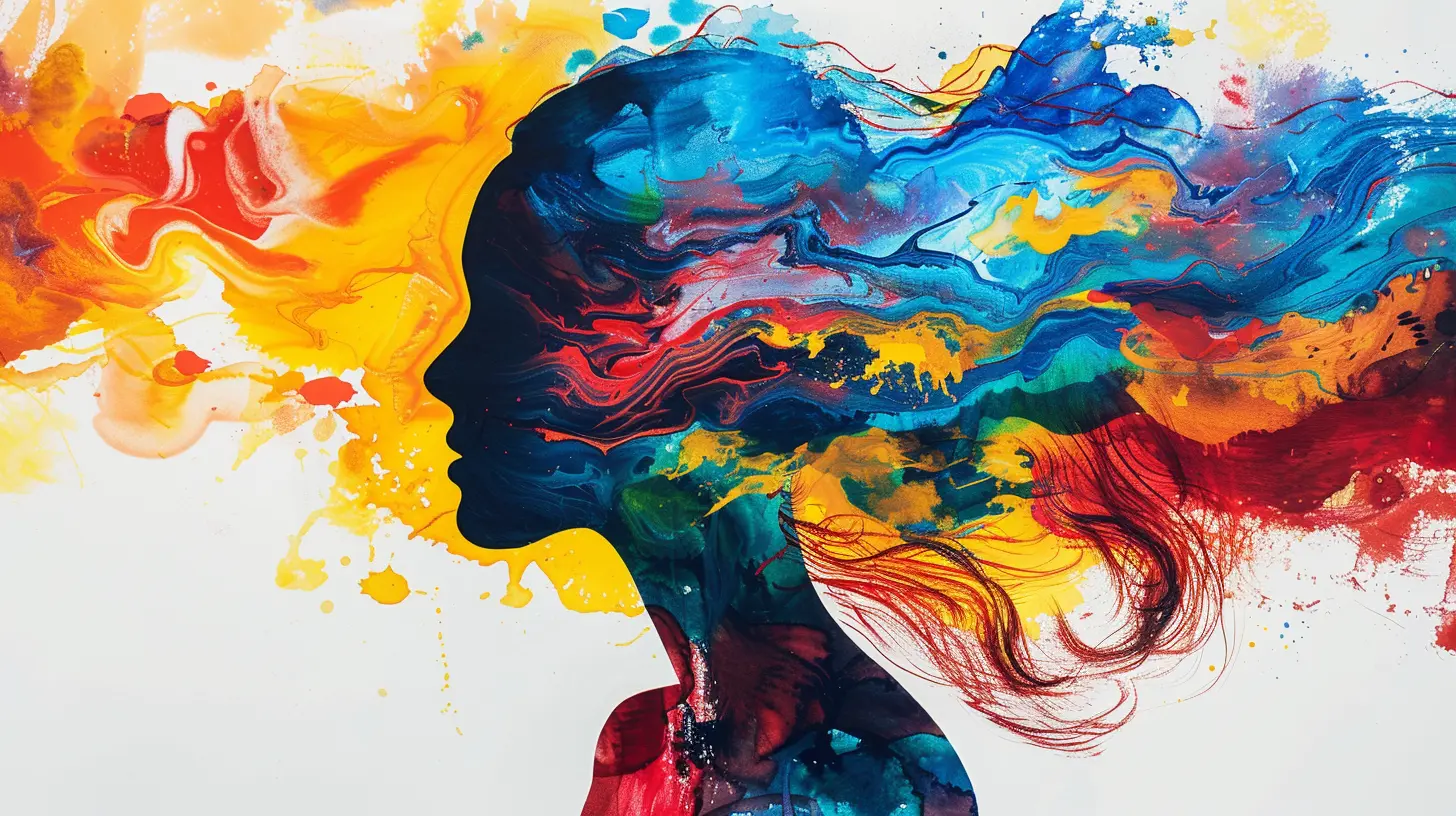
Creativity: The Fire Within
Creativity isn’t just about painting, writing, or composing. It’s not reserved for the eccentric or those who live in coffee shops and wear mismatched socks (though, that crowd is awesome). Creativity is problem-solving. It’s daydreaming. It’s finding beauty in the mundane. It’s how we cope, how we imagine, and, sometimes—how we survive.Ever stared at a blank canvas and felt your soul whisper? That’s the fire. It's gentle, but boy, when it ignites—it can burn through mental boundaries.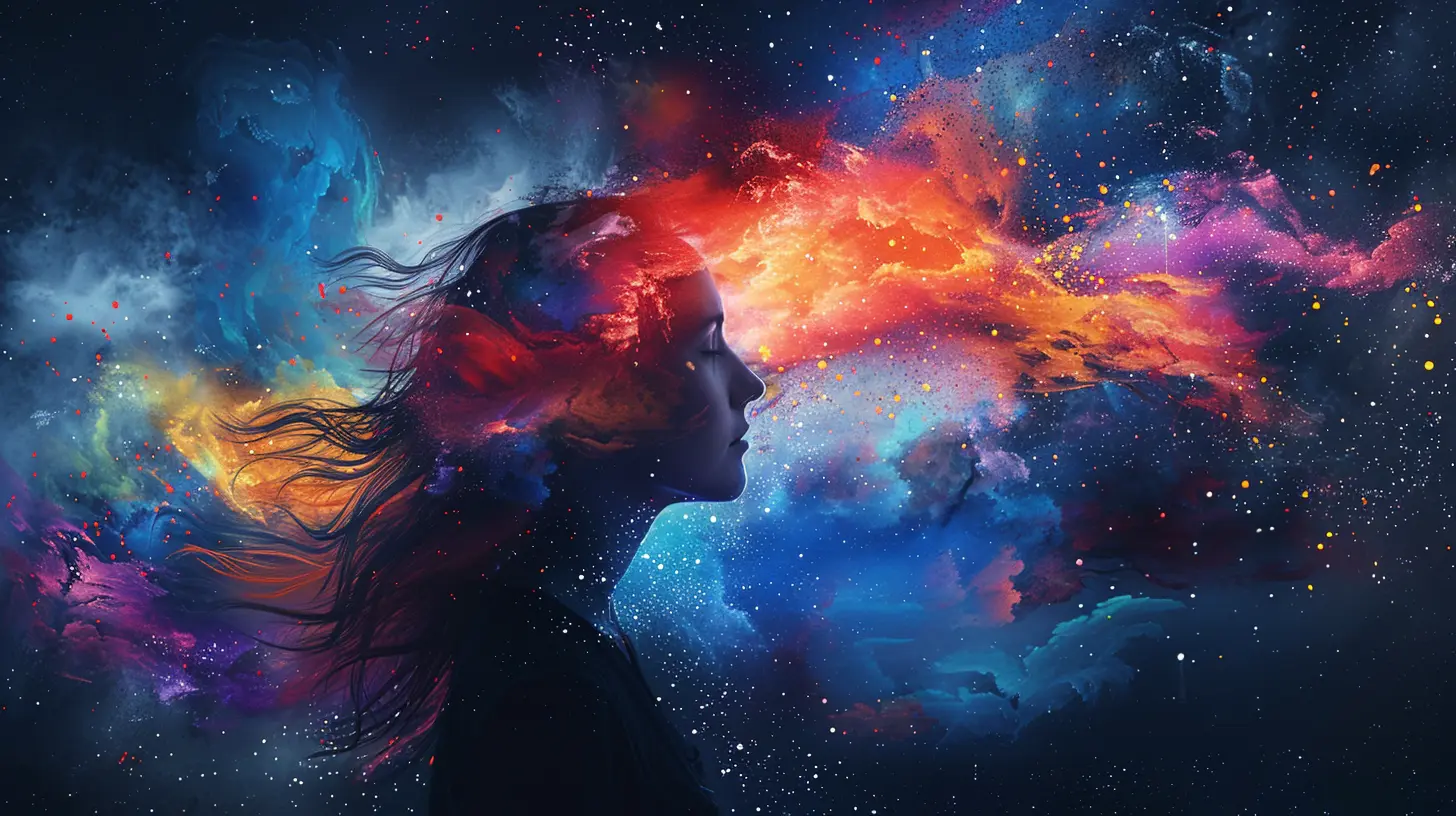
Mental Health: The Storm Behind the Smile
Mental health, on the other hand, is like the weather in our minds. Some days are sunny and still; others, stormy and overwhelming. Anxiety. Depression. Bipolar disorder. These aren't just clinical terms—they're real, raw, and part of many people’s daily experiences.And here’s where things get interesting: for some, the same storm that clouds everyday life also fuels their most remarkable creative breakthroughs.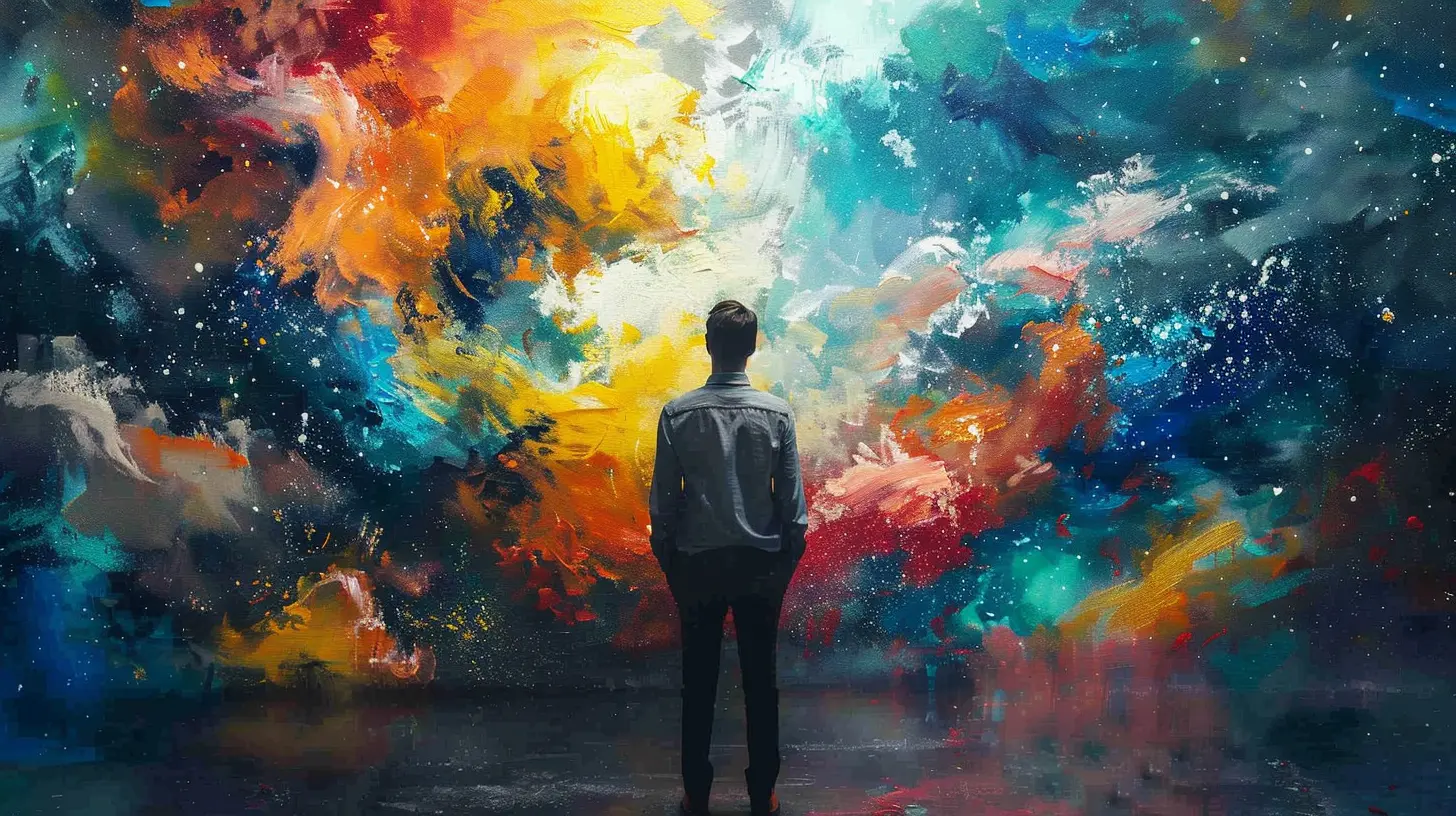
The Fragile Dance: Where Creativity Meets Mental Health
We’ve all heard the phrase, “tortured artist,” right? Think Van Gogh, Sylvia Plath, Robin Williams. Geniuses in their craft, yet deeply burdened by inner battles.So, what’s going on? Is it just coincidence, or is there a connection?
Research suggests there’s more than poetic metaphor at play. Some mental health conditions—like bipolar disorder or depression—are shown to be more common among highly creative individuals. It’s not to romanticize these struggles, but to shine a light on the complexity.
It’s like this: Creativity and mental health are two dancers. Sometimes they flow in harmony; other times, they stumble all over each other. But always, they’re connected.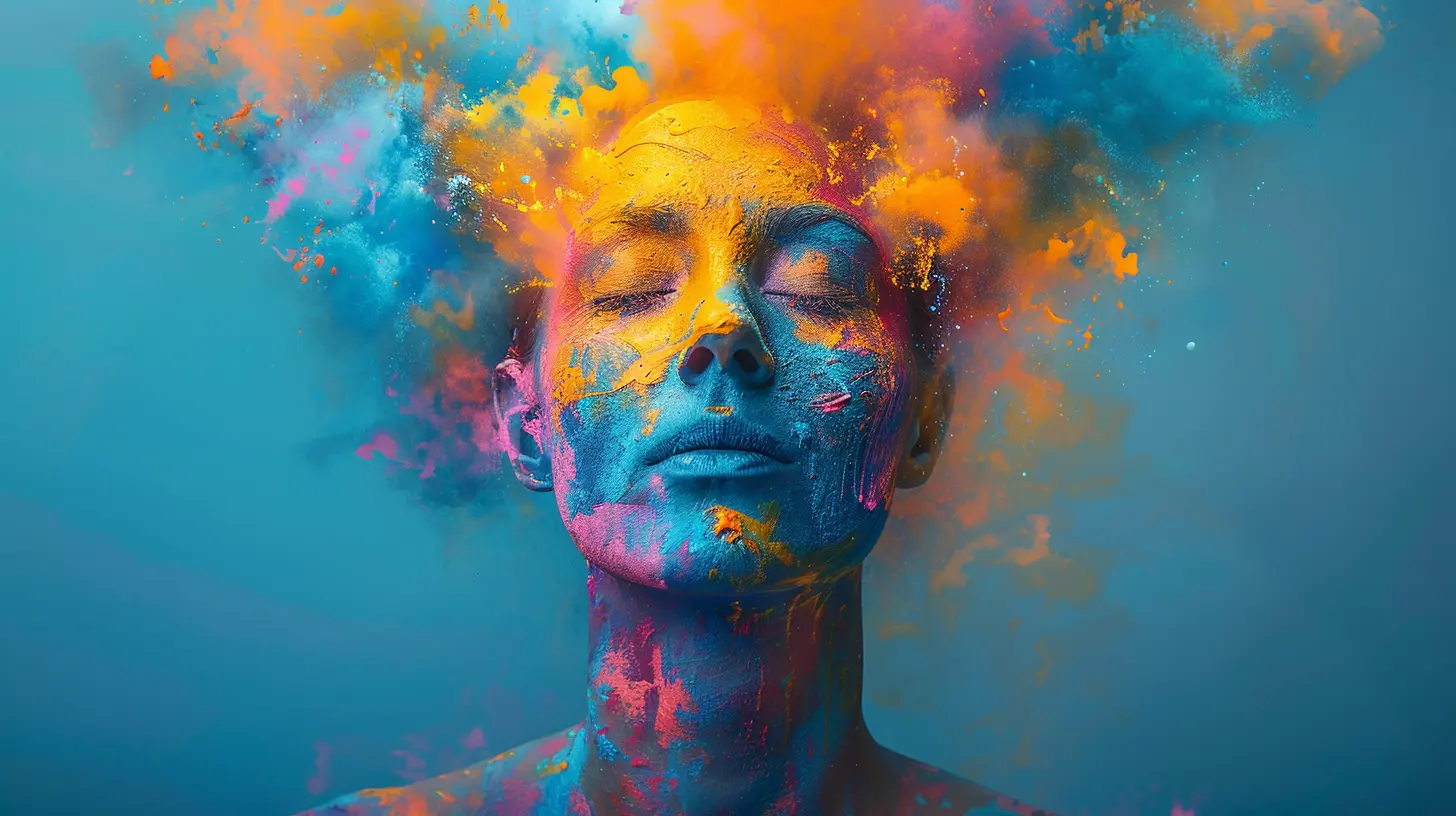
The Science Behind the Struggle
Let’s nerd out for a second. Stick with me.A 2015 study from Sweden revealed something fascinating: people in creative professions were more likely to have relatives with schizophrenia, bipolar disorder, or autism. Not necessarily experiencing these themselves—but clearly carrying some of the genetic traits linked to them.
Why does this matter? Because certain mental health traits—like intense emotional sensitivity, divergent thinking, and non-linear thought patterns—can actually be the sparks behind innovative ideas.
Creativity often demands thinking outside the box. And sometimes, those living with mental health challenges don’t even see the box in the first place.
Mood Swings and Masterpieces: Creativity in Bipolar Disorder
Bipolar disorder, in particular, seems to have a curious connection with creativity. The highs of mania can bring surges of energy, confidence, and rapid-fire ideas. The lows? Deep, crushing, but also introspective.Some of the world’s most cherished poems and paintings emerged during those low tides.
Of course, it’s critical to note—suffering is not a prerequisite for creativity. But for some, their mental state deeply colors their work, turning inner chaos into outer beauty.
Depression: The Dark Muse
Depression is heavy. It numbs and overwhelms. But strangely, it’s also been tied to deep insight. When someone feels everything so deeply, they may find themselves driven to express what can’t be said aloud.Through words, music, or art, they create a language for pain. Expression becomes survival. And that creation? It can resonate with others in ways that are profoundly healing.
Have you ever read a poem that felt like it knew your soul? That’s the power of art born in the darkest spaces.
The Pressure to Create: A Double-Edged Sword
There’s also this pressure—especially in today’s “hustle culture”—to constantly produce, to be brilliant 24/7. For someone already wrestling with mental health challenges, that pressure can be a bear trap.We glorify the sleepless painter, the starving poet, the manic coder. But burnout is real. And it doesn’t nurture creativity—it strangles it.
Here’s the thing: Creativity isn’t a switch you flip. It's a rhythm. And just like mental health, it needs space, balance, and rest.
Creative Expression as Therapy
Now for the hopeful part.While mental health can influence creativity, the reverse is also true: creativity can be a powerful tool for healing.
Art therapy, journaling, songwriting—these aren’t just hobbies. They're vehicles for processing trauma, managing anxiety, and improving emotional well-being.
When you pour yourself into your work, you’re telling your brain, “It’s okay. I’m listening. We’re working through this.” That’s huge.
From Isolation to Connection
Let’s talk community. Because creating things—whether it’s poems or pottery—has a way of making us feel less alone.When someone opens up about their struggles through art, it gives others permission to do the same. That shared vulnerability? That’s how we build bridges.
In a world that often rewards surface-level perfection, creative expression says, “It’s okay to be real.” And wow, do we need more of that.
Finding Balance: Creativity Without the Chaos
So, how do we honor the connection between creativity and mental health without glorifying the pain?- Set boundaries. Don't tie your worth to your output.
- Protect your mental energy. Know when to step back. Netflix and naps are valid.
- Find your rhythm. Respect your cycles of rest and inspiration.
- Talk it out. Therapy isn’t just for crises. It’s for clarity.
- Lean into play. Remember when you made stuff just for fun? Go back there.
Creativity is a gift, and like all gifts, it needs care.
The Myth of the “Broken Genius”
Let’s bust a myth while we’re here.You don’t have to suffer to be creative. You don’t need trauma, a diagnosis, or a dark past to make something meaningful. Inspiration comes from joy just as often as it comes from sorrow.
Sure, some creative minds walk a darker path. But many others thrive, create, and grow through support, self-awareness, and choice.
In other words? Genius doesn’t have to be tortured. Let’s retire that tired trope.
A Personal Reflection: When My Mind Became a Canvas
Alright, story time.There was a season in my life when anxiety held me in a chokehold. Thoughts raced, sleep was a stranger, and everything felt like too much. One night, desperate to do something, I picked up an old notebook and just... wrote.
No goal. No audience.
Just me and the page.
And something cracked open.
Since then, writing has been my therapy, my anchor. I’m not saying it fixed everything. But it gave me a space to breathe. To exist without judgment. To find bits of beauty in the mess.
That’s what creativity does. It doesn’t have to be perfect. It just needs to be yours.
Final Thoughts: Embrace the Spectrum
The connection between creativity and mental health isn’t clean-cut. It’s complex, layered, and deeply personal. But one thing’s clear: our minds—brilliant, flawed, emotional—have the power to shape the world in color.So whether you're a high-energy visionary, a deeply empathetic soul, or someone still trying to figure it all out—there’s room for you to create. No matter where you are on the mental health spectrum, your voice matters.
Make art. Make messes. Make noise.
Because in the end, creativity isn’t the absence of struggle. It’s the song we sing despite it.
all images in this post were generated using AI tools
Category:
Mental HealthAuthor:
Paulina Sanders
Discussion
rate this article
2 comments
Craig Fry
Creativity and mental health are like peanut butter and jelly – a messy, delicious combo! Embrace your quirks; they fuel the genius within. Remember, a wild imagination isn’t just a creative outlet; it’s also a vital lifeline. So paint, write, and let those feelings flow!
February 28, 2026 at 5:15 AM
Paulina Sanders
Thank you for capturing the essence of creativity’s vital role in mental health! Embracing our quirks truly unleashes our inner genius and fosters well-being.
Shannon Vance
This article thoughtfully explores the intricate relationship between creativity and mental health, highlighting both the therapeutic benefits of creative expression and the potential challenges it can pose. It's a nuanced perspective that underscores the importance of understanding individual experiences in fostering well-being through creativity.
February 5, 2026 at 5:00 AM
Paulina Sanders
Thank you for your insightful comment! I'm glad you found the exploration of creativity and mental health meaningful. It's essential to recognize these complexities in fostering well-being.