The Dynamics of Groupthink: Why Cohesive Groups Make Bad Decisions
26 April 2026
Let’s be real—nobody likes making bad decisions, especially not in a group. Yet somehow, the more tightly-knit the group, the more likely it is to make a decision that leaves everyone scratching their heads later on, wondering, “How the heck did we think that was a good idea?” Welcome to the psychological maze known as groupthink.
In this article, we’re diving deep into the dynamics of groupthink—what it is, why it happens, and why group cohesion, surprisingly, can backfire. Buckle up because what you’ll learn here might just change the way you work in teams forever.
What Is Groupthink, Really?
Groupthink is one of those sneaky cognitive phenomena that sounds harmless at first. After all, what’s wrong with people agreeing with each other, right?Well, here’s the catch—groupthink happens when the desire for harmony in a group overrides critical thinking and realistic decision-making. It's like everyone in the group is so focused on "getting along" and avoiding conflict that they sweep doubts and alternate ideas under the rug.
So Why Is That a Problem?
Imagine you’re with a group of friends deciding where to eat. You’re all starving, but nobody wants to rock the boat. One person suggests that new sushi place down the street. In reality, half the group hates sushi, but no one speaks up. So everyone nods along, and off you go. That, my friend, is groupthink in action—on a small scale.Now scale that up to politics, military decisions, or corporate boardrooms, and that’s where things get messy… and costly.
The Psychology Behind Groupthink
To understand groupthink, we’ve gotta look under the hood of the human brain.We, humans, are social creatures. We want to belong—we don't like being the odd one out. In a group setting, especially one that's cohesive or high-pressure, this yearning for acceptance can override our better judgment.
Psychologist Irving Janis coined the term “groupthink” back in the 1970s. He noticed that some truly disastrous decisions—like the Bay of Pigs invasion—weren’t made by incompetent people. They were made by smart folks under the influence of high group cohesion and a desire to maintain unity.
When the group feels too “together,” dissent vanishes. Nobody wants to be the buzzkill, even if what they have to say is vital.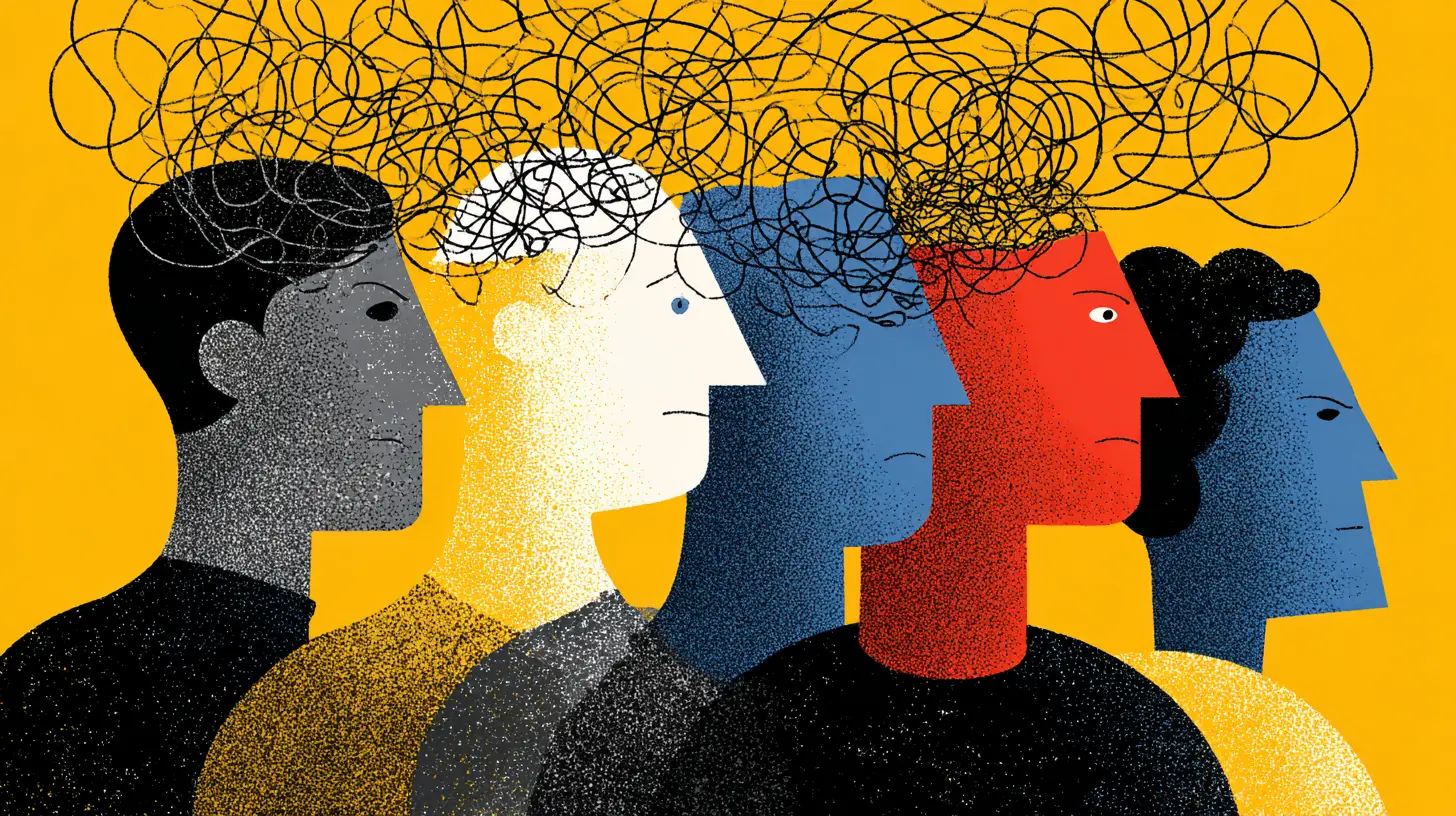
The Symptoms of Groupthink
So how do you know when a group is falling into the groupthink trap? Here are some classic red flags:1. Illusion of Invulnerability
The group starts thinking, “We’re too smart/good/strong to fail.” That false sense of security leads to risky choices.2. Collective Rationalization
They brush off warnings with half-baked logic. Like, “That competitor? They’ve got nothing on us,” even when the data shows otherwise.3. Belief in Inherent Morality
The group sees its decisions as morally superior, which gives a free pass to ignore the ethical consequences.4. Stereotyping Outsiders
Anyone outside the group is considered dumb, evil, or just not “in the know.” Yep, this creates a dangerous us-vs-them mentality.5. Self-Censorship
People within the group bite their tongues to avoid being the oddball. That silence? It’s not agreement—it’s pressure.6. Illusion of Unanimity
Since nobody's voicing disagreement, it feels like everyone’s on the same page—even if they're not.7. Direct Pressure on Dissenters
Those who dare speak up might get steamrolled with comments like “You always do this,” or “Don’t kill the vibe.”8. Mindguards
Certain members take it upon themselves to shield the group from dissenting info. Basically, they filter out anything that might cause disharmony.
Why Groupthink Happens More in Cohesive Groups
Cohesion sounds like a good thing—and it is, to a point. Teams that gel tend to be more efficient, communicate better, and are more motivated. But there's a downside.When cohesion becomes too strong, the group starts valuing agreement over accuracy. Members become more interested in being team players than in being correct. Think of it as too much glue binding the group—you can't move, you can’t breathe, and you certainly can’t question the direction.
“But Isn’t Unity A Good Thing?”
Sure, unity is great… until it starts silencing unique perspectives. Great ideas often come from healthy tension and disagreement. A team of yes-men might be drama-free, but they’re also innovation-free.Real-World Examples of Groupthink Gone Wrong
Let’s bring this theory into the real world. These historical fiascos are practically case studies in groupthink.1. The Bay of Pigs Invasion (1961)
A prime example. President Kennedy’s advisors were so focused on being team players that they failed to challenge a flawed plan to invade Cuba. The result? A total disaster.2. The Challenger Disaster (1986)
NASA engineers had concerns about the shuttle’s O-rings in cold temperatures. But those warnings got buried under pressure to launch. The shuttle exploded 73 seconds after takeoff.3. The 2008 Financial Crisis
Many financial institutions ignored dissenting voices and warning signs. Everyone believed the housing market was invincible. Spoiler: it wasn’t.Tactics to Prevent Groupthink
Luckily, groupthink isn’t some unstoppable force of nature. There are ways to fight it off and keep your group thinking critically.1. Encourage Open Dialogue
Set the expectation that dissent is not only allowed but welcome. Create a safe space where people can speak up without backlash.2. Appoint a Devil’s Advocate
Have someone challenge ideas on purpose. This person’s job is to poke holes, raise questions, and keep the group grounded.3. Bring in Outside Opinions
Invite someone who’s not in the group to weigh in. Their fresh perspective might highlight blind spots the group has overlooked.4. Break into Smaller Groups
Divide and conquer. Have smaller groups brainstorm separately, then bring everyone together. This reduces the pressure to conform.5. Anonymous Feedback
Some people won’t speak up in public, but they might tell the truth anonymously. Use surveys or suggestion boxes to gather honest input.6. Reward Dissent
Change the narrative. Instead of penalizing disagreement, praise it. Treat challenging the status quo as a sign of strength, not defiance.The Cost of Ignoring Groupthink
Still not convinced that groupthink is a big deal? Let’s talk consequences.- Bad Decisions: Obvious, but worth repeating. Poor choices made by conforming groups can lead to failures that impact hundreds or even millions.
- Innovation Stagnation: Without original thought and dissent, creativity dies. The group becomes an echo chamber.
- Lost Talent: When people feel unheard, they check out—or worse, they leave. Smart, critical thinkers don’t stick around if they’re not valued.
- Reputational Harm: Companies and teams that fall into groupthink can suffer long-term brand damage. Nobody trusts a team that can't think for itself.
Groupthink in Everyday Life
You don’t need to be planning a military operation to experience groupthink. It can happen in:- Work meetings
- Friend groups
- Family discussions
- Online forums
- School projects
The next time you’re in a group trying to make a decision, check yourself. Are you staying quiet just to keep the peace? Is someone exerting undue influence? Are alternative views being shut down?
If so, you might be in a groupthink situation.
Final Thoughts: Think Different, Together
Here’s the truth—being part of a group shouldn't mean giving up your voice. Cohesion is great, but not at the expense of critical thinking.Remember, the best decisions come when people feel free to challenge, question, and explore different ideas. Healthy conflict isn’t the enemy—complacency is. So the next time you're in a group, dare to speak up, dare to listen, and dare to think differently.
Because smart groups don’t think alike—they think together.
all images in this post were generated using AI tools
Category:
Psychological TheoriesAuthor:

Paulina Sanders
Discussion
rate this article
1 comments
Verity Clayton
This article brilliantly highlights how groupthink stifles dissent and critical thinking, leading to poor decision-making. It underscores the importance of fostering a culture of open dialogue and encouraging diverse perspectives to mitigate the negative effects of excessive cohesiveness.
April 29, 2026 at 5:00 AM
Paulina Sanders
Thank you for your insightful comment. I completely agree that open dialogue and diverse perspectives are essential to countering groupthink and improving decision-making.