The Future of Psychiatric Treatment: Emerging Therapies and Technologies
13 May 2026
Let’s face it—mental health care has come a long way, but there’s still a long road ahead. You know this if you've ever struggled with anxiety, depression, or any other mental health issue. Traditional medication and talk therapy have helped millions, yes. But what if the future holds something more personalized, more effective, and dare I say... revolutionary?
The good news? It does. From brain-computer interfaces to psychedelic therapy, the future of psychiatry is shaping up to be a game-changer. Get ready to lift the curtain on innovations that are not just impressive—they’re life-altering.
In this article, we're diving head-first into the most exciting emerging therapies and technologies in psychiatric treatment. No fluff, no jargon—just real talk about what’s coming, how it works, and why it matters to you or someone you love.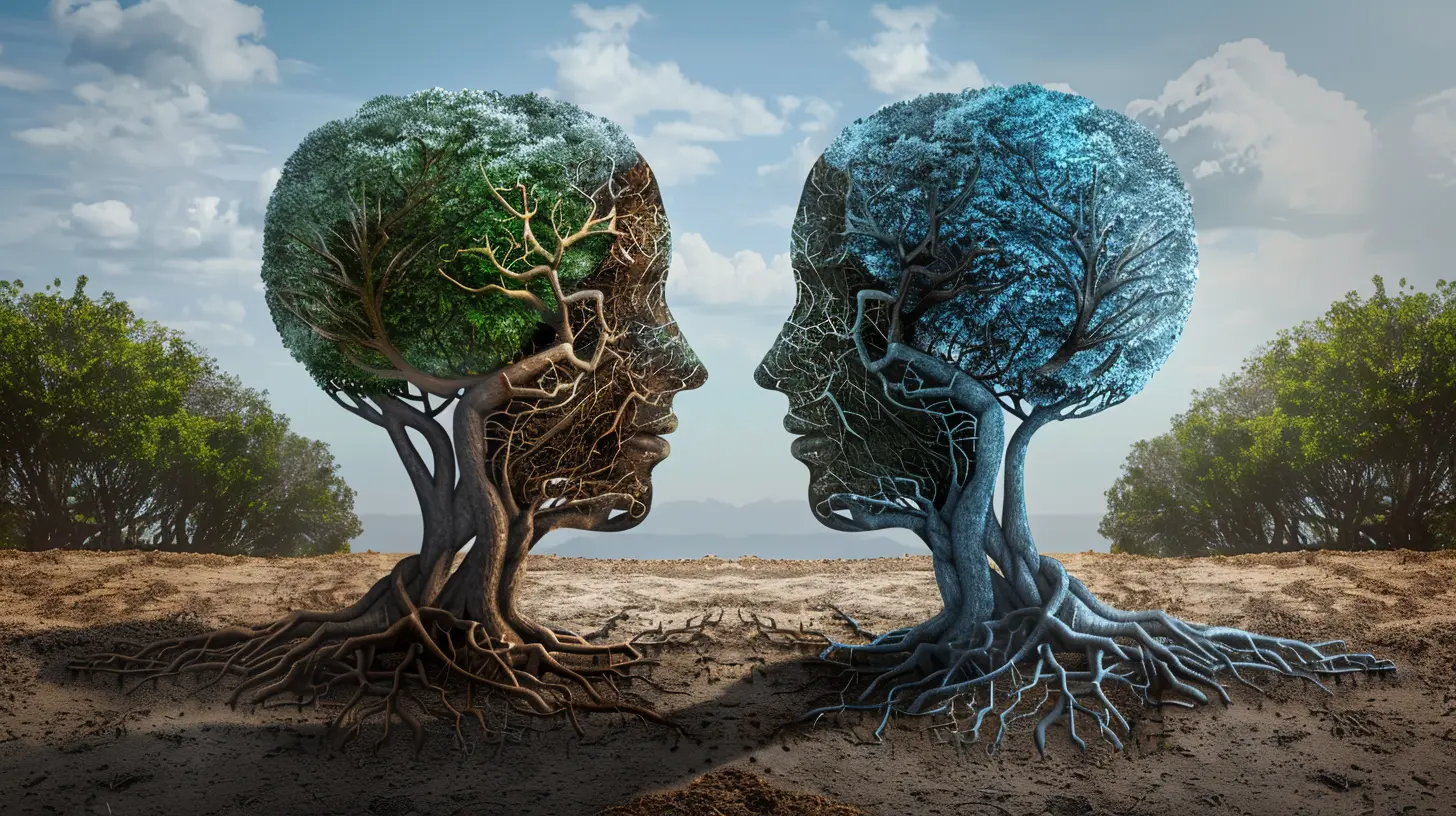
Why Traditional Approaches Aren’t Always Enough
Before we jump into the future, let’s take a quick reality check. The traditional psychiatric toolkit—antidepressants, antipsychotics, and cognitive behavioral therapy—has been around for decades. For some, it works wonders. But for many, it’s a frustrating cycle of trial, error, side effects, and more appointments.Ever felt like your treatment was just a band-aid on a bullet wound? You’re not alone.
Mental illness is complex. It’s not one-size-fits-all, and definitely not always responsive to cookie-cutter solutions. That’s why the field is taking a bold leap into the unknown and embracing technology and science with open arms.
Psychedelic Therapy: Healing Through Altered States
Yep, we’re talking about psychedelics. The same substances that were once associated with hippie culture and ‘60s counterculture are now being seriously examined in scientific labs.What’s the Deal with Psychedelics?
Substances like psilocybin (found in magic mushrooms), LSD, and MDMA are being tested in clinical trials for treatment-resistant depression, PTSD, anxiety, and even end-of-life distress. The results? Nothing short of jaw-dropping.People are reporting breakthroughs after just one or two sessions—something that months or years of traditional therapy couldn’t achieve.
Why Is It Game-Changing?
Because psychedelic therapy doesn’t just mask symptoms. It helps people confront root causes of trauma and mental health issues in deeply emotional and transformative sessions—usually with a trained therapist guiding the experience.It’s not about the trip—it’s about the healing.
Digital Mental Health Tools: Your Therapist Is in Your Pocket
Let’s be real. Not everyone can afford weekly therapy sessions, and sometimes you need support at 2 a.m. when anxiety is relentless.Enter Mental Health Apps and Platforms
From AI chatbots like Woebot to therapy platforms like BetterHelp and Talkspace, mental health support is becoming more accessible than ever.These tools offer:
- On-demand therapy access
- Mood tracking
- Cognitive behavioral prompts
- Mindfulness exercises
The Tech Advantage
Thanks to AI and machine learning, these apps are getting smarter. They learn from your patterns and personalize interventions just for you. It’s like Spotify, but instead of music recommendations, you get mental health strategies that actually work.
Neurofeedback and Brain-Computer Interfaces: Hacking the Brain
Sounds futuristic, right? That’s because it is. But it’s not science fiction—it’s happening right now.What Is Neurofeedback?
Neurofeedback is like going to the gym, but for your brain. You’re hooked up to sensors that monitor your brainwaves while you play a game, watch a video, or solve puzzles. The goal? Train your brain to operate in healthier ways.Studies suggest neurofeedback can help with ADHD, anxiety, depression, and even chronic pain.
Brain-Computer Interfaces (BCIs)
Imagine controlling a computer with your thoughts. That’s what BCIs allow. While still mostly experimental, researchers believe BCIs could one day help individuals with severe mental illnesses better communicate, function, and even regulate their emotions.Genetic Testing and Precision Psychiatry: Your DNA, Your Treatment
If you’ve ever wondered why a medication works for one person but not for another, you’re thinking like a precision psychiatrist.The Power of Pharmacogenomics
Pharmacogenomics is the science of how your genes influence your response to medication. With a simple cheek swab, doctors can assess which antidepressants or antipsychotics are likely to work best for you—with fewer side effects.That means less trial-and-error, and a faster path to feeling better.
Personalized Treatment Plans
Precision psychiatry uses genetic data, brain imaging, and lifestyle factors to create a completely unique treatment plan. Think of it as the custom-tailored suit of mental health care—built just for you.Virtual Reality Therapy: Escaping to Heal
No, this isn’t about gaming, although it feels like it. Virtual Reality (VR) is being tapped as a powerful tool for mental health treatment.How VR Therapy Works
Using immersive environments, VR therapy places individuals into virtual situations tailored to their needs—like flying on an airplane for someone with a phobia, or social scenarios for people with autism or social anxiety.It’s exposure therapy in a safe, controlled setting.
The Benefits
VR therapy is especially helpful for:- PTSD
- Phobias
- Anxiety disorders
- Stress management
It’s like giving your brain a rehearsal space to work through fears—before facing the real thing.
Deep Brain Stimulation (DBS) and Transcranial Magnetic Stimulation (TMS)
These are mouthfuls, we know. But they’re worth understanding because they represent hope for people who feel like they’ve tried everything.What Is TMS?
Transcranial Magnetic Stimulation uses magnetic fields to stimulate nerve cells in the brain—specifically the parts involved in mood regulation. It’s non-invasive and has been FDA-approved for major depression.Side effects? Minimal. Results? Often impressive.
Deep Brain Stimulation: For the Severe Cases
DBS involves surgically implanting electrodes in the brain. While it's more invasive, it’s shown promise for severe, treatment-resistant depression and obsessive-compulsive disorder (OCD).Think of it as a reset button for a brain stuck in an unhealthy loop.
The Integration of Wearable Tech
You’ve seen wearables track your steps and sleep. But what if they could track and predict your mental health?Emotion-Tracking Wearables
From smartwatches to mood rings (yes, actual high-tech ones), wearable technology is evolving to monitor real-time data like heart rate variability, stress levels, and even skin conductance.This info can help detect early signs of anxiety or depressive episodes—and prompt timely intervention.
AI-Powered Diagnosis and Support
Ever felt like your symptoms were misdiagnosed or overlooked? You’re not alone. Diagnosis is tricky, even for seasoned mental health professionals.That’s where AI comes in.
Smarter, Faster Diagnoses
AI algorithms can scan brain images, patient histories, and even speech patterns to detect mental health disorders more accurately and earlier. That means people could finally get the personalized treatment they need before things spiral.The Human Element Still Matters
All this talk of tech might make you wonder: will robots replace therapists?Absolutely not.
Technology is a tool—not a substitute. The human connection, empathy, and insight that great therapists offer? That’s irreplaceable. What tech does is empower therapists to make better decisions and patients to better understand themselves.
What This Means for You (Yes, You!)
Whether you’re someone living with mental illness or just someone curious about where the field is heading—this matters to you. The possibilities ahead are not just shiny toys for researchers. They represent actual, meaningful hope.We’re talking shorter treatment times, better responses to medication, deeper healing from trauma, and broader access to care.
Imagine a world where getting mental health support is as easy—and as personalized—as ordering your favorite coffee.
It’s not a dream. It’s the direction we’re headed.
Final Thoughts: A Future Full of Hope
The future of psychiatric treatment is not just about high-tech devices and flashy breakthroughs. It’s about giving people options. It’s about finally saying goodbye to the frustrating merry-go-round of ineffective meds and endless appointments.It’s about hope, healing, and a mental health landscape that truly serves everybody.
If you’ve ever felt stuck in your mental health journey, hang on. A revolution is already here, and it’s only getting started.
Keep your mind open—you might just be surprised at how far we can go.
all images in this post were generated using AI tools
Category:
Psychiatric DisordersAuthor:

Paulina Sanders
Discussion
rate this article
1 comments
Viva Black
This article sparks so many questions. How will emerging therapies change the patient experience? Can technology truly enhance our understanding of the mind? I'm eager to see how these advancements will shape the future of mental health care.
June 5, 2026 at 3:04 AM
Paulina Sanders
I appreciate your thoughts! Emerging therapies and technology hold great promise in personalizing care, reducing stigma, and improving outcomes. It's an exciting time for mental health, and I think we'll see transformative changes ahead.