The Impact of Self-Esteem on Decision-Making and Problem-Solving
15 December 2025
Have you ever had one of those days where making even the simplest decision feels like climbing Mount Everest? Or perhaps you’ve met someone who seems to tackle problems effortlessly, as if they were solving a crossword puzzle? Believe it or not, self-esteem plays a massive role in how we make choices and solve problems.
Let’s dive into the fascinating connection between confidence and our ability to navigate life's challenges.

What Exactly Is Self-Esteem?
Self-esteem isn’t just about feeling good about yourself—it’s deeper than that. It’s the lens through which you see yourself, your abilities, and your worth. Think of it like an internal thermostat; it regulates your confidence and how much you trust yourself.In psychology, self-esteem is often categorized into:
- High self-esteem: Feeling competent, secure, and resilient.
- Low self-esteem: Feeling doubtful, insecure, and overly critical of oneself.
Where you fall on this spectrum directly influences how you approach decisions and solve problems.

How Self-Esteem Affects Decision-Making
1. Confidence in Choices
If you have high self-esteem, you’re more likely to trust your instincts. You don’t overthink every little choice, whether it’s ordering at a restaurant or making a career move. On the flip side, low self-esteem breeds self-doubt, leading to indecision paralysis—that frustrating state where even choosing a Netflix show feels like a life-or-death matter.2. Fear of Making Mistakes
A person with low self-esteem often fears making the wrong choice and will spend excessive time overanalyzing possible outcomes. They tend to seek constant reassurance from others, which can delay decisions or lead to choices based on external validation rather than personal desires.Conversely, people with healthy self-esteem accept that mistakes happen. They see failures as learning opportunities rather than personal flaws.
3. Risk-Taking and Fearlessness
High self-esteem encourages bold decision-making. These individuals are more willing to take calculated risks, whether in business, relationships, or personal growth. They trust that even if things don’t go perfectly, they have the ability to adapt.Low self-esteem, however, breeds fear-based decision-making—people play it safe, avoiding risks to escape potential failure or humiliation. As a result, they may miss out on valuable opportunities.
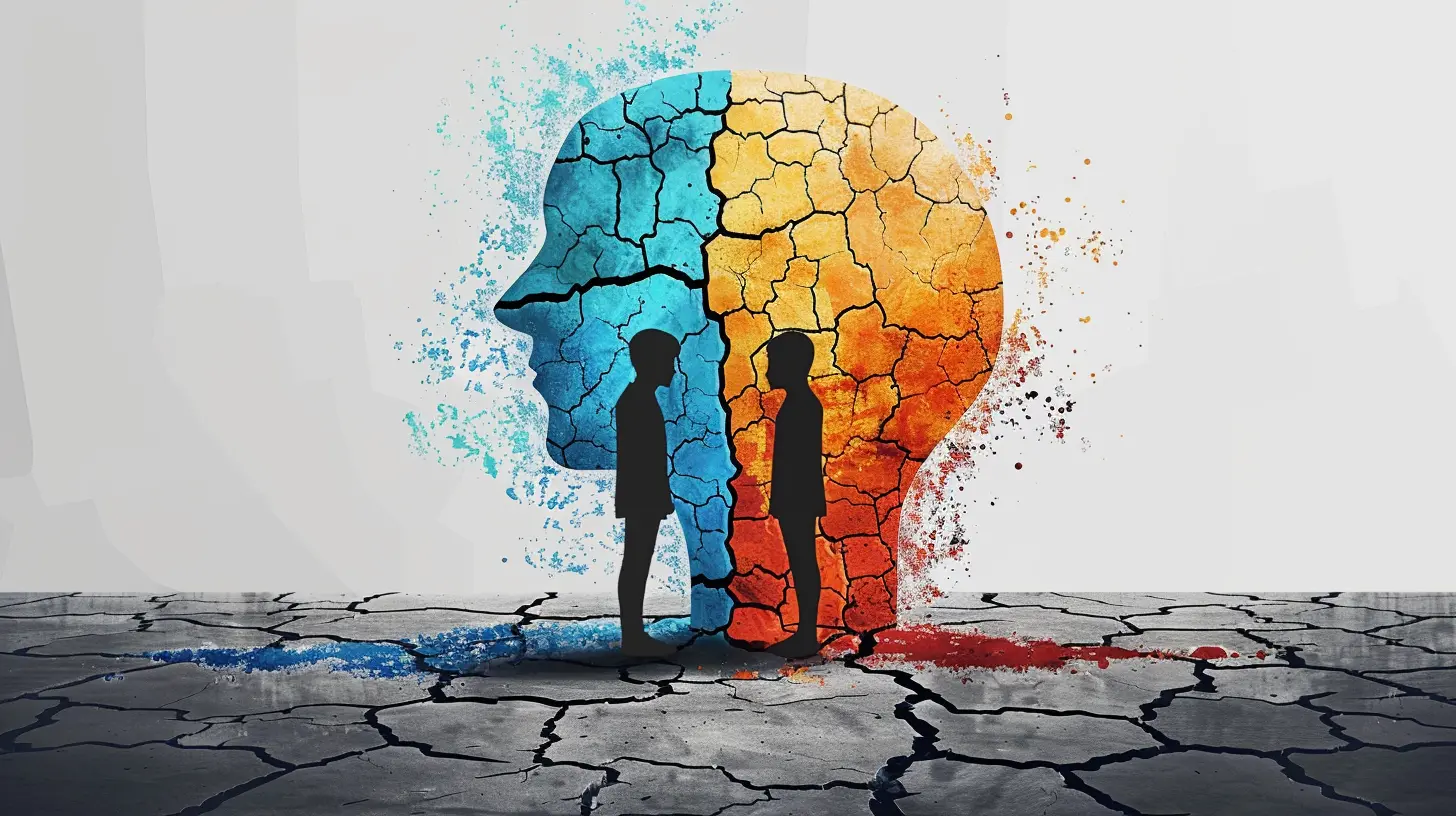
The Role of Self-Esteem in Problem-Solving
Decision-making and problem-solving go hand in hand. If decision-making is about choosing between options, problem-solving is about finding solutions. Self-esteem deeply affects both.1. Problem-Framing Ability
High self-esteem individuals view problems as challenges, not threats. Their mindset is solution-oriented—instead of panicking, they break down the issue into manageable steps.Meanwhile, those with low self-esteem frequently feel overwhelmed, seeing problems as proof of their inadequacy rather than something they can tackle logically.
2. Creativity in Solutions
Believe it or not, confidence fuels creativity. When you trust in your ability to find solutions, your brain is more likely to explore innovative ideas. Low self-esteem, however, stifles creativity because of the fear of "getting it wrong."3. Persistence and Resilience
What happens when things don’t go as planned? This is a key moment where self-esteem makes all the difference. Those with high self-esteem bounce back quicker. They learn, adjust, and try again.In contrast, low self-esteem leads to discouragement and avoidance. A single failure may confirm self-doubt, making the person hesitant to try again.

The Psychological Science Behind It
Multiple psychological studies have confirmed the link between self-esteem and cognitive functions like decision-making and problem-solving. Low self-esteem is often linked to higher stress levels, which can cloud judgment and impair logical thinking.On the other hand, high self-esteem triggers positive self-affirmation, boosting problem-solving skills and fostering a proactive mindset. Someone who believes in themselves naturally tackles obstacles with greater efficiency.
How to Strengthen Self-Esteem for Better Decision-Making
If self-esteem influences how well we navigate life, improving it becomes crucial. Here are some practical ways to build confidence:1. Challenge Negative Self-Talk
Your inner dialogue matters. If your mind constantly whispers, “You’re not good enough,” it’s time to challenge that voice. Replace negative thoughts with affirmations like, “I have the ability to figure this out.”2. Celebrate Small Wins
You don’t need earth-shattering achievements to feel accomplished. Recognizing even small victories—whether it’s completing a workout or handling a tough conversation—can reinforce confidence.3. Surround Yourself with Supportive People
The people around you influence your self-esteem more than you think. Distance yourself from toxic negativity and build relationships with those who uplift and encourage you.4. Take Decisive Actions
Practice making decisions without overthinking. Start small—decide on a meal without second-guessing, choose a weekend activity without external input, or commit to a hobby you’ve considered for a while. The more you trust yourself, the stronger your confidence becomes.5. Accept Mistakes as Growth Opportunities
No one gets everything right all the time. Reframe mistakes as part of the learning process rather than personal shortcomings. The most successful people in the world have failed—probably more than most of us.6. Practice Mindfulness and Self-Compassion
Being kind to yourself is essential. Mindfulness helps you become aware of self-critical thoughts without being consumed by them. Techniques like meditation or journaling can help you develop a healthier self-view.
The Bottom Line
Your self-esteem isn’t just about feeling good in the mirror—it shapes how you approach every decision, big or small. It determines your confidence in your choices, your resilience in problem-solving, and your ability to take risks and grow.The good news? Self-esteem isn’t fixed. With conscious effort, you can build the belief in yourself that leads to stronger decision-making and problem-solving skills.
So, next time you find yourself hesitating, overanalyzing, or doubting your choices, ask yourself: Is this my logical brain talking or my lack of confidence? The answer might surprise you.
all images in this post were generated using AI tools
Category:
Self EsteemAuthor:

Paulina Sanders
Discussion
rate this article
2 comments
Aelith Jennings
Self-esteem shapes choices; confidence fosters better decision-making outcomes.
December 27, 2025 at 5:52 AM
Paulina Sanders
Thank you for your insight! Indeed, self-esteem and confidence play crucial roles in decision-making, influencing both our choices and the effectiveness of those choices.
Marigold McKee
Self-esteem isn't just a feel-good buzzword; it’s the secret sauce in your decision-making recipe. Boost it, and watch your choices transform from questionable to confidently brilliant. Own it!
December 16, 2025 at 5:52 AM
Paulina Sanders
I completely agree! Self-esteem plays a crucial role in decision-making, empowering us to make bolder, more confident choices. Thank you for highlighting its importance!