The Impact of Social Media on Self-Esteem and How to Navigate It
17 December 2025
Let’s get real for a second. Social media is kind of like that friend who's super fun to have around... until they start subtly making you feel bad about your life. We love the memes, the funny dog videos, the "OMG I can’t believe she posted that" moments. But when it comes to how we view ourselves? That’s where things can get a tad messy.
In this post, we're going to break down how social media messes with our self-esteem, why it's so sneaky at doing it, and most importantly—how to flip the script and use it in a way that actually boosts your confidence rather than crushing it.
So grab your comfy blanket, a hot drink, and let's chat. 🚀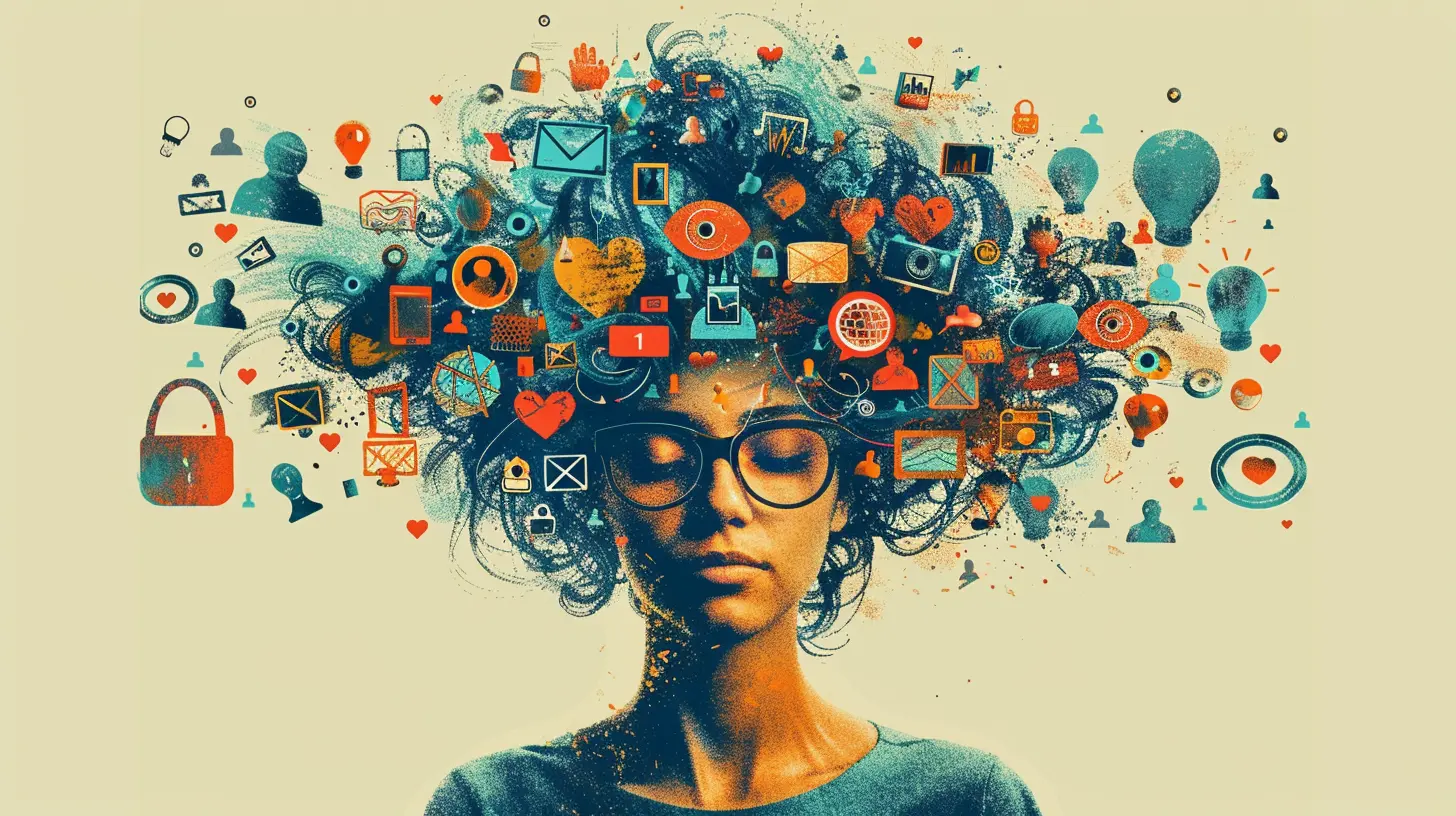
What Exactly Is Self-Esteem Anyway?
Before we dive into the juicy stuff, let’s quickly define self-esteem. Picture it like the internal mirror you use to see yourself. It shapes how you feel about your abilities, your worth, and your overall "you-ness."High self-esteem? You feel capable, lovable, and confident in your own skin. Low self-esteem? You second-guess yourself, constantly compare, and feel like you’re never quite enough.
And guess what? Social media loves to play around with that inner mirror.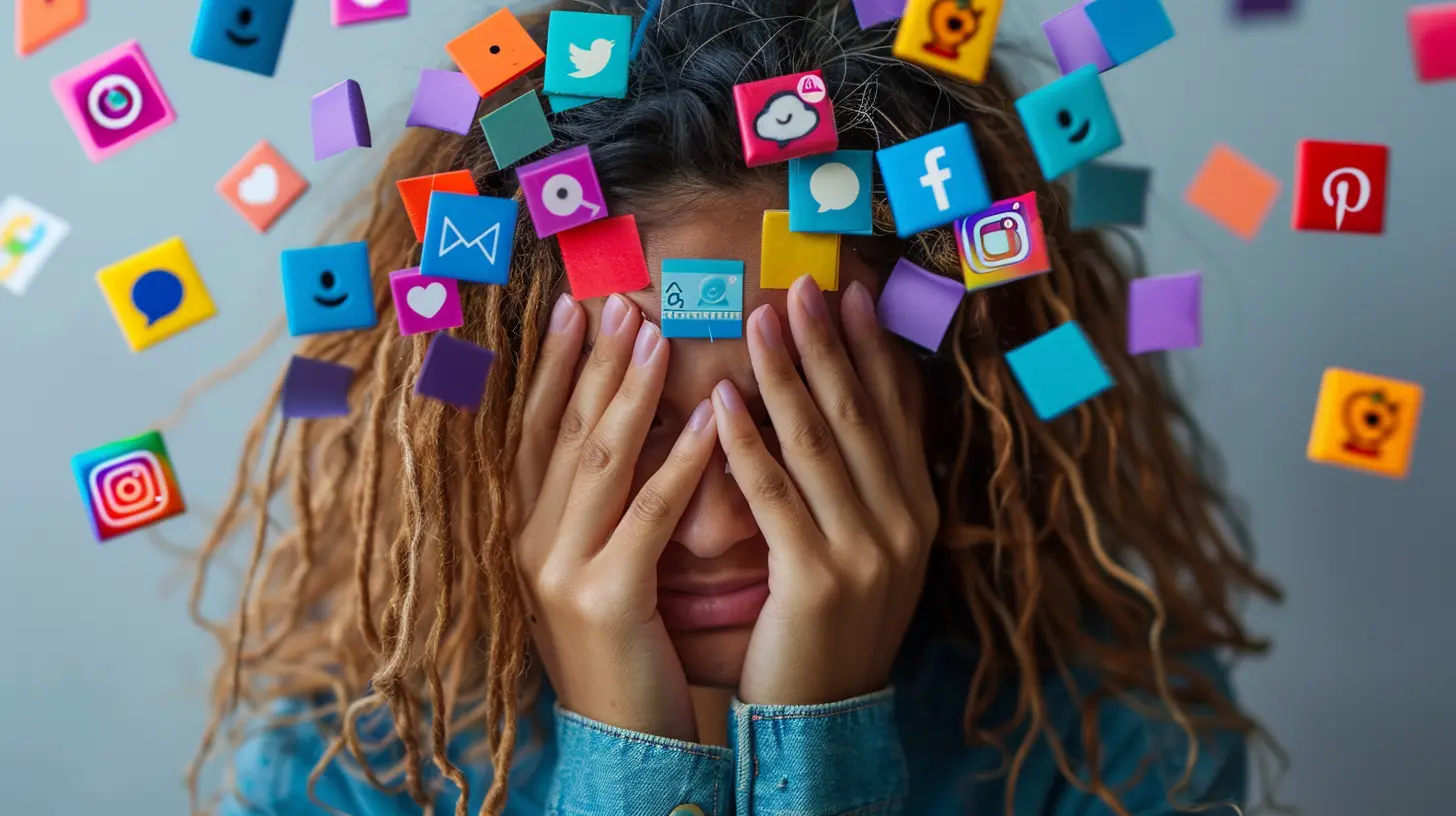
The Double-Edged Sword of Social Media
Okay, let’s be clear. Social media isn’t the villain here. It’s just a tool—and like any tool, it can build or break depending on how you use it.The Good Stuff
- Helps us stay connected (especially with long-distance friends and fam).- Inspires creativity and lets you share your passions.
- Serves as a platform for marginalized voices.
- Offers hilarious content to lighten up your day.
Sounds great, right?
The Not-So-Good Stuff
- Triggers constant comparison to unrealistic standards.- Promotes "highlight reels" instead of real life.
- Can lead to addictive scrolling and time-wasting.
- Might contribute to anxiety, depression, and—you guessed it—low self-esteem.

How Social Media Messes With Your Self-Esteem
Let’s break this down into bite-sized chunks.1. The Comparison Trap 🧠
You're scrolling innocently through your feed, maybe even while half-eating a cold slice of pizza, and BOOM. There’s your old classmate posting a picture with a caption like, “Just closed on our dream home!” Meanwhile, you're trying to remember the last time you vacuumed.Sound familiar?
Comparison is the thief of joy. Social media amps it up by putting us in front of filtered, curated versions of other people's lives 24/7. You’re not comparing apples to apples—you’re comparing your messy behind-the-scenes with someone else’s polished movie trailer.
2. Filters, Facetune, and Fake Perfection 💄
Thanks to editing apps and filters, it’s easier than ever to look flawless online. Acne? Gone. Teeth? Blindingly white. Waistline? Snatched.This illusion of perfection sets the bar so high that even supermodels can’t keep up—let alone us regular folks. Over time, this can chip away at how we see ourselves in the mirror and trigger feelings of inadequacy.
3. The "Like" Economy 👍
Remember the rush of getting notifications on a post? There’s brain science behind that. Dopamine—the feel-good brain chemical—gets released every time someone likes or comments on your stuff.But when the likes don’t roll in? That dopamine drops. You feel anxious, maybe even embarrassed. It’s like tying your self-worth to a popularity contest you never signed up for.
4. Social Media Influencers & Unrealistic Expectations 📸
Influencers can be inspiring—don't get me wrong. But many of them present a lifestyle that's anything but ordinary. Lavish vacations, perfect relationships, and #wokeuplikethis selfies create unrealistic standards.It’s like watching a movie and forgetting it's scripted. The problem? Social media often doesn’t come with a disclaimer.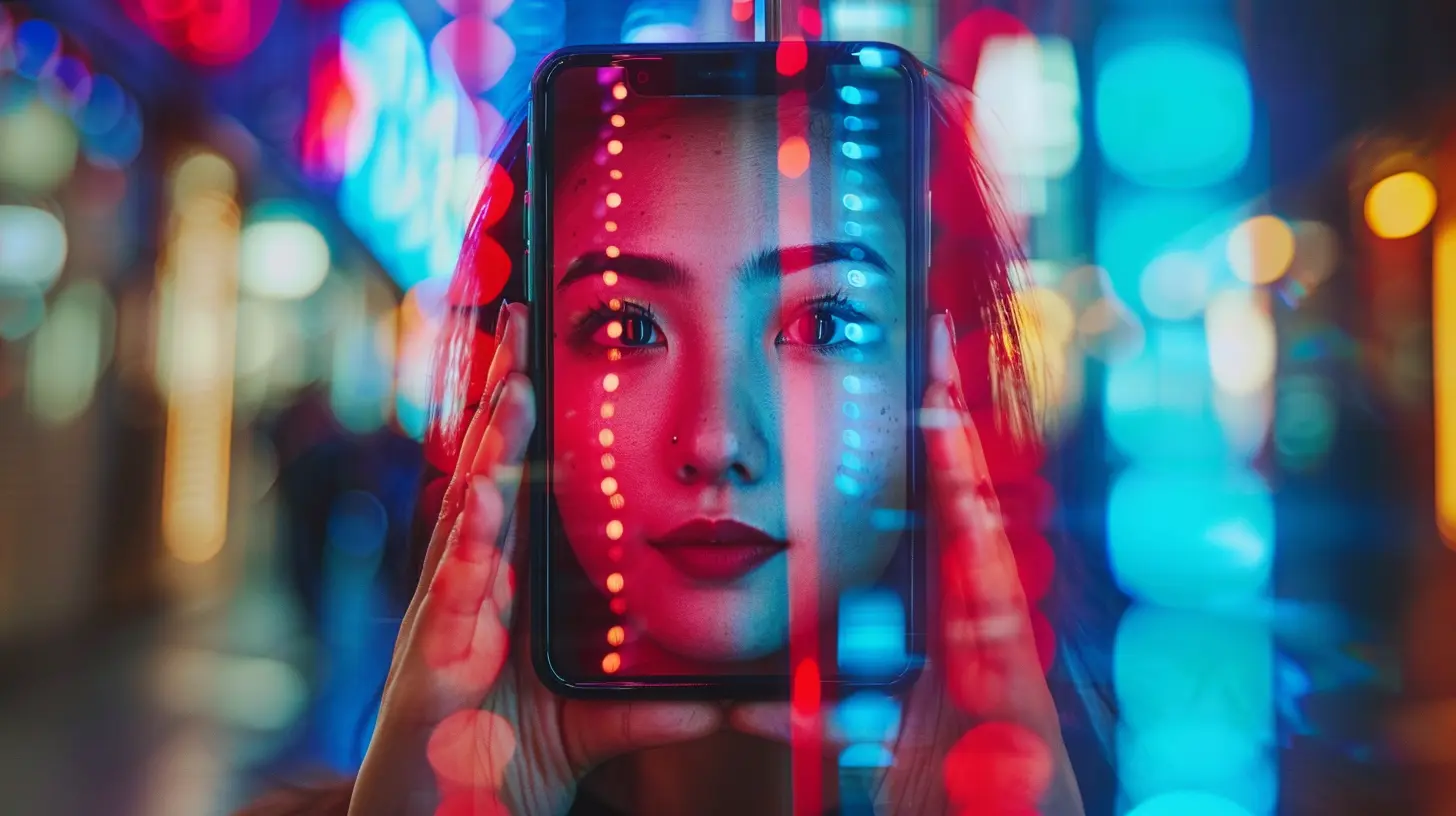
Who’s More at Risk?
Let’s get into the nitty-gritty. Some people are more vulnerable to the negative effects of social media on self-esteem.- Teens and Young Adults: At a stage where identity is still forming, likes and online validation can heavily influence self-worth.
- People with Pre-existing Mental Health Issues: Anxiety, depression, and low self-esteem can be worsened by social media exposure.
- Individuals Who Crave External Validation: If you rely on feedback to feel good about yourself, social media can become a rollercoaster.
How to Reclaim Your Self-Esteem in the Digital Age
Alright, it's not all doom and gloom. Here’s the good stuff—how to take charge and make social media work for you.1. Curate Your Feed Like a Boss 🎨
If your social feed doesn’t make you feel good, it’s time to Marie Kondo that thing. Unfollow accounts that make you feel “less than” and start following people who uplift, inspire, or just make you laugh-snort out loud.Try this exercise: Scroll through your feed and after each post, ask yourself: “How did this make me feel?” If the answer is “inadequate” or “blah,” hit that unfollow button with zero guilt.
2. Time Limits Are Your BFF ⏰
Ever notice how 5 minutes of scrolling somehow turns into 2 hours? Social media is designed to be addictive. Set a timer or use screen time apps to keep your browsing habits in check.Try replacing some of that scroll time with activities that boost your mental health—like journaling, walking, or just zoning out to music.
3. Post With Purpose 🧘
Ask yourself why you’re posting something. Is it for connection or validation? The difference matters. When your goal is to share joy, creativity, or insight, you’re less tied to how many likes you get.And hey, if you just want to post that blurry sunset pic because it made you happy? Do it. Who cares if it breaks the “aesthetic”?
4. Keep It Real 😎
You don’t have to post your crappiest days (unless that’s your thing), but sprinkling in some realness can be grounding—for both you and your followers.Vulnerability is powerful. It reminds us that behind every filtered face is a human being with struggles, self-doubt, and bedhead.
5. Practice Digital Detoxing 🛌
Take breaks. Seriously. Unplug for a few hours—or even a few days. You’ll be amazed at how your mind clears up when you're not constantly bombarded with other people’s opinions.Try a “No Social Media Sunday” or a “Digital Sunset” where you power down your devices an hour before bed. Your brain (and your self-esteem) will thank you.
The Power of Mindful Scrolling
Let’s end on this note: Social media can be a beautiful thing when you use it mindfully. Think of it like junk food. A little? Totally fine. But a steady diet of it? Not so great for your wellbeing.So, treat your feed like you do your friendships—supportive, uplifting, and real.
Final Thoughts: You’re More Than an Algorithm
At the end of the day, your worth isn’t measured in likes, follows, or perfectly lit selfies. It’s measured in laughter shared, kindness given, and being unapologetically you.Social media isn’t going anywhere. But your confidence and self-love don’t have to either.
So next time that little voice in your head starts comparing you to someone else's curated highlight reel—pause, breathe, and remind yourself: "I'm doing just fine."
And you are.
all images in this post were generated using AI tools
Category:
Self EsteemAuthor:

Paulina Sanders
Discussion
rate this article
2 comments
Ulysses McQuade
Social media distorts reality; reclaim your self-worth by choosing authenticity over online validation.
December 29, 2025 at 5:23 AM
Paulina Sanders
Thank you for your insightful comment! Embracing authenticity can indeed empower individuals to find true self-worth beyond the confines of social media validation.
Carmen Gray
In a world where likes can define worth, the digital mirror reflects both brilliance and distortion. As we scroll through curated lives, what truths lie beneath the surface? Navigating this complex landscape requires more than just awareness; it demands a daring exploration of our own identities in the age of connection.
December 17, 2025 at 4:42 AM
Paulina Sanders
Thank you for your insightful comment! You're right—social media's curated nature can obscure our true selves, making it essential to engage in self-reflection and authenticity as we navigate this complex landscape.