The Impact of Technology and Social Media on Mental Health
3 August 2026
Introduction
Imagine waking up, eyes still heavy with sleep, yet your fingers instinctively reach for your phone. A flood of notifications, messages, and endless scrolling awaits. Sound familiar? It's the reality of our digital age—where the lines between the virtual and the real blur, where likes replace laughter, and screens replace sunsets.
Technology has wrapped itself around our lives, a double-edged sword slicing through time. One edge brings connection, innovation, and knowledge, while the other digs deep into our mental well-being, leaving scars of anxiety, loneliness, and self-doubt.
But how exactly does this digital embrace affect our mental health? Let’s dive in. 
The Double-Edged Sword of Technology
Technology is a marvel—an ever-evolving force that connects, entertains, and informs. But beneath the shimmering screen, a darker side lurks.While innovations have propelled us to unimaginable heights, they have also tethered us to an ever-spinning cycle of screens, notifications, and endless digital distractions. The effects? Increased stress, sleep deprivation, and a growing disconnect from reality.
Our minds, once free to wander, now race against an unrelenting stream of information. With each ping, our hearts flutter, seeking validation in a world that never sleeps. Technology, meant to serve us, now dictates our time, thoughts, and emotions. 
Social Media: A Digital Wonderland or a Psychological Trap?
Social media—a playground for self-expression, community, and creativity. But also, a silent thief of joy.The Comparison Game: A War We Cannot Win
Scrolling through perfectly curated feeds, it’s easy to feel like life is a competition. Everyone seems to be thriving—vacations in exotic places, flawless selfies, picture-perfect relationships. But behind the filters and carefully selected captions lies a different story.Social media creates a distorted reality where the highlight reels of others make our everyday lives feel dull and insignificant. It's a game of endless comparison, a battlefield where self-esteem takes a beating.
The Illusion of Connection
Ironically, while social media promises connection, many feel lonelier than ever. Conversations are replaced with emojis, deep connections diluted into double-taps and fleeting comments.We crave human warmth, yet settle for virtual interactions. We seek connection, yet drown in loneliness.
The Dopamine Trap: Addicted to Validation
Ever notice the rush when your post gets likes and comments? That’s dopamine—our brain’s pleasure chemical—rewarding us for social validation.But the high is short-lived. Soon, we crave more. More likes. More followers. More approval. And when the notifications slow down, self-doubt creeps in.
What happens when we tie our self-worth to a screen? Anxiety, insecurity, and a constant need for validation become the norm. 
Mental Health and the Digital Age
Technology has undeniably changed the way we live, but its impact on mental health is profound.Anxiety and Stress: The Unseen Toll
Living in a hyper-connected world means constant information overload. News alerts, messages, emails—it never stops. The pressure to keep up, to be available 24/7, creates a silent storm of anxiety.Our brains are overwhelmed, our nervous systems on high alert. We exist in a loop of stress, with no escape from the digital chaos.
Sleep Deprivation: A Silent Culprit
Late-night scrolling, binge-watching, endlessly consuming content—our screens steal precious sleep. And sleep, as we know, is the foundation of mental well-being.Blue light tricks our brains into thinking it's daytime, disrupting melatonin production. The result? Insomnia, grogginess, and a tired mind struggling to function.
A sleep-deprived brain is an anxious brain, caught in a vicious cycle of restlessness and worry.
Depression and Loneliness: The Hidden Epidemic
Despite being more "connected" than ever, rates of depression and loneliness have surged. Social media fosters unrealistic expectations, leaving many feeling inadequate and unseen.Likes and shares may provide temporary satisfaction, but they do not replace genuine human connection. The more we immerse ourselves in the digital world, the more we detach from reality. 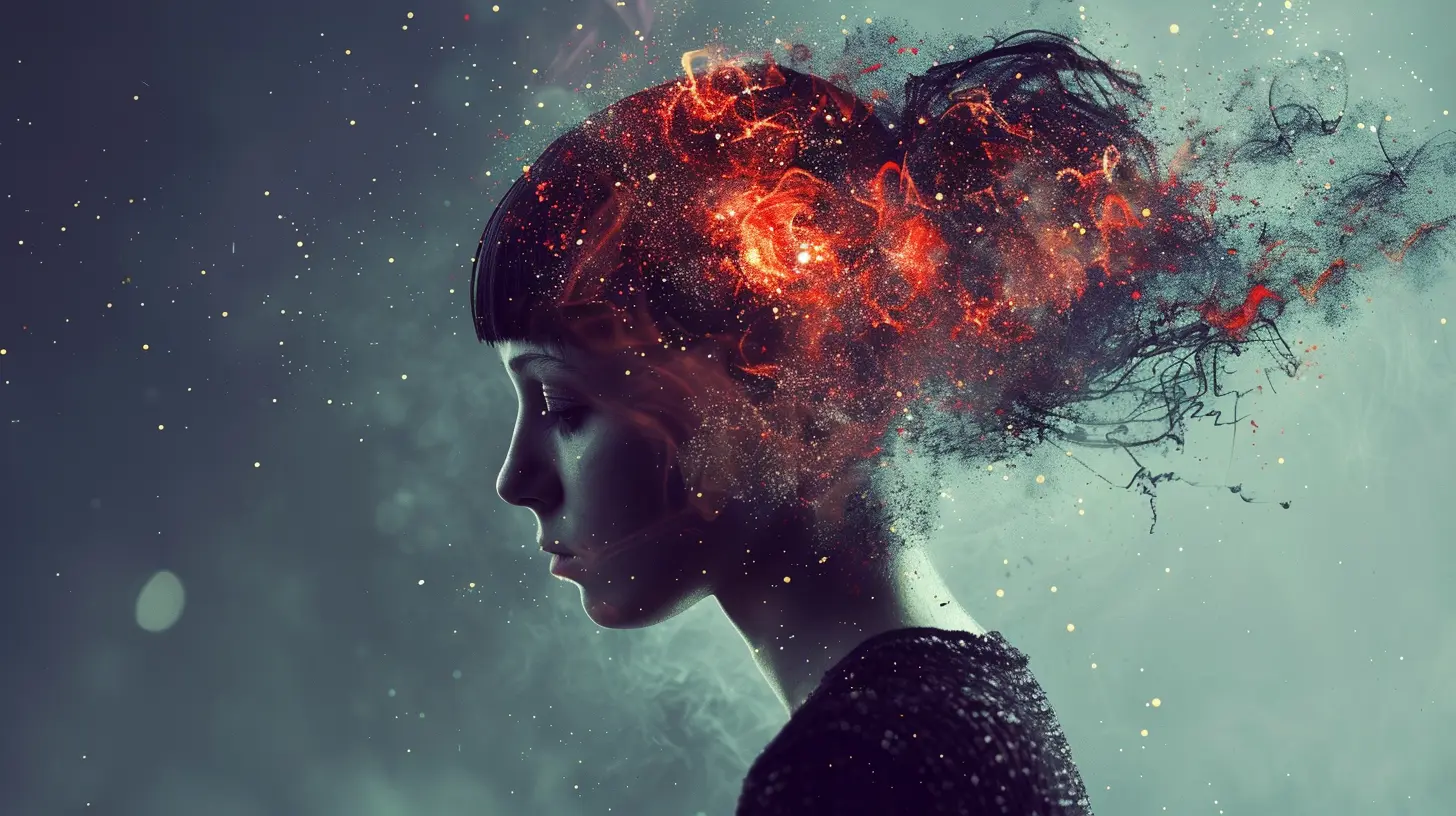
Breaking Free: Taking Control of Our Digital Lives
So, what can we do? Do we abandon technology altogether? Hardly. The key is balance—learning to use technology in ways that nourish rather than deplete us.1. Digital Detox: Unplug to Recharge
Set boundaries with your devices. Designate screen-free hours. Step away from social media when it feels overwhelming. Give your mind the space to breathe.Try this: Replace an hour of scrolling with a walk, a book, or a real conversation. The world beyond the screen is waiting.
2. Mindful Usage: Consume with Caution
Be aware of who and what you follow. Does your feed inspire you, or does it make you feel inadequate? Curate your digital space to uplift rather than drain you.Practice mindful scrolling—engage with content that educates, empowers, and enriches your life.
3. Prioritize Real Connections
A message can't replace a hug, and likes can't replace laughter. Invest time in real relationships. Call a friend, have coffee with a loved one, cherish face-to-face conversations.Genuine human connection is the best antidote to loneliness.
4. Protect Your Mental Health
Technology should serve you, not control you. If social media affects your mental health, take a break. Seek support if needed. Prioritize self-care, rest, and mindful living.Remember, you are more than a profile, more than a post. Your worth is not measured by likes, but by the love and light you bring to the world.
Conclusion
Technology and social media are powerful tools—both for connection and destruction. While they enhance our lives in many ways, they also carry the weight of anxiety, loneliness, and comparison.But we have a choice. A choice to set boundaries, to prioritize mental well-being, and to nurture real connections over digital illusions.
The question isn’t whether technology is good or bad. It’s how we choose to use it.
So, will you let screens dictate your happiness, or will you reclaim your time, your mind, and your peace? The answer lies in your hands—literally.
all images in this post were generated using AI tools
Category:
Psychiatric DisordersAuthor:

Paulina Sanders
Discussion
rate this article
1 comments
Ariana Pratt
This article highlights crucial points about how technology and social media can both help and harm mental health. It's important to find a balance in our digital lives.
August 25, 2026 at 2:51 AM
Paulina Sanders
Thank you for your thoughtful comment. Striking that balance is essential for our well-being in today's digital world.