The Importance of Outdoor Play for Child Development
10 February 2026
Remember when we used to spend hours outside, climbing trees, making up games, or just running around until the sun went down? Fast forward to today, and many kids are glued to screens—missing out on one of the most powerful tools they have for healthy growth: outdoor play. That’s right, just being outside, playing in the fresh air, can dramatically boost a child’s development in ways that no app or TV show ever could.
In this post, we’re going to dig into why outdoor play is more than just “fun”. It’s actually fundamental to a child’s mental, physical, emotional, and social development. So grab a comfy seat—we're diving deep into the wild world of play!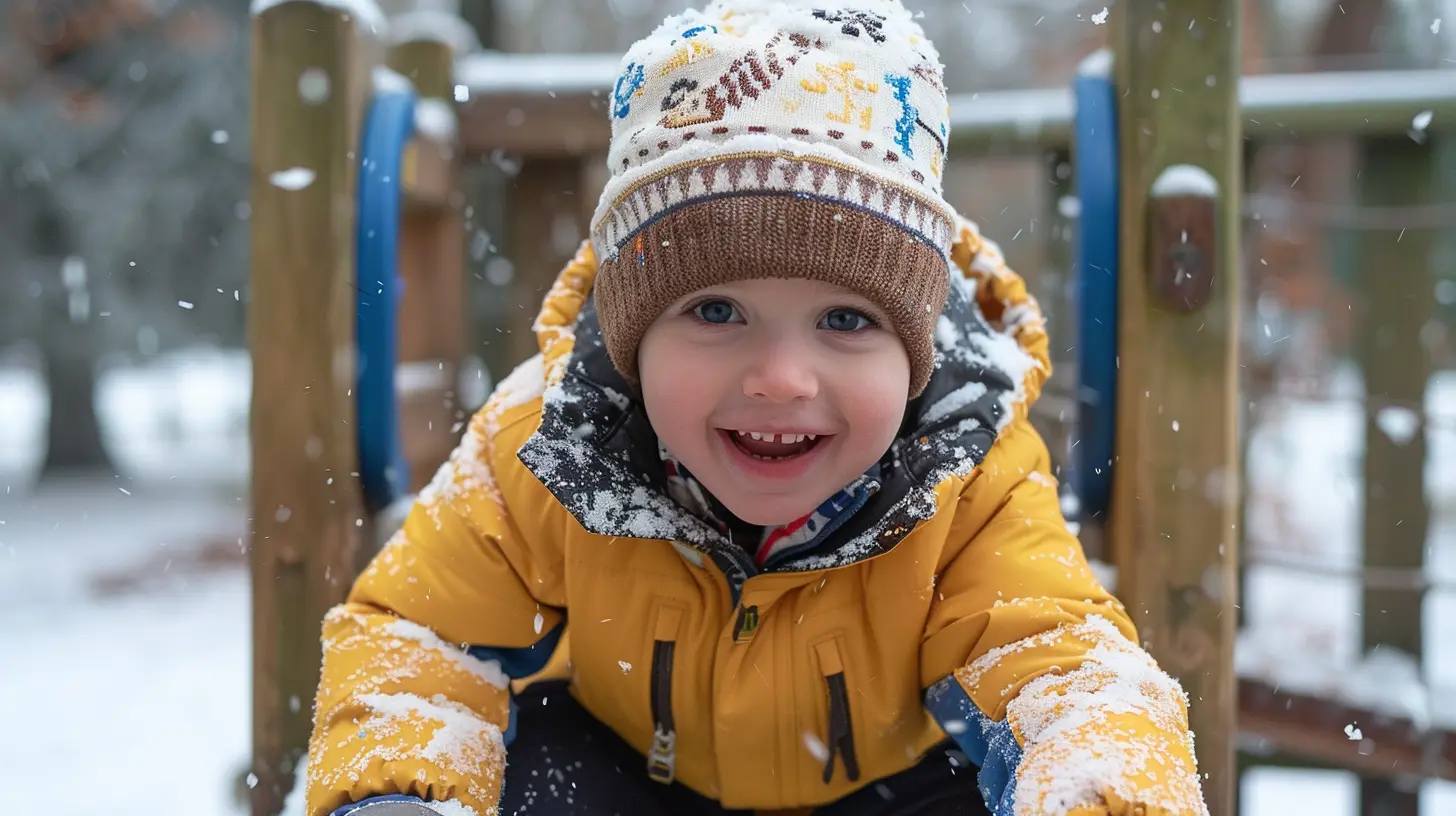
Why Outdoor Play Matters More Than Ever
Let’s face it—childhood has changed. With technology at our fingertips and safety concerns keeping parents hesitant, outdoor play isn’t as common as it used to be. But that shift is costing kids big time.Outdoor play isn’t just about burning off energy. It nurtures a child’s mind, body, and spirit in a way that indoor play just can’t. From building resilience to enhancing creativity, the great outdoors is basically an all-in-one developmental gym.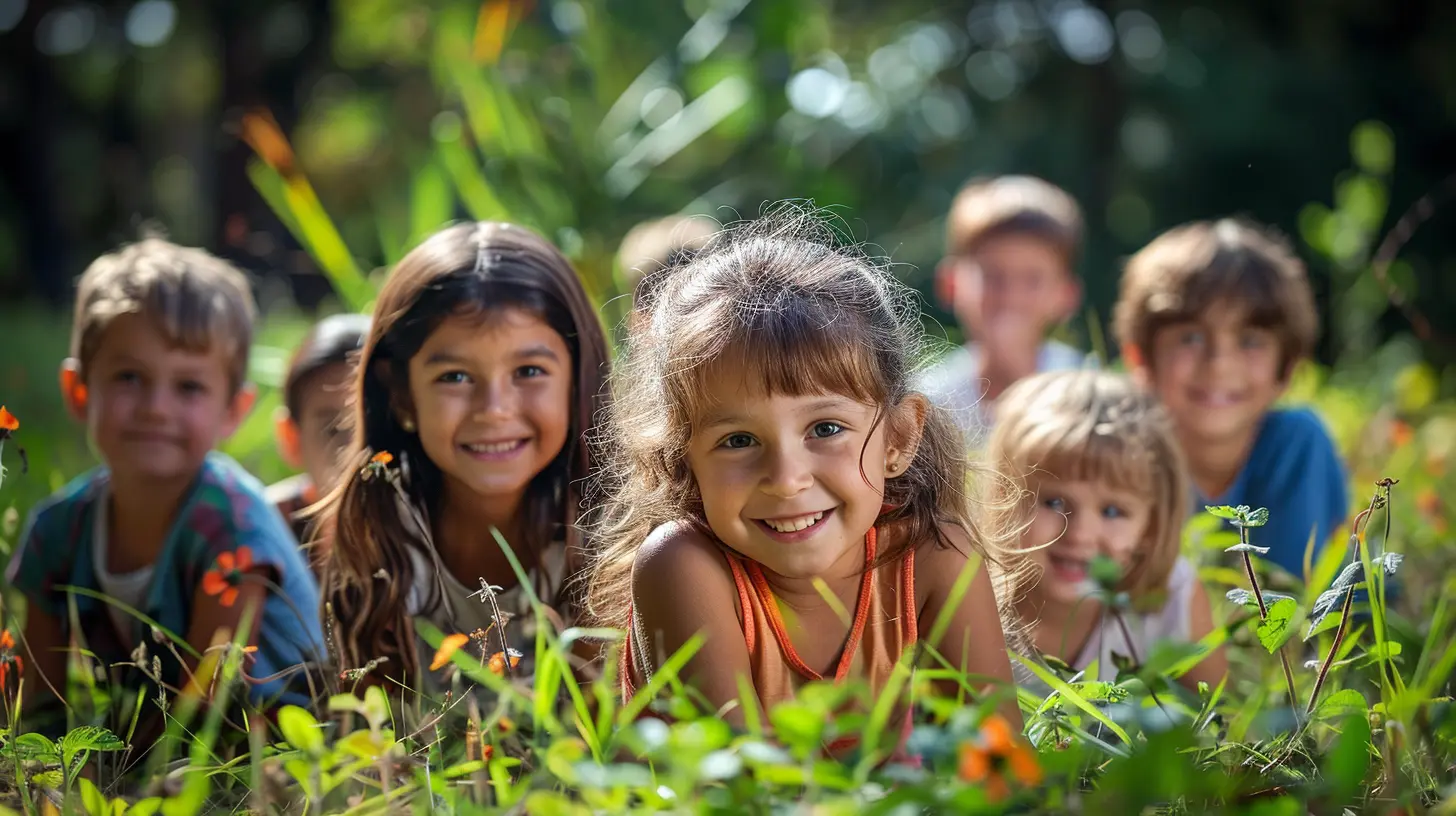
Physical Benefits: Building Stronger, Healthier Bodies
Let’s start with the obvious. When kids are outside, they move. They run, jump, climb, tumble, and spin. All that movement? It’s not just fun—it’s vital.🚴♂️ Gross Motor Skills Get a Workout
Outdoor activities like biking, hopping, and swinging help develop gross motor skills—those larger movements involving arms, legs, and the entire body. The open space allows kids to explore the limits of what their bodies can do.🧠 Brain-Body Connection
Ever tried to balance on a log or jump from rock to rock? These seemingly simple acts challenge kids’ coordination, reaction time, and balance. It’s the kind of brain-body connection that video games can’t simulate.❤️ Combatting Childhood Obesity
Let’s not ignore the elephant in the room. Childhood obesity is on the rise, and outdoor play is a natural solution. When kids play outside regularly, they’re more likely to maintain a healthy weight and cardiovascular health. It’s play with purpose.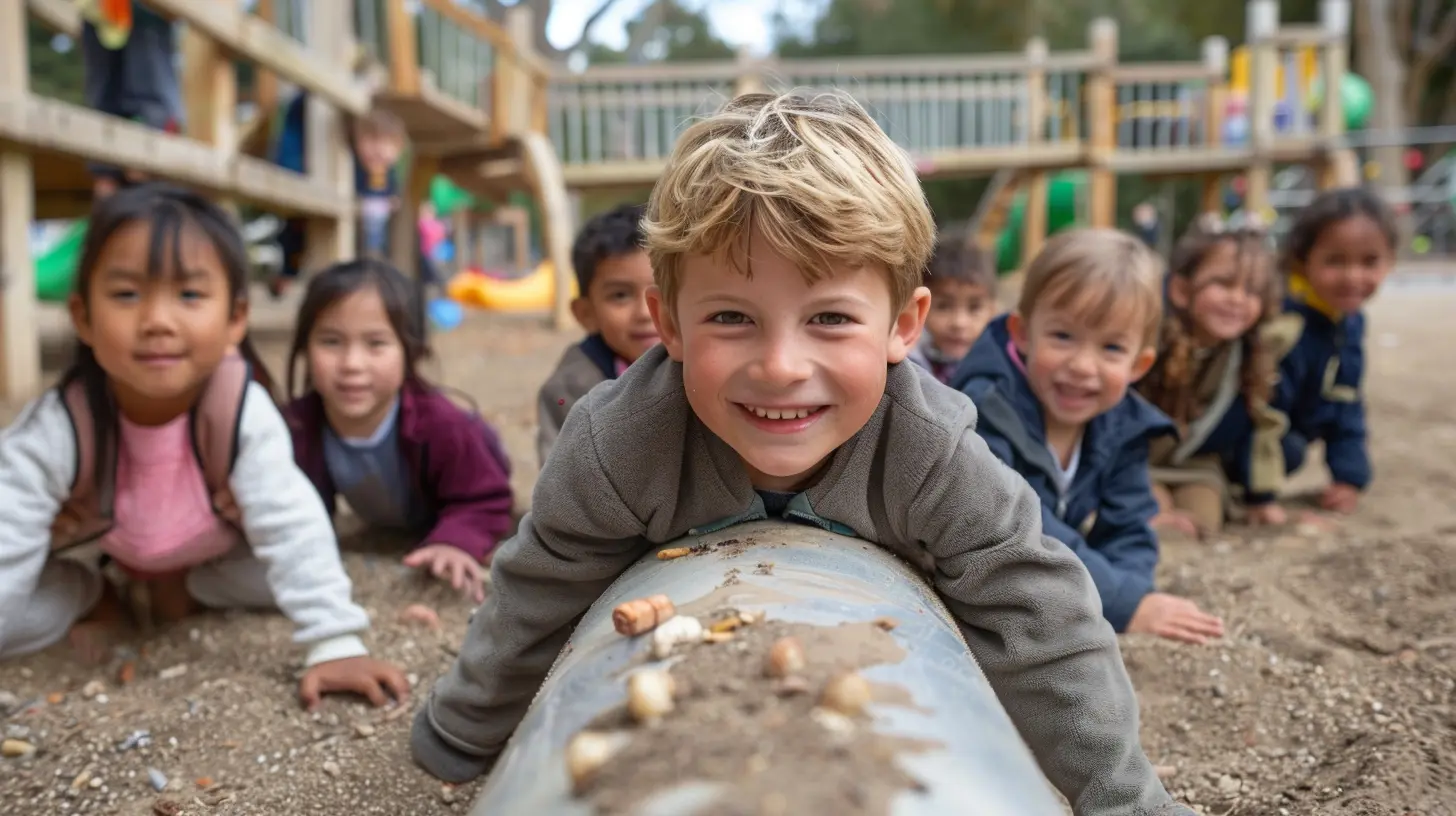
Mental Development: Nature as a Brain Booster
There’s something magical about being in nature. It clears the head. And for kids, it does way more than that.🧠 Cognitive Skills and Problem Solving
Have you ever watched how creative kids get when they’re outside? A stick becomes a sword, a rock turns into treasure, and a tree becomes a castle. This kind of imaginative play fosters problem-solving, decision-making, and critical thinking.Outdoor environments are unpredictable—not everything is neatly arranged like a classroom. This unpredictability teaches kids to adapt and think on their feet.
🧘♂️ Mental Health Matters, Even for Kids
We often think stress is an adult problem. But kids face it too—especially in today's fast-paced, achievement-focused world. Outdoor play reduces stress, anxiety, and symptoms of ADHD. Nature has a calming effect, quieting the mental noise and allowing kids to just be kids.🧬 Boosting Attention Span
A study by the University of Illinois even found that kids with ADHD performed better on concentration tasks after spending time in green outdoor settings. The takeaway? Nature improves focus, memory, and attention span.
Emotional Growth: More Than Just Mud Pies
Let’s talk feelings. Outdoor play opens up emotional channels in a way structured, supervised indoor activities can't.🌿 Building Confidence Through Risks
Climbing a tree, jumping from a high rock, or even leading a game among peers—all involve a certain degree of risk and uncertainty. These experiences teach kids to trust themselves, assess danger, and develop courage. Confidence doesn't grow from safe sofas—it grows from scraped knees and conquered fears.🎭 Emotional Expression in Open Spaces
Outdoors, there's more freedom—physically and emotionally. Kids can scream, laugh, cry, or even talk to themselves without judgment. That self-expression is crucial for emotional development and self-regulation.👫 Social-Emotional Intelligence
Unstructured outdoor play often involves peer interaction. Kids learn to negotiate roles, handle conflicts, and understand emotions—skills that are the foundation of emotional intelligence.Social Skills: Learning to Belong
Outdoor play is the original social network. It teaches kids how to communicate, collaborate, and coexist with others.🤝 Teamwork and Cooperation
Games like tag or hide-and-seek require coordination and teamwork. They also sharpen communication skills as kids learn to express needs, set boundaries, and find compromise.👬 Making and Maintaining Friendships
When kids play outdoors, they often meet new people. These encounters teach how to make friends, handle rejection, and develop empathy. It’s playground diplomacy at its finest.Creativity and Imagination: The Playground as a Canvas
No swings? No problem. Kids are natural problem solvers, and the outdoors is their blank canvas. Whether it's building a fort, playing pretend, or crafting fairy houses out of sticks and leaves, outdoor play stretches the imagination in powerful ways.🎨 Sensory-Rich Environments
Nature stimulates all five senses. That sensory input fuels neural activity linked to creativity and imaginative thinking. The smell of pine, the feel of dirt, the sound of birds—it all sparks inspiration.Connection With Nature: Fostering Responsibility
Let’s not forget the bigger picture. Kids who play outside from a young age are more likely to care about the environment as they grow. They form a bond with nature, and that bond translates into eco-conscious behavior later in life.🌍 Learning Responsibility and Stewardship
Whether it’s watering plants, catching bugs without hurting them, or simply picking up trash, outdoor play can instill a deep sense of responsibility and respect for living things.Digital Detox: Reclaiming Childhood
We’re not anti-tech—it’s a part of life now. But kids desperately need balance. Unplugging from screens and plugging into real-life play helps reset their brains and bodies.⏳ Less Screen Time = More Real Time
Screens tend to make passive consumers out of kids. The outdoors makes them active participants. Real play is immersive, dynamic, and physically engaging—exactly what today’s children need more of.🔋 Recharging the Right Way
Ironically, it’s the natural world that truly recharges kids—energy levels, mood, and motivation. After a couple of hours outside, they’re often calmer, happier, and less irritable. And let’s be honest—it helps parents too.Barriers to Outdoor Play—and How to Break Them
Okay, so we all agree outdoor play is essential. But let’s be real—there are challenges.- Safety concerns
- Over-scheduling
- Lack of access to green spaces
- Screen dependency
But where there’s a will, there’s a way. You don’t need a massive backyard or a forest. Urban parks, community playgrounds, or even neighborhood walks count. You can schedule in “unstructured outdoor time” the same way you’d schedule a music lesson. And screens? Set limits. Make nature the reward, not the punishment.
Simple Ways to Encourage Outdoor Play
Still not sure how to get your kids outside more? Here are a few easy ideas:- Make it a daily routine—just like brushing teeth
- Go geocaching (modern-day treasure hunting!)
- Create a backyard obstacle course
- Let kids help with gardening
- Do a nature scavenger hunt
- Join outdoor playgroups
- Walk or bike to school if possible
Remember, you don’t need to entertain them. Give them the space and time—and they’ll take care of the rest.
Final Thoughts: Let Kids Be Wild Again
At the end of the day, outdoor play isn’t just an option—it’s a necessity. It’s nature’s classroom, the original therapy session, the ultimate gym, and a booster shot for creativity, confidence, and connection.So next time your kid says they're bored, don’t hand them a tablet. Give them a stick. Point to the yard. Say, “Go play.” And watch the magic unfold.
all images in this post were generated using AI tools
Category:
Child DevelopmentAuthor:

Paulina Sanders
Discussion
rate this article
2 comments
Zephira McDowney
What a delightful read! Emphasizing outdoor play's role in child development is so important. It truly nurtures creativity, social skills, and emotional well-being. Thank you for shining a light on this essential aspect of childhood growth!
March 11, 2026 at 3:35 AM
Paulina Sanders
Thank you for your thoughtful comment! I'm glad you enjoyed the piece and agree on the importance of outdoor play in fostering creativity and social skills.
Lacey Warner
Outdoor play enriches childhood development and well-being.
February 11, 2026 at 5:10 PM
Paulina Sanders
Absolutely! Outdoor play fosters essential skills, promotes physical health, and enhances creativity, making it vital for holistic child development.