The Influence of Evolutionary Psychology on Human Behavior
30 April 2026
Ever wonder why we behave the way we do? Why do we get jealous, form tight-knit social groups, or get a gut feeling that something just isn’t right? The answers might go deeper than just upbringing or personal experiences—they might go all the way back to our evolutionary roots. That’s where evolutionary psychology steps in.
In this article, we're diving deep into how evolutionary psychology continues to influence human behavior. We’ll unpack ideas in a fun, relatable way without getting lost in academic jargon. So settle in—you're about to see yourself (and others) in a whole new light.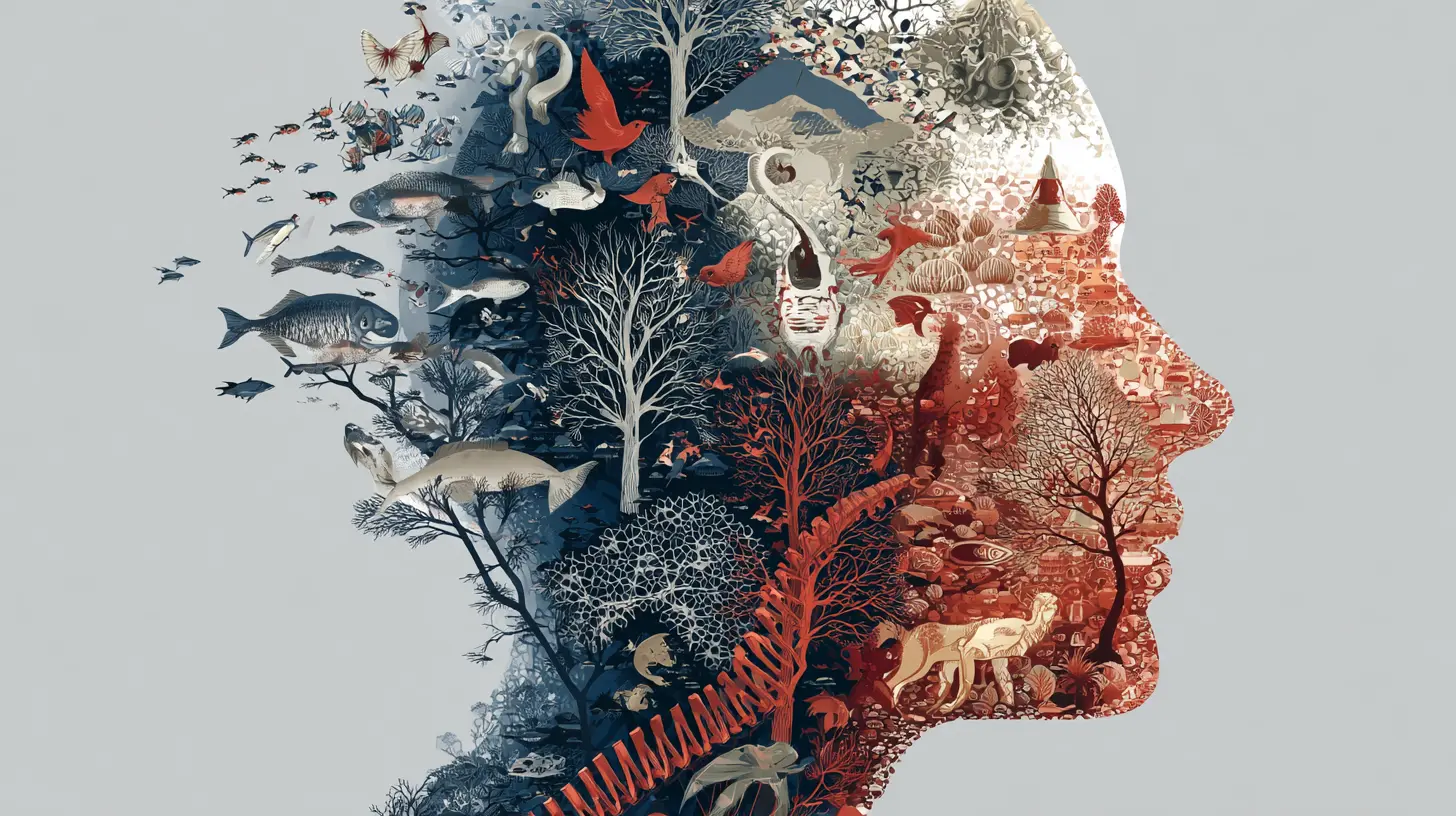
What Is Evolutionary Psychology, Anyway?
Alright, let’s start with the basics.Evolutionary psychology is a branch of psychology that looks at how human behavior has been shaped over millions of years through natural selection. Think of it as psychology meets survival of the fittest. It operates on a simple idea: behaviors that helped our ancestors survive and reproduce are the ones that stuck around.
It’s like using a “caveman lens” to understand modern human actions. Why do we crave sugary foods? Why are we drawn to certain people romantically? These behaviors made sense back when staying alive meant outrunning predators or finding the best mate.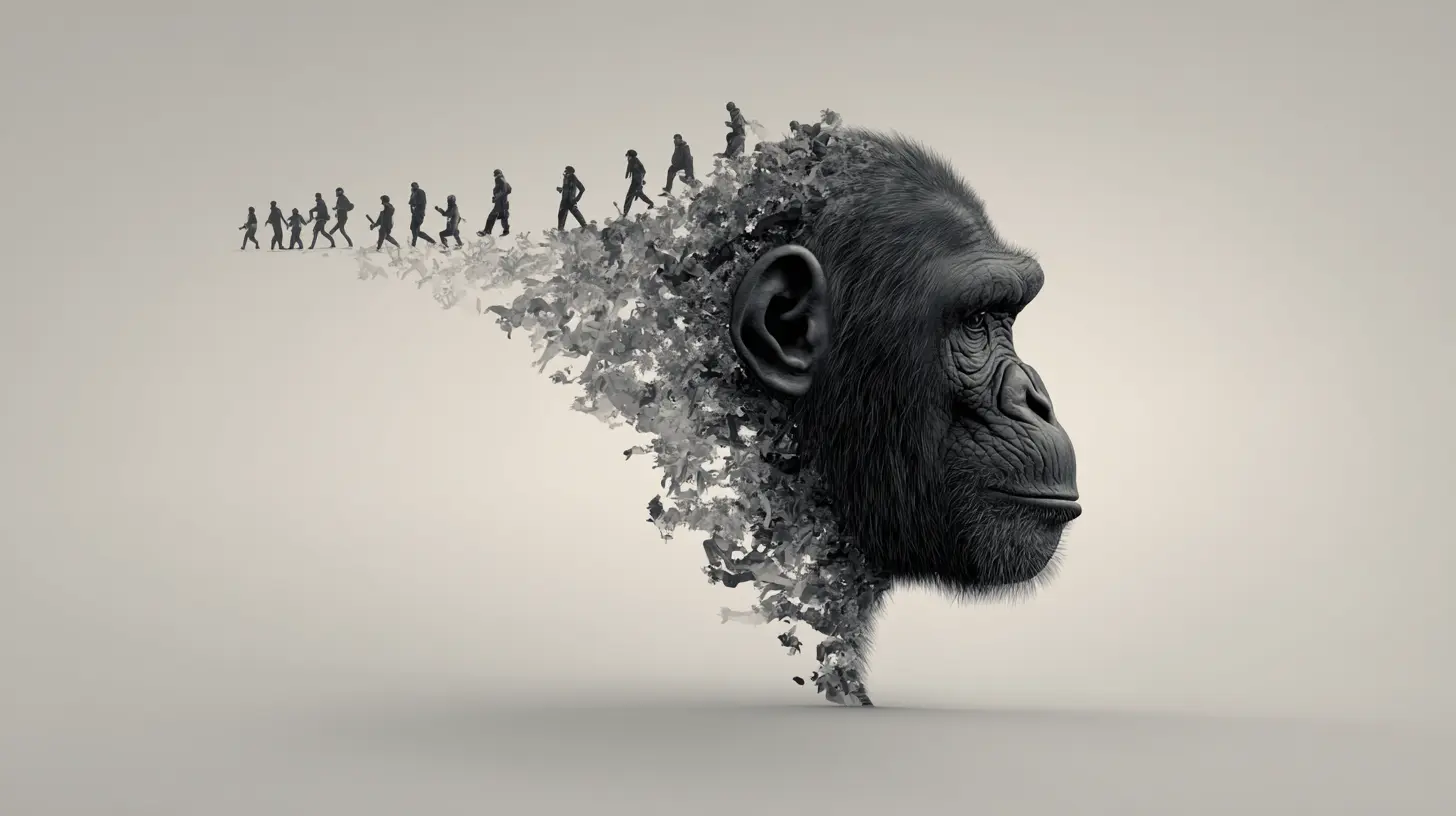
The Roots of Our Reactions: Survival and Reproduction
When you strip away all the tech, gadgets, and modern conveniences, at our core, we’re still animals built for survival and reproduction. Crazy, right?1. Our Fear Response
Ever felt a rush of panic walking alone at night? That’s not just anxiety—that’s an ancient survival tool firing up. Our ancestors who reacted quickly to danger (like spotting a predator) were more likely to survive. That heightened awareness—what we now call the “fight or flight” response—is hardwired.2. Attraction and Mate Selection
Let’s talk love—or at least, attraction. Evolutionary psychology suggests we’re drawn to traits that signal health, fertility, and good genes. That’s why physical features like clear skin, symmetrical faces, or a certain body shape tend to be universally appealing.Now, don't roll your eyes. Of course, love is more than looks. But initial attraction? It’s rooted deeply in biology.
3. Jealousy and Fidelity
Jealousy might feel like an ugly emotion, but from an evolutionary standpoint, it served a purpose. For men, it meant guarding against paternity uncertainty. For women, it was about ensuring their partner stayed invested in raising offspring. Today, those prehistoric drives still show up, even in our Tinder-swiping society.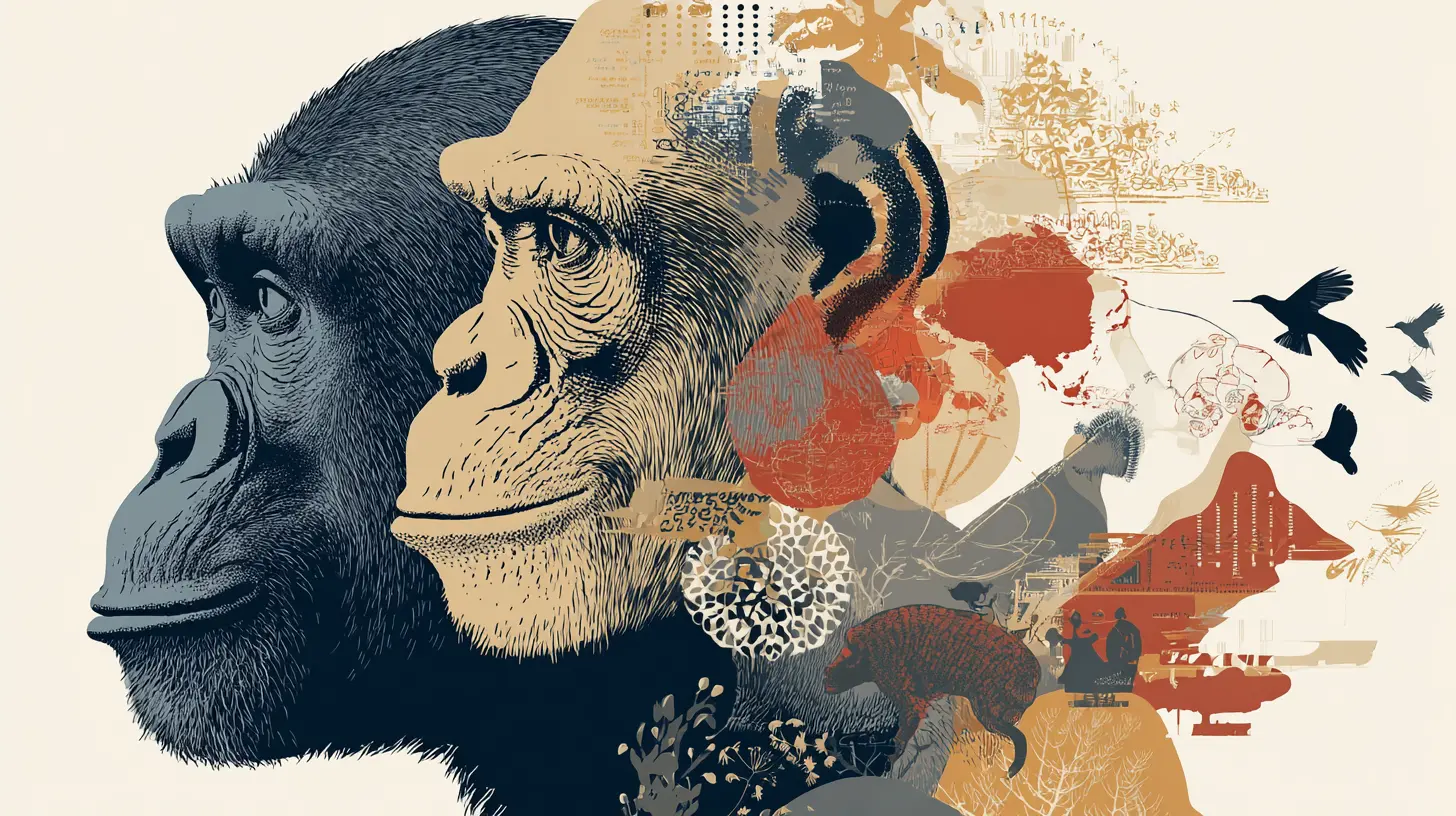
Social Behavior: We’re Pack Animals at Heart
We might have smartphones now, but our brains are wired for tribe life.1. The Need to Belong
Have you ever felt left out and it just hurt? That’s no accident. Belonging to a group once meant protection and access to food. Isolation could literally be deadly. So, we developed a psychological need to connect, to fit in, and to avoid rejection.That’s part of why social media is so addictive. It hits the “belonging” button in our brains—likes, shares, and followers give us that fleeting feeling of being part of something.
2. Gossiping Isn’t All Bad
Let’s be honest—everyone gossips now and then. From an evolutionary perspective, gossip wasn’t just juicy entertainment; it was a way to exchange important social information. Who’s trustworthy? Who broke the tribe’s rules? Knowing these things helped keep harmony and cooperation alive in small groups.3. Tribalism and "Us vs. Them"
Ever noticed how people band together based on shared interests, nationalities, religions, or even sports teams? That’s tribalism. In ancient times, loyalty to your group meant survival. Outsiders were potential threats.Unfortunately, this instinct can contribute to prejudice and conflict today. But recognizing this evolutionary bias is the first step in working around it.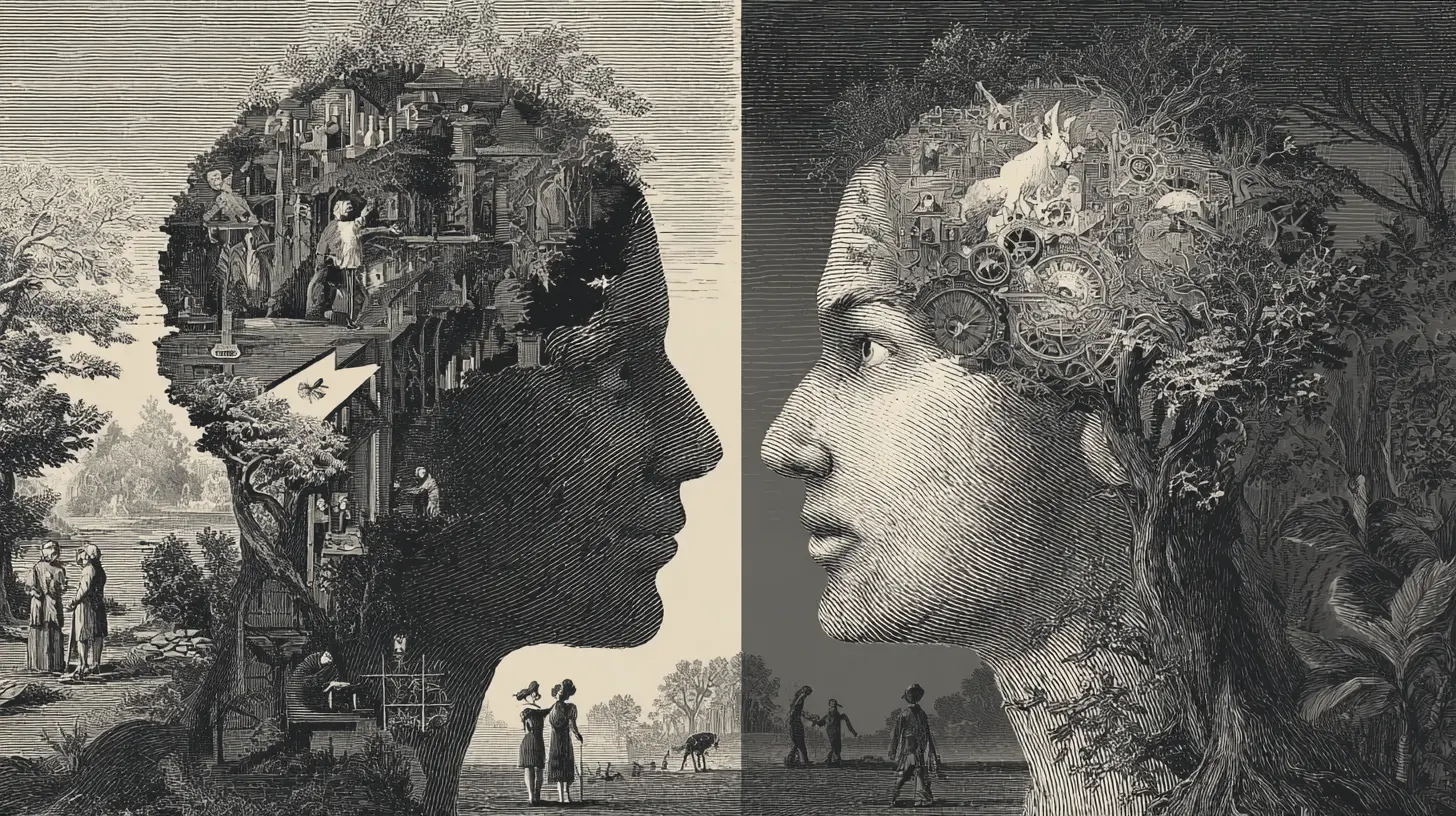
Modern Life vs. Ancient Instincts: A Mismatch?
Here’s where things get tricky. Our brains are still running on Stone Age software, but we’re living in a hyper-modern world. That mismatch creates some interesting (and sometimes harmful) behaviors.1. Overeating and Craving Sugar
Back in the day, food was scarce. Calories were precious. So when our ancestors stumbled upon something sweet, they ate as much as possible. Fast forward to today—sugar is everywhere, and our bodies haven’t gotten the memo. It’s like our instincts are set to hoard, but there’s no need.2. Anxiety in a Safe World
Our stress response evolved to save us from physical danger—like a lion lurking in the bushes. But now, those same stress hormones flood our system because of traffic, work emails, or social pressure. It’s no wonder anxiety is so common.3. Shopping, Status, and Materialism
Why do we spend money on things we don’t need? From an evolutionary point of view, flashy stuff can signal status. It’s like a peacock's tail—completely impractical, but impressive. Higher status often meant better access to resources and mates. These instincts haven’t left us, they’ve just morphed into car payments and brand-name clothes.Gender Differences in Behavior: Nature’s Blueprint?
Tricky topic, we know. But evolutionary psychology doesn’t ignore the fact that men and women evolved under slightly different pressures.1. Men as Risk-Takers
Males in many species tend to take more risks to stand out or gain an advantage in mating. Humans are no different. Risky behavior might seem foolish today, but it once served a reproductive purpose. Of course, modern society has changed the game—but those instincts die hard.2. Women and Selectivity
Women, on average, tend to be more selective when choosing a partner. Biologically, they’ve got more at stake—pregnancy, child-rearing, and the need for a stable partner. Again, this isn’t about reinforcing stereotypes; it’s about understanding behavior patterns through an evolutionary filter.It’s also worth mentioning: social and cultural factors are powerful. Evolution sets the stage, but culture writes much of the script.
Moral Judgment and Altruism: Are We Really Selfish?
Here’s a twist. Evolutionary psychology also explains some of our noblest traits—not just the selfish ones.1. Kin Selection
Helping your family, even at personal cost, makes evolutionary sense. It’s called “kin selection.” Helping someone close to you helps pass shared genes to the next generation. That’s why people often go to great lengths for siblings or children.2. Reciprocal Altruism
“Scratch my back, I’ll scratch yours.” It’s a simple deal, but it has deep evolutionary roots. Helping someone outside your family—if they’re likely to return the favor—was key in small communities. This is where trust and fairness evolved.3. Punishing Cheaters
Even when it costs us, we often want to punish wrong-doers. Why? People who cheat or freeload threatened group cooperation. By punishing them, even at our own expense, we help maintain social trust. That’s where our moral compass comes from—it's not divine, it's primal.Criticisms of Evolutionary Psychology
Of course, like any field, evolutionary psychology isn’t perfect. Critics argue:- It’s sometimes speculative. Because we can’t directly observe ancient behaviors, some claims feel like educated guesses.
- It can ignore cultural and social influences. Not everything we do is biology.
- It risks justifying harmful behaviors. Saying something is “natural” doesn’t make it right.
But when applied with care, evolutionary psychology can offer valuable insight into why we are the way we are.
So, Why Does This Matter?
Understanding the influence of evolutionary psychology gives us something really important: perspective.When we recognize that our brains and behaviors are deeply influenced by ancient survival needs, we can respond more mindfully today. We can question our gut reactions, challenge outdated instincts, and build a world that isn’t ruled by fear, jealousy, or tribalism.
It’s kind of like having emotional X-ray vision. You start to see the invisible forces that shape not just your actions, but the behavior of those around you.
Cool, right?
Final Thoughts
Evolutionary psychology might not have all the answers, but it offers a powerful lens through which we can understand human nature. From our deepest fears to our highest ideals, so much of what makes us us has been forged through evolution’s slow, steady hand.So next time you get a weird gut feeling, feel drawn to someone, or stress out about a social situation—remember, you're not irrational. You're human. And there's a long, fascinating history behind every reaction.
all images in this post were generated using AI tools
Category:
Psychological TheoriesAuthor:

Paulina Sanders
Discussion
rate this article
1 comments
Lisette Estes
This article raises fascinating points about how our evolutionary history shapes modern behavior. It's intriguing to consider how instincts from our ancestors still play a role in our daily lives, influencing everything from relationships to decision-making. I wonder how much of our behavior is truly hardwired versus shaped by culture.
May 26, 2026 at 3:30 AM
Paulina Sanders
I'm glad you found the points intriguing. It's a complex mix of hardwired instincts and cultural influences that shape us. Exploring that balance is key to understanding human behavior.