The Influence of Gender Roles on Emotional Expression and Communication
6 February 2026
Emotions play a huge role in our daily lives. They shape our reactions, influence our decisions, and impact our relationships. But have you ever stopped to think about how gender roles affect the way we express emotions and communicate?
Society has long dictated how men and women should behave, including how they handle their emotions. From childhood, boys are often told to "man up" while girls are encouraged to be more expressive and nurturing. These expectations follow us into adulthood, shaping our interactions, relationships, and even mental health.
Let’s dive deep into this fascinating topic and uncover how gender roles influence emotional expression and communication.
Understanding Gender Roles and Their Impact on Emotions
What Are Gender Roles?
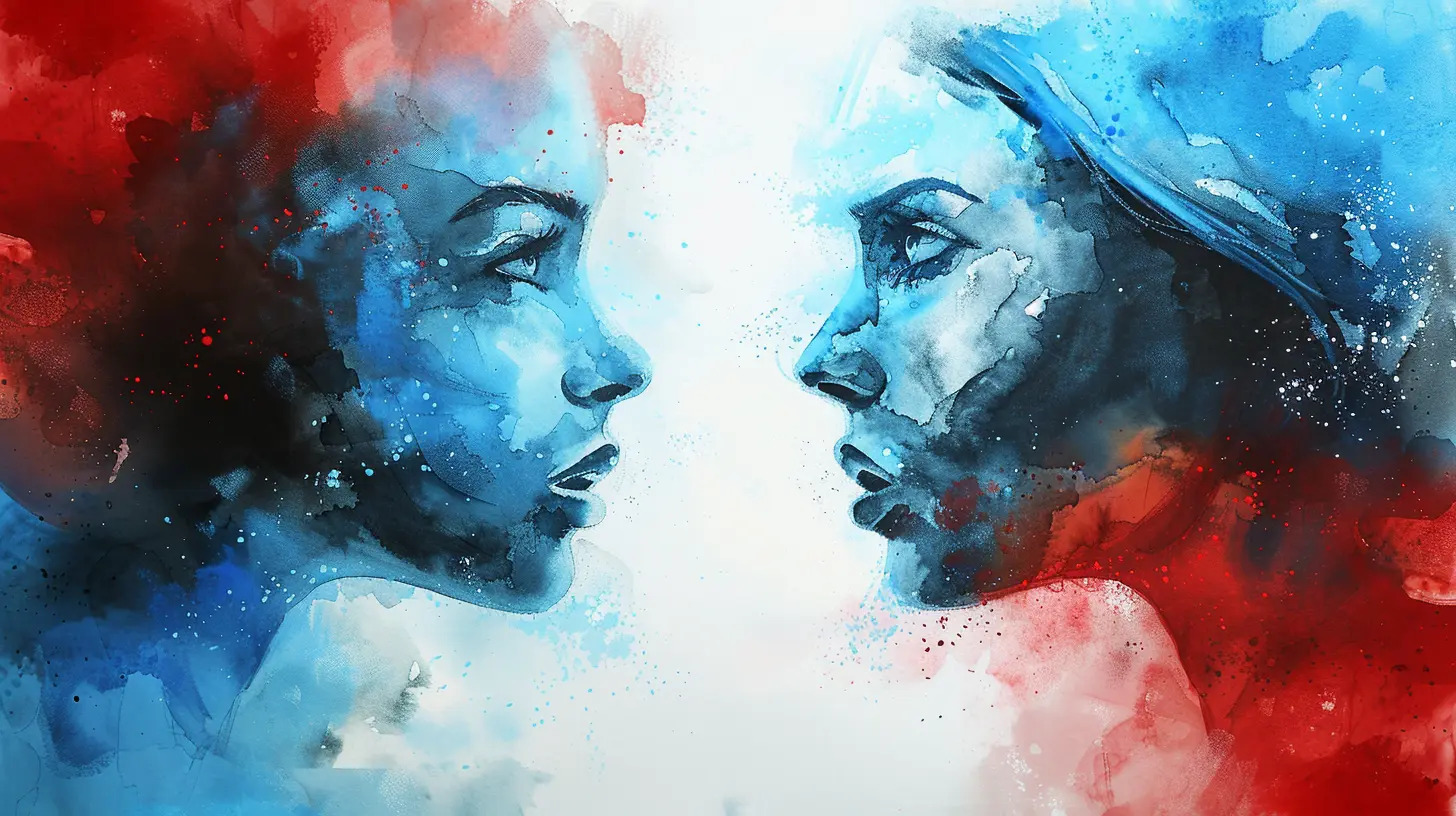
Gender roles are the societal expectations assigned to individuals based on their perceived sex. These roles dictate how men and women should behave, dress, and even feel.For example, traditional masculinity emphasizes strength, independence, and emotional restraint, while femininity is linked to empathy, sensitivity, and expressiveness. These norms shape our emotional expression in profound ways.
How Society Shapes Emotional Expression
From an early age, boys and girls receive different messages about emotions. Parents, teachers, media, and peers all play a role in reinforcing these norms.- Boys are often discouraged from expressing sadness or fear because these emotions are seen as signs of weakness. Instead, they’re encouraged to show confidence, aggression, or emotional control.
- Girls, on the other hand, are often expected to be more open about their emotions, especially when it comes to sadness and empathy. However, they may be discouraged from expressing anger or assertiveness because it conflicts with traditional femininity.
Over time, these societal messages shape how men and women process and express their feelings, leading to noticeable differences in communication styles.
How Gender Roles Influence Emotional Expression
Emotional Suppression in Men
Because of societal pressure, many men feel the need to suppress their emotions, especially vulnerability and sadness. Phrases like "boys don't cry" reinforce the idea that showing emotions makes them weak.But suppressing emotions doesn’t mean they disappear. Instead, these emotions might manifest in different ways—through anger, frustration, or withdrawal. This emotional bottling up can lead to mental health issues, including depression, anxiety, and even substance abuse.
Emotional Expression in Women
Women, on the other hand, are often encouraged to be emotionally expressive, but only in ways that align with societal expectations. They can openly cry, express sadness, and show empathy, but if they display anger or assertiveness, they may be judged as "too aggressive" or "overreacting."This double standard can be frustrating, preventing women from expressing themselves fully and leading to feelings of self-doubt. Many women learn to downplay their anger or frustration to avoid backlash, which can impact their confidence and self-worth.
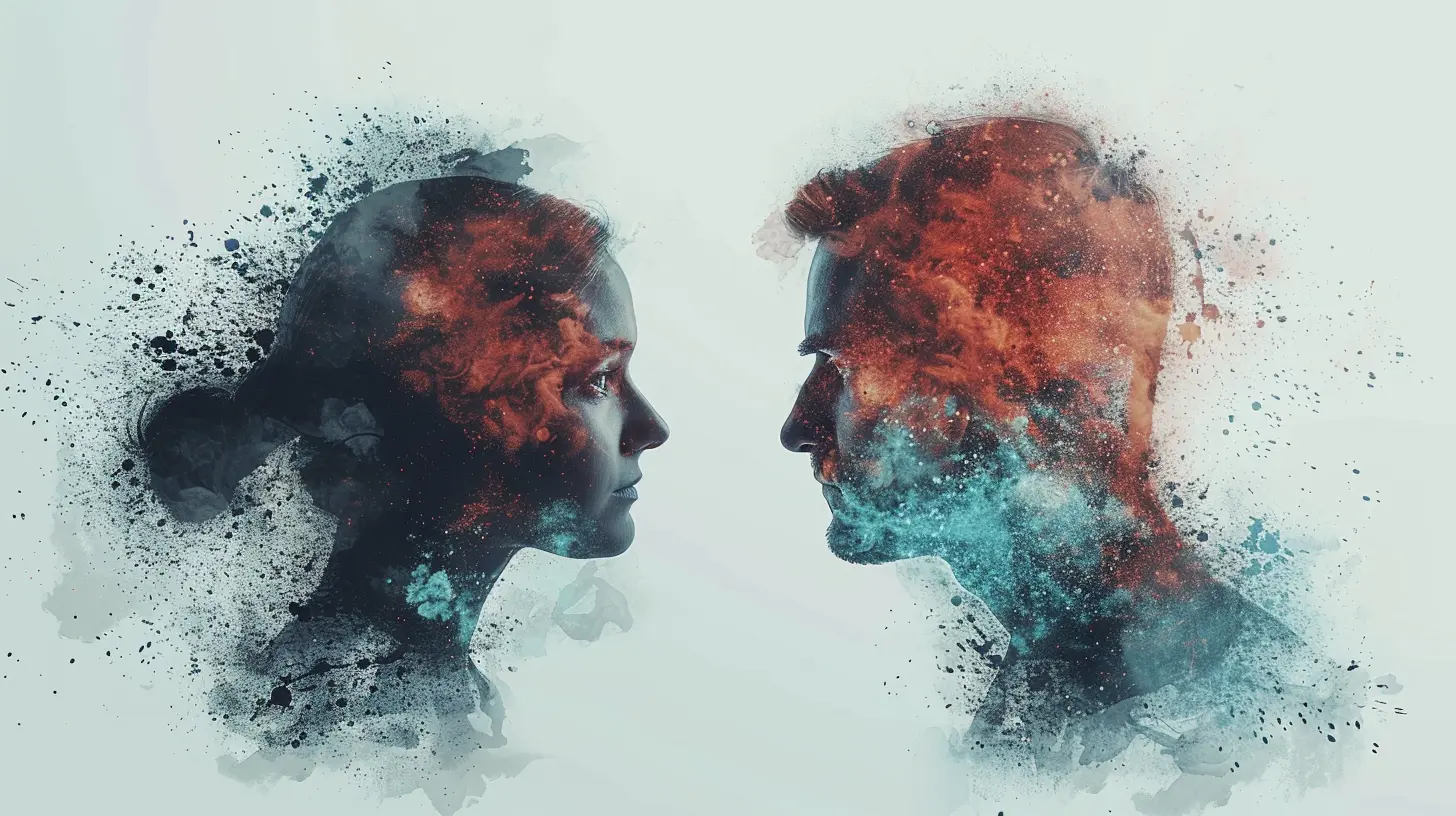
Gender Differences in Communication Styles
Men’s Communication Style
Men are often taught to be more direct, assertive, and solution-focused in their communication. They may prioritize logic over emotion, leading to interactions that seem detached or unemotional.For instance, if a man’s friend shares a problem, he might immediately jump to offering solutions rather than providing emotional support. While this approach isn’t wrong, it can sometimes make emotional conversations feel transactional rather than heartfelt.
Women’s Communication Style
Women, on the other hand, tend to focus more on emotional connection and empathy. They often use active listening, nodding, and verbal affirmations to show they care. Instead of jumping straight to solutions, they prioritize understanding how the other person feels.This emphasis on emotional connection helps foster strong relationships and deep conversations. However, it can sometimes lead to frustration when discussing issues with someone who prioritizes problem-solving over emotional validation.
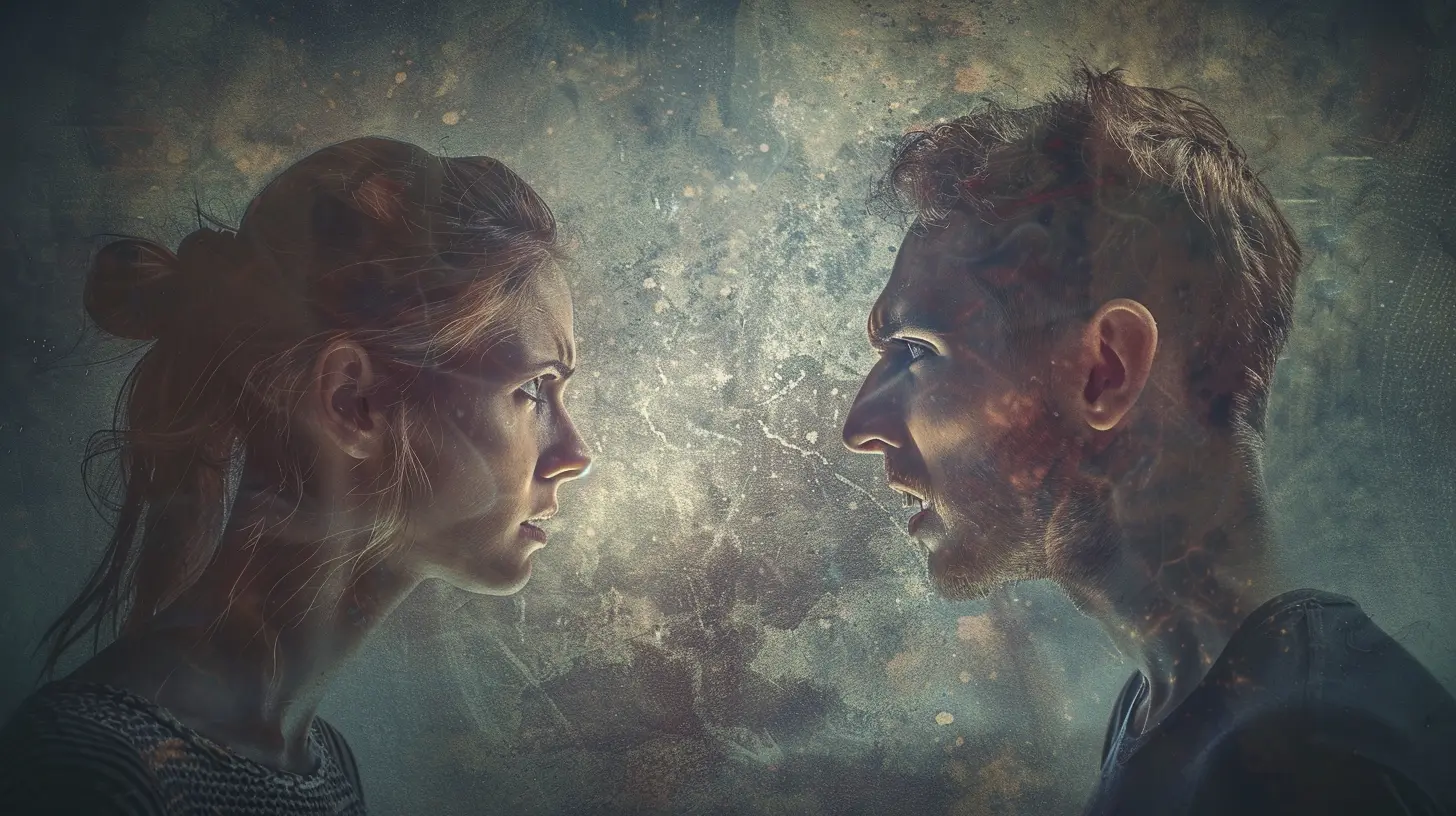
The Effect on Relationships and Mental Health
Relationships and Emotional Mismatches
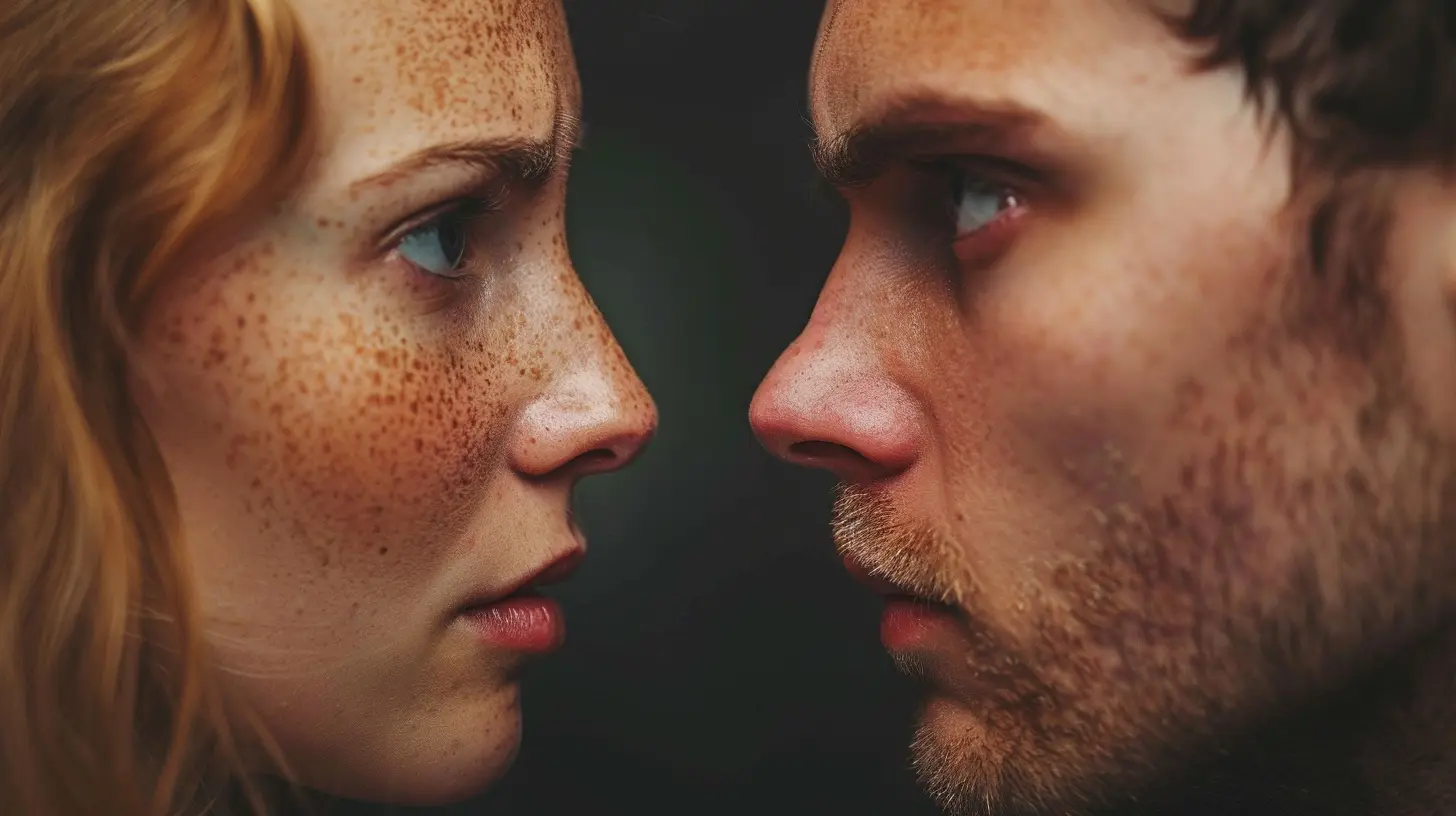
Differences in emotional expression and communication can sometimes create misunderstandings in relationships. A man who struggles to express vulnerability may come across as emotionally distant, while a woman who openly shares her emotions might feel unheard if her partner doesn't reciprocate.These mismatches can lead to frustration, resentment, and even relationship breakdowns. Understanding that these differences are shaped by gender norms—not personal flaws—can help couples navigate their communication styles more effectively.
Mental Health Consequences
Gender roles can have serious consequences on mental health. Men who suppress their emotions may struggle with issues like depression and anxiety but feel too ashamed to seek help. The stigma around male vulnerability prevents many men from reaching out, leading to isolation and suffering in silence.Women, on the other hand, may experience emotional burnout from constantly being expected to nurture others while neglecting their own needs. Suppressing anger or assertiveness can also contribute to stress and anxiety.
Breaking free from these restrictive norms is crucial for mental well-being. Encouraging open emotional expression—regardless of gender—can lead to healthier minds and relationships.
Breaking Free from Gendered Emotional Norms
Encouraging Emotional Awareness in Men
It’s time to normalize emotional expression for men. Encouraging boys to acknowledge and express their emotions can have lifelong benefits. Society should shift from saying "man up" to "it's okay to feel."Men can start by:
- Allowing themselves to feel and express a full range of emotions
- Seeking support and discussing feelings without fear of judgment
- Challenging stereotypes that associate emotional expression with weakness
Empowering Women to Express Themselves Fully
Women should feel just as comfortable expressing anger, assertiveness, and confidence as they do sadness and empathy. Society needs to stop labeling strong women as "bossy" or "too emotional."Women can empower themselves by:
- Owning their emotions and expressing them unapologetically
- Setting boundaries and standing firm in their opinions
- Encouraging open discussions about emotional equality in relationships and workplaces
Creating a Balanced Emotional Culture
The world would be a better place if emotional expression wasn’t tied to gender. A balanced emotional culture means creating environments where men and women feel free to express themselves without judgment.This shift starts with small changes—talking openly about emotions, challenging outdated stereotypes, and supporting emotional authenticity in our families, workplaces, and social circles.
Imagine a world where boys and men can cry without shame and where girls and women can assert themselves without backlash. That’s the kind of society we should strive for—one where emotions are seen as human, not gendered.
Final Thoughts
Gender roles have long influenced how we express emotions and communicate, but we don’t have to be trapped by outdated norms. By fostering emotional openness and balance, we can improve our relationships, mental health, and overall well-being.At the end of the day, emotions are universal. They don’t belong to one gender—they belong to all of us. So let’s break free from societal expectations and embrace emotional expression in its raw, authentic form.
all images in this post were generated using AI tools
Category:
Emotional ExpressionAuthor:

Paulina Sanders
Discussion
rate this article
2 comments
Elijah McCall
Critical topic for understanding emotions!
March 4, 2026 at 4:19 AM
Paulina Sanders
Absolutely! Gender roles shape how we express and communicate emotions, making this topic crucial for deeper insights.
Adeline Barlow
Who knew emotions could have a dress code? Let’s break the style barriers!
February 19, 2026 at 4:05 PM
Paulina Sanders
Absolutely! Emotions should be free from societal constraints—let's embrace authentic expression regardless of traditional norms!