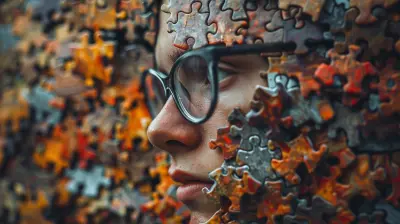
The Power of Vulnerability: How Emotional Expression Heals
27 July 2026
Let’s be honest for a second—being vulnerable isn’t exactly something that most people wake up feeling excited to do. In fact, for many of us, just the idea of opening up emotionally can feel downright terrifying. We’ve been taught to keep it together, to stay strong, to "put on a brave face." But what if letting your guard down is actually one of the strongest things you can do?
In this article, we're diving deep into the power of vulnerability and how expressing your emotions can be one of the most healing acts you can offer yourself. This isn't about oversharing or dumping your feelings everywhere—it's about real, raw connection with yourself and others. You might be surprised by what happens when you stop bottling everything up.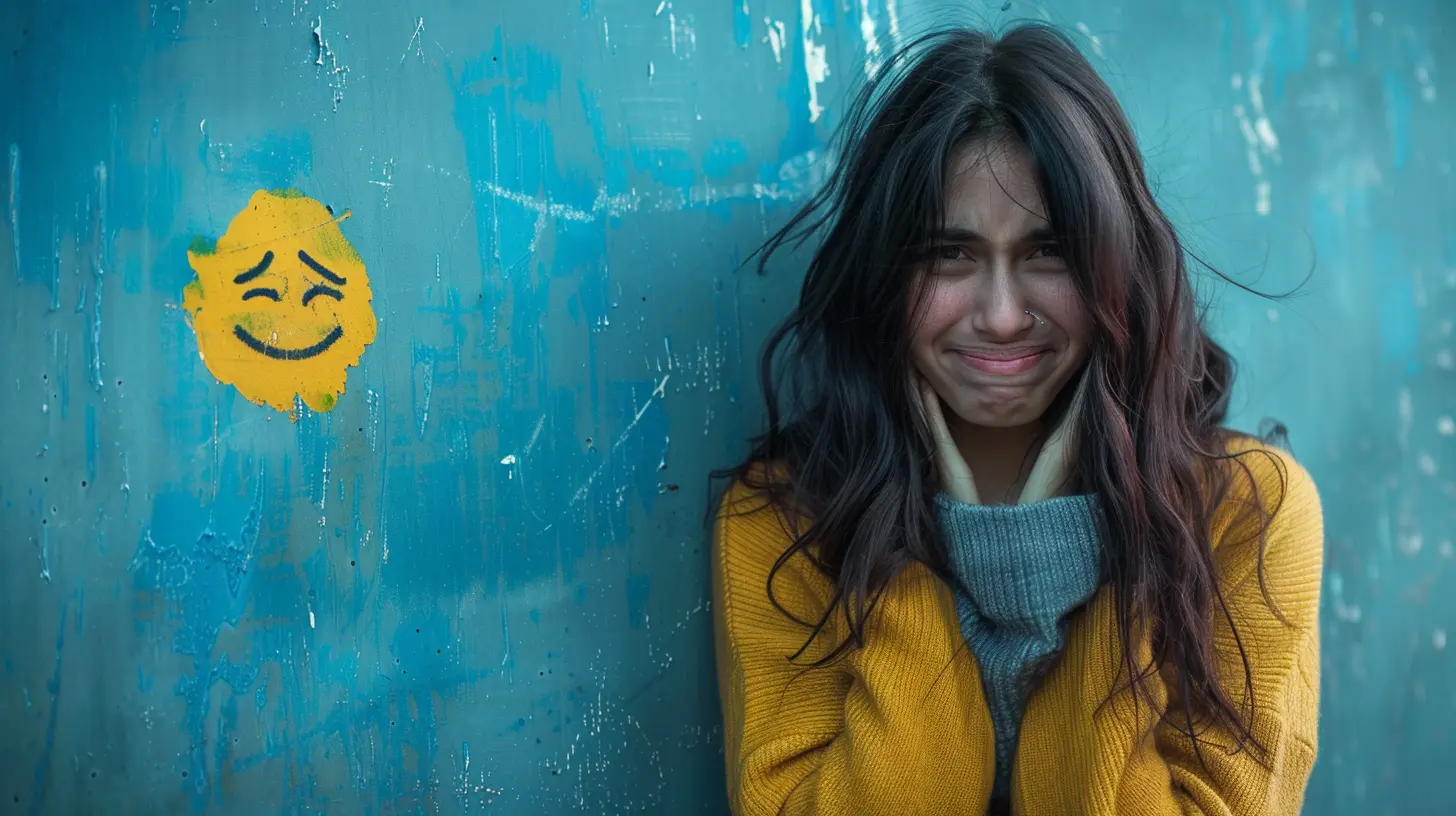
What Does It Really Mean to Be Vulnerable?
Let’s start with the basics. Vulnerability is often misunderstood. It’s not weakness. It’s not being overly sensitive. And it’s definitely not about constantly crying or being emotional around the clock.Vulnerability is the willingness to show up and be seen when you can't control the outcome. It's about being honest with your feelings, even when you're scared of rejection, shame, or judgment. Sounds uncomfortable, right? That’s because it is. But that discomfort is where real growth happens.
Think of vulnerability as emotional courage. It's like standing in a thunderstorm without an umbrella—you might get soaked, but you're fully experiencing the weather, not hiding from it.
Why We Avoid Vulnerability Like the Plague
Let’s get real—we all have walls. Our culture, upbringing, and personal experiences have taught us to protect ourselves at all costs. Maybe you were told crying was a sign of weakness. Or maybe you were hurt deeply after opening up once, so you shut down to avoid that pain again.We avoid vulnerability because of fear. Fear of being judged, fear of looking incompetent, fear of being perceived as "too much." It's a defense mechanism. But while those walls might keep out pain, they also keep out connection, intimacy, and healing.
The irony? What we think is protecting us is actually isolating us.
The Science of Emotional Expression and Healing
Here’s where things get really interesting. Research in psychology and neuroscience shows that expressing your emotions—especially the difficult ones—actually has tangible health benefits.Emotional Suppression Takes a Toll
When you suppress emotions, your brain and body don’t just forget about them. They linger. Suppressed emotions can lead to increased stress hormones like cortisol, which, over time, can contribute to anxiety, depression, heart issues, and even a weakened immune system. It’s like carrying around emotional debt—eventually, interest stacks up.Expression Creates Relief
On the flip side, expressing your emotions activates different areas of the brain that are tied to regulation, empathy, and well-being. It’s not just a mental release—it’s biological. Studies even show that journaling or talking about your feelings can reduce physical symptoms, improve mood, and enhance overall mental clarity.So yeah, turns out those tears might do more than just fog up your glasses.
The Healing Power of Being Seen
Here’s the magic part of vulnerability: when you express what you’re really feeling, you give others a chance to truly see you. And being seen—being witnessed in your full humanity—is deeply healing.Think about the last time someone really listened to you. Like, really heard you. That feeling of understanding, of not being alone in your pain—that’s the foundation of emotional healing.
You don’t need someone to fix your feelings—you need someone to hold space for them. And sometimes that "someone" is you.
Vulnerability Strengthens Relationships
Now let's talk about connection. Vulnerability is like the superglue of relationships. Whether it’s with a partner, a friend, or a family member—it builds trust, fosters empathy, and deepens intimacy.When you open up about your struggles, your fears, your insecurities—you’re not pushing people away. You’re inviting them in. You’re saying, “Hey, this is the real me,” and giving them permission to show up authentically too.
Vulnerability begets vulnerability. That’s how emotional safety is built.
It’s like dancing. Someone’s gotta take the first step—and once you do, the rhythm starts flowing.
Common Myths About Vulnerability
There’s a ton of misinformation out there about what it means to be vulnerable. Let’s bust a few of those myths.Myth 1: Vulnerability = Weakness
Nope. Vulnerability is emotional bravery. It takes far more strength to say, “I’m struggling” than to pretend you’ve got it all together.Myth 2: Vulnerability Means Oversharing
Not even close. You don’t need to spill your guts to everyone you meet. Vulnerability is about intention and authenticity, not performance.Myth 3: You’ll Get Hurt If You’re Vulnerable
While being open can lead to pain, not being vulnerable guarantees emotional disconnection. It's a risk, yes—but one that often leads to connection, not harm.How Vulnerability Leads to Personal Growth
Here’s the kicker—vulnerability isn’t just for relationships. It’s essential for growth. When you allow yourself to feel and express what’s truly going on inside, you start learning about yourself in ways you never could by keeping it all hidden.Self-Awareness and Acceptance
By getting honest about your emotional state, you start to uncover deeper truths about your values, fears, and needs. That’s the first step in healing and evolving.Facing Shame and Rewriting Narratives
Many of us carry shame stories like invisible backpacks—beliefs that we’re not good enough, that we’re unworthy of love. Vulnerability lets us confront those stories and begin to write new, kinder narratives.Resilience through Connection
When you share your struggles and receive empathy in return, you’re building emotional resiliency. You're proving to yourself that pain doesn’t have to be carried alone.Simple Ways to Start Being More Vulnerable
Feeling inspired but not sure where to start? Here are a few gentle steps to begin embracing vulnerability:1. Name Your Feelings
Sounds simple, but most of us are terrible at this. Try sitting with yourself and asking, “What am I actually feeling right now?” Give it a name—anger, sadness, fear, joy, whatever. Labeling your emotion is the first step in processing it.2. Journal Without Judgement
Let the words flow without editing. Don’t worry about grammar or coherence. Just write what’s real for you. It’s like a conversation with your soul.3. Have a Real Conversation
Pick someone you trust and share something you’ve been holding back. Maybe it’s a fear, a regret, or a dream. Keep it honest and open. You don’t need advice—just connection.4. Practice Self-Compassion
Being vulnerable with yourself is just as important as being vulnerable with others. Speak to yourself kindly. Would you call a friend weak for crying? Of course not—so don’t do it to yourself.Vulnerability Isn’t a Destination—It’s a Practice
This isn’t some one-and-done kind of thing. Vulnerability, like any skill, takes repetition. Sometimes you'll overshare. Sometimes you'll under-share. Sometimes you'll feel exposed. That’s okay.The goal is not perfection—it’s authenticity. And every time you show up as the real you, you’re reinforcing a powerful message to yourself: “I matter, just as I am.”
Final Thoughts: What If You Gave Yourself Permission?
What if, just for today, you gave yourself permission to let the mask slip? To not have all the answers? To admit that you're human and sometimes need a shoulder?Being vulnerable doesn’t make you broken—it makes you brave. Emotional expression isn’t a weakness—it’s a doorway to healing. So lean in. Drop the armor. Speak your truth, even if your voice shakes.
Because the power of vulnerability isn't in avoiding pain—it's in facing it with an open heart.
all images in this post were generated using AI tools
Category:
Emotional ExpressionAuthor:

Paulina Sanders
Discussion
rate this article
1 comments
Colin Matthews
Vulnerability is strength. Embrace your emotions; they are the key to true healing and connection.
August 9, 2026 at 2:54 AM
Paulina Sanders
I completely agree. Embracing vulnerability opens the door to authentic connections and deeper healing. It's a powerful journey worth taking.