The Role of Community in Overcoming Emotional Trauma
19 May 2026
Let’s face it—life can be a total emotional rollercoaster. One minute you're sipping coffee and scrolling Instagram, and the next, BAM! You’re hit with heartbreak, loss, betrayal, or some gut-wrenching moment that makes you question everything. Emotional trauma doesn’t come with a warning label, and it sure as heck doesn’t care about your schedule.
But here's the tea—healing doesn’t have to be a solo mission. That deep, soul-sucking pain? You’re not meant to deal with it all by yourself. Enter: community. 🌱
Yup, we're diving into how your squad—whether it’s your ride-or-die besties, your Thursday night support group, or an online forum full of strangers—can play a powerful role in helping you crawl out of the emotional wreckage and reclaim your joy.
So grab a cozy blanket, maybe a snack (healing is hungry work), and let’s talk about how community saves our hearts and sanity.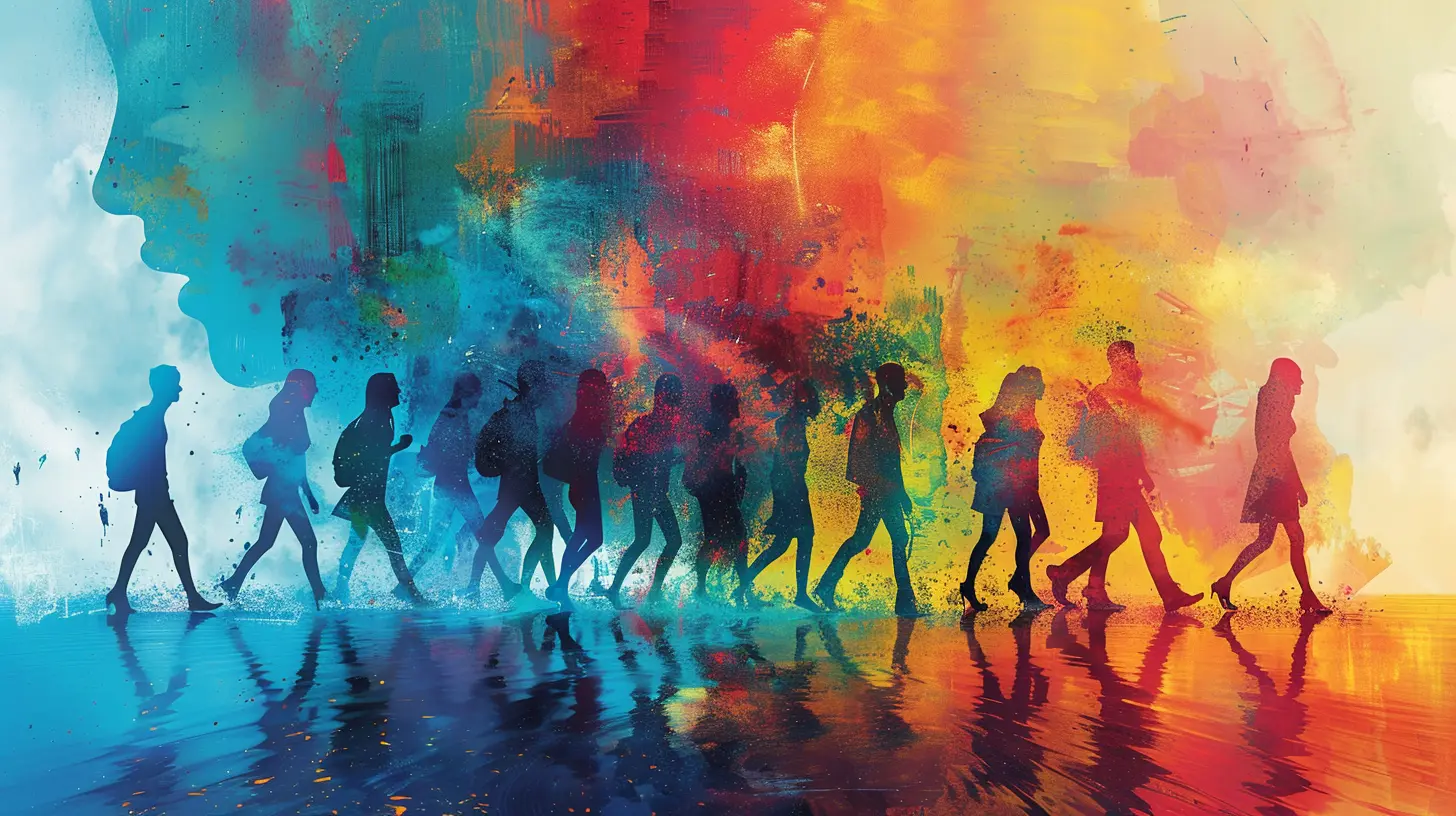
What Exactly Is Emotional Trauma?
Okay, before we get ahead of ourselves, let’s break this down. Emotional trauma isn't just crying in your car or ghosting everyone on your contact list. It's what happens when your mind and body experience something so intense, so distressing, that it leaves an emotional bruise that doesn’t heal overnight.It could be caused by:
- A toxic relationship (you know, that one you should’ve left 100 red flags ago),
- Losing a loved one,
- Surviving abuse,
- Living through a natural disaster or accident,
- Or even long-term exposure to stressful environments (hello, burnout culture).
These experiences shake your sense of safety, leaving you anxious, detached, even numb. And yes—it’s exhausting.
Why Community Matters More Than You Think
So, why the heck does community matter in healing? Can’t I just journal it out, meditate, and sip my emotional support latte?Well, yes and no.
Those things help, but trauma thrives in isolation. When you've been hurt emotionally, your brain tends to go into full-on "trust no one" mode. It whispers lies like, “No one gets it,” “People will think I’m weak,” or “I should be over this by now.”
But here’s the kicker: community is the antidote to those lies.
1. Connection Destroys Shame
Shame loves silence. It festers in the dark corners of your mind, telling you the pain is your fault. But the moment you hear, “Me too,” something shifts. Suddenly, you’re not weird, broken, or alone.Think of community as emotional sunlight. When you expose shame to connection, it starts to wither away. You gain perspective, validation, and (yes!) compassion.
2. Community Builds Safety Nets
Let’s be real—healing is messy. It involves ugly crying, relapsing into old patterns, and doubting your progress. A supportive community doesn’t judge that mess; it holds space for it.They become your emotional safety net for when you fall, your personal cheer squad when you rise, and your mirror when you forget your own strength.
Isn’t it incredible how simply being seen and heard can start to glue the shattered pieces back together?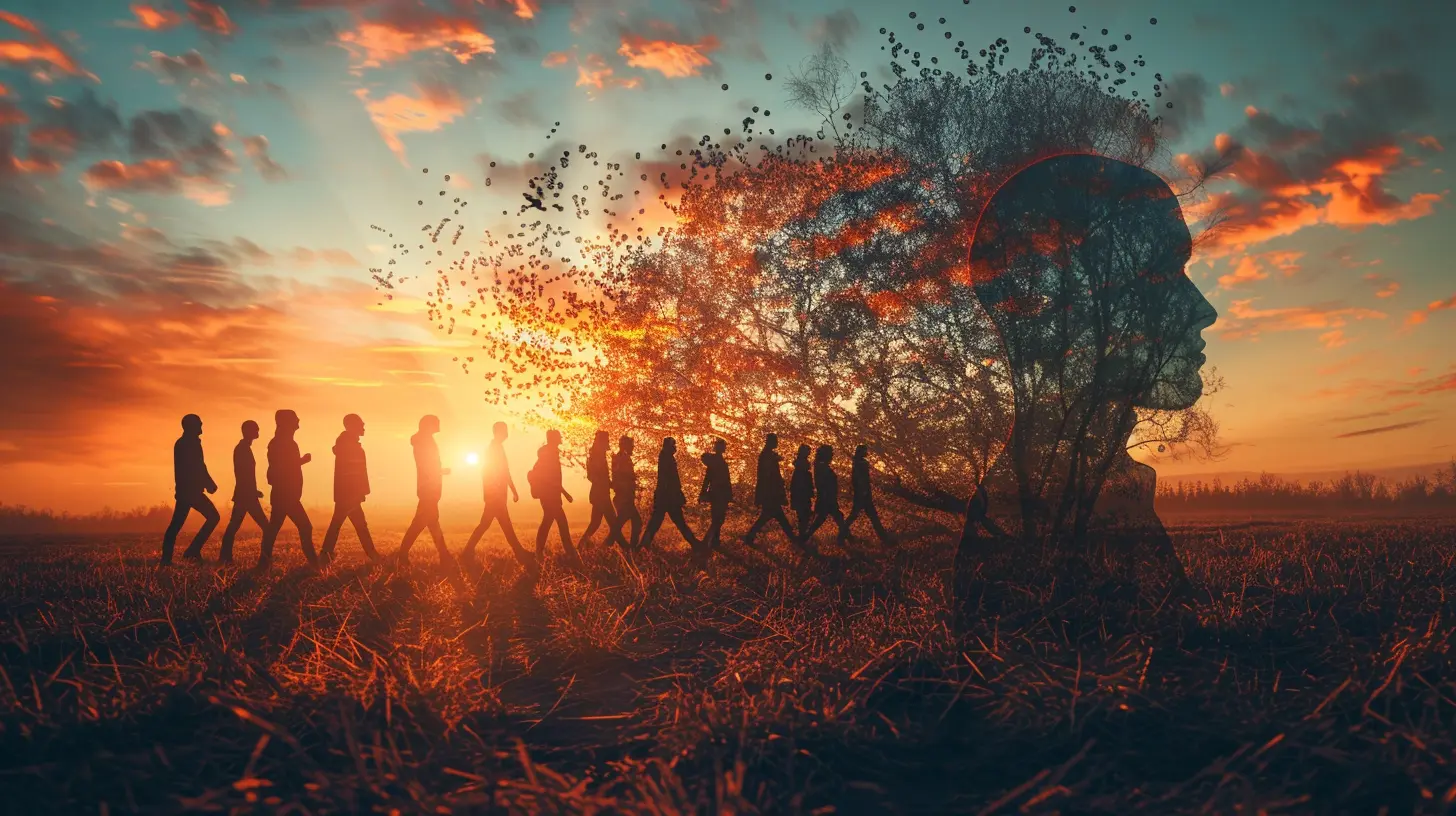
Types of Communities That Support Healing
Not all communities are created equal. Some are healing havens, and others? Well, let’s just say they should come with a trigger warning.Here are the kinds of communities that actually help you move forward (instead of backward):
🌟 Friends and Family (If They're Not Toxic)
Sometimes your original community—your family, childhood friends, your forever brunch crew—can step up in beautiful ways. They already know your history, your habits, and (bonus!) they may already love you unconditionally.But—and this is important—only if they’re safe. If your trauma came from within that circle, it’s absolutely okay to set boundaries and seek support elsewhere. Blood isn’t a free pass to your healing space.
🌟 Support Groups
Support groups are like emotional potlucks. Everyone brings their pain to the table, and somehow, it feeds healing. These can be in-person or online and cover everything from grief to addiction to PTSD.They offer structure, shared stories, and sometimes professional facilitation. And guess what? You never have to explain why you’re "still not over it." They get it.
🌟 Online Communities
Social media gets a bad rap, but when used with intention, it can be a source of life-saving connection. From Reddit threads to Facebook groups to dedicated mental health platforms, there's a digital tribe out there waiting for you.Pro tip: Lurking counts! Just reading other people’s stories can reduce that nasty isolation trauma loves.
🌟 Therapy Groups
Group therapy combines the power of licensed professionals with the magic of peer support. It’s like a healing cocktail—structured insight plus community empathy.You get the tools to heal AND people who are on the same emotional battlefield. Win-win.
How Community Rewires Your Brain (Seriously!)
Okay, science time—but don’t worry, we’re keeping it spicy.When you experience emotional trauma, your brain gets stuck in survival mode. Think: hypervigilance, anxiety, emotional numbness. Your amygdala (aka your fear center) goes into overdrive, and your prefrontal cortex (that smart, rational voice) gets drowned out.
Now here’s the cool part: Healthy relationships and positive social interaction can literally calm your nervous system. Social connection releases oxytocin (the love hormone), reduces cortisol (stress hormone), and increases serotonin (your happy juice).
Translation? Being around the right people can help rewire your brain to feel safe again.
Boom. Science with sass.
How to Find Your Healing Community (Without the Drama)
Now that you're onboard the community train, how do you actually find your healing circle without ending up in a toxic group chat?✅ Know What You Need
Are you grieving? Battling anxiety? Processing trauma from childhood? Pinpoint your emotional focus so you can find a group that aligns with your journey.✅ Test the Waters
You don’t have to overshare on day one. Engage slowly. Lurk. Attend a meeting or join an online conversation. Pay attention to how you feel—do you feel heard, seen, uplifted?If something feels off, bounce. You’re here to heal, not to cater to someone else’s drama.
✅ Set Boundaries
Even in supportive communities, emotional boundaries are a must. You’re not required to respond to every message, carry others' pain, or share more than you’re ready to.Keep your emotional cup full, baby.
The Hidden Benefits of Healing in a Community
Healing in a community isn’t just about crying into someone’s hoodie while they nod sympathetically (although that’s valid too). Here are some unexpected—but delightful—perks:💪 Empowerment
Seeing others survive what you’re going through makes you feel like, “Hey, maybe I can do this too.” Suddenly, healing feels less mythical, more possible.💡 Learning and Growth
People in healing communities drop gems ALL the time. You’ll pick up coping tools, new perspectives, and emotional insights like you’re collecting Pokémon cards.😂 Laughter (Yes, Really)
Trauma doesn’t kill your humor—it just buries it for a while. Community brings it back. Few things are more healing than inside jokes and shared giggles after months of emotional darkness.Can You Heal Without a Community?
Sure. You can make solid progress on your own. Therapy, journaling, mindfulness—these are powerful solo tools. But healing in isolation is like trying to hike Everest in flip-flops. Why make it harder than it has to be?Community isn’t about dependency—it’s about co-healing. It’s about having people who remind you of who you are when you forget. They don't fix you; they walk with you. And sometimes, that’s all we really need.
Final Thoughts: It Takes a Village, Baby
Emotional trauma lies. It tells you you're alone, broken, and unworthy of love or understanding. But the truth? You’re not alone. You never were.There are people out there—probably more than you think—who are ready to support you, cry with you, hold your hand through the mess, and dance with you on the other side of healing.
So, find your people. Or build your own healing village from scratch. Either way, remember this:
Healing isn’t a solo sport. It’s a team effort. And your team is out there, waiting.
Now go find them—with your messy heart, your brave soul, and all your unspoken stories. They’re gonna love you right through it.
all images in this post were generated using AI tools
Category:
Emotional TraumaAuthor:

Paulina Sanders
Discussion
rate this article
1 comments
Tilly McKinnon
This article highlights the vital support community provides in healing from emotional trauma. Shared experiences and connections create a safe space for recovery, reminding us that we are never truly alone in our struggles.
May 31, 2026 at 3:44 PM