The Role of Culture in Shaping Emotional Expression
9 June 2026
Ever noticed how some people are super expressive with their emotions, while others seem to keep a stiff upper lip no matter what? It’s not just personality—culture has a massive role to play in how we show (or don’t show) what we feel. Emotional expression isn’t a “one size fits all” type of thing. It’s shaped, polished, and sometimes even masked by the cultural lens we grow up with.
Let’s dive into the fascinating world of emotions and culture, and unpack how deeply intertwined they are.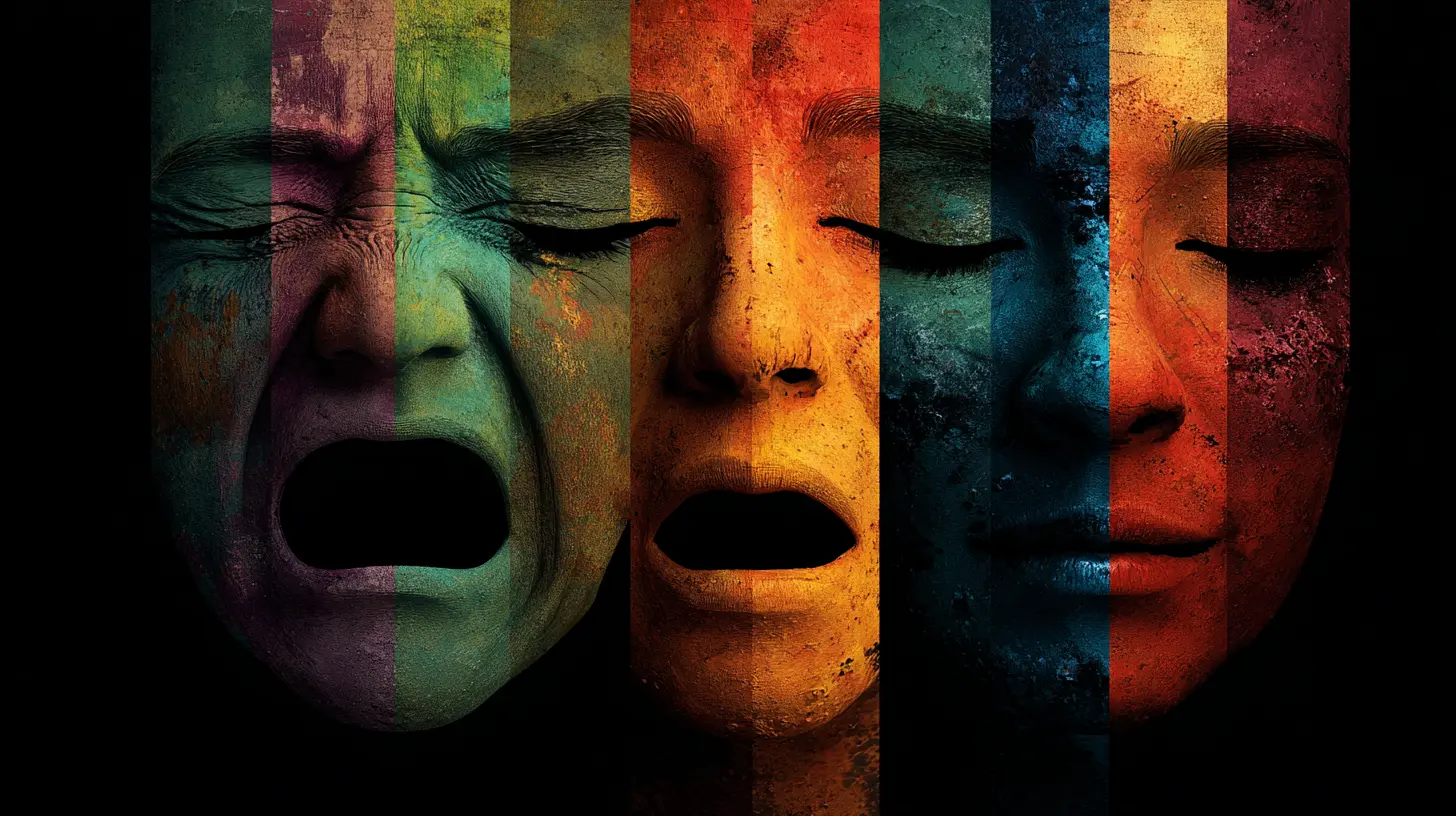
What Is Emotional Expression, Anyway?
Before we go too far, let’s nail down what emotional expression really means. It’s basically how we show our feelings—through facial expressions, body language, gestures, tone of voice, and even the words we choose.You laugh when you’re happy, cry when you’re sad, or clench your fists when you’re angry. These responses feel natural, almost instinctive. But here’s the kicker: how, when, and whether you display those emotions publicly isn’t just instinct—it’s heavily influenced by your cultural upbringing.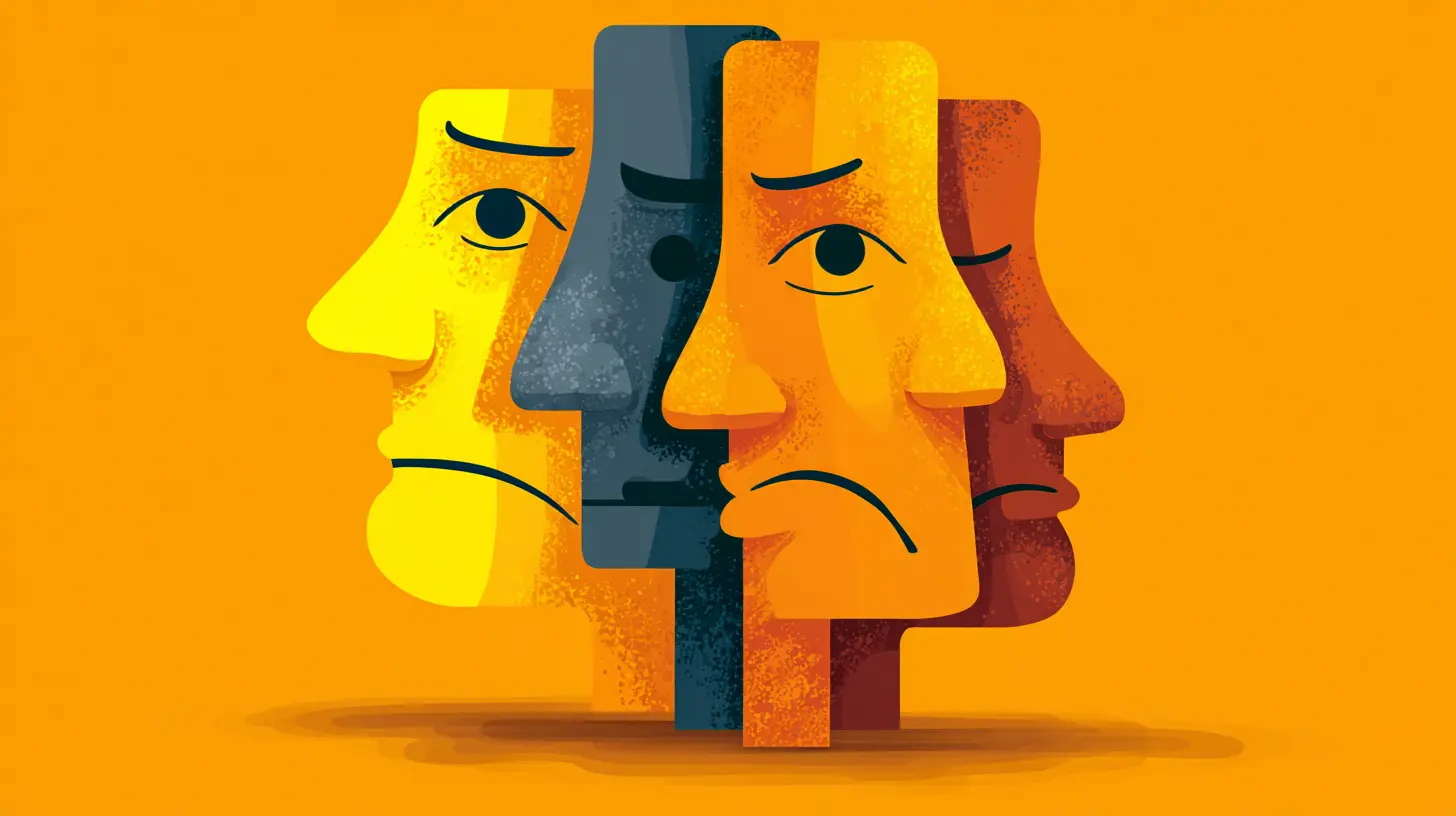
Culture: The Invisible Puppet Master
Culture is like a silent teacher guiding us throughout our lives. It shapes how we speak, what we believe, how we interact—and yes, how we express emotions.Think about it: culture gives us emotional “rules.” These are called display rules, and they tell us things like:
- Is it okay to cry in public?
- Should we smile at strangers?
- Can we show anger openly?
Different cultures answer these questions differently, and that’s where things get really interesting.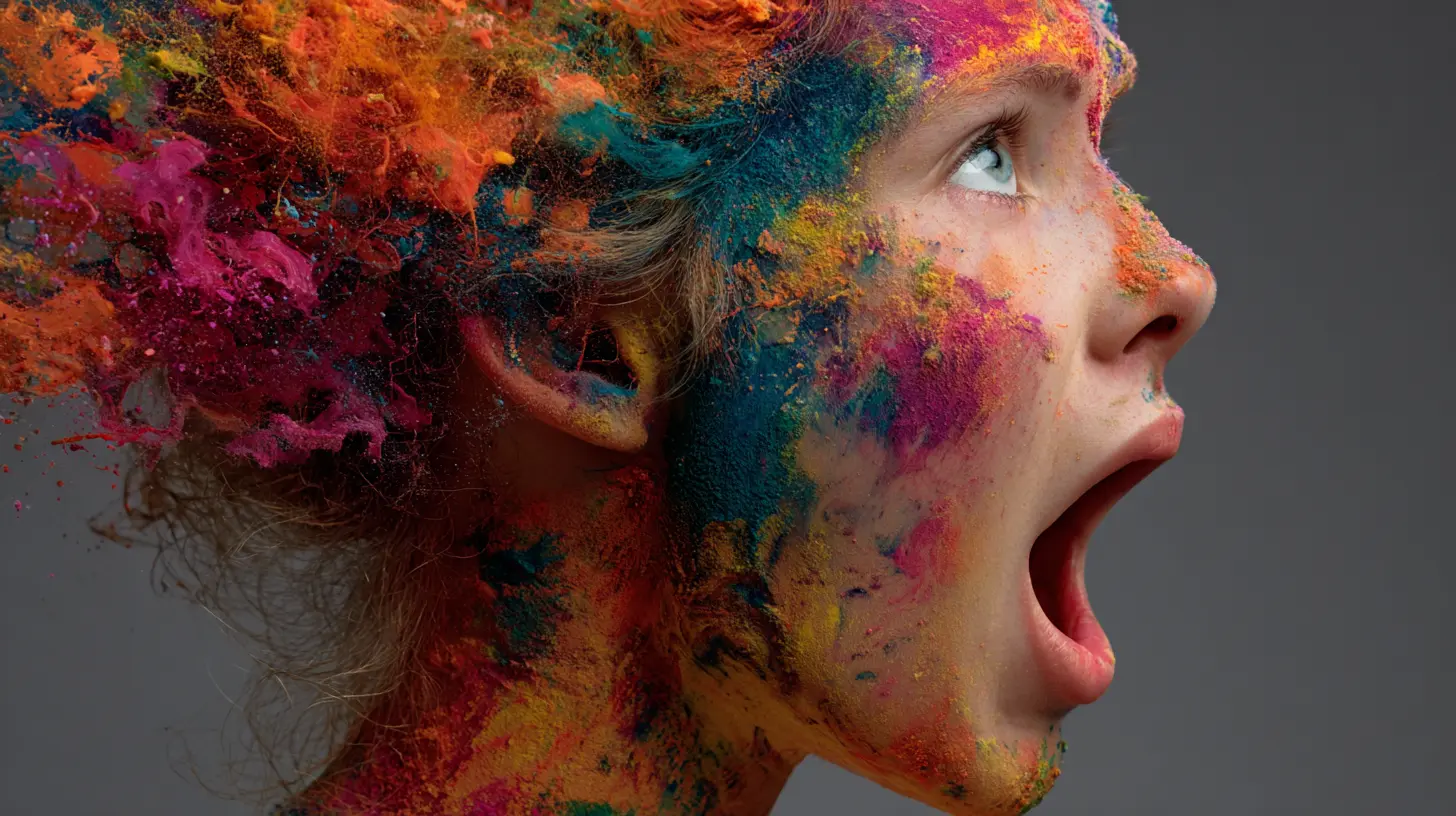
High-Context vs. Low-Context Cultures
One of the easiest ways to understand cultural differences in emotional expression is by looking at high-context and low-context cultures.- High-context cultures (like Japan, China, and Korea) rely heavily on indirect communication. Emotions may be implied rather than openly stated. Think of it like reading between the lines—subtle hints, small gestures, and tone speak volumes.
- Low-context cultures (like the U.S., Germany, and Australia), on the other hand, value directness. People from these cultures are more likely to wear their hearts on their sleeves. They’ll tell you how they feel, sometimes even when you didn’t ask.
So, whether emotions bubble up to the surface or stay tucked away often depends on the cultural context.
Individualistic vs. Collectivistic Cultures
Another big cultural divide? Individualistic vs. collectivistic values.- Individualistic cultures (like the United States, Canada, and many Western countries) emphasize personal freedom, self-expression, and independence. People here are often encouraged to express their emotions openly—even if it leads to confrontation.
- Collectivistic cultures (like Japan, India, and many Latin American countries) prioritize group harmony, family ties, and social cohesion. Expressing certain emotions—like anger or disappointment—might be discouraged if it could disrupt the peace.
Imagine someone in a collectivistic society holding back tears during a sad event—not because they don’t feel the grief, but because cultural norms tell them to remain composed for the sake of the group.
Smiling Isn’t Universal
We often think of a smile as a universal sign of happiness. But guess what? Even smiling can mean different things across cultures.In the United States, smiling is a social norm. We're taught to smile at coworkers, baristas, and even strangers on the street. But in some Eastern European cultures, for instance, people might save smiles for genuine joy and relationships. Flashing a grin at a stranger might come off as weird—or even insincere.
So while a smile might seem like a simple expression, how often and when we use it can be all about cultural wiring.
Emotional Expression in the Workplace
The workplace is one of the most complex spaces for emotional expression, especially in multicultural settings.In some cultures, showing emotion at work might be seen as unprofessional. Imagine a meeting where someone tears up while talking about a personal challenge. In American culture, that might be seen as a moment of vulnerability and authenticity. But in a Japanese business setting, it could come off as inappropriate or embarrassing.
Understanding these cultural norms helps us navigate professional relationships with more empathy and fewer misunderstandings.
Gender, Culture, and Emotions
Let’s throw another variable into the mix—gender.Cultures don’t just influence emotional expression broadly; they also dictate expectations based on gender. In many societies, men are expected to be stoic and women to be nurturing and emotionally open. But what happens when a man from a collectivistic society wants to express vulnerability? Cultural and gender norms can make that a tricky tightrope walk.
These cultural scripts around gender and emotion can shape everything from mental health help-seeking behaviors to interpersonal relationships.
How Culture Affects Emotional Suppression
Sometimes, culture encourages emotional suppression—literally teaching people to bottle things up. In some East Asian cultures, for instance, emotional restraint is considered a sign of maturity and wisdom. People might feel a whirlwind of emotions on the inside but still maintain a calm, composed exterior.On the flip side, cultures that value emotional openness may see suppression as unhealthy or even dishonest.
But here’s an important note: emotional suppression isn’t always harmful. In some cultures, it’s a strategy for preserving group harmony or maintaining social order. It’s not about pushing feelings away—it’s about managing them differently.
Cross-Cultural Misunderstandings
Ever had a conversation with someone from a different culture and left feeling... off? You’re not alone.Cultural differences in emotional expression can lead to serious misunderstandings. Maybe someone thought you were disinterested because you didn’t make eye contact (even though in their culture, that’s a sign of respect). Or maybe you thought someone was cold or rude because they didn’t smile back.
Understanding the cultural context can flip those assumptions on their head.
Emotional Intelligence and Cultural Sensitivity
If you take away one thing from this article, let it be this: emotional intelligence isn’t just about understanding your own feelings—it’s also about understanding how others experience and express theirs.Being culturally sensitive doesn’t mean you have to change who you are. It just means you approach interactions with curiosity instead of judgment. You ask yourself:
- “Why might they be acting this way?”
- “Is there a cultural rule I’m missing?”
And just like that, emotional intelligence meets cultural competence—and that’s a powerful combo.
Culture and Emotional Development in Children
It all starts early. From the moment we’re born, we’re absorbing the emotional cues from the adults around us.Children learn what emotions are “okay” to show based on how their parents, teachers, and peers react. In some cultures, children are encouraged to express their thoughts and feelings freely. In others, they’re taught to show respect and self-restraint.
These early lessons stick with us into adulthood, shaping our emotional habits—sometimes for a lifetime.
The Digital Twist: Expressing Emotions Online
Now, throw technology into the mix. Emojis, gifs, and memes are our new emotional language. But even these can be interpreted differently across cultures.For example, the prayer emoji 🙏 might be seen as a high five in some Western cultures, while in many Asian cultures, it's a sign of gratitude or respect. See how easy it is to misread emotional intent?
The digital age adds another layer of complexity—but also opportunity—for cultural exchange and understanding.
Final Thoughts: Emotions Are Universal, Expression Is Not
Here’s the bottom line: while the emotions themselves may be universal—everyone feels joy, sadness, anger, fear, love—the way we show those emotions is anything but.Culture is like the director of a play. Emotions are the actors, and we—the people—are the performers. Depending on the script we were given (aka, our cultural background), we might play our roles very differently.
But the more we understand these cultural scripts, the better we can connect—not just across cultures, but on a deeply human level.
all images in this post were generated using AI tools
Category:
Emotional ExpressionAuthor:

Paulina Sanders
Discussion
rate this article
1 comments
Elara Ward
What a refreshing read! It's fascinating how culture colors our emotions and expressions. Understanding this can help us connect better with others. Let's celebrate the beautiful diversity of feelings that make us all uniquely human!
June 21, 2026 at 3:56 PM
Paulina Sanders
Thank you for your thoughtful comment! I completely agree, exploring cultural influences on emotions truly enriches our connections and appreciation for diversity.