The Role of Diet and Nutrition in Mental Health Management
10 July 2026
Good food equals good mood—sounds simple, right? But did you know that what you put on your plate can significantly impact your mental well-being? The link between diet and physical health is well established, but its role in mental health is only recently gaining the recognition it deserves.
With anxiety, depression, and other mental health issues on the rise, it's more important than ever to pay attention to the foods fueling our brains. In this article, we’ll break down how diet affects mental health, which nutrients play a crucial role, and practical ways to incorporate mood-boosting foods into your daily routine.
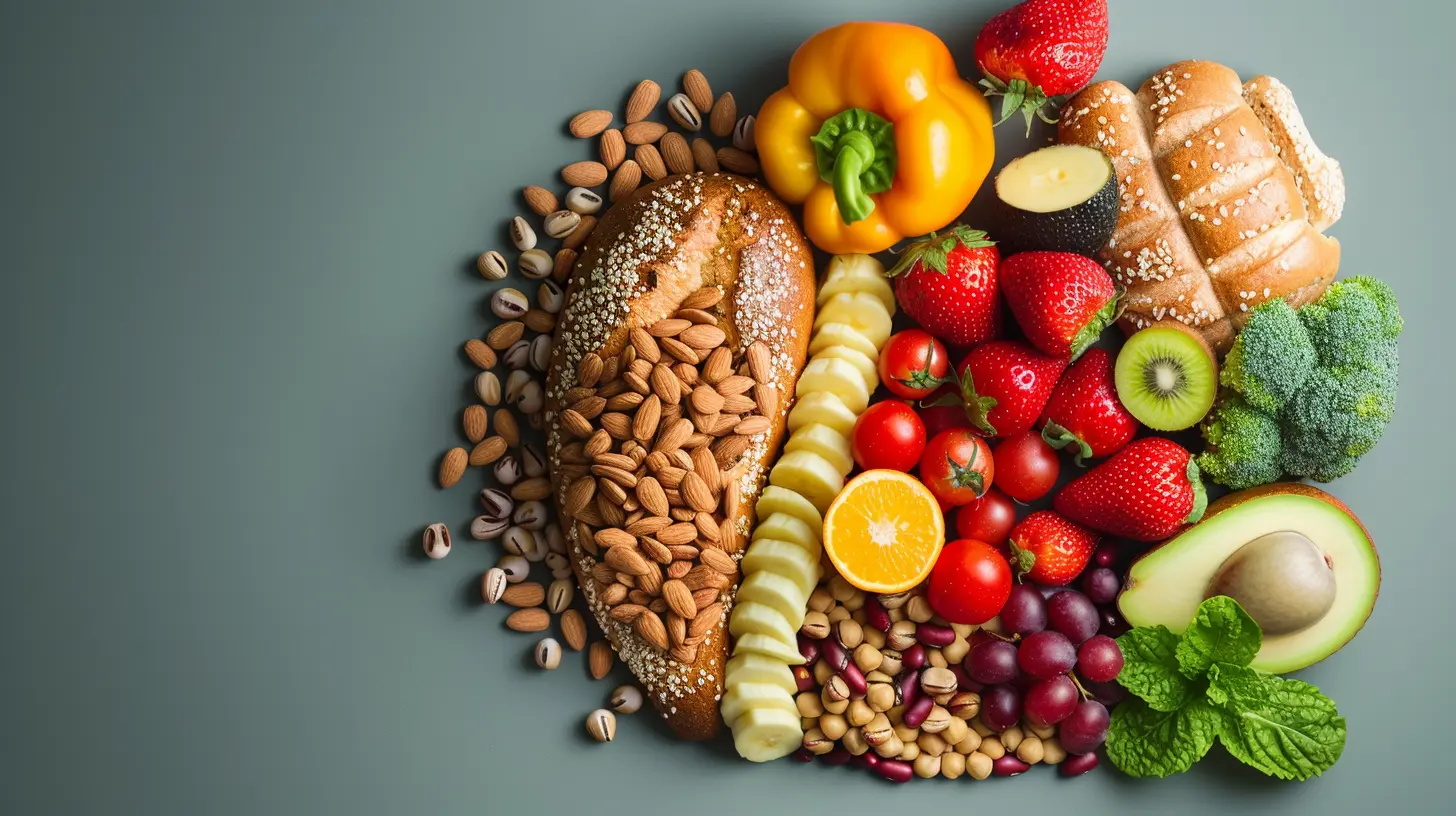
How Diet Affects Mental Health
Ever noticed how sluggish you feel after indulging in junk food? Or how a nutritious meal leaves you energized? That’s because the brain, like the rest of your body, depends on proper nutrition to function effectively.A poor diet—high in processed foods, sugars, and unhealthy fats—can contribute to inflammation in the body, which has been linked to mental health disorders like anxiety and depression. On the flip side, a diet rich in whole foods, healthy fats, and essential nutrients can help stabilize your mood, improve focus, and reduce stress levels.
The Gut-Brain Connection
Your gut is often called your "second brain" for a good reason. The gut microbiome, made up of trillions of bacteria, plays a crucial role in producing neurotransmitters like serotonin and dopamine—chemicals responsible for regulating mood and emotions. Around 90% of serotonin is actually produced in the gut!When your gut is healthy, your brain functions better. But when your gut is inflamed due to poor diet choices, it can trigger negative mental health symptoms. This is why eating fiber-rich foods, probiotics, and fermented foods can help maintain a balanced gut microbiome and, in turn, a balanced state of mind.

Essential Nutrients for Mental Well-Being
So, what should you eat to keep your mind in top shape? Let’s dive into the key nutrients that play a vital role in mental health.1. Omega-3 Fatty Acids
Omega-3s are essential for brain health. Found in fatty fish (like salmon and sardines), flaxseeds, and walnuts, these fatty acids help reduce inflammation and support neurotransmitter function. Studies suggest that a diet rich in omega-3s can lower the risk of depression and anxiety.2. B Vitamins
B vitamins, especially B6, B9 (folate), and B12, help produce brain chemicals that regulate mood. A deficiency in these vitamins has been linked to higher levels of depression and fatigue. Leafy greens, legumes, eggs, and lean meats are excellent sources of B vitamins.3. Vitamin D
Often called the "sunshine vitamin," vitamin D plays a crucial role in mental health. Low levels have been associated with seasonal affective disorder (SAD) and depression. While sunlight exposure is the best way to boost vitamin D levels, foods like fortified dairy, fatty fish, and mushrooms can help.4. Magnesium
Magnesium is a powerful mineral that helps regulate stress and anxiety. It supports muscle relaxation, calms the nervous system, and promotes better sleep. Foods rich in magnesium include dark chocolate, nuts, seeds, and whole grains.5. Zinc
Zinc is involved in brain function and immune support. A deficiency may contribute to depression and impaired cognitive function. You can boost your zinc intake by eating shellfish, beef, chickpeas, and pumpkin seeds.6. Probiotics
Since gut health is closely linked to mental well-being, consuming probiotics can have a positive effect on mood and anxiety. Yogurt, kefir, sauerkraut, and kimchi are excellent sources of probiotics that aid digestion and support a healthy gut-brain connection.
The Impact of Sugar and Processed Foods
We’ve talked about the good stuff, but what about the bad? Processed foods, refined sugars, and unhealthy fats can wreak havoc on your mental health.The Blood Sugar Rollercoaster
Ever experienced an afternoon energy crash after a sugary snack? That's your blood sugar spiking and then plummeting. These dramatic fluctuations can lead to irritability, mood swings, and brain fog. Opting for complex carbohydrates (like whole grains and fiber-rich foods) helps maintain steady energy levels and keeps your mood in check.Inflammation and Mental Health
Many processed foods contain trans fats, artificial additives, and preservatives that contribute to chronic inflammation. Studies have shown that chronic inflammation in the body is linked to an increased risk of depression and other mental disorders.Making small adjustments—like swapping sugary snacks for fresh fruit or replacing fast food with home-cooked meals—can make a world of difference in your mental well-being.

Practical Tips for a Mental Health-Friendly Diet
Knowing what to eat is one thing, but actually making changes to your diet can be challenging. Here are some easy, realistic steps to help you build a brain-boosting meal plan:1. Eat More Whole Foods
Prioritize fresh fruits, vegetables, whole grains, and lean proteins. The fewer ingredients on a food label, the better!2. Stay Hydrated
Dehydration can lead to fatigue, brain fog, and mood swings. Aim to drink plenty of water throughout the day and limit caffeinated or sugary drinks.3. Incorporate Healthy Fats
Don’t fear fats! Avocados, nuts, seeds, and olive oil provide essential fatty acids that support brain function.4. Reduce Processed Foods
Cut back on fast food, sugary snacks, and processed meals. Instead, opt for homemade dishes with fresh, natural ingredients.5. Include Probiotic-Rich Foods
Support your gut health by adding fermented foods like yogurt, kimchi, and kombucha to your diet.6. Plan Balanced Meals
A mix of protein, healthy fats, and complex carbs in every meal helps maintain energy and mood stability throughout the day.7. Listen to Your Body
Pay attention to how different foods make you feel. If certain foods leave you sluggish or irritable, consider swapping them for healthier alternatives.Final Thoughts
Food isn’t just fuel—it’s medicine for both the body and mind. By making mindful choices about what goes on your plate, you can positively impact your mental health, reduce stress, and enhance overall well-being.Eating for mental health doesn’t have to be complicated. Simple changes, like adding more omega-3s, cutting back on sugar, and supporting your gut with probiotics, can go a long way. So, next time you sit down for a meal, remember: what you eat today shapes how you feel tomorrow.
all images in this post were generated using AI tools
Category:
Psychiatric DisordersAuthor:

Paulina Sanders
Discussion
rate this article
1 comments
Zaren McAlister
This article highlights such an important connection between what we eat and how we feel. It's fascinating to see how nutrition impacts mental health. I'm excited to explore more about incorporating healthy foods into my daily routine for better well-being. Thanks for sharing these insights!
July 11, 2026 at 2:24 PM
Paulina Sanders
I'm glad you found the article helpful! Exploring nutrition's impact on mental health can truly make a difference. Best of luck on your journey to better well-being!