The Role of Emotional Expression in Conflict Resolution
29 March 2026
Have you ever had an argument with a friend or loved one that just seemed to go in circles? Maybe you both got defensive, emotions flared up, and the tension only grew instead of subsiding. If this sounds familiar, you're not alone! Conflict is a natural part of life, but how we handle it makes all the difference.
One of the most overlooked yet powerful tools for resolving conflicts is emotional expression. Yep, letting your feelings be heard—rather than bottling them up or exploding in frustration—can actually help smooth things over. So, let’s dive into the magic of emotional expression and how it can transform conflicts into opportunities for deeper understanding and connection. 
Why Do Conflicts Escalate?
Before we talk solutions, let’s understand the problem. Conflicts often spiral out of control when emotions are misunderstood, ignored, or suppressed. Ever tried to have a calm conversation while you’re fuming inside? Not easy, right?Here’s what typically happens in unresolved conflicts:
- Misinterpretation: People assume what the other person is feeling without actually asking.
- Bottled-up emotions: Instead of expressing frustration, some prefer to "let it go"—until they can't anymore.
- Defensive reactions: When someone feels attacked, they respond with anger, denial, or even silence.
- Lack of communication: Avoiding tough conversations only delays the inevitable blow-up.
Bottom line? Ignoring emotions doesn’t make a conflict disappear—it makes it worse. 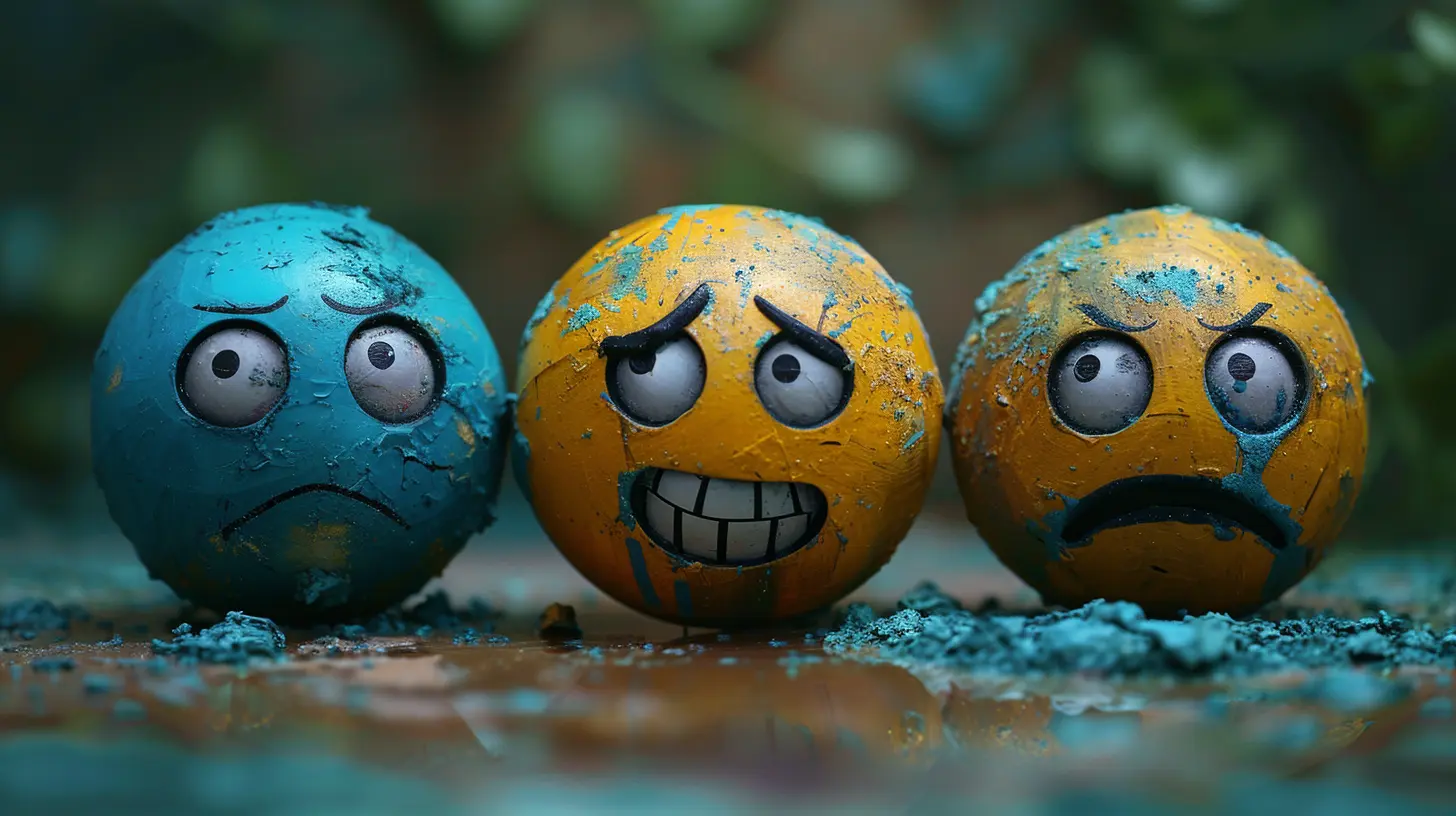
Emotional Expression: The Secret Ingredient to Understanding
So, what exactly is emotional expression? It’s the ability to communicate feelings openly and honestly in a way that fosters understanding rather than hostility. Imagine it as the pressure valve on a steam cooker—when released properly, it prevents an explosion!Benefits of Expressing Emotions in Conflict Resolution
When handled correctly, emotional expression can work wonders. Here’s why:1. Reduces Misunderstandings – When you express what's really bothering you, rather than expecting the other person to read your mind, conflicts are less likely to escalate.
2. Fosters Empathy – People are more likely to listen and relate when emotions are shared genuinely.
3. Strengthens Relationships – Constructive emotional expression builds trust and deepens connections.
4. Encourages Open Communication – It paves the way for honest, judgment-free discussions.
5. Prevents Resentment – Addressing issues early stops them from turning into long-term grudges.
Think of emotional expression as a bridge—it connects people, even when they seem miles apart. 
How to Express Emotions Without Making Things Worse
Not all emotional expressions are created equal. Shouting at someone in anger? Not very effective. Crying uncontrollably without explaining why? Pretty confusing for the other person.The goal is to express emotions constructively. Here’s how:
1. Use "I" Statements Instead of "You" Accusations
Saying, “You always ignore me!” puts the other person on the defensive. Instead, try, “I feel hurt when I’m not included in important decisions.”See the difference? The first is an attack, the second is an open invitation for discussion.
2. Stay Calm and Collected
Easier said than done, I know! But taking a deep breath before responding can prevent emotions from taking over. Practice mindfulness, count to ten, or take a short break if needed.3. Acknowledge the Other Person’s Feelings
Instead of dismissing their emotions, validate them. A simple “I understand that you’re upset, and that wasn’t my intention” can work wonders.4. Be Honest, But Kind
Raw honesty without sensitivity can come across as blunt or harsh. Instead of, “You’re selfish and never listen!” try, “Sometimes I feel unheard in our conversations, and I wish we could work on that.”5. Practice Active Listening
Emotional expression isn’t just about talking—it’s also about listening. Nod, make eye contact, and paraphrase what the other person says to show you’re truly engaged.
Emotional Intelligence: The Superpower of Conflict Resolution
If emotional expression is the key to resolving conflict, then emotional intelligence (EQ) is the toolbox that helps you use it effectively.What is Emotional Intelligence?
EQ is the ability to recognize, understand, and regulate both your emotions and the emotions of others. It’s like having an internal GPS that guides your reactions and interactions.How EQ Helps in Conflict Resolution
- Self-awareness: Understanding your emotional triggers prevents overreactions.- Self-regulation: Controlling impulses helps avoid saying regrettable things in the heat of the moment.
- Empathy: Seeing things from the other person’s perspective makes resolution smoother.
- Social skills: Communicating effectively leads to healthier discussions instead of heated arguments.
By improving your emotional intelligence, you become a pro at handling conflicts with grace and understanding.
Common Myths About Emotional Expression
There are plenty of misconceptions about expressing emotions. Let’s bust a few!1. "If I Express My Emotions, I’ll Look Weak"
False! Expressing emotions isn’t a sign of weakness—it’s a sign of strength and self-awareness. Bottling things up often backfires, while open communication leads to better outcomes.2. "Other People Should Just Know How I Feel"
Unfortunately, mind reading isn’t a common skill. Expecting others to guess your emotions leads to frustration. Speak up!3. "Anger Should Always Be Suppressed"
Anger isn’t the enemy—it’s how you express it that matters. Channeled productively, it can lead to positive change and a better understanding of personal boundaries.4. "Avoiding Conflict is the Best Solution"
Dodging conflict may feel like a short-term win, but issues don’t magically disappear. Addressing concerns openly prevents bigger problems in the future.Practical Exercises to Improve Emotional Expression
Want to get better at expressing emotions during conflicts? Practice makes perfect! Try these exercises:1. Journaling Your Emotions
Writing down your thoughts helps clarify feelings before verbalizing them.2. Practicing with a Friend
Role-playing difficult conversations with a friend can boost confidence before addressing real conflicts.3. Using a Feelings Wheel
Not sure how to describe your emotions? A feelings wheel helps pinpoint exactly what you're experiencing.4. Taking Deep Breaths Before Responding
Slowing down your response time prevents knee-jerk reactions.5. Reflecting on Past Conflicts
Analyze past arguments to see where emotional expression helped—or made things worse. Adjust accordingly!Final Thoughts
Conflict is inevitable, but it doesn’t have to be destructive. The way we express emotions determines whether a disagreement strengthens or weakens relationships. When done right, emotional expression fosters trust, improves understanding, and turns disputes into opportunities for growth.So next time you find yourself in a heated discussion, take a breath, express yourself with honesty and kindness, and watch how the conversation transforms. After all, it's not about winning the argument—it’s about strengthening the connection.
all images in this post were generated using AI tools
Category:
Emotional ExpressionAuthor:

Paulina Sanders
Discussion
rate this article
2 comments
Alexa Nguyen
This article effectively highlights the importance of emotional expression in resolving conflicts. By acknowledging feelings, individuals can foster understanding and empathy, ultimately leading to healthier communication. A practical approach that can significantly enhance relationships in both personal and professional contexts.
April 6, 2026 at 2:39 PM
Paulina Sanders
Thank you for your insightful comment! I'm glad you found the article highlights useful for enhancing communication and relationships.
Zanya Phillips
Emotional expression fosters understanding and empathy, enhancing conflict resolution.
April 6, 2026 at 3:21 AM
Paulina Sanders
I completely agree. Emotional expression is key to bridging gaps and finding common ground in conflicts.