The Role of Neurotransmitters in Psychiatric Disorders
26 February 2026
Have you ever wondered why we feel happy one moment and anxious the next? The answer lies in the intricate world of neurotransmitters—tiny chemical messengers that control how we think, feel, and behave. Our mental health, mood, and overall well-being are directly influenced by these little powerhouses. But what happens when they get out of balance? That’s where psychiatric disorders come into play.
In this article, we'll break down the role neurotransmitters play in psychiatric disorders in a simple, engaging, and relatable way. Get ready to dive into the science of emotions, thoughts, and mental wellness!
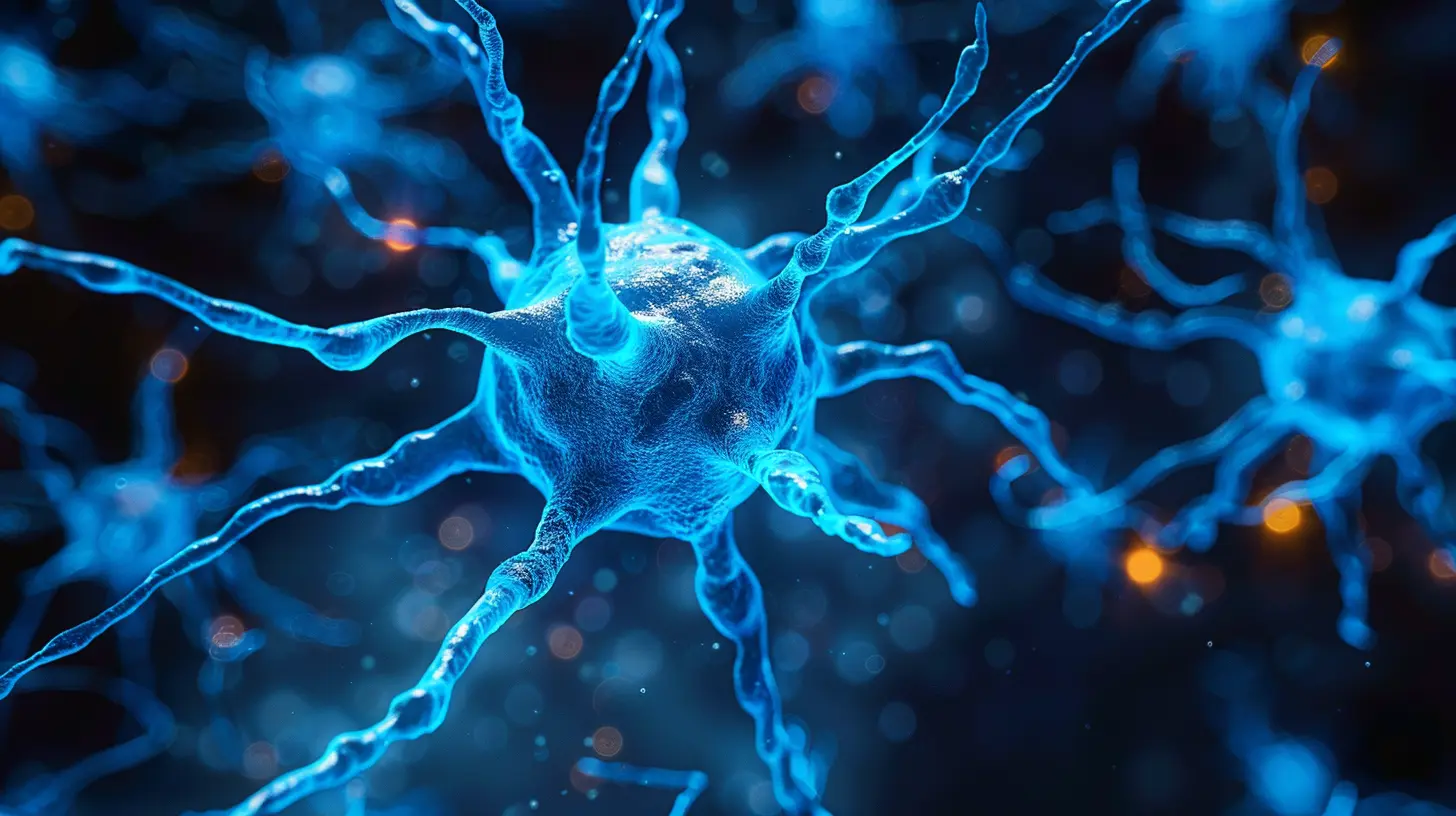
What Are Neurotransmitters?
Neurotransmitters are special chemical messengers in the brain that allow nerve cells (neurons) to communicate with each other. Imagine your brain as a giant network of interconnected wires, and neurotransmitters as the electrical signals that make everything run smoothly.These chemicals influence everything from mood and memory to sleep and motivation. If neurotransmitters are balanced, we feel good, think clearly, and function well. But when they are too high or too low, psychiatric disorders can develop.
Let’s take a closer look at some key neurotransmitters and the disorders they are linked to.
The Major Neurotransmitters and Their Role in Mental Health
1. Serotonin: The Mood Stabilizer
Serotonin is often called the "feel-good" neurotransmitter because it helps regulate mood, sleep, appetite, and overall happiness. When serotonin levels are balanced, we feel calm and emotionally stable. But when they are too low, we may experience:- Depression – Persistent sadness, fatigue, and loss of interest in activities
- Anxiety Disorders – Excessive worry, nervousness, and restlessness
- Obsessive-Compulsive Disorder (OCD) – Uncontrollable thoughts and repetitive behaviors
Antidepressants like SSRIs (Selective Serotonin Reuptake Inhibitors) help increase serotonin levels, improving mood and reducing anxiety.
2. Dopamine: The Reward Chemical
Dopamine is the brain’s reward system. It controls motivation, pleasure, and reinforcement learning. Think about the rush of happiness when you accomplish a goal or enjoy your favorite meal—that's dopamine at work!When dopamine levels are too low, problems arise:
- Depression – Lack of motivation, feelings of hopelessness
- Parkinson’s Disease – Tremors, slow movement due to dopamine deficiency
- ADHD (Attention-Deficit/Hyperactivity Disorder) – Difficulty focusing and staying motivated
- Addiction – Overstimulation of dopamine pathways leads to substance dependence
Too much dopamine can also be problematic and may contribute to schizophrenia, leading to hallucinations, delusions, and disorganized thinking.
3. Norepinephrine: The Stress Regulator
Norepinephrine is like your brain’s emergency response system. It sharpens focus, increases heart rate, and triggers the “fight-or-flight” response in stressful situations.However, imbalances can lead to:
- Depression – Low levels contribute to fatigue and lack of motivation
- Anxiety Disorders – High levels cause excessive worry and restlessness
- PTSD (Post-Traumatic Stress Disorder) – Overactive norepinephrine responses can lead to hypervigilance and intrusive memories
This neurotransmitter plays a crucial role in both motivation and stress management, making it an essential part of our mental health.
4. GABA (Gamma-Aminobutyric Acid): The Calming Agent
If norepinephrine is the gas pedal, GABA is the brake. It’s the brain's natural calming neurotransmitter, preventing excessive excitement and overactivity.When GABA levels are too low, it may cause:
- Anxiety Disorders – Racing thoughts, panic attacks, and excessive worry
- Insomnia – Difficulty relaxing and falling asleep
- Epilepsy – Uncontrolled neural activity leading to seizures
Medications like benzodiazepines (e.g., Xanax, Valium) enhance GABA activity, helping to reduce anxiety and promote relaxation.
5. Glutamate: The Brain's Accelerator
Glutamate is the main excitatory neurotransmitter, meaning it keeps the brain alert and active. It plays a vital role in learning, memory, and cognitive function.But an excess of glutamate can be dangerous and is associated with:
- Schizophrenia – Overactivity can lead to hallucinations and cognitive dysfunction
- Bipolar Disorder – Mood swings and impulsive behavior
- Neurodegenerative Diseases – Excess glutamate can overstimulate neurons, leading to conditions like Alzheimer’s and Parkinson’s disease
Balancing glutamate levels is crucial for maintaining a healthy and well-functioning brain.
How Do Neurotransmitter Imbalances Cause Psychiatric Disorders?
Now that we understand the key players, let’s talk about why these chemical messengers sometimes go out of balance. Several factors can throw off neurotransmitter levels, including:- Genetics – Some people inherit tendencies for neurotransmitter imbalances, increasing their risk of mental health disorders.
- Chronic Stress – Constant stress depletes serotonin and GABA, leading to anxiety and depression.
- Poor Diet – Nutrient deficiencies can disrupt neurotransmitter production. For example, low omega-3 fatty acids affect dopamine and serotonin levels.
- Lack of Sleep – Sleep deprivation messes with neurotransmitter regulation, worsening mood and cognitive function.
- Substance Use – Drugs and alcohol can overstimulate or deplete neurotransmitters, leading to addiction and mental health issues.
Strategies to Maintain Neurotransmitter Balance
While neurotransmitter imbalances can contribute to psychiatric disorders, the good news is that we can take steps to support brain health. Here are some ways to maintain balance:1. Eat a Brain-Healthy Diet
- Include foods rich in omega-3 fatty acids (salmon, walnuts, flaxseeds).- Eat plenty of lean protein for amino acids, which are the building blocks of neurotransmitters.
- Consume complex carbs (whole grains, fruits, and vegetables) to boost serotonin levels.
2. Exercise Regularly
Physical activity increases dopamine, serotonin, and endorphins, improving mood and reducing anxiety. Even a brisk walk can do wonders!3. Prioritize Sleep
Lack of sleep can throw neurotransmitters out of balance. Aim for 7-9 hours of quality sleep per night.4. Manage Stress
Practice mindfulness, meditation, or deep breathing exercises to reduce stress and keep neurotransmitters in check.5. Seek Professional Help When Needed
If you’re struggling with mental health, don’t hesitate to seek therapy or medical advice. Medications and therapy can help regulate neurotransmitter levels and improve overall well-being.Final Thoughts
Neurotransmitters are the unsung heroes of our mental well-being. When they’re in balance, we feel happy, focused, and calm. But when they go off track, psychiatric disorders can arise. The key is to nurture brain health through proper nutrition, exercise, sleep, and stress management.If you ever feel overwhelmed or notice persistent mental health challenges, remember—you’re not alone. Seeking support is a sign of strength, and with the right tools, you can regain balance and take charge of your mental well-being!
all images in this post were generated using AI tools
Category:
Psychiatric DisordersAuthor:

Paulina Sanders
Discussion
rate this article
2 comments
Zevan Shaffer
Understanding the role of neurotransmitters in psychiatric disorders is a crucial step towards healing. Embrace the journey of knowledge and self-discovery—each insight brings us closer to better treatments and brighter futures. Together, we can break stigmas and foster hope in mental health. Keep moving forward!
March 24, 2026 at 5:06 PM
Paulina Sanders
Thank you for your insightful comment. Understanding neurotransmitters is indeed key to improving mental health treatments and fostering hope. Let's keep exploring this important journey together.
Viviana Simmons
Thank you for this insightful piece on neurotransmitters and their impact on psychiatric disorders. Your clear explanations make complex topics accessible and encourage deeper understanding. It’s great to see such important information being shared—it can truly help those navigating these challenges. Looking forward to more articles like this!
February 28, 2026 at 5:15 AM
Paulina Sanders
Thank you for your kind words! I'm glad you found the article helpful and accessible. Stay tuned for more insights!