The Role of Optimism in Strengthening Resilience
6 November 2025
Let’s face it—life throws curveballs. Whether it's a sudden job loss, a breakup, a health scare, or just the everyday ups and downs, resilience is what helps us keep going when times get rough. But what if I told you that optimism—the simple belief that good things can happen—plays a massive role in how resilient you are?
Sounds a little too "glass half full,” right? But stay with me. Optimism isn't just about wearing rose-colored glasses. It's about perspective, mindset, and how you choose to interpret the world around you. And research backs this up in more ways than one.
In this article, we're diving deep into the powerful connection between optimism and resilience. We'll break it all down so it's easy to understand and even easier to apply to your own life.
What Exactly Is Optimism?
Before we go any further, let’s clear something up. Optimism isn’t blind positivity. You know, the “everything is fine” attitude when things clearly aren’t. That’s denial, not optimism.Optimism is the belief that, even when things go wrong, there’s a possibility they’ll get better. It’s about seeing setbacks as temporary and problems as solvable. It’s not ignoring reality—it’s choosing to see potential beyond the struggle.
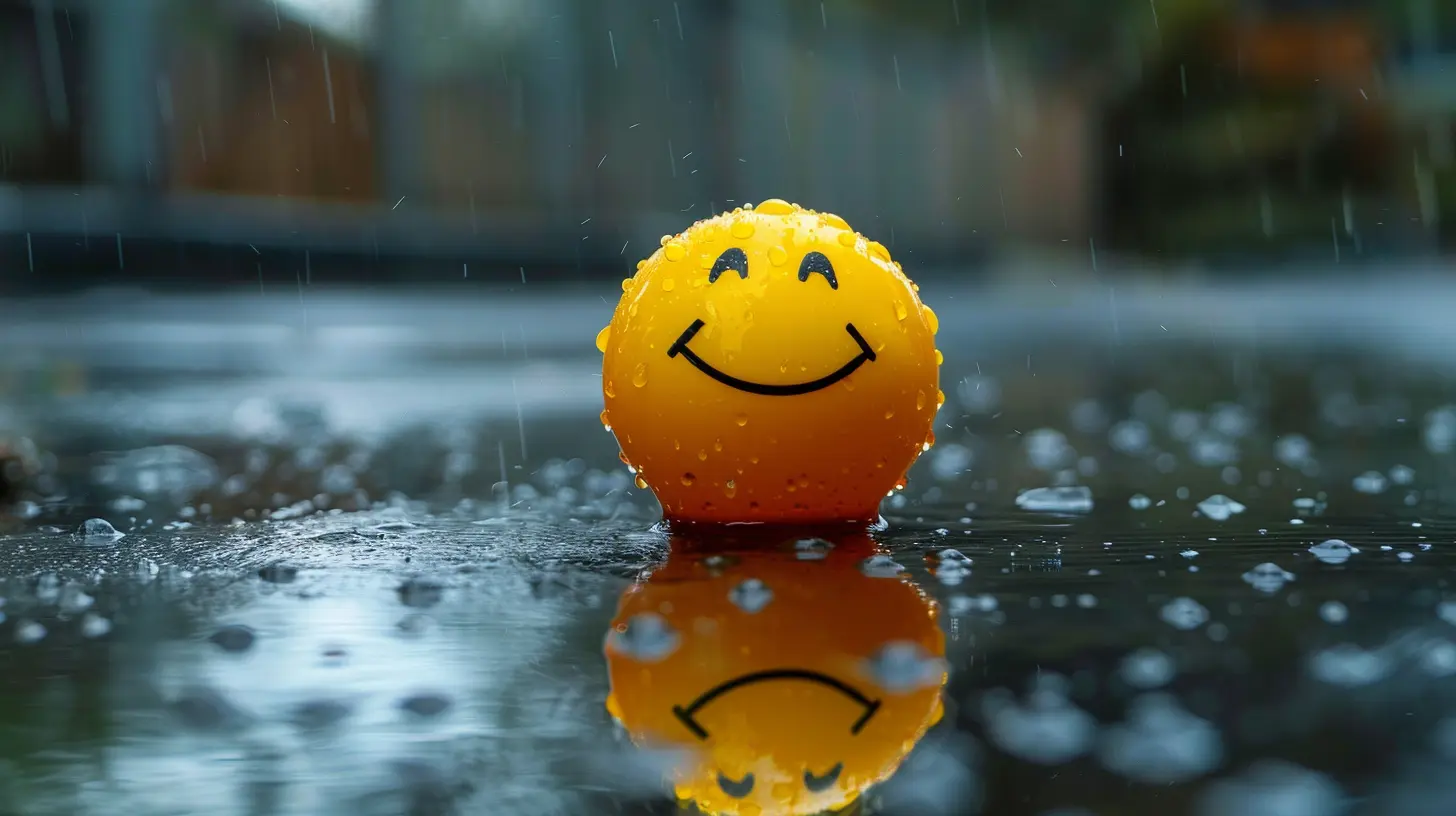
Think of it like this: if life is a storm, optimism is your umbrella. It doesn’t stop the rain, but it makes it easier to get through it without getting soaked.

What Is Resilience, Really?
Resilience is your bounce-back ability. It’s how quickly and effectively you recover from challenges, stress, or trauma.But resilience isn’t about being tough or unbreakable. It’s about adaptability. It’s about bending without breaking. And here’s the kicker—resilience can be built over time, like a muscle. And optimism? Yeah, it's a key ingredient in making that muscle stronger.

The Science Behind Optimism and Resilience
Let’s talk brain stuff—just for a sec. Studies in positive psychology suggest that optimistic people have lower levels of stress hormones like cortisol. When you're optimistic, your body doesn’t go into overdrive every time something bad happens. Instead, you handle stress with a clearer head and a lighter load on your body.MRI scans also show that optimistic individuals have more active areas of the brain associated with problem-solving, emotional regulation, and future planning. That's science speaking, folks.
In simpler terms: an optimistic mindset wires your brain to bounce back faster. It helps you process difficulties without spiraling into despair.
Why Optimists Are Naturally More Resilient
Okay, so why are optimistic people naturally better at bouncing back?1. They Reframe Their Thoughts
When faced with disappointment, optimists don’t say, “This ruins everything.” Instead, they might say, “This is tough, but it’s not the end of the road.”They flip the script. And this mental shift makes a world of difference. Reframing helps you stay in control, even when the situation feels overwhelming.
2. They Expect Setbacks—And Plan for Them
Ironically, the most optimistic people aren’t naive. They actually expect challenges. But they also believe they can handle them. It’s like carrying a toolbox through life. You know something might break—but you’ve got what you need to fix it.3. They Stay Hopeful About the Future
Optimism fuels hope. And hope is like jet fuel for resilience. When you believe better days are ahead, you’re more likely to keep going.No one climbs a mountain thinking they'll fail at the top. They do it because they believe the view is worth it.
How Optimism Changes the Way We Handle Stress
Stress is inevitable. But optimism changes how we react to it. Instead of falling into a spiral of negative self-talk, optimistic people are more likely to say things like:- "I’ve been through worse."
- "This is only temporary."
- "What can I learn from this?"
This kind of self-talk isn’t just fluff—it actually helps regulate your emotions and reduce anxiety. It keeps your mind from going into panic mode and allows you to focus on solutions, not just problems.
Optimism Doesn’t Mean Ignoring Reality
Let’s be clear—optimism isn’t about pretending everything is perfect. It’s about acknowledging reality, but choosing to focus on what can go right instead of what went wrong.It’s okay to grieve, to feel pain, to get frustrated. Optimism doesn’t cancel those feelings. It just gives you a reason to believe you won’t be stuck in them forever.
It’s hope with its sleeves rolled up.
Can You Learn to Be More Optimistic?
Short answer? Absolutely.Optimism isn’t something you either have or don’t. It’s a skill. And like any skill, it can be learned, practiced, and strengthened.
Here’s how you can start building your own optimism muscle:
1. Practice Gratitude Daily
Gratitude shifts your focus from what's missing to what's present. Every day, write down three things you're grateful for. They don't have to be big. Even a good cup of coffee counts.2. Challenge Negative Thoughts
Catch yourself when you're spiraling into worst-case scenarios. Ask: Is this thought true? Is there another way to look at this?3. Visualize Positive Outcomes
Before a stressful event, take a moment to imagine it going well. This mental rehearsal can calm your nerves and prime your brain for success.4. Surround Yourself with Positive Influences
Negativity is contagious—but so is optimism. Spend time with people who lift you up and believe in moving forward.5. Celebrate Wins—Big and Small
Acknowledge your achievements, no matter how tiny. Each win reinforces the belief that progress is possible.
Optimism in Action: Real-Life Examples
You’ve probably seen optimism in action more often than you realize. Think about people who faced huge setbacks but came out stronger. Maybe it’s a friend who beat cancer and now volunteers at a hospital. Or someone who lost everything in a fire and rebuilt their life from scratch.What do they all have in common? A belief that tomorrow could be better than today—and the willingness to act on that belief.
Take Viktor Frankl, for example. A Holocaust survivor and psychiatrist, he famously said, “When we are no longer able to change a situation, we are challenged to change ourselves.” That’s optimism, plain and simple.
Optimism and Mental Health: A Two-Way Street
There’s no denying it—optimism improves mental health. Optimistic people experience less depression, lower anxiety levels, and greater overall well-being.But it works the other way too: taking care of your mental health boosts your optimistic outlook. It’s a feedback loop. The more you nurture one, the stronger both become.
Practices like therapy, mindfulness, journaling, and social support systems all contribute to a more hopeful mindset. And that, in turn, makes you more resilient to future stress.
Teaching Optimism to Kids (And Why It Matters)
Let’s not forget about the next generation.Teaching kids how to think optimistically is one of the best emotional gifts we can give them. When kids learn to see failures as learning opportunities and bounce back from disappointment, they grow up into emotionally stronger adults.
It's about replacing phrases like “I can’t” with “I can’t... yet.” That tiny shift changes everything.
Final Thoughts: You’ve Got More Power Than You Think
Look, life will toss lemons your way. That’s a given. But optimism hands you the sugar and says, “Go ahead, make lemonade.”Resilience doesn’t mean you never fall—it means you keep getting up. And optimism? It’s the quiet inner voice whispering, “You’ve got this,” even when everything feels like it’s falling apart.
So next time life gets rocky, try leaning into optimism. Not because it’ll fix everything, but because it’ll help you face anything.
And that, my friend, is a superpower worth having.
all images in this post were generated using AI tools
Category:
ResilienceAuthor:

Paulina Sanders
Discussion
rate this article
1 comments
Isabelle Lopez
Optimism fuels unstoppable resilience!
November 21, 2025 at 5:00 AM
Paulina Sanders
Absolutely! Optimism serves as a powerful catalyst, empowering individuals to overcome challenges and maintain their resilience in the face of adversity.