The Role of Play in Cognitive Growth for Young Children
13 December 2025
Remember the days when playing meant running wild in the backyard, staging elaborate tea parties with imaginary friends, or turning the living room couch into a pirate ship? Turns out, all that “nonsense” was actually wiring our brains for success. Shocking, right?
Parents often stress about their kids’ learning, signing them up for every educational app, flashcard set, and foreign language class before they even master tying their shoes. But guess what? Nature already built an incredible learning tool right into their little DNA—play.
So, before you swap out the toy box for a stack of math workbooks, let’s break down why play is not only fun but also a secret weapon for cognitive growth.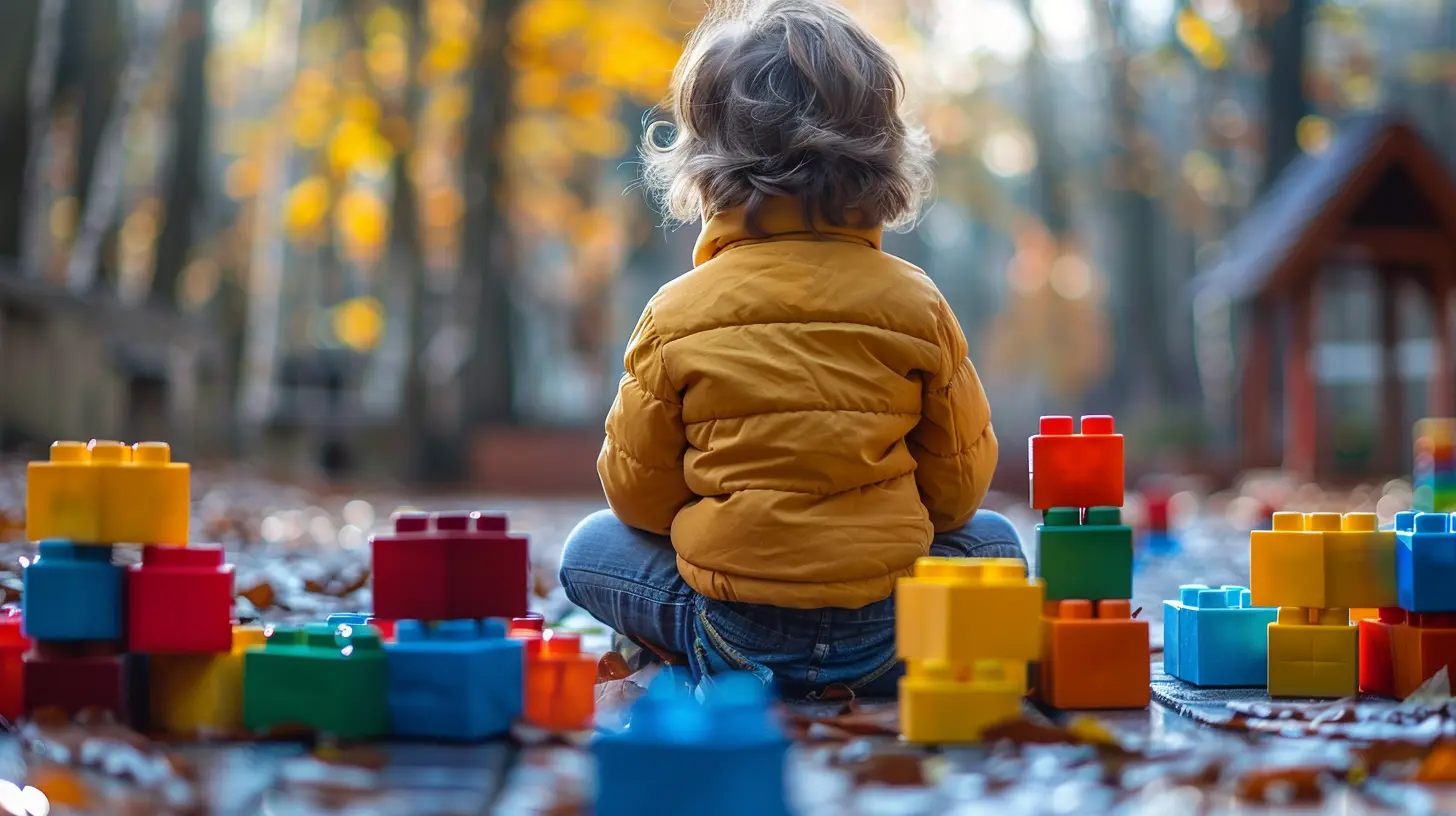
What Does Science Say? (Spoiler: Play = Brain Power)
Science—yes, actual science—backs up what kids have been teaching us all along: play is serious business. Studies show that engaging in free, unstructured play stimulates brain development by forming new neural connections.Think of a child’s brain like an empty city. Every time they play, they’re building roads, bridges, and skyscrapers. The more they play, the better connected and more complex their city becomes. No play? Well, then you’ve got potholes and roadblocks instead of a bustling metropolis.
How Play Builds Cognitive Skills
Play isn’t just about entertainment; it’s a full-blown brain workout. Here’s how:1. Problem-Solving & Critical Thinking
- Ever seen a toddler figure out how to stack blocks just right to avoid a mini-disaster? That’s engineering in its rawest form.
- Hide-and-seek? A masterclass in logic and strategy.
- Trying to fit puzzle pieces together? Spatial reasoning, baby!
2. Memory & Recall
- Games with rules (think: Simon Says or a simple scavenger hunt) help improve working memory.
- Repetitive play, like singing songs or reenacting the same story, cements information into their tiny, ever-expanding minds.
3. Language Development
- Kids playing “house” or “store” are practicing communication, negotiation, and storytelling.
- Talking through imaginary scenarios builds vocabularies faster than any flashcard ever could.
4. Emotional Regulation
- Play teaches kids patience (like waiting their turn), resilience (when their block tower collapses again), and self-control (resisting the urge to destroy their sibling’s Lego masterpiece). 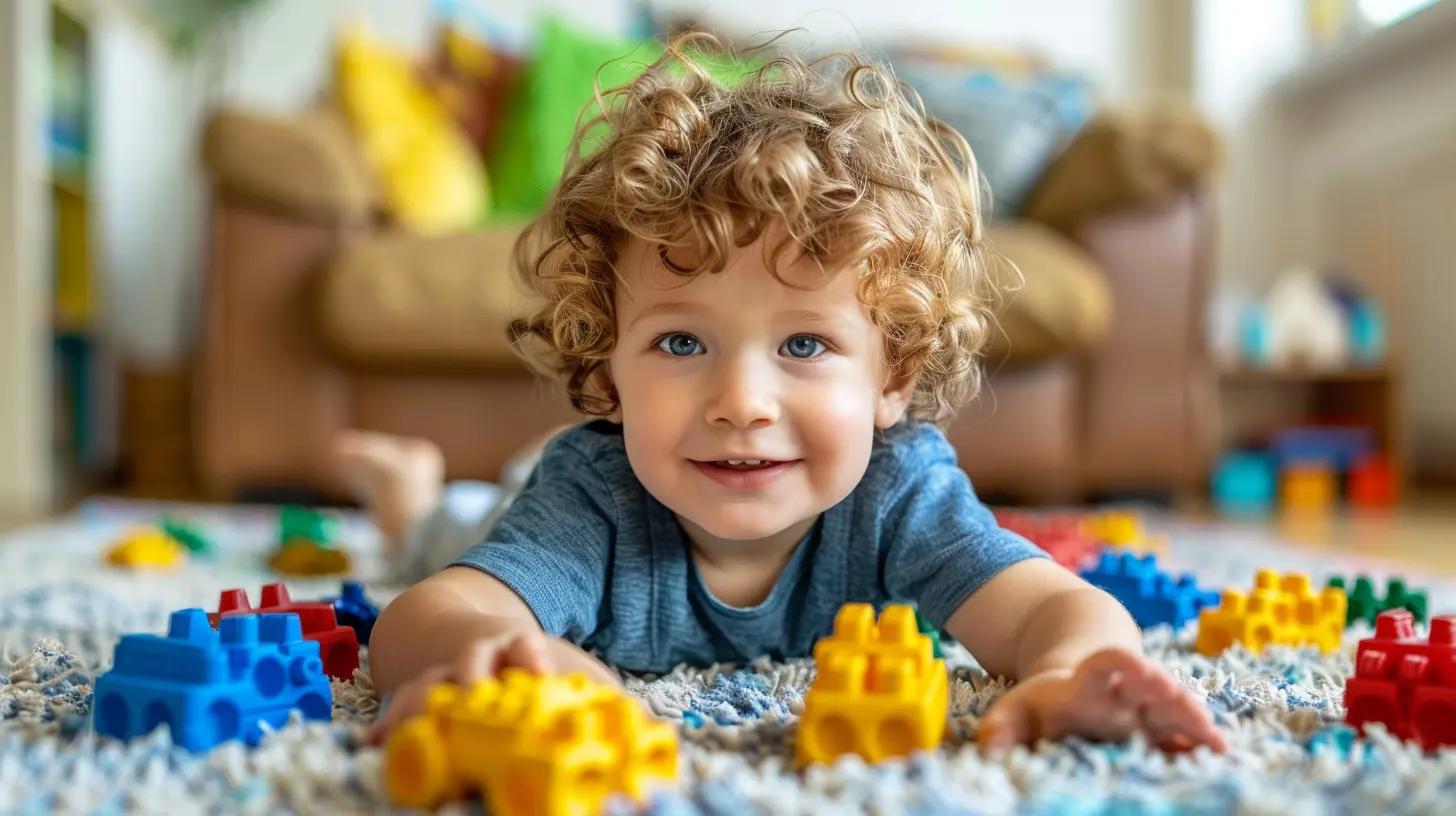
Different Types of Play and Their Brain-Boosting Benefits
Not all play is created equal, but each type contributes uniquely to cognitive growth.1. Free Play (a.k.a. Let Them Be Wild!)
This is when kids lead the way—no adult instructions, just unstructured fun. Free play helps with creativity, decision-making, and problem-solving. Think of it as the “sandbox mode” of childhood. - Examples: Running around the yard, building forts, mixing mud “soup” in the garden.
- Why It’s Important: Encourages independence and imagination.
2. Pretend Play (Because Every Kid is an Oscar-Worthy Actor)
Also known as dramatic play, this is when kids create imaginary worlds—be it playing doctor, hosting a tea party, or pretending to be Spiderman. - Examples: Dressing up as superheroes, setting up a “grocery store” with stuffed animals as customers.
- Why It’s Important: Enhances social skills, creativity, and language development.
3. Constructive Play (The “Oops, We Need More Storage” Stage)
This involves building things—Legos, sandcastles, cardboard rocket ships—anything where little hands put pieces together. - Examples: Stacking blocks, building with LEGO, crafting a spaceship out of boxes.
- Why It’s Important: Improves spatial awareness, fine motor skills, and logical thinking.
4. Physical Play (Burning Off That Endless Kid Energy)
Running, jumping, climbing, tumbling—all of this helps with coordination, balance, and overall brain function. Movement actually enhances cognitive development by improving focus and memory. - Examples: Tag, hopscotch, jumping on the bed (sorry, parents!).
- Why It’s Important: Boosts motor skills and helps release all that bundled-up energy.
5. Structured Play (Because Sometimes, Rules are Fun Too!)
Games that have specific instructions or objectives help children develop focus and discipline. - Examples: Board games, Simon Says, learning-based apps.
- Why It’s Important: Teaches patience, turn-taking, and problem-solving in a structured manner. 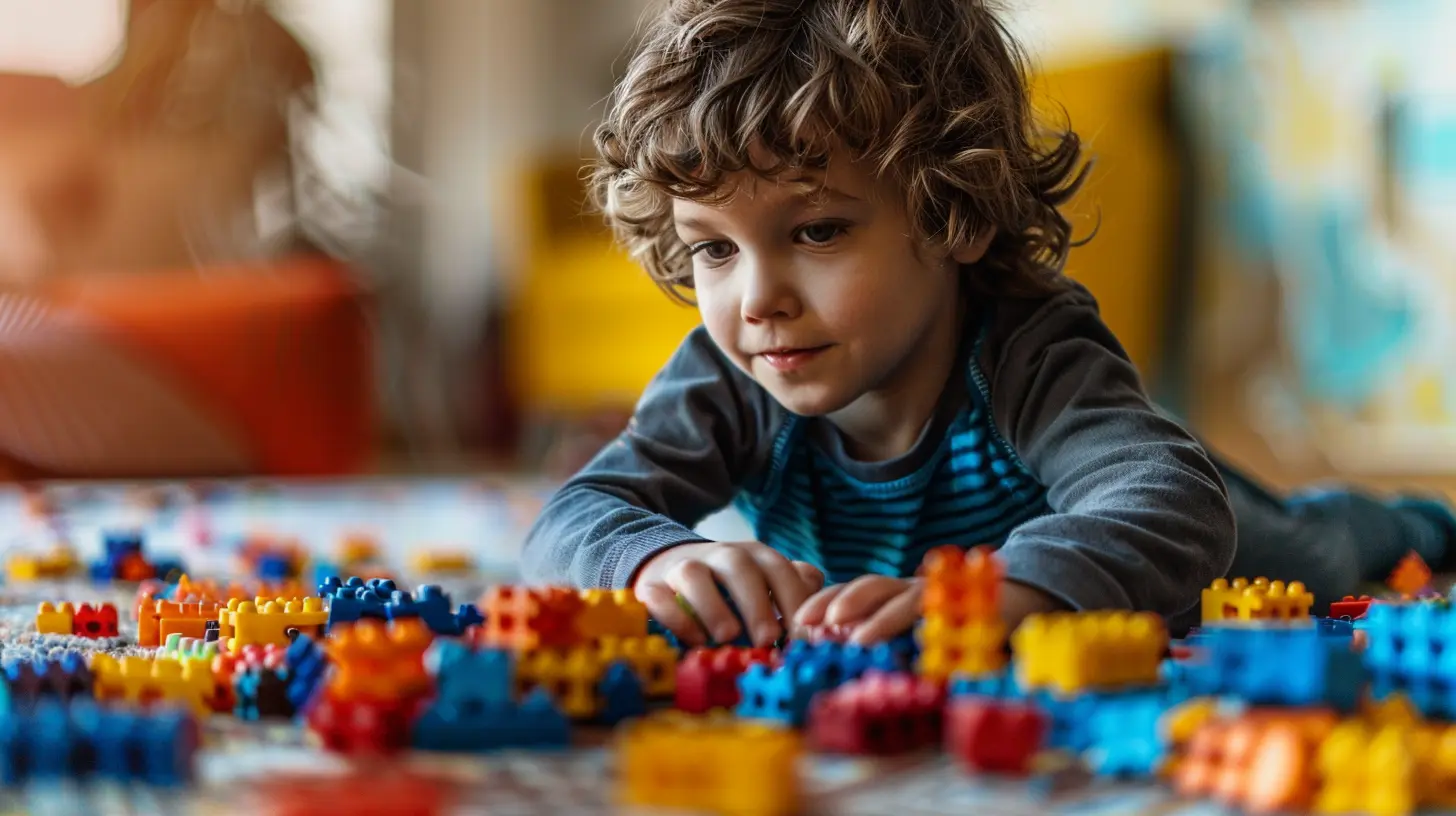
The Digital Dilemma: Can Screens Be Play?
Ah, the million-dollar question: Does screen time count as play?The answer is yes... and no. While certain educational games can stimulate problem-solving and cognitive skills, passive screen time (like watching endless YouTube videos of other kids playing) doesn’t offer the same benefits as active, hands-on play.
Basically, if the screen is being used interactively—solving puzzles, engaging with stories, or creating things—it can contribute to learning. But if it’s just binge-watching Peppa Pig, well… that’s just babysitting via pixels. 
What Can Parents Do?
Great news: You don’t need to overcomplicate things. Play doesn’t require fancy toys, expensive gadgets, or elaborate Pinterest-worthy setups. Here’s how to encourage cognitive-boosting play:✔ Let them get bored – That’s when imagination kicks in. No need to constantly entertain.
✔ Get involved (sometimes) – Join in pretend play! Be the “bad guy” in their superhero adventure.
✔ Provide open-ended toys – Blocks, dolls, art supplies… anything that can be used creatively.
✔ Limit screen time – Balance is key. Not all screen time is bad, but hands-on activities should dominate the day.
✔ Encourage outdoor play – Nature is the best playground. A backyard, a park, even a simple walk outside can spark imaginative play.
Final Thoughts: Play is Serious Business (But Still Super Fun)
So, the next time someone tells you play is just “wasting time,” you can proudly school them on how it’s actually shaping young minds. These tiny humans aren’t just goofing off—they’re developing critical thinking, problem-solving, emotional intelligence, and even social skills.Besides, who wouldn’t want their kid to grow up to be a creative genius who also knows how to have fun? So go ahead—let them build that pillow fort, host a stuffed animal concert, or turn the backyard into a dinosaur jungle. Their brains (and childhood memories) will thank you!
all images in this post were generated using AI tools
Category:
ParentingAuthor:

Paulina Sanders
Discussion
rate this article
2 comments
Caden Simmons
Play isn't just fun—it's essential! Dismissing it as mere child's play undermines its critical role in cognitive development. Through play, children explore, experiment, and learn resilience. Ignoring this powerful tool in early education risks stunting creativity and critical thinking. Embrace play as a foundation for lifelong learning!
December 24, 2025 at 5:42 PM
Paulina Sanders
Absolutely! Play is a vital component of cognitive development, fostering creativity, resilience, and critical thinking in children. Embracing it is essential for nurturing lifelong learners. Thank you for highlighting its importance!
Taryn Ramos
This article beautifully highlights the essential role of play in cognitive development. As I reflect on my own experiences, I see how unstructured play fosters creativity and problem-solving skills. It’s a reminder of the importance of allowing children the freedom to explore, discover, and learn through play.
December 21, 2025 at 5:10 AM
Paulina Sanders
Thank you for sharing your insights! I'm glad the article resonated with you and reinforced the vital connection between unstructured play and cognitive development in children.