The Role of Special Interests in Autism
30 June 2026
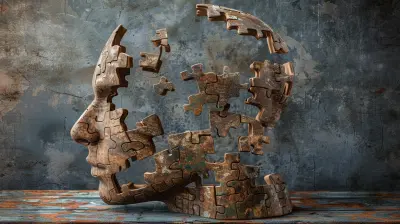
Autism is a spectrum, meaning each individual experiences it differently. But one common characteristic found in many autistic individuals is the presence of special interests—deep, passionate fascinations with specific topics, activities, or objects. These interests aren't just hobbies; they serve as a source of joy, comfort, and even personal growth.
But why do special interests play such a huge role in autism? And how can they be harnessed to support autistic individuals in their personal and professional lives? Let’s dive into the fascinating world of special interests and their impact on autism. 
What Are Special Interests?
Special interests, sometimes referred to as intense interests or hyperfixations, are topics that an autistic person becomes deeply invested in. Unlike casual hobbies, these interests can be all-consuming, lasting for weeks, months, or even a lifetime.For some, it might be trains, dinosaurs, or a specific historical period. For others, it could be coding, music, or even a particular TV show. These interests can range from the mainstream to the highly niche, but the common thread is the level of intensity and dedication put into them.
Difference Between Hobbies and Special Interests
A typical hobby might be something a person enjoys doing occasionally, like painting or playing sports. Special interests, on the other hand, often dominate an autistic person's thoughts and activities. They may:- Spend hours researching, reading, or engaging with their interest.
- Talk excitedly about it, sometimes struggling to gauge whether others share the same enthusiasm.
- Feel deep emotional connections to their interests, using them as a source of comfort in stressful situations. 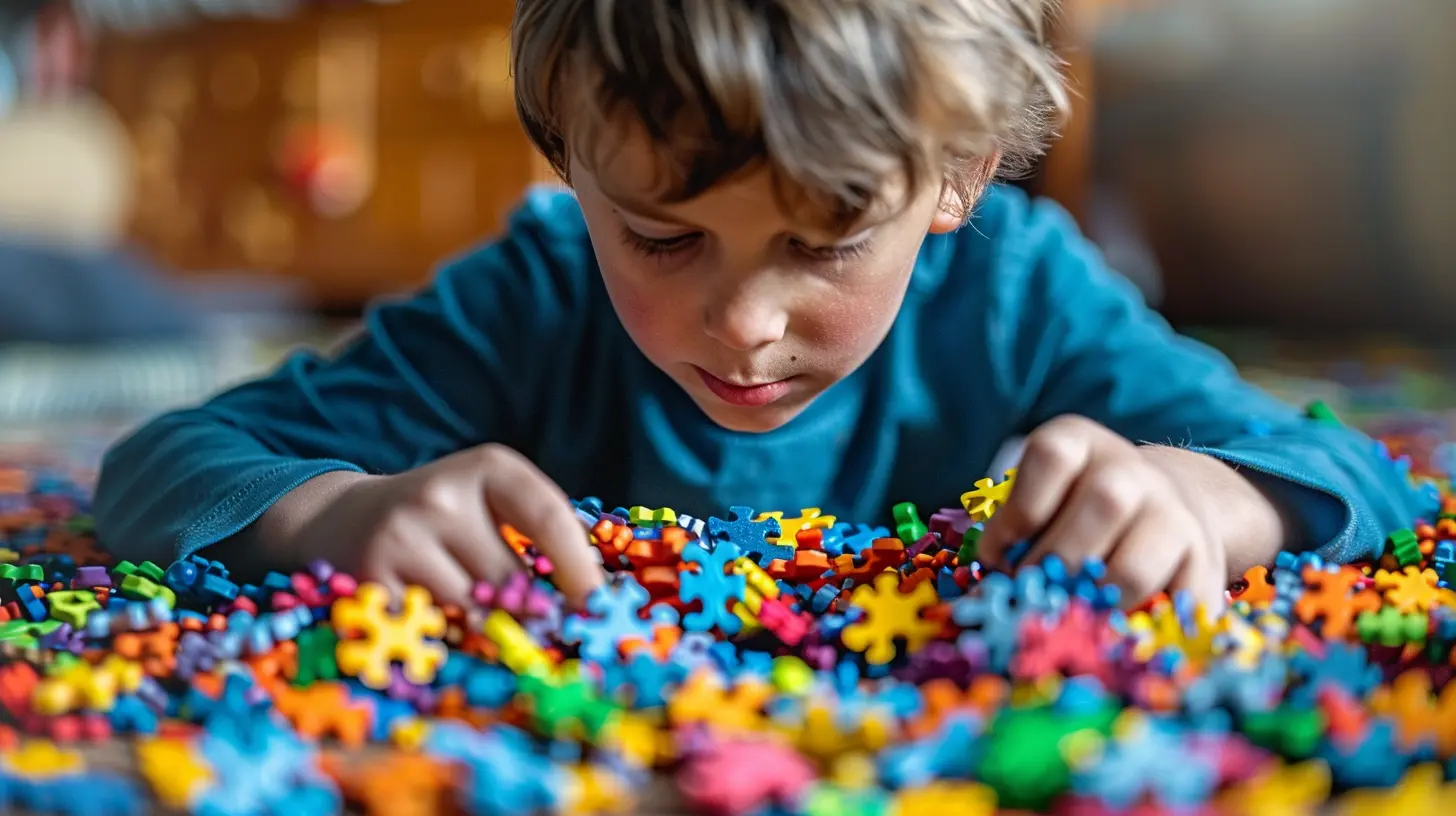
Why Do Special Interests Matter in Autism?
Special interests aren't just a pastime; they play a crucial role in the well-being and development of autistic individuals. Here’s how:1. Providing Emotional Comfort
For many autistic individuals, the world can feel overwhelming. Social interactions, sensory overload, and unpredictability can create stress. Special interests offer a safe, predictable escape—a place where they feel in control.Think of it like a favorite song you listen to when you're feeling down. Engaging with a special interest can have the same calming effect, helping to regulate emotions and reduce anxiety.
2. Improving Cognitive and Learning Skills
When someone is passionate about a subject, they naturally absorb and retain information better. That’s why many autistic individuals develop expert-level knowledge in their special interests. This can enhance:- Memory retention
- Problem-solving skills
- Pattern recognition
Parents and educators who recognize these interests can use them as tools for learning and motivation. For example, a child fascinated by space may find science lessons more engaging when framed around their interest in astronomy.
3. Enhancing Social Connections
While socializing can be challenging for autistic individuals, special interests often bridge the gap. When they meet someone who shares their passion, conversations flow more easily. These interests can form the foundation for meaningful friendships and even career opportunities.Imagine two people who love classic cars. The shared interest gives them an instant connection, making it easier to communicate and bond. The same applies to autistic individuals who find others who appreciate their special interests.
4. Career and Professional Growth
Many successful professionals—scientists, artists, engineers, and writers—have built careers around what started as intense personal interests. In fact, special interests can give autistic individuals an advantage in fields that require deep focus, attention to detail, and specialized knowledge.Some common career paths linked to special interests include:
- Technology & Programming – Many autistic people excel in IT, coding, and cybersecurity.
- Science & Research – Their ability to focus deeply makes them excellent scientists.
- Creative Arts – Writing, painting, filmmaking, or music can thrive from their dedication.
- History & Academia – A love for research and deep analysis makes academic careers appealing.
When employers understand and support these passions, autistic employees flourish, often becoming some of the most dedicated and innovative workers in their fields. 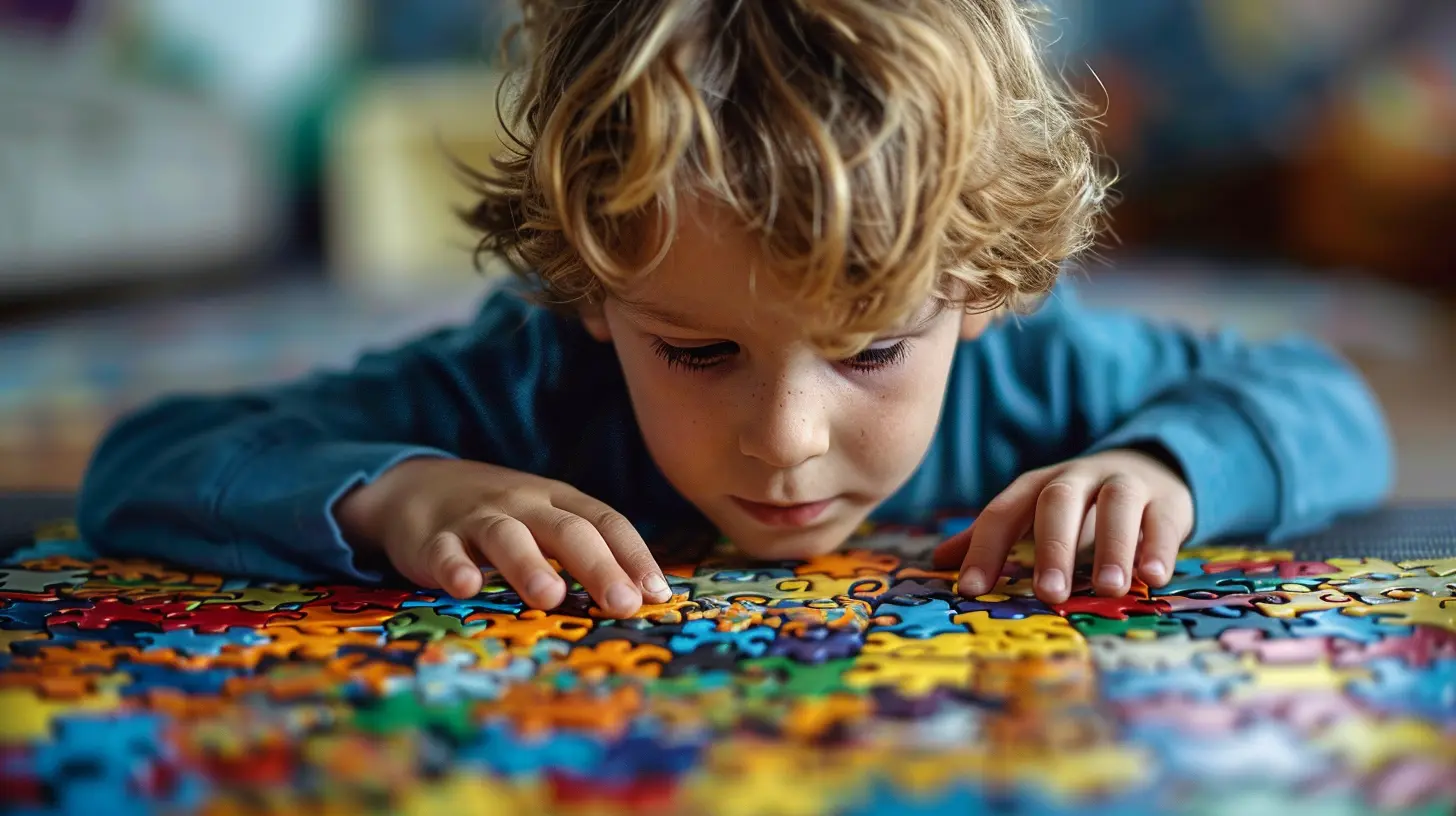
Misconceptions About Special Interests
Despite their benefits, special interests are sometimes misunderstood. Let’s clear up some myths:Myth #1: Special Interests Are a Waste of Time
Some people may see these interests as obsessive or unproductive, but they’re far from it. Special interests can serve educational, emotional, and professional purposes. They provide relaxation, motivation, and a sense of identity.Myth #2: Autistic People Should Be Encouraged to “Move On”
Some parents and educators worry that an autistic individual spends too much time on their special interest. While balance is important, forcing them to disengage can cause distress. Instead, these interests should be celebrated and integrated into daily life.Myth #3: Special Interests Are Only a Childhood Phase
While some special interests may change over time, many last a lifetime. In fact, these passions often evolve into careers, lifelong hobbies, or personal missions.
Supporting Special Interests in Everyday Life
So, how can parents, teachers, and employers support autistic individuals in embracing their special interests in a healthy way?1. Encourage Learning and Exploration
Rather than discouraging an interest, help them expand it. Provide books, documentaries, and materials that allow them to deepen their knowledge.2. Connect Interests to Other Areas of Life
If a child loves video games, introduce them to related fields like game design, storytelling, or coding. If someone is passionate about animals, explore careers in zoology, veterinary science, or pet care.3. Use Interests as a Teaching Tool
Educators can incorporate special interests into learning activities. For example, a student fascinated by trains might enjoy math problems about train speeds or history lessons on railway development.4. Foster Social Connections
Encourage participation in clubs, online forums, and community events where they can meet others who share their passions. The sense of belonging this provides is invaluable.5. Recognize the Emotional Value
Special interests act as a coping mechanism during stressful times. Instead of dismissing them, acknowledge their importance and offer space for engagement when needed.Final Thoughts
Special interests are not just a characteristic of autism; they are a core part of an autistic person’s identity. They provide joy, purpose, and even career opportunities.Rather than viewing these passions as distractions, society should appreciate and harness them. When nurtured correctly, special interests can unlock incredible potential, transforming lives in powerful and meaningful ways.
So next time you see someone deeply immersed in their special interest, remember—it’s not just a hobby. It’s a world of knowledge, comfort, and opportunity waiting to be explored.
all images in this post were generated using AI tools
Category:
AutismAuthor:

Paulina Sanders
Discussion
rate this article
1 comments
Elsinore Horne
Special interests truly enrich their experiences.
July 3, 2026 at 2:43 PM
Paulina Sanders
I couldn't agree more. Special interests provide unique insights and depth, helping individuals connect with the world in meaningful ways.