The Role of Support Systems in Trauma Recovery
12 May 2026
Let’s be real: healing from trauma is messy, complicated, and at times downright painful. It’s not a straight line. It's more like a stormy rollercoaster ride in the dark with no end in sight. But here's the thing—no one is meant to ride it alone. That’s where support systems come in. They're not just helpful—they're downright essential.
Whatever trauma you’ve experienced—whether it's emotional abuse, physical assault, prolonged stress, grief, or something else—having a solid support system can make all the difference between just surviving and truly recovering.
In this post, we're diving into the raw and real world of trauma recovery and how support systems serve as the backbone of that journey. We’ll break down why they matter, what they look like, and how they help the healing process.
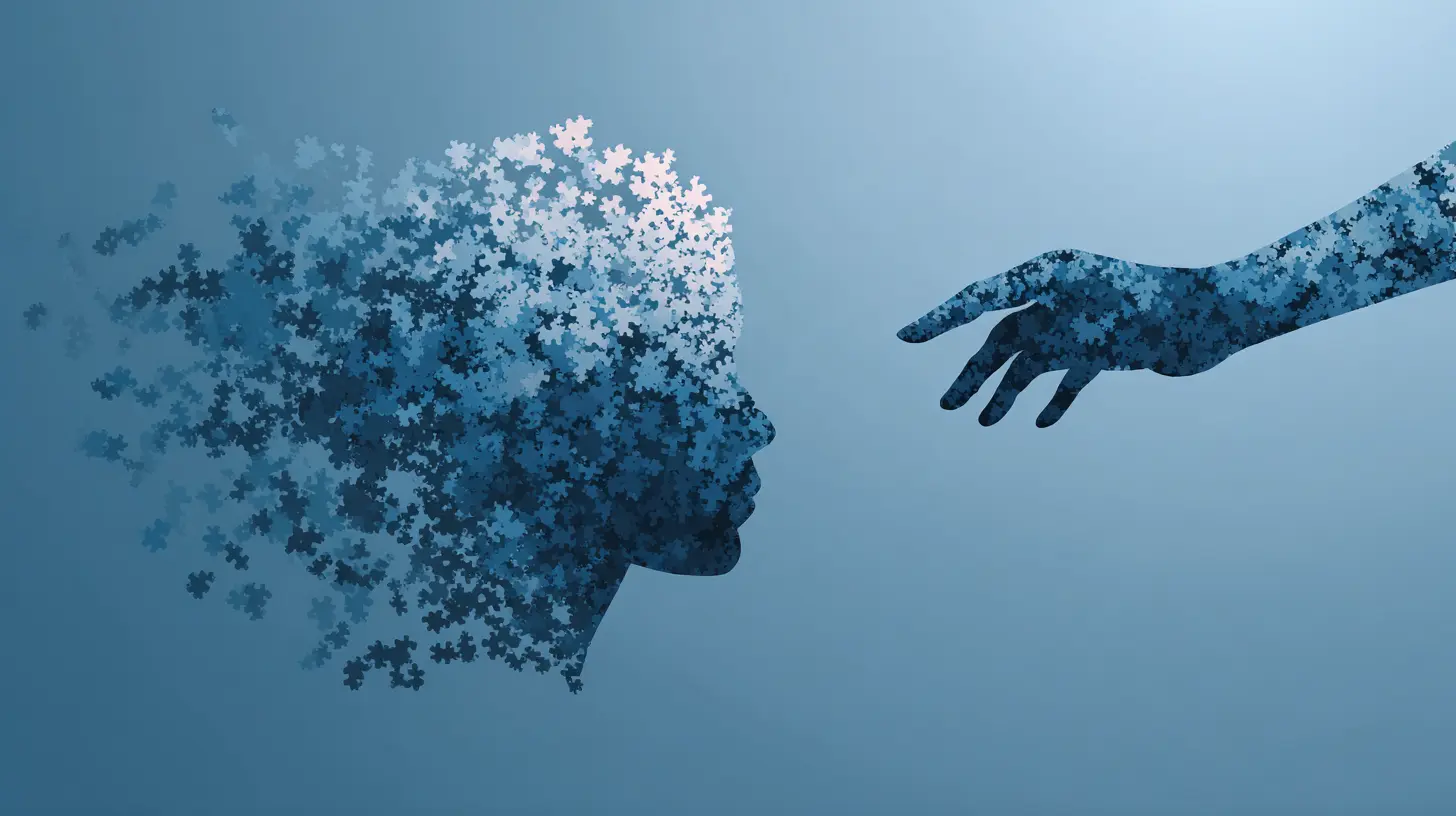
What Exactly Is Trauma?
Before we talk about support, let’s clear up what trauma actually is.Trauma isn’t just the event—it’s the lasting emotional wound it leaves behind. It’s that constant tension in your chest, the sleepless nights, the sudden panic at the smallest trigger. It's the echo of a past experience refusing to sit quietly.
Trauma can stem from:
- Abuse (physical, sexual, emotional)
- Accidents
- Natural disasters
- Loss of a loved one
- War and violence
- Prolonged stress or neglect
The thing is, trauma doesn’t play fair. It doesn’t care about age, gender, or background. And it doesn’t magically disappear with time. That’s why a support system is crucial.

Why Support Systems Matter in Trauma Recovery
Support systems aren’t just “nice to have.” They’re lifelines.Imagine being stuck in a deep, dark pit. You’re trying to climb out, but the walls are slippery, and your hands are shaking. Now imagine someone reaching down, pulling you up, or at least shouting words of encouragement. That's what a support system does—they offer strength when you feel drained, light when everything feels dark, and hope when hope feels impossible.
Trauma Is Isolating—Support Systems Break That Isolation
One of trauma’s cruelest tricks is making you feel like you're completely alone. It whispers that no one will understand, that you're weak for feeling what you feel, and that you're better off not sharing.Support systems shut those lies down fast.
Whether it's a friend who checks in every day, a therapist who helps you process the pain, or a peer support group that just gets it—they remind you that you're not broken, and you're certainly not alone.
Emotional Validation Is Healing
You know what hurts after trauma? Being told to “get over it” or “move on.” That invalidation stings worse than the trauma itself sometimes.But when someone looks you in the eye and says, “What you’re feeling makes sense”? That’s gold.
A strong support system validates your emotions. They don't try to fix you. They simply sit with you in your pain, which—believe it or not—is powerful medicine.
Accountability and Encouragement Keep You Moving
Healing isn’t a one-time decision. It’s a daily choice. And some days you just don’t want to make it.Support systems—whether it’s a best friend, therapist, mentor, or spouse—can gently keep you on track. They remind you why you started, cheer on your progress, and share in your wins, no matter how small.

What Makes up a Healthy Support System?
Not all support is created equal. In fact, some relationships can actually slow down or sabotage your healing.Let’s break down what a healthy support system looks like. These are the MVPs of trauma recovery.
1. Friends and Family (The Inner Circle)
Your closest people—those ride-or-die folks—can be your solid ground during recovery. But here’s the catch: they need to be emotionally safe. That means they listen without judgment, respect your boundaries, and offer love even when they don’t fully understand your trauma.Sometimes, sadly, the people closest to us aren’t the most supportive. And that’s okay. Part of healing is learning to build a chosen family—a tribe that gets it.
2. Mental Health Professionals
This is non-negotiable for many trauma survivors. Therapists, psychologists, and counselors are trained to help you navigate the minefield of trauma.They don’t just listen—they give you tools. Whether it's Cognitive Behavioral Therapy (CBT), EMDR (Eye Movement Desensitization and Reprocessing), or somatic techniques, professionals guide you through healing with strategy and science.
Think of them as your trauma tour guides. They've walked these paths before and they know where the traps are.
3. Support Groups
There’s unmatched healing in sitting in a circle of strangers and realizing you’re all fighting similar battles.Support groups—especially those tailored to your specific trauma (like PTSD support, abuse survivors, or grief groups)—offer two golden gifts: community and understanding.
You get to talk and be truly seen without explaining every detail. You see yourself in other people’s stories, and that connection is like a healing balm on your soul.
4. Online Communities
Can the internet really offer support? You bet it can.Online forums, Facebook groups, Reddit threads, even therapy apps—when used wisely—can offer round-the-clock support and connection. Just be cautious. Not all “advice” online is good advice. Find communities that are moderated and evidence-based.
5. Yourself (Yep, You Heard That Right)
Bet you didn’t expect this one. But self-support is part of your system.This means checking in with yourself daily, giving yourself grace when you struggle, and celebrating your wins no matter how small. It’s journaling when things feel chaotic, meditating when your mind won’t shut up, or taking a walk to breathe.
Your inner voice can be your biggest cheerleader—or your worst critic. Healing is learning to shift that voice.

Practical Ways Support Systems Help Trauma Recovery
So we’ve talked about who makes up your support system, but let’s get specific—how do they actually help?1. Providing Safety and Stability
Trauma shatters your sense of safety. Support systems help rebuild it.Just knowing you can call someone when you’re spiraling or that someone will check in on you after a tough therapy session? That kind of stability is priceless.
2. Encouraging Healthy Coping Skills
Let's be honest—when you're hurting, unhealthy coping mechanisms look real tempting. Drinking, overeating, self-isolating—it’s easy to fall into these traps.Your support system can offer healthier alternatives. They model balance. They might say, “Hey, let’s go for a walk,” or “Have you talked to your therapist about this?”
3. Rebuilding Trust
Trauma often comes from betrayal—whether from a person, a system, or even life itself. That messes with your ability to trust.Supportive people help you rebuild that trust slowly. They show up consistently, keep their word, respect your boundaries. Over time, you start to realize not everyone will hurt you.
4. Interrupting Negative Thought Loops
Have you ever been stuck in a thought spiral that feels impossible to escape?A good support system can be your lifeline when your mind turns against you. They pull you out of those dark places and help ground you back in reality.
5. Reminding You of Who You Are (Beyond the Trauma)
One of the cruelest things trauma does is redefine who you are. It whispers that you’re broken, damaged, or less than.But your people? They remind you that you're so much more. They see the strength you’ve forgotten and the future you can’t imagine yet. Sometimes, they hold the vision for your healing until you’re ready to hold it yourself.
Building Your Support System from Scratch
If you’re reading this thinking, “But I don’t have anyone like that in my life,” listen up—there’s hope.Healing is often a process of building, not just repairing. Here’s how to start:
- Seek therapy – It’s often the first and safest place to start.
- Join a support group – Online or in-person, find your people.
- Be open about your journey with someone you trust. Vulnerability can attract genuine support.
- Set boundaries with toxic people, even if they’re family.
- Create rituals of self-care – You’re a part of your own support team.
- Be patient – It takes time to find your tribe.
The Bottom Line
Trauma recovery isn’t a DIY project. It’s a communal journey, even if it starts in isolation.Support systems don’t make the pain disappear, but they make the load lighter. They don’t erase the past; they help you build a future.
If you’re navigating trauma, don’t do it alone. Reach out. Stay connected. Let people in. Because healing is possible—and you don’t have to earn it or deserve it. You’re already worthy of it.
You’ve got this. And if you ever forget that, let your support system remind you.
all images in this post were generated using AI tools
Category:
Emotional TraumaAuthor:

Paulina Sanders
Discussion
rate this article
1 comments
Viva Reynolds
Great insights! Support systems truly make a difference in trauma recovery.
May 22, 2026 at 2:59 AM
Paulina Sanders
Thank you! I'm glad you found the insights valuable. Support systems are indeed crucial in the healing journey.