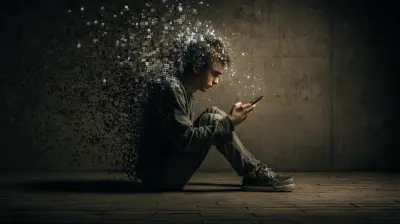
The Silent Impact of Social Media on Our Minds
24 August 2026
It does not announce itself. There is no warning label, no moment of realization, no single post that tips you over the edge. The impact of social media on the mind is cumulative, quiet, and deeply structural. We scroll in the morning before we speak to anyone. We scroll at night after we have turned off the lights. We scroll in line, in traffic, in the bathroom, in the five seconds it takes for a video to buffer. And in doing so, we are not just wasting time. We are reshaping the way we think, feel, and relate to ourselves.
Most conversations about social media focus on screen time or teen anxiety. Those are real concerns, but they miss the deeper story. The real story is about how these platforms have become the default environment for human cognition. We do not just use them. We live inside them. And like any environment, they shape the organisms that inhabit them.
The Attention Economy and the Fragmented Mind
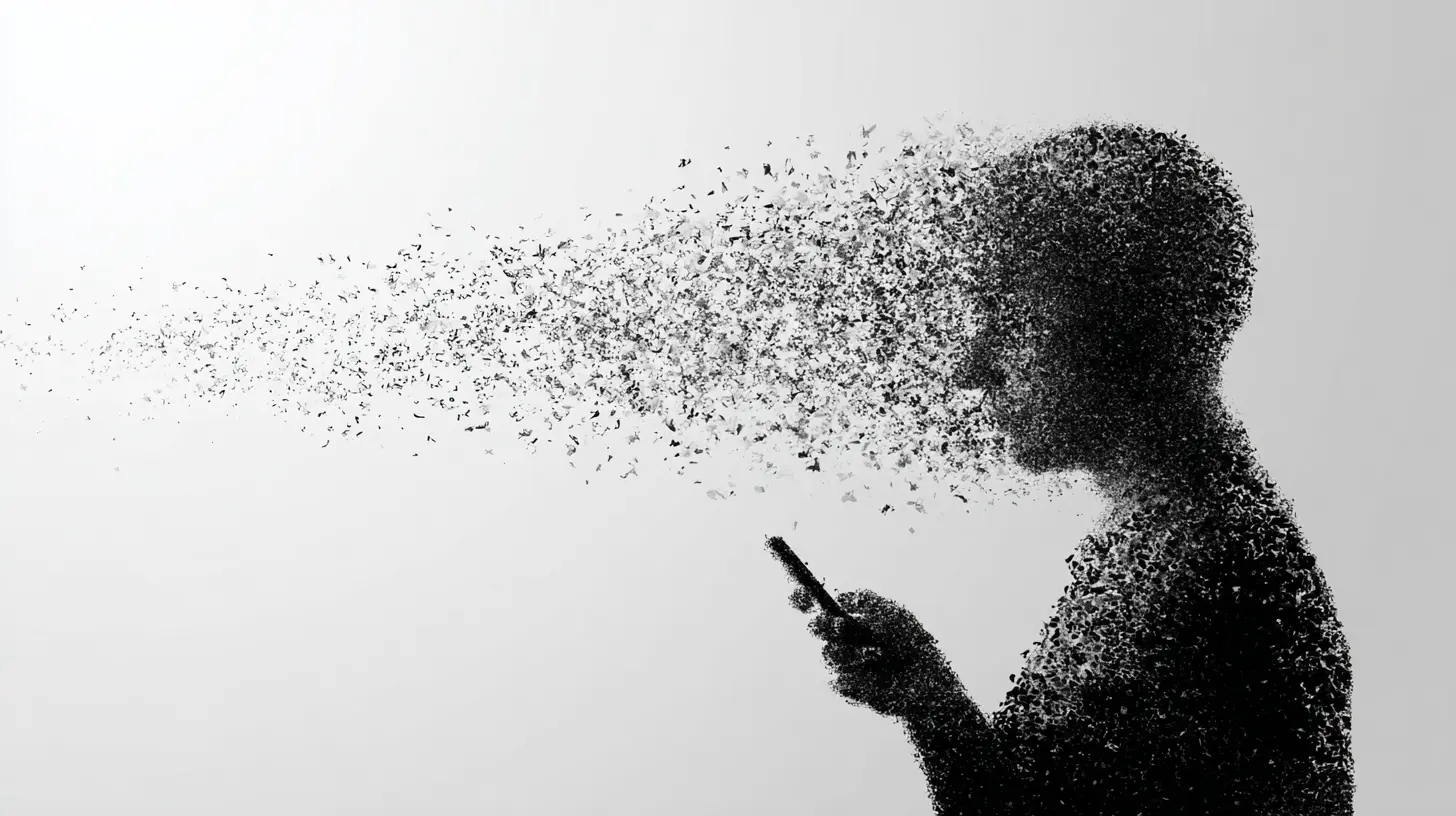
The first and most obvious casualty of social media is attention. But not in the way you might think. It is not simply that our attention spans are shorter. It is that our attention is no longer a continuous stream. It is a series of micro-bursts, each one interrupted before it can complete itself.Consider what happens when you open an app. You see a post. Before you have fully processed it, your thumb moves. You see another. Then another. The average time spent on a single piece of content is under two seconds. That is not reading. That is sampling. You are not absorbing information. You are detecting whether information is worth absorbing.
This creates a cognitive loop that is very difficult to break. The brain is rewarded not by understanding something, but by the anticipation of the next piece of content. This is the same mechanism that keeps gamblers at slot machines. The variable reward schedule, the unpredictable nature of what comes next, is more compelling than the content itself. You are not scrolling for the posts. You are scrolling for the possibility of the posts.
The result is a fragmented mind. You find it hard to read a book for more than ten minutes. You feel restless when there is no stimulation. You reach for your phone during a quiet moment, not because you want to see something, but because the quiet itself feels unbearable. This is not a personality flaw. It is a trained response. Your brain has been conditioned to expect constant novelty, and it protests when that novelty is absent.
The trade-off here is significant. Deep thinking, the kind that produces original ideas, requires sustained attention. It requires sitting with a problem for an hour without checking anything. It requires boredom, even. When you give that up, you do not lose just the ability to focus. You lose the ability to think in the way that builds expertise, creativity, and judgment.
The Self as a Performance
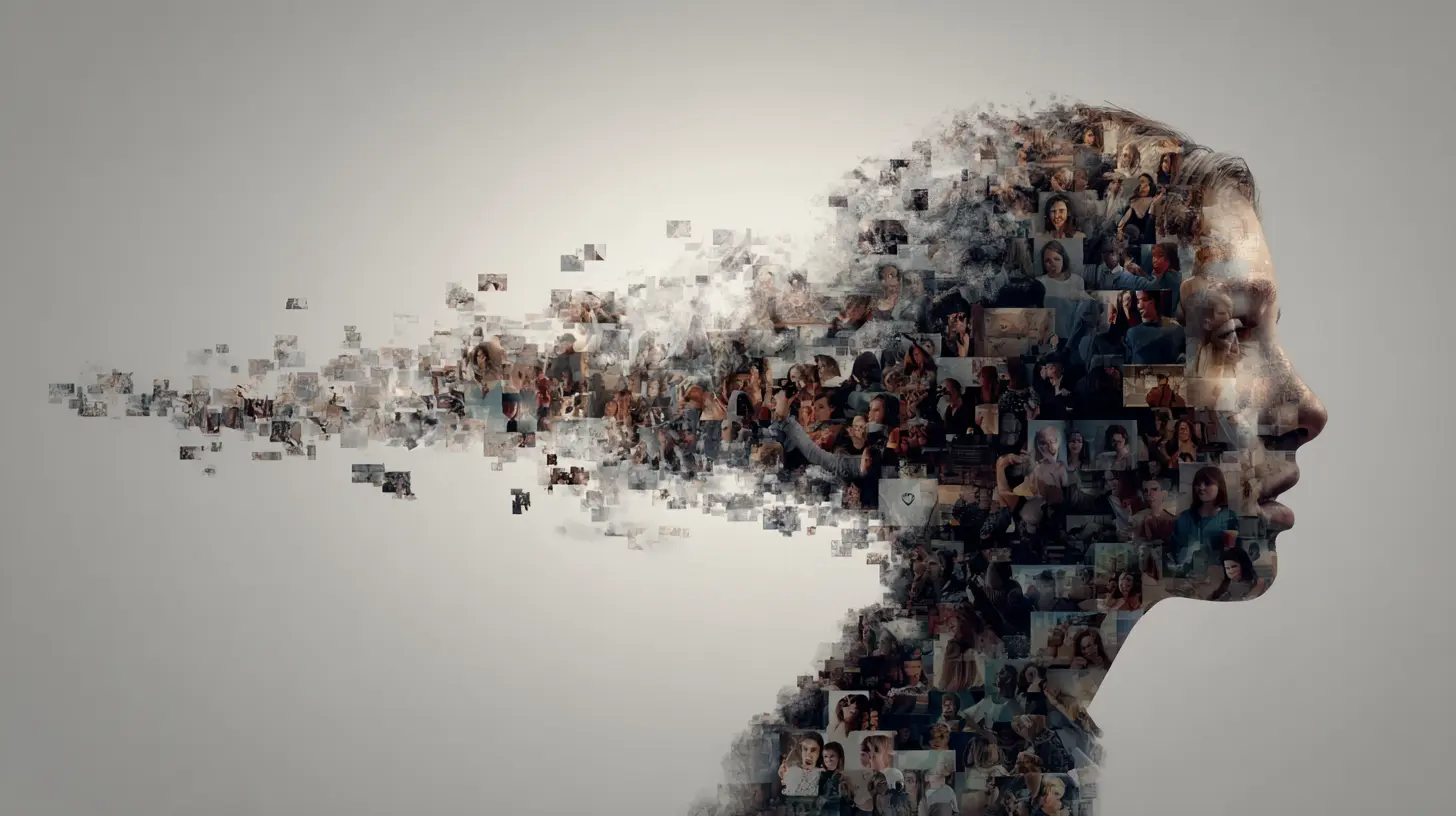
The second silent impact is on identity. Social media turns the self into a performance. Every post, every story, every like is a small act of self-presentation. You curate. You edit. You think about how things will look to others before you think about how they feel to you.This is not inherently bad. Humans have always performed for each other. We dress up, we tell stories, we present ourselves in certain ways. But social media changes the scale and the stakes. In real life, your audience is small and known. You can adjust based on feedback. On social media, your audience is large and invisible. You are performing for a crowd you cannot see, and you never know when the performance will be judged.
This creates a particular kind of anxiety. You start to split yourself into two versions: the one that exists in your own mind, and the one that exists in the algorithm. The algorithm version is what gets rewarded. It is the version that gets likes, comments, and shares. Over time, you begin to prioritize that version. You start making decisions based on how they will look online, not based on what you actually want.
This is where the concept of the "ideal self" becomes toxic. On social media, everyone presents a highlight reel. You know this intellectually. You know that the person posting perfect vacation photos also has bad days. But your brain does not process that knowledge emotionally. What it processes is the comparison. And comparison is the thief of joy, but it is also the thief of authenticity.
The real danger is not that you compare yourself to others. It is that you begin to compare yourself to a fictional version of yourself. You look at your own profile and think, "This is who I am." But it is not. It is who you have edited yourself to be. The gap between the edited self and the real self creates a quiet dissonance. You feel like a fraud, even when you have not done anything wrong. You feel like you are falling behind, even when you are not.
The practical advice here is not to stop posting. It is to change your relationship with the performance. Ask yourself: Am I posting this because I want to share something, or because I want approval? Am I crafting this image for myself, or for the algorithm? The answer is usually both. That is fine. But you should be aware of the ratio. If the approval-driven posts are the majority, you are not using social media. It is using you.
The Anxiety of Missing Out and the Fear of Being Left Behind
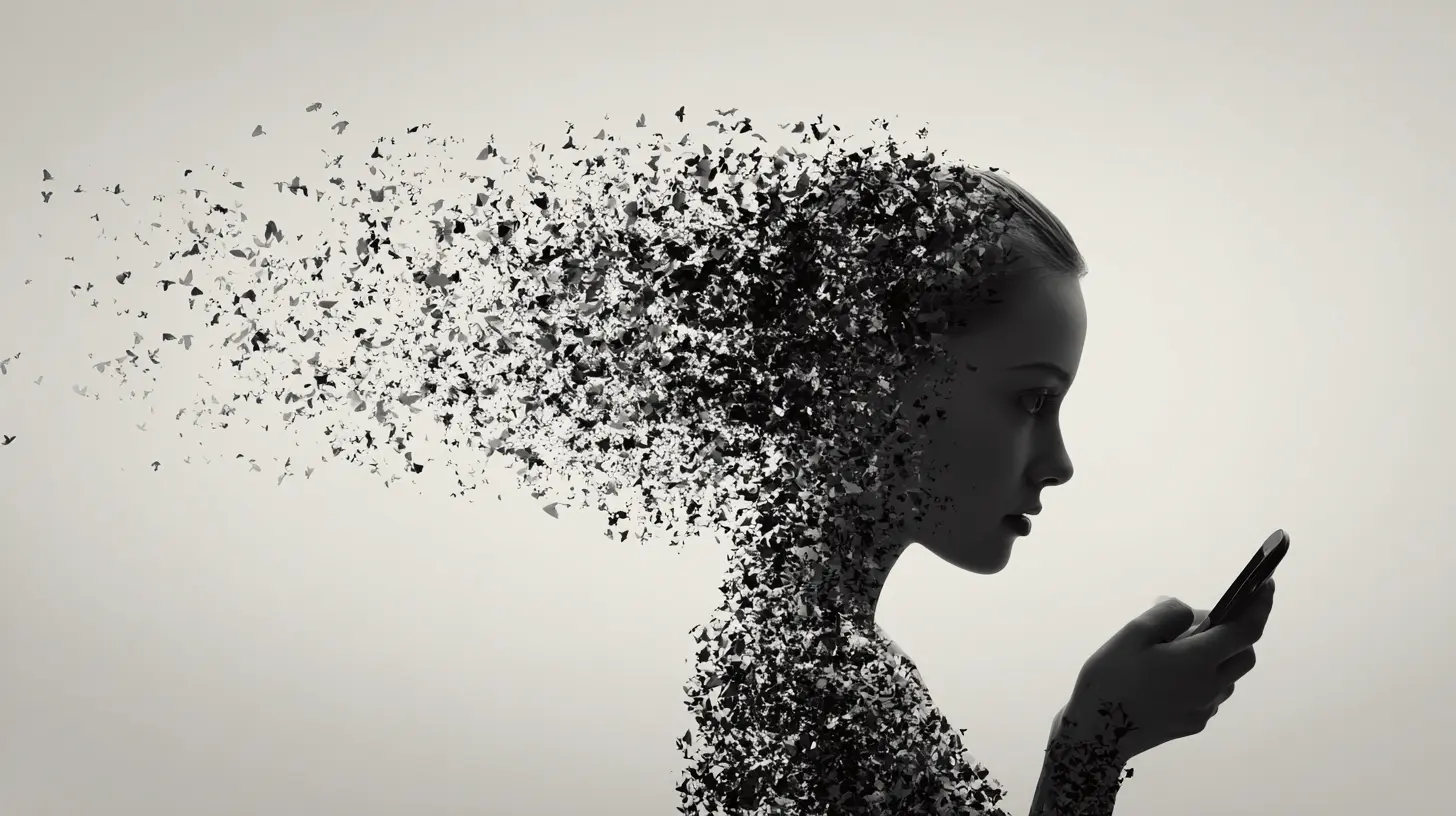
FOMO, or the fear of missing out, is often dismissed as a silly term. But it describes a very real psychological state. It is the feeling that others are experiencing something meaningful, and you are not. On social media, this feeling is not incidental. It is engineered.The platforms are designed to show you the best moments of the most people. They are not designed to show you the average. So your feed is a constant stream of other people's peaks. Their promotions, their engagements, their vacations, their achievements. You know that you are not seeing the full picture. But the emotional response is not logical. It is visceral.
This leads to a subtle but pervasive form of anxiety. You do not just worry about missing out on events. You worry about missing out on life itself. You worry that you are not doing enough, not achieving enough, not being enough. This is different from the healthy ambition that drives you to improve. This is a low-grade panic that you are falling behind, and that everyone else has figured something out that you have not.
The comparison is also unfair in a way that is rarely acknowledged. You are comparing your behind-the-scenes to everyone else's highlight reel. You are comparing your normal Tuesday to their Saturday night. You are comparing your real body to their filtered face. This is not a comparison of equals. It is a rigged game, and you are the only one playing it.
The best practice here is to be intentional about your feed. Unfollow accounts that make you feel inadequate. That is not censorship. That is hygiene. You would not keep a toxic friend around just because you have known them for years. You should not keep a toxic account around just because you have followed them for years. Replace those accounts with people who are honest, who show the mess, who talk about failure as well as success. You will not miss the perfection. You will be relieved to see the truth.
The Illusion of Connection and the Reality of Loneliness
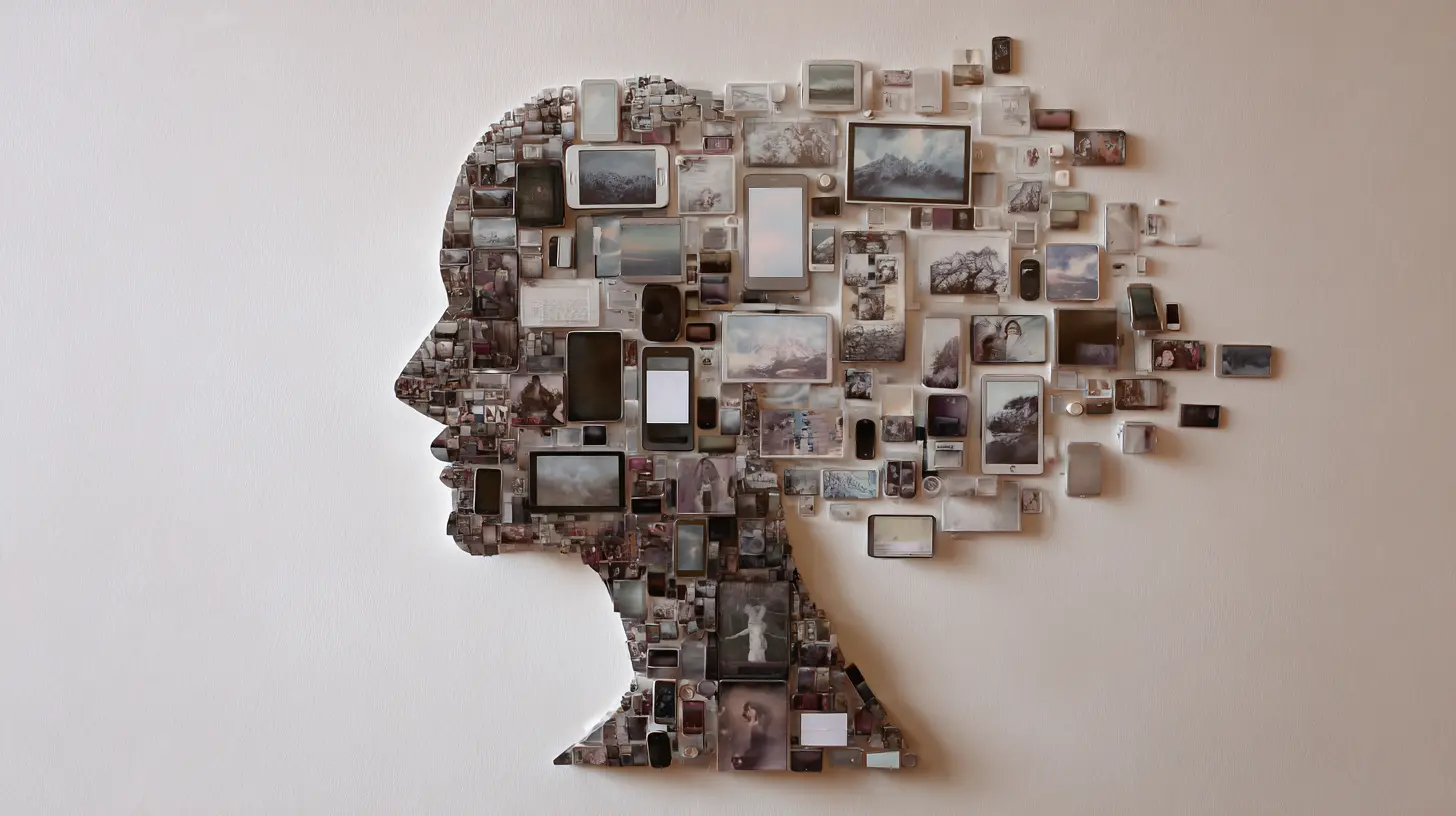
There is a paradox at the heart of social media. We have never been more connected in a technical sense, and never more lonely in an emotional sense. The platforms give us the illusion of intimacy without the substance of it. We know what our friends ate for lunch, but we do not know how they are really doing. We know their opinions on politics, but not their fears. We know their faces, but not their hearts.This is because social media communication is asynchronous and decontextualized. You see a post, but you do not see the face, the tone, the body language, the pause before the words. You cannot reach out and touch someone. You cannot sit in silence together. You cannot share a moment that is not documented. You can only exchange text, images, and emojis.
The problem is that the brain does not fully distinguish between real interaction and simulated interaction. When you receive a like, you feel a small hit of social reward. When you send a message, you feel connected. But these feelings are shallow. They do not build the kind of attachment that protects against stress, loneliness, and depression. They are the fast food of social connection. They fill you up briefly, but they do not nourish you.
The consequence is a population that is more connected than ever, but also more isolated. People report having fewer close friends than previous generations. They report feeling lonely even when they are constantly in touch with others. This is not a coincidence. It is a direct result of substituting shallow interactions for deep ones.
The fix is not to delete social media. It is to use it as a supplement, not a substitute. Use it to arrange real meetings. Use it to share photos with family. Use it to find communities of people with shared interests. But do not use it as your primary source of social connection. That role must be played by actual presence. Real conversations, real eye contact, real shared experiences. Nothing else works.
The Feedback Loop of Confirmation Bias and Polarization
Another silent impact is on the way we form beliefs. Social media is not a neutral platform for information. It is a system that rewards engagement, and engagement is highest when people are angry, scared, or self-righteous. The algorithm does not care if you are correct. It cares if you click. And the easiest way to make you click is to show you something that confirms what you already believe and angers you about those who do not.This creates an echo chamber. You are shown content that aligns with your existing views. You are shown content that makes the other side look stupid or evil. Over time, your views become more extreme, not because you have thought about them more, but because you have been reinforced. You start to see the world in black and white. You start to see people who disagree with you as enemies, not as fellow humans with different experiences.
This is not just a political problem. It affects every area of life. It affects how you think about health, parenting, work, relationships. It affects how you perceive your own life. If your feed is full of people who are always succeeding, you feel like a failure. If your feed is full of people who are always complaining, you feel like the world is falling apart. The feed becomes your reality, and the feed is not real.
The best practice here is to deliberately seek out perspectives you disagree with. Not to argue with them, but to understand them. Read articles from sources you normally avoid. Follow people who challenge your assumptions. This is uncomfortable, but it is necessary. It is the mental equivalent of eating vegetables. It is not as pleasurable as candy, but it keeps you healthy.
You should also be aware of the emotional state you are in when you consume content. If you are angry, you are not thinking clearly. If you are scared, you are easily manipulated. The algorithm knows this. It feeds you content that keeps you in a state of arousal. The best defense is to check your emotions before you check your feed. If you are feeling strong emotions, wait. Do not engage. The post will still be there in an hour.
The Loss of Boredom and the Death of Daydreaming
One of the most overlooked costs of social media is the loss of boredom. Boredom is not a problem to be solved. It is a state of mind that allows for creativity, reflection, and self-awareness. When you are bored, your mind wanders. It makes connections. It solves problems in the background. It processes emotions that you have been ignoring.Social media eliminates boredom. There is always something to look at, always something to do. You never have to sit with your own thoughts. This sounds like a benefit, but it is a cost. The ability to be alone with your mind is essential for mental health. It is how you figure out what you actually think and feel, as opposed to what you are told to think and feel.
The loss of daydreaming is particularly concerning. Daydreaming is not a waste of time. It is a form of mental rehearsal. It is how you imagine possibilities, plan for the future, and make sense of the past. When you fill every idle moment with content, you lose this capacity. You become reactive instead of proactive. You respond to the world instead of shaping it.
The practical advice is simple but hard to follow. Build boredom into your day. Leave your phone in another room when you go for a walk. Stand in line without checking anything. Sit in silence for a few minutes before you go to sleep. It will feel uncomfortable at first. That is the point. The discomfort is your brain re-learning how to be alone with itself. Give it time. It will come back.
What Actually Works: A Realistic Approach
There is no one-size-fits-all solution to the impact of social media. Some people do well with complete abstinence. Others need to use the platforms for work or relationships. The key is not to find the perfect system, but to become aware of how the platforms affect you personally.Start with a simple audit. For a week, track how you feel after using each platform. Do you feel energized or drained? Informed or confused? Connected or lonely? Write it down. You will quickly see patterns. The app that makes you feel bad is not good for you, no matter how useful it is.
Then, make small changes. Turn off notifications. They are designed to interrupt you, not to inform you. Set specific times for checking social media, and stick to them. Do not check in the first hour after waking up. Do not check in the last hour before sleeping. These are the times when your mind is most vulnerable to external influence.
Consider the 20-20-20 rule. For every 20 minutes of scrolling, take 20 seconds to look at something 20 feet away. This is not just for your eyes. It is for your mind. It breaks the loop. It gives your brain a moment to reset.
And most importantly, cultivate a life that is full enough that social media becomes a supplement, not a necessity. This means having real hobbies. Real friendships where you show up in person. Real goals that take months of sustained effort. The more full your life is, the less power social media has over you. It becomes a tool, not a master.
The Long View
The impact of social media on our minds is not a fad. It is not something that will pass. It is a fundamental change in the environment of human thought. We are only beginning to understand its effects. The first generation to grow up with social media is still young. We do not yet know what the long-term consequences will be.But we do know that the mind is adaptable. It can recover. It can learn new patterns. It can build new habits. The brain is plastic. The damage is not permanent. The question is not whether we can undo the effects. It is whether we will choose to.
The choice is not between using social media and not using it. The choice is between being aware and being asleep. Between using the tool and being used by it. Between living a life that is curated for others and living a life that is real for yourself.
The silence of the impact is its greatest weapon. It happens slowly, quietly, without announcement. But you can break the silence. You can pay attention. You can notice what is happening to your mind. And when you notice, you can choose differently.
That is the first step. The rest is practice.
all images in this post were generated using AI tools
Category:
Mental WellbeingAuthor:

Paulina Sanders
Discussion
rate this article
1 comments
Jaxon Middleton
This article beautifully highlights how social media shapes our thoughts and feelings, often in ways we don't realize. It's a great reminder to be mindful of our online habits. Let's use these platforms to uplift each other and foster positive connections. Thanks for this insightful read!
August 31, 2026 at 4:39 AM
Paulina Sanders
Thank you for your thoughtful comment! I'm glad the article resonated with you. It's crucial to stay mindful as we navigate these platforms. Let's keep the conversation going!