The Silent Suffering of Emotional Abuse
6 September 2026
When we think of abuse, our minds often jump to physical violence—obvious, dramatic, and undeniable. But what about the scars you can't see? Emotional abuse is insidious, creeping into your mind and heart, sometimes without you even realizing it's happening. It's the kind of abuse that leaves no bruises, but the damage it does can be just as devastating, if not more so. Today, we're diving into the world of emotional abuse—a silent suffering that millions endure daily without even knowing they're being mistreated.
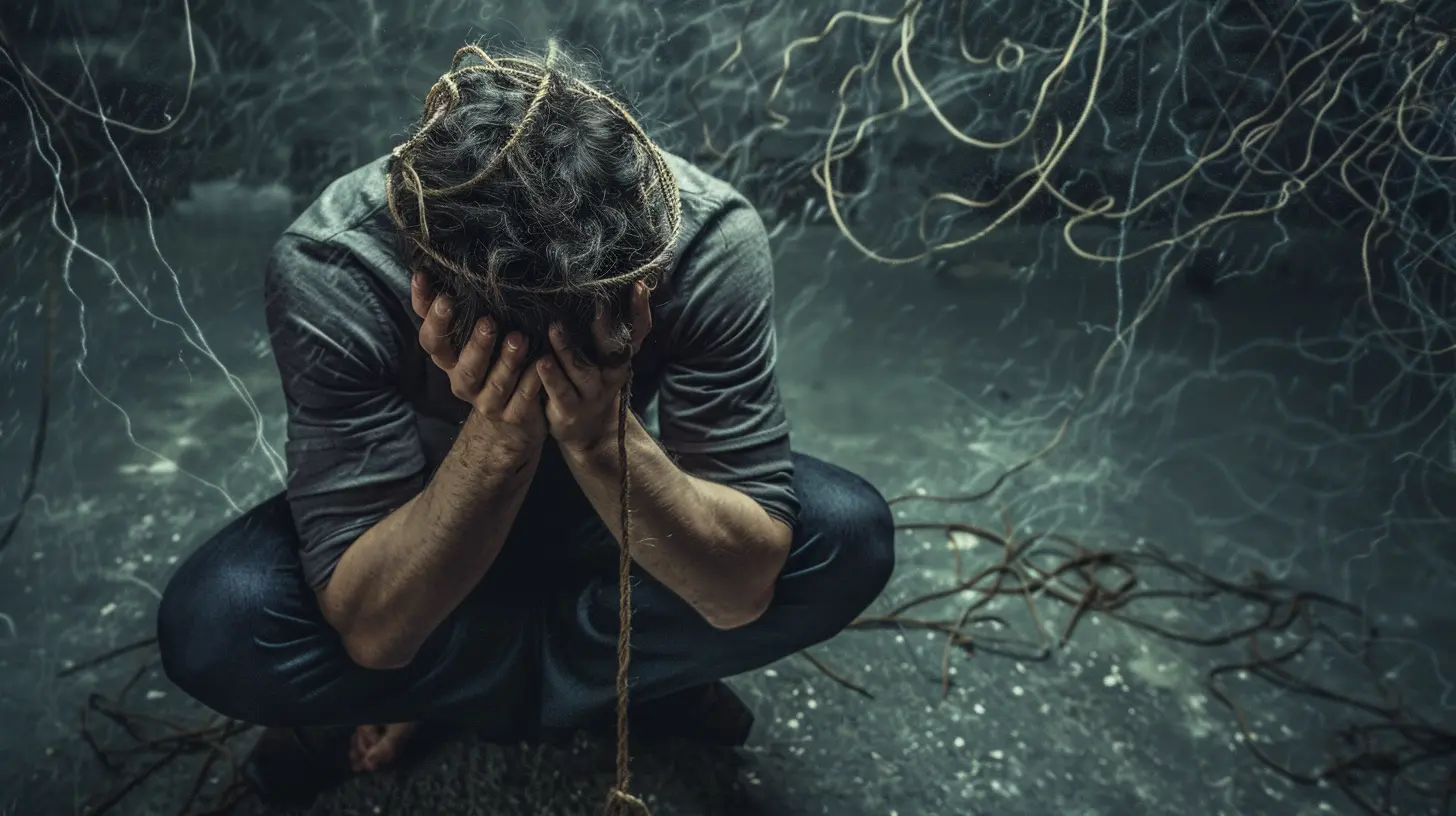
What is Emotional Abuse?
Emotional abuse is a form of manipulation and control, often carried out by someone close to you—a partner, a family member, or even a friend. It's characterized by behaviors that belittle, demean, and degrade the victim, chipping away at their self-esteem and sense of worth. Unlike physical abuse, there are no visible signs, which makes it more difficult for others to recognize and for the victim to identify.Common Forms of Emotional Abuse
Emotional abuse can take on many forms, and often, it's subtle. You might not even realize it's happening until you're deep in the thick of it. Here are some of the most common forms:- Gaslighting: This is when someone makes you question your reality. They might deny things they said or did, making you feel "crazy" for remembering events a certain way. Over time, you start to doubt your own memory and judgment.
- Verbal Attacks: Constant criticism, insults, or harsh language designed to tear down your self-esteem. These are not just off-the-cuff remarks—they're systematic, relentless, and often masked as "honesty" or "tough love."
- Isolation: The abuser might cut you off from friends and family, slowly isolating you from your support system. They may not do this overtly but through subtle suggestions like, "I don't think your friend is good for you," or, "Why don't you stay home with me instead?"
- Emotional Blackmail: This involves manipulating your emotions to get what they want. "If you loved me, you would do this," or "I'll hurt myself if you leave me" are common phrases used in emotional blackmail.
- Control and Domination: The abuser might try to control your finances, your schedule, or even your appearance. They make you feel like you're incapable of making decisions on your own.

Why Emotional Abuse is So Hard to Recognize
The tricky thing about emotional abuse is that it's often invisible. There are no outward signs like bruises or broken bones. And because it's subtle, it's easy to brush off as "just a bad day" or "they're just in a mood." The abuser might have moments where they seem loving and kind, which can make their abusive behavior even more confusing.Emotional abusers are often skilled manipulators. They know how to twist words, make you doubt yourself, and keep you feeling off balance. By the time you realize something is wrong, the damage might already be done. You may feel trapped, isolated, and unsure of where to turn.
The Psychological Toll of Emotional Abuse
The impact of emotional abuse can be profound. Since the abuse is often subtle and prolonged, it can slowly eat away at your mental health. Many victims experience:- Anxiety and Depression: Constant criticism and manipulation can make you feel like you're walking on eggshells. Over time, this stress can lead to anxiety, depression, and even panic attacks.
- Low Self-Esteem: When you're repeatedly told that you're not good enough, you start to believe it. Your self-worth can plummet, leaving you feeling worthless and undeserving of love.
- Confusion and Self-Doubt: Gaslighting and manipulation can make you question your own reality. You may feel confused about what’s real and what’s not, leading to a deep sense of self-doubt.
- Emotional Numbness: After enduring emotional abuse for a long time, some people shut down emotionally. They may become detached from their feelings as a way to protect themselves from further pain.
The Cycle of Emotional Abuse
Emotional abuse often follows a predictable pattern, similar to the cycle of physical abuse. This cycle typically includes:1. Tension Building: The abuser becomes increasingly irritable or distant. You may feel like you're walking on eggshells, trying to avoid setting them off.
2. The Incident: The abuser lashes out—whether through verbal attacks, manipulation, or emotional blackmail. This is when the actual abuse occurs.
3. Reconciliation: After the abuse, the abuser may apologize, make excuses, or even deny that the incident happened. They might promise to change or act loving and kind, making you believe that things will get better.
4. Calm: For a while, things seem to return to normal. The abuser may be on their best behavior, and you might start to believe that the abuse is over. But soon, the tension starts to build again, and the cycle repeats.
This cycle is one of the reasons why it's so hard to break free from emotional abuse. The periods of reconciliation and calm can give you hope that things will change, making it even more difficult to leave the relationship.

Why Victims Stay
One of the most common questions people ask is, "Why don't they just leave?" But the answer is more complicated than it seems. There are many reasons why victims of emotional abuse stay in these toxic relationships:- Fear: The abuser may have convinced the victim that they can't survive without them, or they may have threatened them if they try to leave.
- Love: Despite the abuse, the victim may still love the abuser. Abusers are often charming and loving when they’re not being abusive, which can make it difficult to leave.
- Low Self-Esteem: After enduring emotional abuse, many victims feel worthless. They may believe that they don't deserve better or that no one else will love them.
- Hope for Change: Emotional abusers often promise to change, and victims may hold onto the hope that things will get better.
- Isolation: Abusers often isolate their victims from friends and family, making it harder to reach out for help or leave the relationship.
The Long-Term Effects of Emotional Abuse
The effects of emotional abuse can linger long after the relationship has ended. Some of the long-term consequences include:- Trust Issues: After being manipulated and lied to, it can be difficult to trust others. Victims of emotional abuse may struggle with forming new relationships or trusting their own judgment.
- PTSD: Some victims of emotional abuse develop post-traumatic stress disorder (PTSD), experiencing flashbacks, nightmares, and severe anxiety related to their past experiences.
- Difficulty Setting Boundaries: After enduring emotional abuse, victims may struggle with setting healthy boundaries in future relationships. They may fear confrontation or feel guilty for asserting their needs.
- Emotional Numbness: Long-term emotional abuse can lead to feelings of numbness or detachment from emotions. Some victims may struggle to reconnect with their emotions even after the abuse has ended.
How to Heal From Emotional Abuse
Healing from emotional abuse takes time, but it's possible. If you've experienced emotional abuse, here are some steps you can take to start your healing journey:1. Acknowledge the Abuse
The first step in healing is recognizing that what you've experienced is abuse. This can be difficult, especially if the abuse was subtle or if you've been gaslighted into doubting your own reality. But acknowledging that you've been mistreated is the first step toward recovery.2. Seek Support
You don't have to go through this alone. Reach out to friends, family, or a therapist who can offer support and guidance. A professional therapist can help you process your emotions, rebuild your self-esteem, and work through any lingering trauma.3. Establish Boundaries
If you're still in contact with the abuser, it's essential to set firm boundaries. This might mean limiting or cutting off communication altogether. Boundaries are crucial for protecting yourself from further harm and reclaiming your sense of control.4. Practice Self-Compassion
It's easy to blame yourself for the abuse or feel like you should have done something differently. But remember, the abuse is not your fault. Practice self-compassion and be kind to yourself as you heal.5. Rebuild Your Self-Worth
Emotional abuse can shatter your self-esteem, but you are worthy of love and respect. Take small steps to rebuild your sense of self-worth, whether that means engaging in self-care, pursuing hobbies you enjoy, or surrounding yourself with supportive people.Final Thoughts: You Deserve Better
Emotional abuse is a silent form of suffering, but that doesn’t mean it’s any less real. If you’re experiencing emotional abuse, know that you’re not alone—and more importantly, you don’t have to stay in that situation. You deserve to be treated with kindness, respect, and love. Healing is possible, and there’s a life beyond the pain.If you or someone you know is in an emotionally abusive relationship, reach out for help. Support from friends, family, and professionals can make all the difference. Remember, you are worthy of love and respect, just as you are.
all images in this post were generated using AI tools
Category:
Emotional TraumaAuthor:

Paulina Sanders
Discussion
rate this article
1 comments
Vincent McGrady
Oh great, another deep dive into emotional abuse. Because who doesn't love a good read about suffering in silence? Just what we needed to brighten our day... pass the popcorn, right?
September 18, 2026 at 3:13 AM