Trauma in the Digital Age: The Effects of Online Harassment
4 April 2026
The internet has transformed the way we connect, express ourselves, and even seek support. But with this digital evolution comes a dark side—online harassment. The hateful comments, cyberbullying, doxxing, and other forms of digital abuse can leave lasting psychological damage. Unlike traditional bullying, online harassment follows you everywhere, living in your pocket and invading your personal space at all hours.
So, what does this mean for mental health? How does online harassment impact a person’s emotional well-being? More importantly, how can we protect ourselves from the long-term effects of digital trauma? Let’s break it down.

What is Online Harassment?
Online harassment is any aggressive, threatening, or harmful behavior conducted over digital platforms. This can take many forms, including:- Cyberbullying – Persistent insults, mockery, or public shaming
- Doxxing – Exposing someone’s private information without their consent
- Trolling – Intentionally provoking or inciting conflict
- Cyberstalking – Repeated and unwanted online attention that instills fear
- Hate Speech – Targeted attacks based on race, gender, religion, or other identity factors
Unlike traditional bullying, which is often confined to specific places (school, work, etc.), online harassment is relentless. There's no escape—it follows you in texts, emails, and social media notifications, making the trauma even more intense.
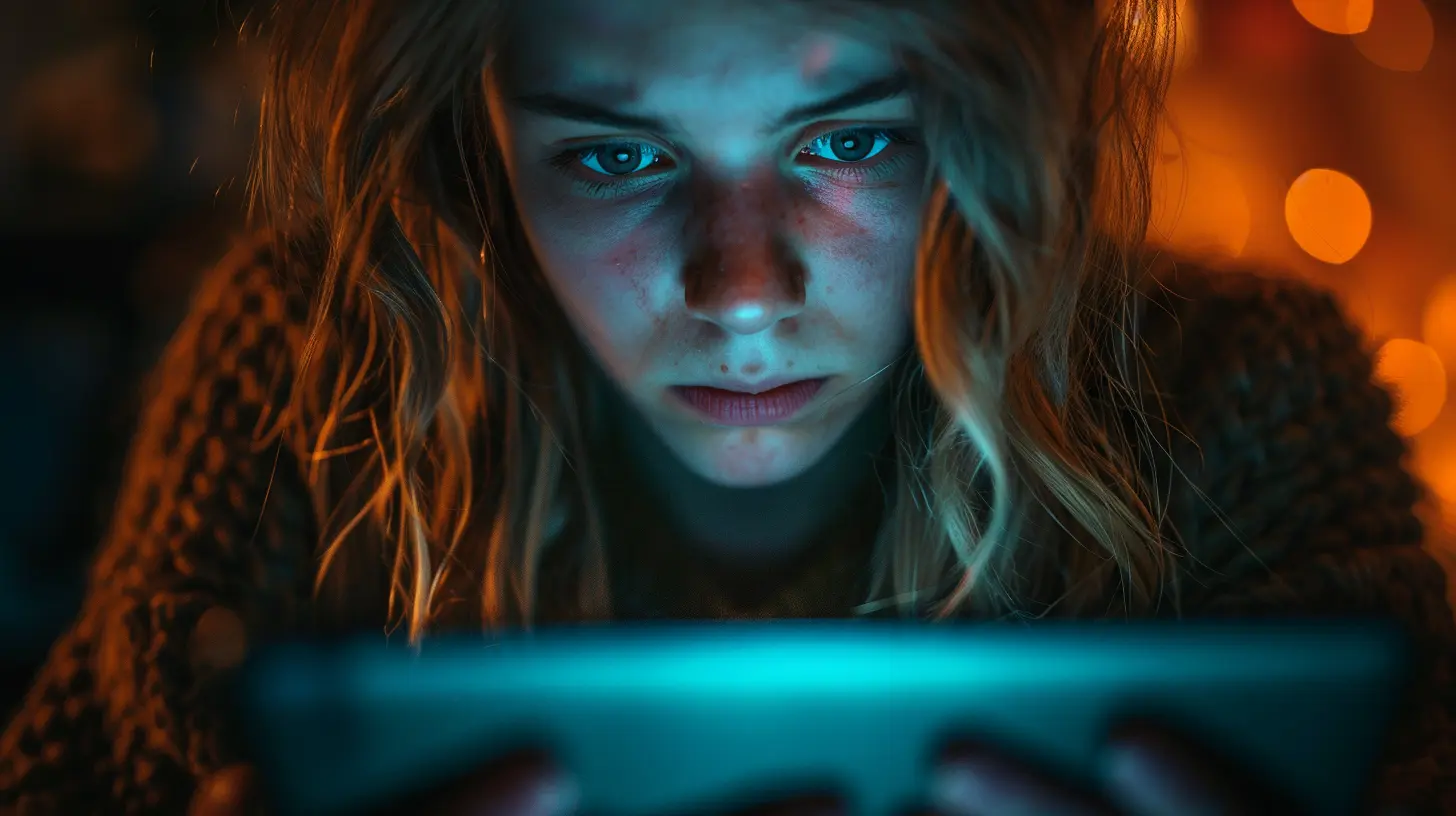
The Psychological Impact of Online Harassment
1. Increased Anxiety and Stress
Imagine being constantly on edge, afraid to open your phone or check your messages. Online harassment creates a state of hyper-awareness, where victims feel like they are always under attack. This heightened stress response can lead to insomnia, panic attacks, and chronic anxiety.2. Depression and Feelings of Hopelessness
When someone is consistently harassed online, it chips away at their self-esteem. They may start believing the cruel words being thrown at them. This can lead to deep sadness, isolation, and even suicidal thoughts. Studies show that those who experience cyberbullying are at a higher risk for depression than those who face in-person bullying.3. Post-Traumatic Stress Disorder (PTSD)
Yes, online harassment can cause PTSD. Repeated exposure to threats, humiliation, or stalking can trigger symptoms similar to those seen in survivors of physical abuse or war. Flashbacks, nightmares, and extreme emotional distress can linger long after the harassment has stopped.4. Loss of Trust and Social Withdrawal
Victims of online harassment often lose trust in people, fearing that anyone could turn against them. They might withdraw from social media, lose friendships, or even disconnect from real-life relationships to avoid further attacks. In extreme cases, some people quit their jobs or move to a new city just to escape their harassers.5. Physical Health Issues
The emotional toll of online harassment doesn’t just stay in the mind—it affects the body too. Chronic stress weakens the immune system, disrupts sleep, and increases the risk of heart disease, weight gain, and other health problems. Some victims develop stress-related conditions like migraines, digestive issues, or high blood pressure.
Why is Online Harassment So Damaging?
24/7 Accessibility
Unlike traditional bullying, which typically stops once you leave school or work, online harassment has no boundaries. It follows you home, popping up in notifications, emails, and messages, offering no safe space to escape.Anonymity Empowers Abusers
The internet gives people the courage to say things they would never say in person. Hidden behind screens, harassers feel emboldened to attack others without facing real-world consequences. This makes online abuse even more severe and relentless.Public Humiliation and Virality
A single hateful post can be shared, liked, and commented on by thousands of people within minutes. Victims of online harassment often experience widespread humiliation, making it even harder to recover mentally and emotionally.Difficulty in Seeking Justice
Unlike physical bullying, where you can clearly identify and report the aggressor, online harassment is trickier to deal with. Reporting online abuse to social media platforms or law enforcement often leads to little or no action, leaving victims feeling powerless.
Coping with Online Harassment
So, what can you do if you're experiencing online harassment? While there’s no one-size-fits-all solution, here are some practical steps to help protect your mental health:1. Limit Your Online Exposure
If you're being harassed, temporarily stepping away from social media can be a necessary mental health break. Turn off notifications, block harassers, and avoid reading hateful comments.2. Strengthen Your Digital Security
- Use strong passwords and enable two-factor authentication.- Adjust your privacy settings to control who can contact or see your information.
- Be careful about sharing personal details online.
3. Document Everything
Keeping records of online abuse (screenshots, messages, timestamps) can be useful if legal action is required. Many social media platforms also allow you to report abusive behavior.4. Seek Support
Talk to someone you trust—whether it’s friends, family, a therapist, or an online support group. You don’t have to face this alone. Opening up about your experience can help ease emotional distress.5. Engage in Self-Care
Counteract stress by prioritizing your well-being. Exercise, meditate, journal, or do something creative to shift your focus away from negativity. Taking control of your emotional health is key in healing from harassment.How Can We Prevent Online Harassment?
Holding Platforms Accountable
Social media companies need to take responsibility for protecting users. Stronger policies, better reporting systems, and quicker action against abusers can make the digital space safer for everyone.Raising Awareness
The more we talk about the dangers of online harassment, the better equipped people will be to recognize and stop abusive behavior. Teaching digital empathy and responsible online behavior should start early, especially for young internet users.Encouraging Bystander Intervention
If you see someone being harassed online, speak up. Offering support, reporting abuse, or simply standing by the victim can make a huge difference in their recovery process. Silence enables abusers—action stops them.
Final Thoughts
Online harassment isn’t just “words on a screen”—it has real and lasting effects on mental health. The digital world should be a space for connection, not cruelty. While we can’t completely eliminate online harassment overnight, we can take steps to protect ourselves and others.If you or someone you know is struggling due to online abuse, seek help. You are not alone, and healing is possible.
all images in this post were generated using AI tools
Category:
Emotional TraumaAuthor:

Paulina Sanders
Discussion
rate this article
2 comments
Quillan Hill
Online harassment can leave deep psychological scars. It's crucial to recognize these impacts and foster a supportive digital environment. Addressing this issue is not just essential; it's our collective responsibility to protect mental health.
July 10, 2026 at 3:17 PM
Paulina Sanders
Absolutely. Acknowledging the psychological toll of online harassment is vital. We need to create spaces where support and understanding thrive. It's a shared duty to protect mental health in our digital interactions.
Avianna Rivera
Ah, the digital age—where ‘troll’ isn’t just a mythical creature under a bridge! Who knew that navigating online spaces could feel like a game of emotional whack-a-mole? Let’s arm ourselves with kindness and memes, because laughter is the best shield against those keyboard warriors. Stay strong, internet pals!
April 9, 2026 at 2:52 PM
Paulina Sanders
Absolutely! Humor and kindness are powerful tools in this digital landscape. We need to support each other through these challenges.