Understanding Childhood Fears: A Psychological Approach
27 April 2026
Childhood is a magical period filled with growth, discovery, and imagination. But let’s be real—it can also be filled with a fair bit of fear. Monsters under the bed, thunder booming across the sky, the terrifying idea of getting lost in a crowd... sound familiar? Whether you're a parent, teacher, or just someone interested in child psychology, it helps to understand where these fears come from, why they’re normal (yes, they usually are!), and how best to support a child through them.
In this blog post, we’re diving deep into the fascinating world of childhood fears from a psychological perspective. We’ll break it down in easy-to-digest terms, offer practical insights, and leave you more equipped to deal with those tearful nights and worried little brows.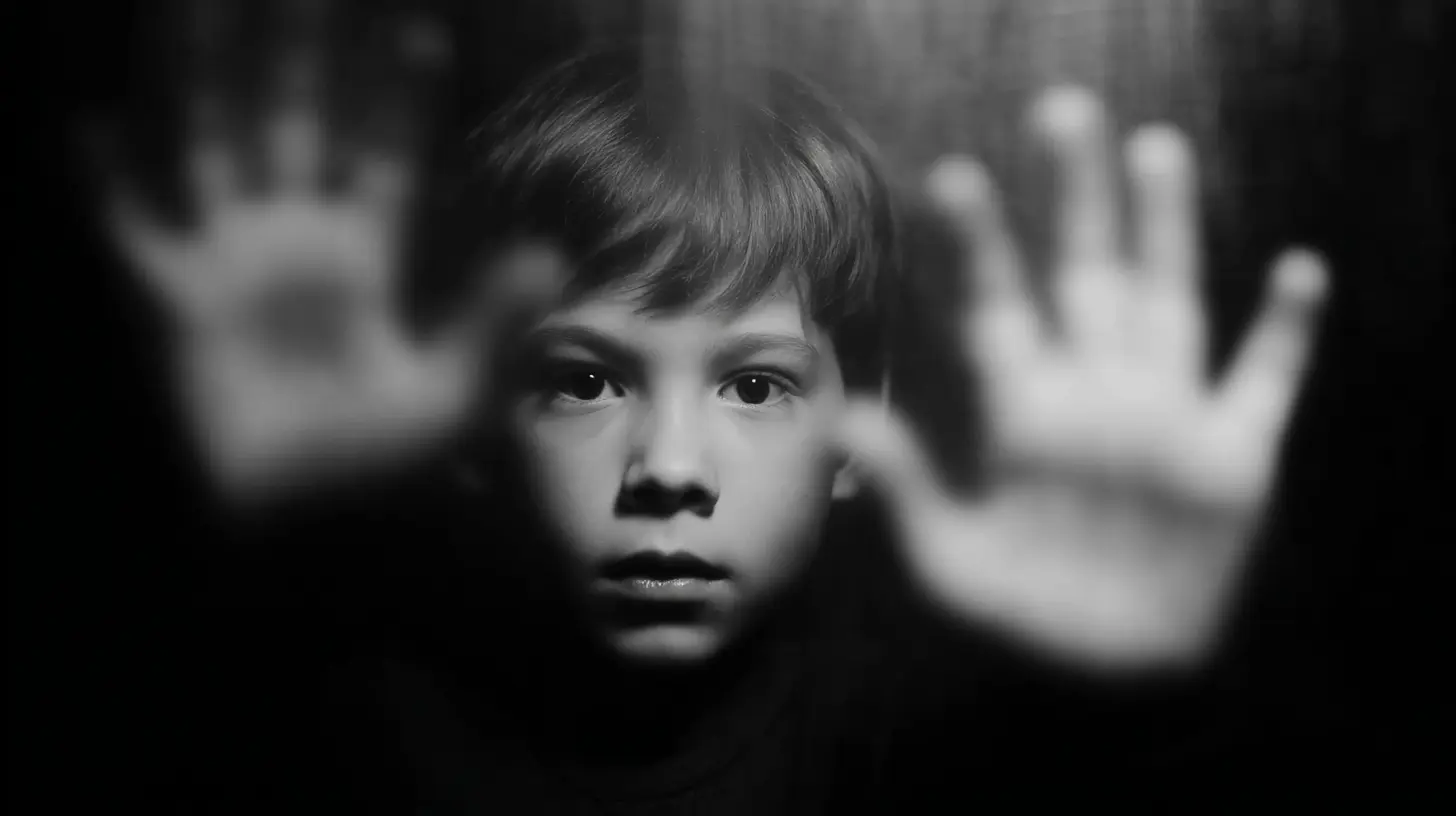
Table of Contents
1. What Are Childhood Fears?2. Why Children Fear More Than Adults
3. Common Types of Childhood Fears by Age
4. Psychological Theories Behind Childhood Fears
5. How Fears Evolve with Development
6. When Fear Becomes a Problem
7. Tips for Helping Children Manage Fears
8. When to Seek Professional Help
9. Final Thoughts
What Are Childhood Fears?
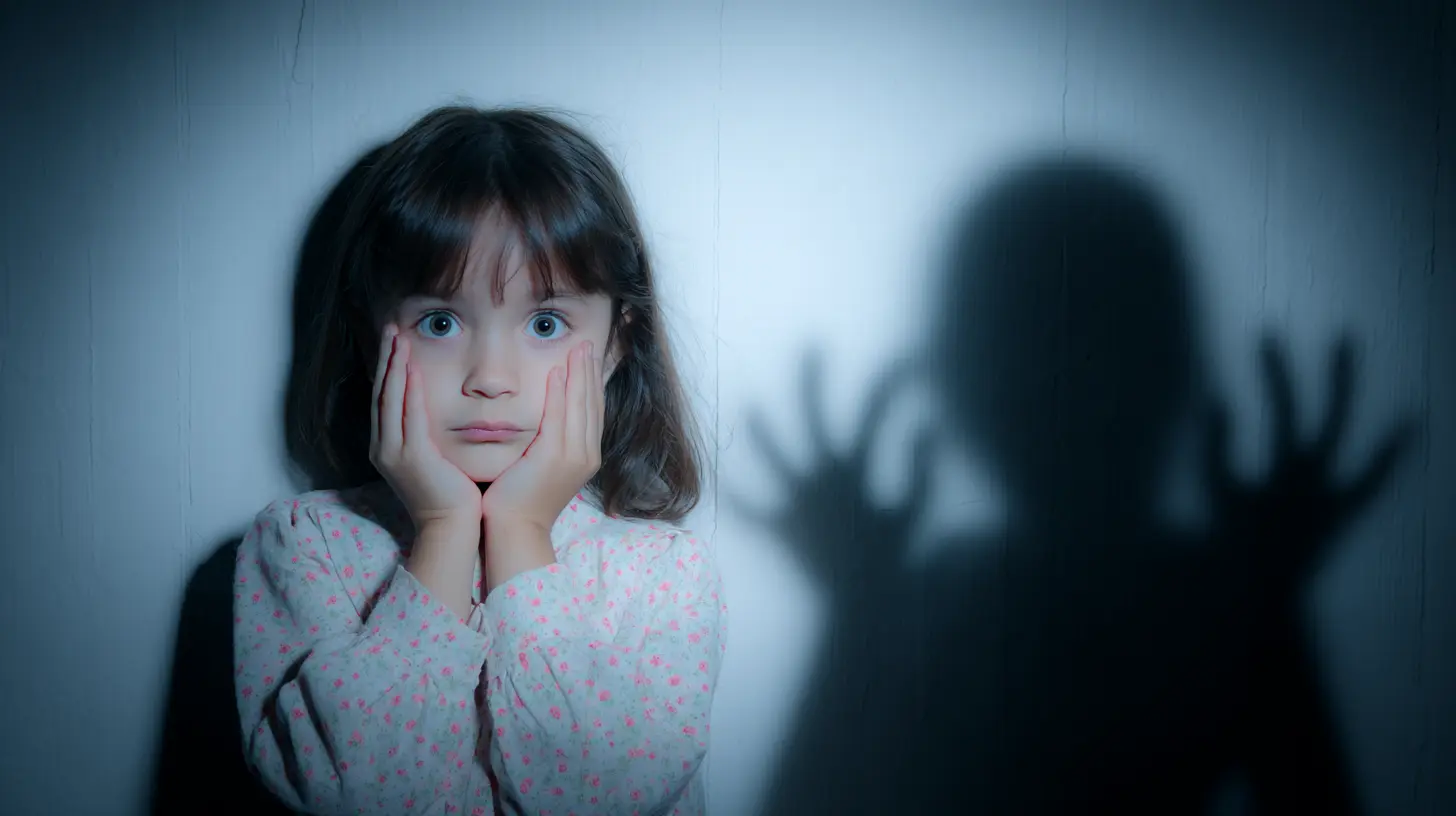
Let’s start with the basics. Childhood fears are emotional responses to things that children perceive as threatening—even if those things aren’t actually dangerous. Unlike adults, kids don't always have the tools (yet) to separate real threats from imagined ones. Their minds are full of curiosity, wonder... and let’s face it, a few gremlins.It’s totally natural for kids to be scared of things like the dark, strangers, or getting a shot at the doctor’s office. A fear, in this context, is different from a phobia—it’s usually brief, linked to a developmental stage, and often fades over time.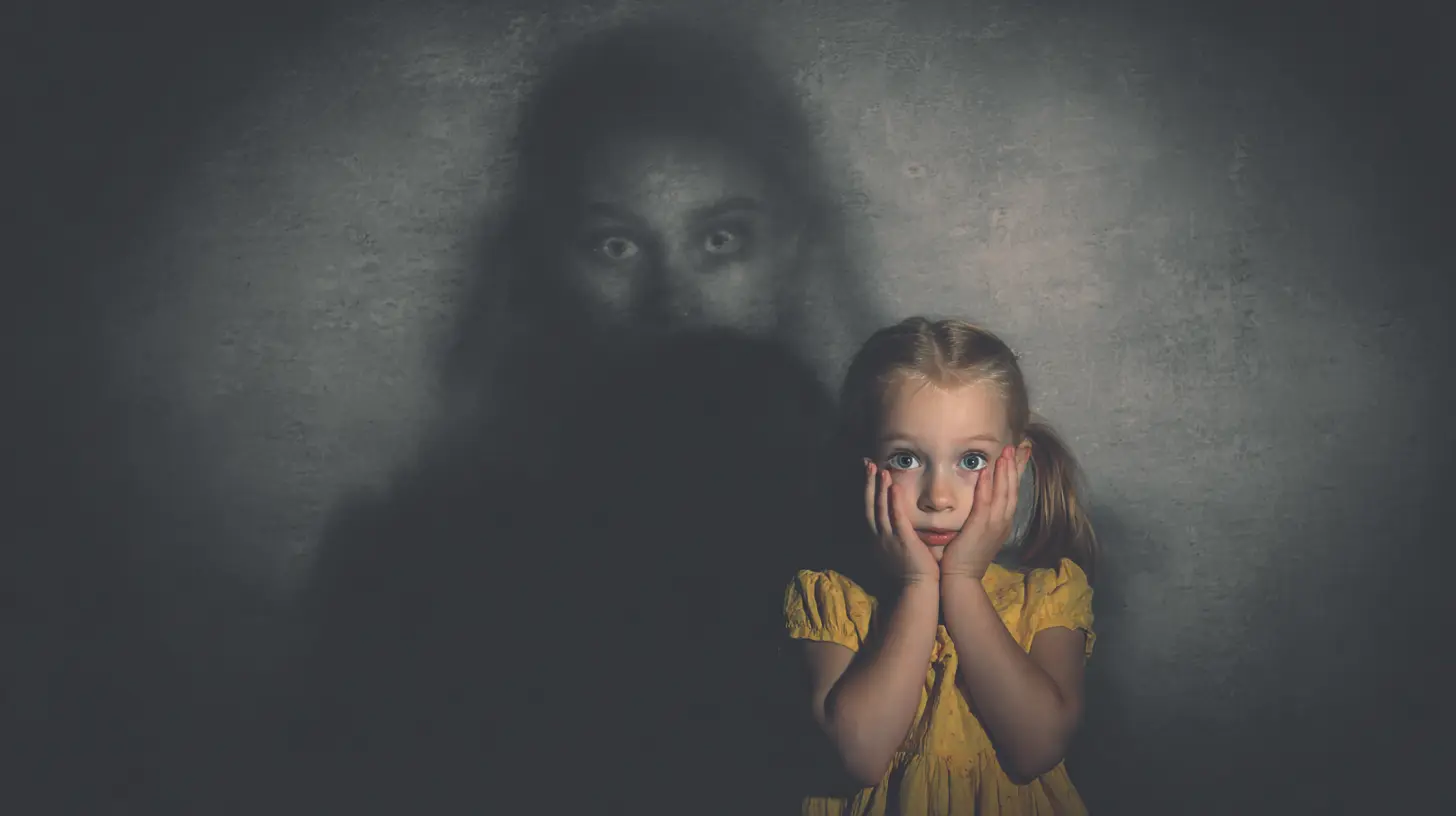
Why Children Fear More Than Adults
You might be wondering, “Why does my kid lose it every time I close the closet door?” Great question. Children are more susceptible to fear for a few key reasons:- Limited life experience: Kids haven’t seen much of the world, so many things are new—and unknown equals scary.
- Imaginative minds: While imagination is wonderful, it can also turn a harmless shadow into a terrifying ghost.
- Developing brains: The parts of the brain responsible for regulating fear, like the amygdala and prefrontal cortex, are still under construction.
- Lack of coping skills: Adults have built up a toolbox of coping mechanisms. Kids? Not so much—yet.
Their world is still being built. And sometimes, the unknown parts cause anxiety.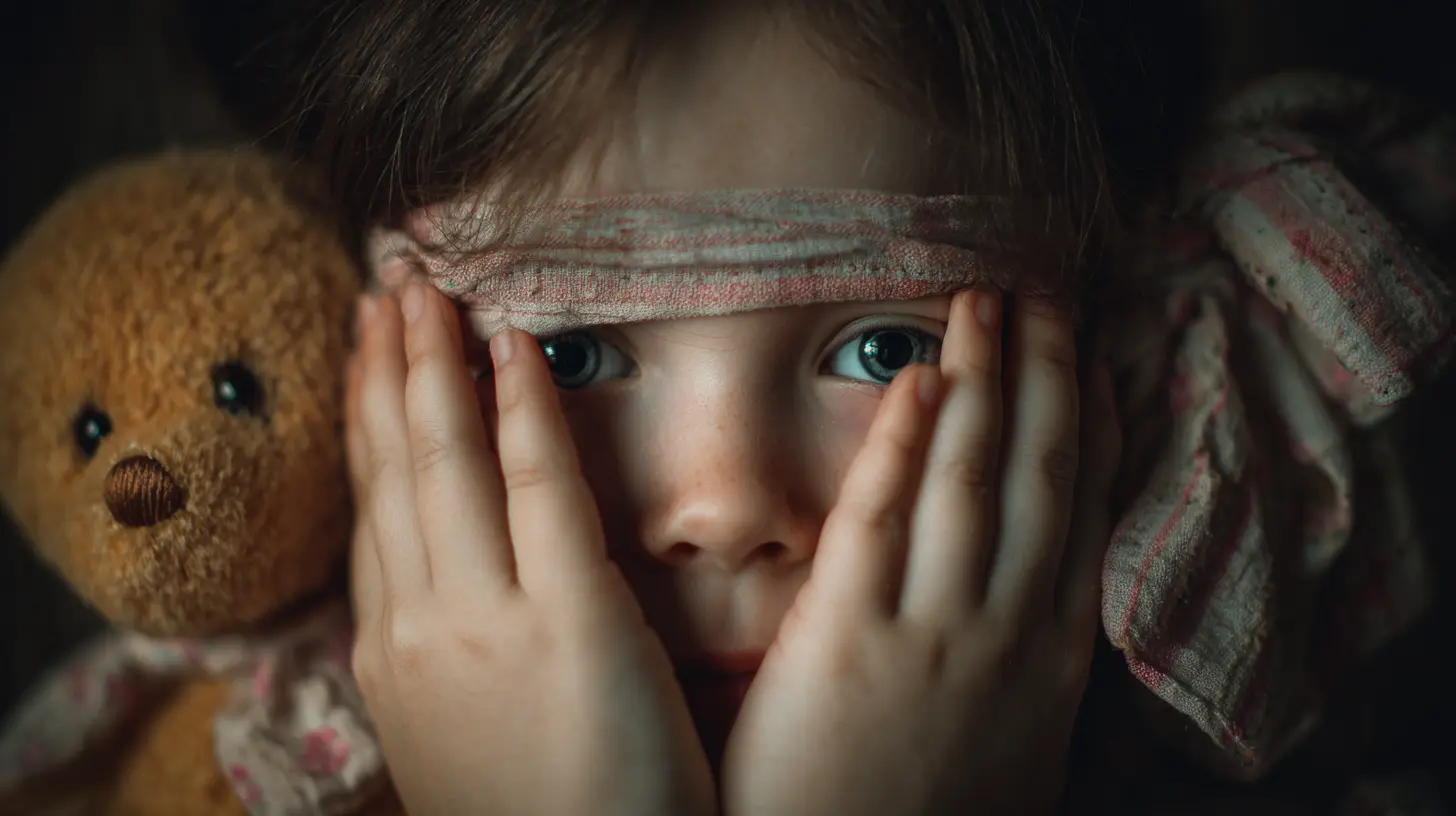
Common Types of Childhood Fears by Age
Believe it or not, childhood fears tend to follow a pattern. Let’s break it down by age group:Infants (0–1 Year)
- Loud noises- Sudden movements
- Separation from parents (aka, separation anxiety)
- Strangers
Toddlers (1–3 Years)
- The dark- Masks or costumes
- Thunderstorms
- Toilets (seriously, they can look scary when you’re tiny!)
Preschoolers (3–5 Years)
- Monsters under the bed- Animals (especially dogs or bugs)
- Imaginary creatures
- Being alone
School-Aged Children (6–12 Years)
- Getting injured- Natural disasters
- Performance anxiety (tests, speaking in class)
- Social rejection
Teens (13–18 Years)
- Peer acceptance- Failure
- Future uncertainty
- Identity and self-worth
As children grow, their fears gradually shift from physically-based threats to more abstract or social concerns.
Psychological Theories Behind Childhood Fears
Okay, time to put on our psych hats! Let’s look at a few psychological approaches that explain why children experience fear.1. Behavioral Theory
According to behaviorists like Watson and Skinner, fears are learned. That’s right—kids can pick up fears simply from observing others. Imagine a toddler watching their mom scream at a spider. Bam! That kid just took notes.2. Cognitive Development Theory
Jean Piaget's stages of cognitive development give us insight here. Young children in the preoperational stage (ages 2–7) don’t fully understand cause and effect. This makes them more likely to be afraid of imaginary dangers—they literally can't separate fantasy from reality yet.3. Evolutionary Perspective
From a survival standpoint, fear is adaptive. Our ancestors who feared snakes or heights were more likely to survive and pass on their genes. Children may have inherited these “built-in” alerts.4. Attachment Theory
Bowlby’s attachment theory suggests that children look to caregivers as a source of security. When that bond is threatened or disrupted, it can give rise to fear and anxiety.How Fears Evolve with Development
It’s helpful to understand that fears usually change as kids grow. A toddler might howl at a vacuum cleaner, while a 10-year-old may fear failure at school.Why this shift? Cognitive growth. As a child’s brain matures, they start to grasp concepts like death, judgment, and social status. Their fears become less about tangible things and more about emotional or existential worries.
So if your eight-year-old suddenly worries about being “not good enough,” don’t panic—it might be their way of processing new social realities.
When Fear Becomes a Problem
While most childhood fears are normal and harmless, some can become problematic. So how do you know if a fear has crossed the line?Here are some red flags:
- The fear lasts longer than 6 months
- It interferes with daily life (school, sleep, friendships)
- Physical symptoms like stomachaches or headaches show up
- Avoidance behavior becomes extreme
These could be signs of an anxiety disorder or a specific phobia.
Pro tip: If you're unsure, trust your gut as a caregiver. You know your child best.
Tips for Helping Children Manage Fears
Let’s get practical. Here are some strategies for helping kids handle their fears without brushing them off or making things worse.1. Validate Their Feelings
Start by saying, “I understand that you’re scared. It’s okay to feel afraid.” Never dismiss a child’s fear with a “That’s silly.” To them, it’s very real.2. Keep Explanations Simple
Use age-appropriate language to explain what’s going on. "That noise is just thunder. It’s like nature clapping its hands!"3. Don’t Force Confrontation
Gradual exposure works better than tossing a scared child straight into the deep end. If they're scared of dogs, start with pictures, then books, then maybe a calm, friendly pup.4. Encourage Coping Skills
Teach breathing exercises, positive self-talk, or even creative outlets like drawing their fear. These tools help kids feel more in control.5. Be A Calm Role Model
Kids watch your reactions like a hawk. Stay calm, composed, and reassuring—even if you're also a little freaked out by that creepy attic.When to Seek Professional Help
Sometimes, fears don’t go away on their own. And that’s okay. It’s not a failure on your part or theirs.You might want to consult a mental health professional if:
- The fear has intensified over time
- It’s causing frequent panic attacks
- Your child is withdrawing from social or academic settings
- You feel overwhelmed and unsure how to help
Therapies like cognitive-behavioral therapy (CBT) can be incredibly effective for managing childhood anxiety and phobias.
Final Thoughts
Childhood fears are like growing pains—almost every kid goes through them, and most come out stronger on the other side. As adults, our job isn’t to eliminate fear (impossible!), but to help kids understand it, name it, and work through it in healthy ways.Remember, fear isn’t the enemy. It’s the mind’s way of saying, “Hey, I’m not ready for this—yet.” With patience, empathy, and a little psychological savvy, we can help children build bravery brick by brick.
So the next time your little one jumps at a thunderstorm or hides from the neighbor’s dog, take a breath, get down to their level, and say, “I get it. Let’s face it together.
all images in this post were generated using AI tools
Category:
ParentingAuthor:

Paulina Sanders
Discussion
rate this article
1 comments
Chelsea Velez
Childhood fears reveal much about our inner worlds. They shape our perceptions and responses, often echoing through adulthood. By understanding these fears, we can uncover the roots of anxiety and foster resilience in both children and ourselves.
May 2, 2026 at 3:13 AM
Paulina Sanders
Absolutely, childhood fears can offer deep insights into our psyche. Exploring them not only helps us understand ourselves better but also equips us to support the next generation more effectively.