Understanding Complex PTSD: A Deeper Look at Trauma
19 July 2026
Trauma is tricky. It’s not something you can always see, and for many, it doesn’t just fade with time. Sometimes, it lingers and morphs into something more complex—something deeper. If you’ve heard of PTSD (Post-Traumatic Stress Disorder), you might think of veterans, victims of violence, or survivors of natural disasters. But there's another form that doesn’t get talked about enough: Complex PTSD, or C-PTSD.
Today, we’re going to peel back the layers of this condition. What exactly is Complex PTSD? How is it different from regular PTSD? And most importantly, how can someone begin to heal from it?
Let’s dive into the heart of it.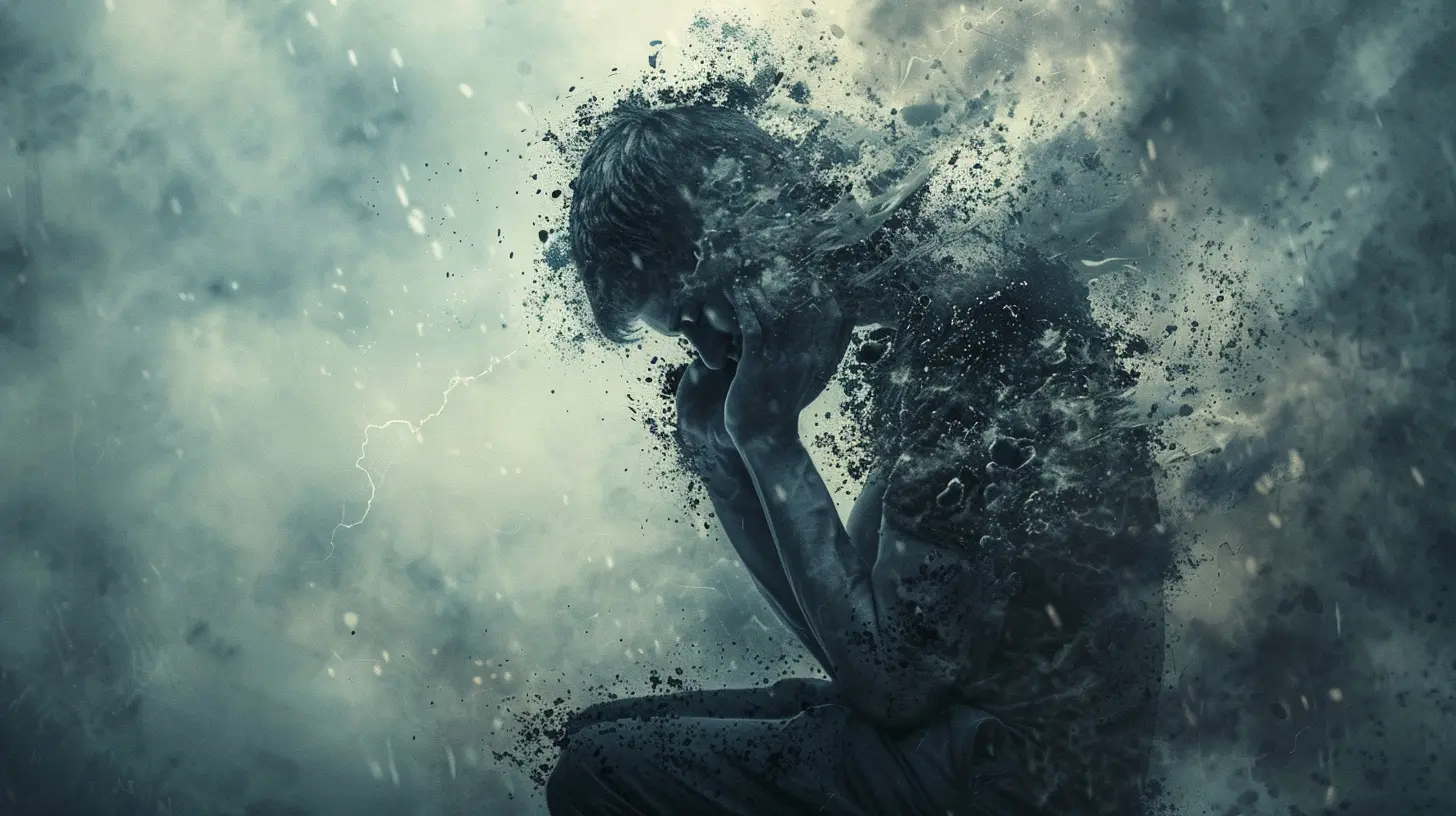
What Is Complex PTSD (C-PTSD)?
First things first—what are we talking about when we say “Complex PTSD”? Simply put, Complex PTSD is the result of prolonged, repeated trauma. Unlike the one-time traumatic events that often cause traditional PTSD, C-PTSD stems from years—sometimes decades—of emotional and psychological wounds.Imagine being trapped in a room where the lights are always flickering and the air is thick. Even if you leave the room, your body remembers that feeling. That’s kind of what living with C-PTSD can feel like.
Common Sources of Complex Trauma
- Childhood Abuse or Neglect: Physical, emotional, or sexual abuse over time can deeply impact development.- Domestic Violence: Ongoing exposure to intimate partner violence can erode a person’s sense of self and safety.
- Human Trafficking or Exploitation: Victims of trafficking often experience long-term abuse and isolation.
- Prisoners of War or Political Captives: These individuals are subjected to extreme, chronic trauma.
- Cult or Religious Abuse: Psychological manipulation over time can result in long-lasting effects.
These types of trauma aren’t just about one moment—they’re like a song that plays on repeat, echoing across the nervous system.
PTSD vs. Complex PTSD: What’s the Difference?
On the surface, PTSD and C-PTSD might look similar. After all, both involve trauma, flashbacks, and intense fear. But when you zoom in, the differences start to pop out.PTSD Symptoms
- Flashbacks and nightmares- Avoidance of trauma-related reminders
- Hypervigilance
- Anxiety and fear
- Emotional numbness
C-PTSD Symptoms
Now take all the PTSD symptoms, and add:- Deep emotional dysregulation (uncontrollable emotional responses)
- Persistent negative self-beliefs—feeling worthless or broken
- Interpersonal difficulties—trouble trusting or maintaining relationships
- Dissociation—feeling detached from your body or reality
- Feelings of deep shame or guilt
In short, PTSD is often about the event. Complex PTSD is about the environment.
The Neuroscience Behind Complex PTSD
Let’s nerd out for a second (but in a cool way, I promise).Our brains are wired to protect us. When something traumatic happens, your brain goes into survival mode—fight, flight, or freeze. The problem with complex trauma? The brain gets stuck in survival mode.
The Amygdala: Always on High Alert
Think of the amygdala like your brain’s smoke detector. In C-PTSD, it’s hyperactive—always scanning for danger, even when there’s none. That’s why people with C-PTSD often feel unsafe, even in safe places.The Hippocampus: Memory Gone Rogue
This little guy helps with memory and context. But trauma can shrink it over time, making it harder to distinguish past from present. That’s part of why flashbacks feel so real.The Prefrontal Cortex: The “Rational” Brain
This is where logic and decision-making live. In those with C-PTSD, it's often underactive, making it tough to regulate emotions, plan ahead, or feel “present.”Put it all together, and your brain becomes a battlefield—reacting instead of responding, constantly scanning for threats that may no longer exist.
Emotional and Behavioral Impact
The emotional toll of C-PTSD isn’t just about anxiety or sadness. It runs deeper.Chronic Shame and Guilt
People with C-PTSD often carry a backpack full of shame. And it’s heavy. They might think, “It was my fault” or “I'm broken.” It's not rational, but it feels real. That self-blame can be crippling.Fear of Intimacy
When your trust has been shattered over and over, it's hard to let people in. Many with C-PTSD struggle with closeness, fearing vulnerability will just lead to more pain.Emotional Flashbacks
These aren't like regular flashbacks where you "see" something traumatic. They're felt. You might suddenly feel terrified, enraged, or worthless, without knowing why. It’s like your emotions are being hijacked.The Physical Symptoms (Yes, Trauma Lives in the Body)
Ever heard the phrase “the body keeps the score”? It’s true.People with C-PTSD might experience:
- Chronic pain
- Headaches and migraines
- Autoimmune issues
- Fatigue
- Gastrointestinal problems
It’s not “all in your head”—your body literally remembers. Trauma can change how your nervous system functions, affecting sleep, digestion, and immune response.
Diagnosing Complex PTSD
Here's the frustrating part: Not every country or clinician even recognizes C-PTSD as a separate diagnosis. In the U.S. for instance, the DSM-5 doesn’t yet list C-PTSD as its own condition—it’s lumped in with PTSD.However, the World Health Organization (WHO) has included C-PTSD in the ICD-11. That’s a big step forward.
Diagnosis typically involves:
- A clinical interview
- Psychosocial history
- Assessment of trauma duration and severity
- Evaluation of emotional and interpersonal symptoms
If you think you have C-PTSD, talk to a mental health professional who has experience with complex trauma. The right person can make a world of difference.
Treatment and Healing: Yes, It’s Possible
Let’s be clear: Healing from Complex PTSD is not a quick fix. But it is absolutely, 100% possible.1. Trauma-Informed Therapy
Traditional talk therapy isn’t enough. You need someone trained specifically in trauma, especially complex trauma.- EMDR (Eye Movement Desensitization and Reprocessing): Helps reprocess traumatic memories by simulating REM sleep patterns.
- Somatic Experiencing: Focuses on the body’s responses to trauma.
- Internal Family Systems (IFS): Helps people work with different “parts” of themselves (think inner child, inner critic, etc.).
- Trauma-Focused CBT: Builds coping skills while working through traumatic beliefs.
2. Building Safety and Regulation
Before diving into painful memories, people with C-PTSD need to build internal safety. It’s like learning to swim in the shallow end before jumping in the deep.- Grounding techniques
- Breathing exercises
- Mindfulness practices
- Body awareness
3. Medication
While meds won’t cure C-PTSD, they can help stabilize mood, reduce anxiety, and make therapy more accessible. Antidepressants, anti-anxiety meds, and sometimes mood stabilizers may be used.4. Community and Support Systems
Healing in isolation is tough. Support groups, online communities, or even a single trusted friend can be a lifeline. Human connection is one of the most powerful balms for trauma.Living With Complex PTSD: Real Talk
It’s not just about “managing symptoms”—it’s about reclaiming your life. C-PTSD can rob someone of joy, confidence, and connection. But it doesn't have to stay that way.Healing is messy. It’s two steps forward, one step back. Some days you’ll feel like a warrior. Others, like you’re underwater. And that’s okay.
Give yourself permission to feel it all. The sadness. The rage. The numbness. Every emotion has a message. You’re not broken—you’re wounded. And wounds can heal.
Final Thoughts: You Deserve to Heal
Complex PTSD is, well, complex. No two people experience it the same way. But one thing is universal: you didn’t choose the trauma, but you can choose the path forward.It’s not about getting “back to normal.” It’s about building a new normal—one where you feel safe in your own skin, trust yourself again, and rediscover joy.
So if you’re reading this and it resonates—just know, you’re not alone. There’s help. There’s hope. And there’s healing.
all images in this post were generated using AI tools
Category:
Emotional TraumaAuthor:

Paulina Sanders
Discussion
rate this article
1 comments
Zyana Diaz
This article offers valuable insights into Complex PTSD. Understanding these experiences can truly help those on their healing journey.
July 27, 2026 at 3:27 PM
Paulina Sanders
Thank you for your thoughtful comment. I'm glad you found the article helpful in shedding light on Complex PTSD and its impact on healing.